Full-Electric Hospital Beds

Wheelchair Assembly Service

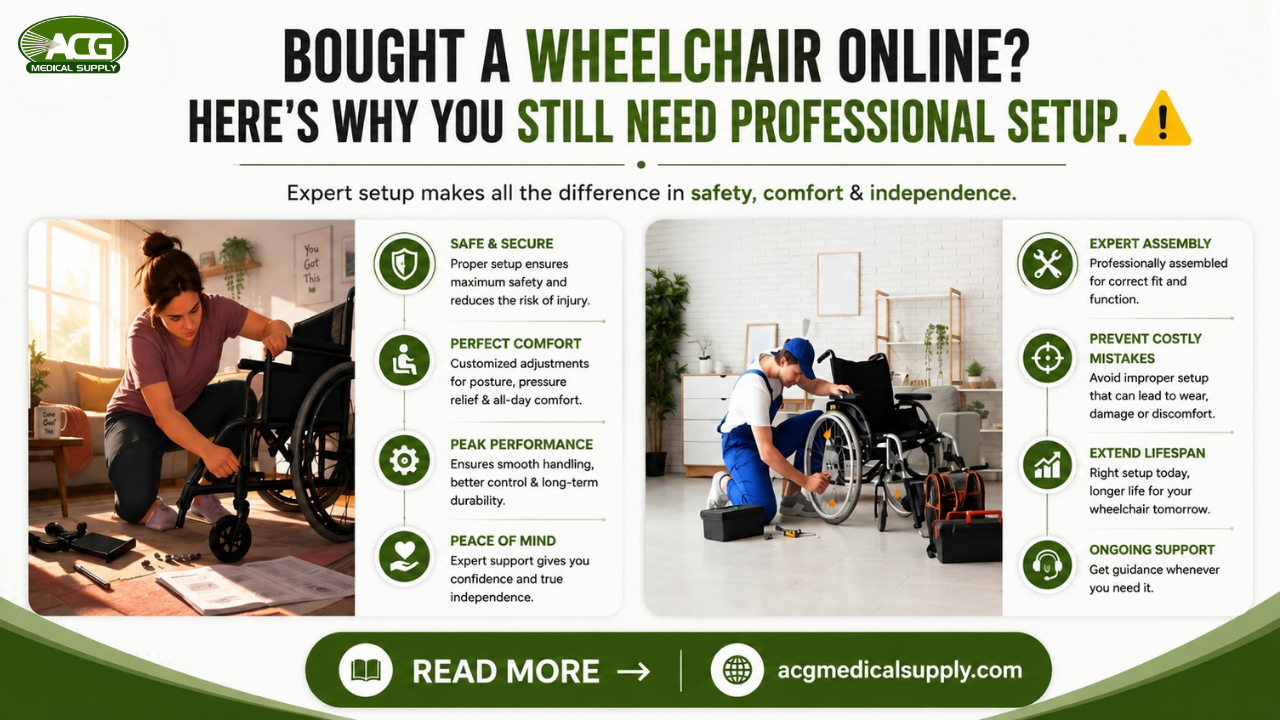
Bought a Wheelchair Online? Here’s Why You Still Need Professional Setup

A wheelchair shows up in a box. Wheels, frame, footrests, a plastic bag of bolts, and a manual that was clearly translated by someone who has never sat in one. Somebody unpacks it, clicks the pieces together, and calls it done. And that’s where the trouble really starts.

Because buying online is easy, it barely takes fifteen minutes, a credit card, and a chair arrives at the door two days later. What doesn’t arrive with it is the part that matters: making sure the chair fits the person using it. A wheelchair isn’t a bookshelf. If you assemble it wrong or skip the adjustments entirely, you’re not dealing with a wobbly shelf; you’re dealing with discomfort, poor positioning, or equipment that isn’t as safe or easy to use as it should be.

This is the piece of information that you won’t find in the product description. Here’s what a proper wheelchair fitting actually involves, and why skipping it costs more than it saves.

What “Setup” actually means (hint: it’s not just snapping parts together)

Most online listings show a smiling model in a chair that looks effortless. What they don’t show is the twenty-minute process of checking that the frame, wheels, brakes, footrests, and other components are assembled and secured correctly. A wheelchair assembly service covers all of that. It’s mechanical work, and mechanical work done wrong doesn’t announce itself right away. It may not become obvious until the chair is used regularly, perhaps when a brake starts slipping on a ramp, or a component loosens.

Assembly is step one. It’s the easy part, honestly. The harder part, the part people never think about until something feels off, is making the chair fit the person sitting in it.

Fit is not the same thing as “it rolls”

A wheelchair can be assembled properly, the brakes can work, and the wheels can roll smoothly, but that does not mean it fits the person using it. Seat height, backrest angle, armrest position, and footrest depth all change the way someone sits in the chair. When those measurements are off, an hour of sitting can leave the shoulders, back, or hips sore.

That is where professional wheelchair fitting comes in. A trained technician looks at the person as well as the chair and adjusts the equipment accordingly. Someone who has limited upper-body strength may need the wheels positioned differently from someone who propels the chair independently. A person recovering from surgery may need a different seat depth from someone with a long-term mobility condition. Those are things you cannot work out just by looking at the specifications on the box.

An uncomfortable fit can also cause problems over time. Poor positioning may contribute to pressure on certain areas of the body, poor posture, and difficulty with everyday activities. These issues usually build slowly rather than showing up all at once, so it is easy to ignore them until they start getting in the way of daily life.

When professional wheelchair setup is especially useful

Not every wheelchair purchase needs the same level of support. A simple manual chair may have fewer components to deal with, while a more advanced model can involve several adjustments and safety checks. The user’s situation matters, too.

Professional setup can be particularly helpful when:

  • The wheelchair has several adjustable or removable components.
  • The user is new to wheelchair use and needs guidance.
  • A caregiver or family member will help operate or maintain the chair.
  • The wheelchair will be used in a home with tight spaces, steps, rugs, or narrow doorways.
  • The chair feels uncomfortable or difficult to manoeuvre after assembly.
  • The buyer is unsure whether the wheelchair has been assembled correctly.

There is also something reassuring about having an experienced professional look over the chair before it becomes part of the daily routine. Small setup issues are easier to address at the beginning than after they have turned into ongoing frustrations.

For anyone buying a wheelchair online, professional assistance does not replace the convenience of online shopping. It simply adds a practical layer of support between opening the box and confidently using the chair every day.

What a real wheelchair setup service looks like

The setup process isn’t a rushed afterthought tacked onto a sale. It’s a scheduled in-home visit focused on getting things right the first time. Technicians typically arrive within 48 to 72 hours of booking, and a visit runs about 90 minutes.

Here’s what’s actually included in a flat-rate wheelchair setup service:

  • Full unboxing and assembly, done the first time correctly
  • A professional wheelchair setup tailored to the user’s body, including seat height, backrest angle, footrest depth, and armrest position
  • Testing of brakes, wheels, and, for powered chairs, battery and electrical function
  • A 15-point home safety check to flag hazards such as narrow doorways or loose rugs.
  • Hands-on training for the user and any caregivers involved
  • Full removal of boxes and packaging before the technician leaves

And this applies whether the chair came from a local supplier, an online retailer, or a marketplace site. Bought it online during a late-night sale? That’s fine. A professional wheelchair installation service focuses on getting the equipment properly assembled, adjusted, and ready for everyday use, regardless of where it was purchased.

Signs your chair needs a second look

Some problems show up immediately while others take a while. If any of these sound familiar, it’s time to book a wheelchair fitting service rather than just living with it:

SymptomWhat It Usually Means
Red or sore skin after sittingSeat cushion or positioning isn’t distributing weight correctly
Shoulder or wrist pain while pushingWheel or armrest height is off for the user’s arm length
Chair drifts to one sideUneven tire pressure, wheel alignment, or another mechanical issue may need checking.
Brakes feel loose or don’t fully lockAssembly, adjustment, or brake alignment may need checking.
Feet slide off the footrestsFootrest depth or angle needs a wheelchair adjustment
Slouching or leaning after short periodsBackrest angle or seat depth doesn’t match the user’s build

The real cost of skipping professional help

DIY assembly can seem like the obvious way to save money. But when the chair does not feel right, the savings can disappear pretty quickly. You might end up trying different cushions, wedges, or replacement parts just to make it comfortable. And if something was put together or adjusted incorrectly, that can create problems that should have been caught earlier.

A wheelchair setup appointment takes some of that guesswork out of the process. A technician can look at the chair with the person actually sitting in it, spot what needs changing, and make those adjustments on the spot. When a family is already dealing with recovery, changing mobility needs, or caring for an older parent, having someone handle this part can make things a little easier.

Conclsuion

Buying mobility equipment online can be convenient. It also means the wheelchair arrives without anyone there to check how it fits the person who will be using it.

Once it is delivered, the seat height, footrests, brakes, and other adjustable parts still need to be set up properly. The space around the chair matters too. Doorways, furniture, flooring, and other things in the home can affect how easily the wheelchair is used.

ACG Medical Supply offers in-home setup and fitting support after an online purchase, including equipment bought from other retailers. Having a technician come to the home means the chair can be checked and adjusted in the same place where it will be used.

A new wheelchair does not need more features to be useful… it needs to be put together properly, adjusted to the person using it, and ready for everyday life.

FAQs

Is professional setup necessary after buying a wheelchair online?

Not in every case, but professional help can be useful when the chair needs assembly, fitting, adjustments, or hands-on guidance.

What does a wheelchair fitting service include?

A wheelchair fitting service involves adjusting the parts of the wheelchair that can be changed so they suit the user’s size, position, and needs.

What is a wheelchair assembly service?

It covers putting the wheelchair together correctly and checking that the components are secure and working as they should.

How soon can someone schedule a visit?

Visits are typically scheduled within 48 to 72 hours of booking.
Electric Hospital Bed

How to Choose the Right Full-Electric Hospital Bed

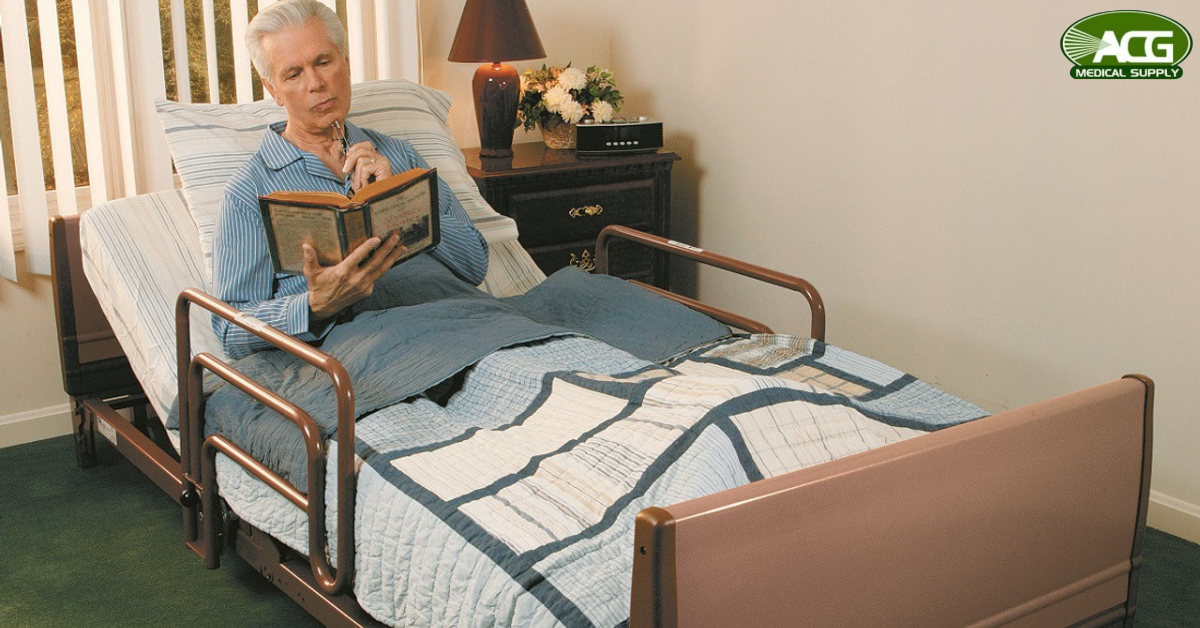
Caring for someone you love has a way of throwing you for a loop. Suddenly, things you never gave much thought to (like mobility, safety, or how easy it is to sit up in bed) start shaping your everyday life. And pretty quickly, one of the biggest decisions on your plate becomes choosing the right bed. If you’ve already gone down the Google rabbit hole, you’ve probably seen the Full-electric Hospital Bed come up again and again.

Now, let’s be clear, this isn’t the cold, squeaky bed frame you probably remember from hospital visits. These are made with home life in mind. They’re comfortable, practical, and, honestly, they give back a lot of independence to the person using them. And for caregivers? They can take a load off their shoulders too.

In this guide, we’ll walk you through everything you need to know before making your decision.

Why a Full-Electric Hospital Bed Feels Like a Game-Changer

The phrase “hospital bed” doesn’t exactly make most people light up with excitement. You might think of something clinical, sterile, maybe even intimidating. But here’s the twist: a full-electric hospital bed is nothing like that. It puts the power—literally—right in your hands with a simple remote control.

Think about this:

  • You want to sit up and read without stacking pillows? Push a button.
  • Do you need to elevate your legs after a long day or to reduce swelling? Push a button.
  • If you are struggling to stand up from a low position? You can raise the whole bed (yep, by pushing a button).

For someone who’s been relying on others for every little adjustment, the ability to move on their own is huge. You can actually see the relief (and even pride) on someone’s face the first time they adjust the bed themselves.

The Details That Really Make a Difference

When you start shopping for Hospital Beds, it quickly becomes obvious that they’re not all built the same. Some are bare-bones, some are semi-electric, and then there are the fully electric ones that feel almost tailor-made for comfort and safety.

Here are the features worth paying attention to:

  • Adjustable Height – This feature is a total game-changer for caregivers. It saves your back and makes things like grooming or dressing so much easier. And for the person in bed, getting to a walker or wheelchair also becomes far less scary.
  • Head and Foot Adjustments – These aren’t just nice-to-have features; they can improve breathing, reduce acid reflux, or simply let someone find their sweet spot for a nap.
  • Safety Rails – They help with stability and give peace of mind, especially at night.
  • Remote Control – Forget fiddly cranks and levers. A remote keeps things simple—just a couple of buttons, and you’re set.

And here’s something many people forget: the accessories. Hospital Beds and Accessories go hand in hand. A great Hospital Bed Mattress, a handy tray table, or even supportive Medical Pillows can transform the bed from “functional” to “actually cozy.”

Manual vs. Semi-Electric vs. Full-Electric: The Quick Breakdown

Bed TypeAdjustabilityEase of UseCaregiver EffortBest For
Manual BedHand-crankLowHighShort-term or tight budgets
Semi-ElectricHead/foot motorized, height manualModerateMediumPatients needing partial support
Full-ElectricFully motorized (head, foot, height)HighMinimalLong-term comfort and care

If you’re caring for someone at home, that last row pretty much explains why so many families go for full-electric.

Choosing Your Perfect Bed (And Why It Doesn’t Have to Be Overwhelming)

Let’s be real for a moment, buying a hospital bed probably isn’t something you ever thought you’d be doing. But here you are, and the good news is, it doesn’t have to feel extremely clinical or stressful. In fact, finding the right bed can actually feel empowering. You’re making life easier for your loved one, and for yourself too.

At ACG Medical Supply, we understand this isn’t just a random purchase; it’s a big and scary step. That’s why we don’t rush you into a decision; we walk you through options. You’ll see everything from the popular adjustable electric hospital bed to extras like trapeze bars, specialized mattresses, and more. You’re never left to figure it out on your own. Our team is here to answer questions, share real guidance, and help take a big chunk of the stress off your plate.

Conclusion

Every family’s situation is unique, but one thing always holds true: having the right hospital bed at home can completely change the day-to-day. It eases some of the constant struggles and makes the space feel safer and more peaceful. And when you’re looking after someone you love, those little wins? They matter more than anything.

FAQs

1. Are full-electric hospital beds hard to use?
Nope. They’re designed for simplicity. If you can use a TV remote, you can use one of these.

2. Do I need a special mattress?
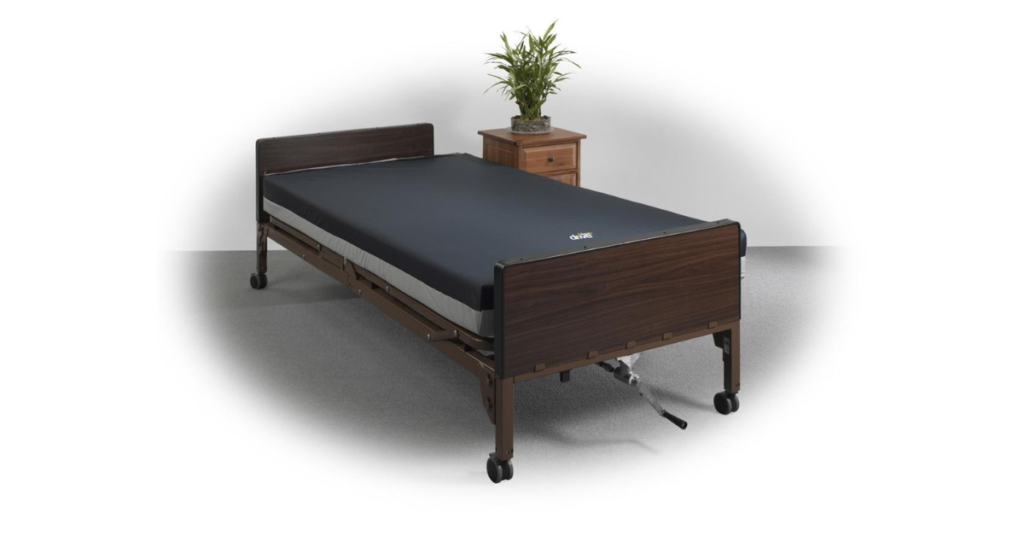
Yes, you’ll want a proper Hospital Bed Mattress. Regular mattresses don’t always fit well, and they won’t give the needed support.

3. Can I add accessories?
Definitely, things like rails, tables, or Hospital Bed Accessories make a huge difference day-to-day.

4. Are these only for long-term care?
Not at all. They’re just as helpful for short recovery periods after surgery or illness.

5. Where can I buy one?
Check out ACG Medical Supply—we’ve got a wide range and friendly staff who actually care about finding you the right match.

Hospital Beds and Accessories

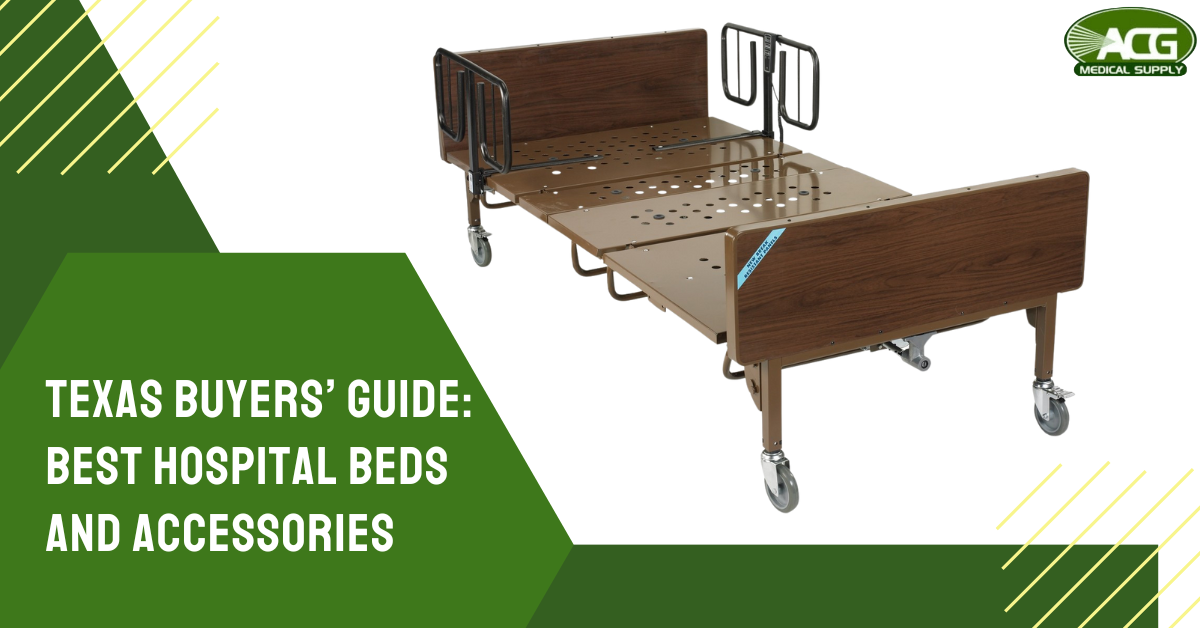
Texas Buyers’ Guide: Best Hospital Beds and Accessories

Choosing the right hospital bed and accessories can feel like navigating a maze, especially when you’re already dealing with the stress of healthcare needs. It’s a deeply personal decision, one that significantly impacts the comfort and well-being of individuals requiring in-home care or those recovering from medical procedures. 

This guide aims to be a helpful companion for Texans, offering clear and compassionate advice to simplify the process. We’ll explore the different types of hospital beds and accessories available, discuss key features to consider, and point you toward reliable resources in the Lone Star State.

Understanding Your Options: Types of Hospital Beds

One of the first steps is understanding the different types of hospital beds available. They range from simpler, more affordable models to highly advanced options packed with features. Let’s break it down:

  • Manual Hospital Beds: These are the most basic options, requiring manual adjustments for head and foot positions. While budget-friendly, they can be challenging for caregivers to operate and may not be suitable for individuals with limited mobility.
  • Semi-Electric Hospital Beds: These offer motorized adjustments for the head and foot sections, providing greater convenience for both the patient and caregiver. The height of the bed, however, is still adjusted manually.
  • Full-Electric Hospital Beds: These are the most versatile option, offering complete control over the bed’s position, including height adjustments, all at the touch of a button. Full-electric hospital beds are a significant investment but can be invaluable for both the patient and caregiver, making transfers and caregiving tasks significantly easier and safer.

Beyond the Basics: Essential Hospital Bed Accessories

Hospital bed accessories play a vital role in enhancing the comfort, safety, and functionality of the bed. They can make a real difference in the daily lives of both patients and caregivers. Here are a few key accessories to consider:

  • Side Rails: These provide added safety, preventing falls and offering support for patients repositioning themselves.
  • Trapeze Bars: These can assist patients in repositioning themselves, getting in and out of bed, and performing light exercises.
  • Overbed Tables: These provide a convenient surface for meals, reading, writing, or other activities, allowing patients to engage in activities while remaining comfortably in bed.
  • Specialized Mattresses: For individuals at risk of pressure sores, specialized hospital beds mattresses are crucial. These mattresses are designed to redistribute pressure and promote airflow, reducing the risk of skin breakdown and discomfort. Options range from foam mattresses to more advanced alternating pressure mattresses.
  • IV Poles and Oxygen Tank Holders: Depending on the individual’s medical needs, these accessories can be essential for administering treatments at home.

Choosing Wisely: Key Considerations

When choosing hospital beds and accessories, several factors come into play:

  • Patient’s Needs: The most important consideration is the individual’s specific needs. Consider their mobility, medical conditions, weight, and comfort preferences.
  • Caregiver’s Needs: Think about the caregiver’s needs as well. Will they be able to easily operate the bed and manage any necessary accessories? Choosing a bed with user-friendly features can make caregiving easier.
  • Budget: Hospital beds and accessories come in a wide range of prices. Determine your budget beforehand and explore options that fit within your financial constraints.
  • Quality and Durability: Look for reputable suppliers who offer high-quality products from trusted manufacturers. Consider the warranty offered on the bed and accessories.
Hospital Beds

Where to Buy Hospital Beds and Accessories in Texas

Finding a trustworthy supplier is just as important as choosing the right equipment. If you’re in Texas and searching for a reliable provider, ACG Medical Supply stands out as a top choice.  We’re dedicated to providing high-quality medical equipment, including a comprehensive selection of hospital beds and accessories suitable for both home care and professional healthcare settings.  Our multiple locations across Texas ensure convenient access to the equipment and expert advice you need.

Visit an ACG Medical Supply Showroom

  • ACG Medical Supply Showroom in Rowlett, TX – Serving the Dallas area, this location provides a wide selection of hospital bed mattresses and other accessories.
  • ACG Medical Supply Showroom in Bedford, TX – Convenient for Fort Worth residents, offering expert advice and a variety of medical equipment.
  • ACG Medical Supply Showroom in Plano, TX – A prime destination for those in North Texas seeking durable medical supplies.

Each showroom has knowledgeable staff to help you choose the best hospital beds and accessories based on your needs.

Conclusion

Choosing the right hospital bed and accessories is a collaborative process. Talk to your healthcare providers, therapists, and caregivers to get their input. Visit a showroom if possible to see the equipment firsthand. Don’t hesitate to ask questions and express your concerns. By working together, you can ensure that you are providing the best possible care and comfort for your loved one. Remember, a well-chosen hospital bed and the appropriate accessories can make a world of difference in managing health conditions and promoting overall well-being.

Search Articles

Medical Tips in Your Inbox

Get expert recovery advice, equipment guides, and caregiver tips — delivered weekly. No spam, unsubscribe anytime.

Need equipment today?

Same-day or next-day delivery in the DFW area. Call us now for immediate assistance.