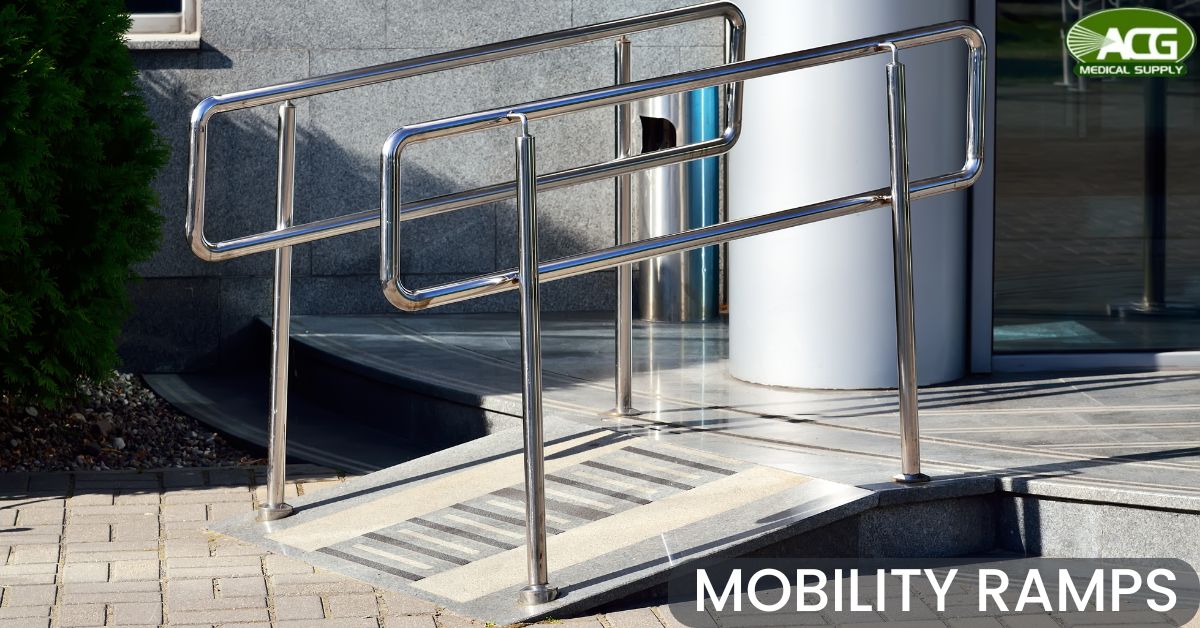
Mobility Ramps

Mobility Scooter and Wheelchair Ramps

How to Choose the Right Size for Mobility Scooter or Wheelchair Ramp

Most people don’t wake up excited about buying a ramp. Usually it goes like this: you’ve got a step or threshold that’s become a problem, you search online, and boom — 47 different ramp options with specifications that might as well be written in another language. Let’s fix that. Here’s what you actually need to know about choosing a mobility scooter or wheelchair ramp.

Start Simple: How to measure rise for a ramp?

Here’s where everyone starts. You need to know the “rise” — that’s just the vertical height from ground to wherever you’re going. A doorway, a porch, the back of your van. Grab a tape measure and measure straight up. That’s it.

Write that number down. Inches. Let’s say… 18 inches. That one little number? Yeah, it basically decides everything else. Doesn’t sound exciting, we know. But honestly, we just can’t skip it; it’s the most important part.

The 1:12 rule (And why it matters)

So once you’ve got your rise, there’s this rule that’s very popular and everyone keeps mentioning: the 1:12 rule. Basically, for every inch of height, you need a foot of ramp. So 18 inches up? That’s an 18-foot ramp. And it meets the ADA ramp slope requirements.

The ADA came up with this standard for a reason. That gentle slope means you’re not fighting gravity the whole way up. It means you can control your speed on the way down. If you’ve ever pushed a wheelchair up something too steep, you get why this matters. 

Now, some people say “but I don’t have 18 feet of space.” Totally fair. If you’ve got a power scooter, you might be able to go a bit steeper. Like 1:10, 1:8 maybe. Shorter ramp, less space used. But then you’re trading off a little safety and control. It’s a balance.

Width: It’s Not Just a Number

The law says 36 inches minimum. That’s the legal baseline. But here’s the thing — when you’re actually using the mobility ramp, you want more breathing room than the bare minimum. A power wheelchair? A scooter with attachments? Aim for 42 to 48 inches if you can swing it.

Why? Because you need room to move safely. If you drift to one side, you need space to adjust. If you turn too quickly, extra width keeps you from feeling cramped. Those extra inches can make the ramp feel a lot safer.

Oh, and don’t forget about what happens at the top and bottom. You need flat landing space on both ends. That’s where you pause, turn, figure out your next move. It sounds obvious, but a lot of people forget this part.

Pick Your Ramp Type

Not all ramps are the same.

Threshold ramps are small. We’re talking 1-2 inches usually, for doorways and sliding glass doors. Rubber or aluminum, lightweight, affordable. If you just need to get over a door lip, grab one of these.

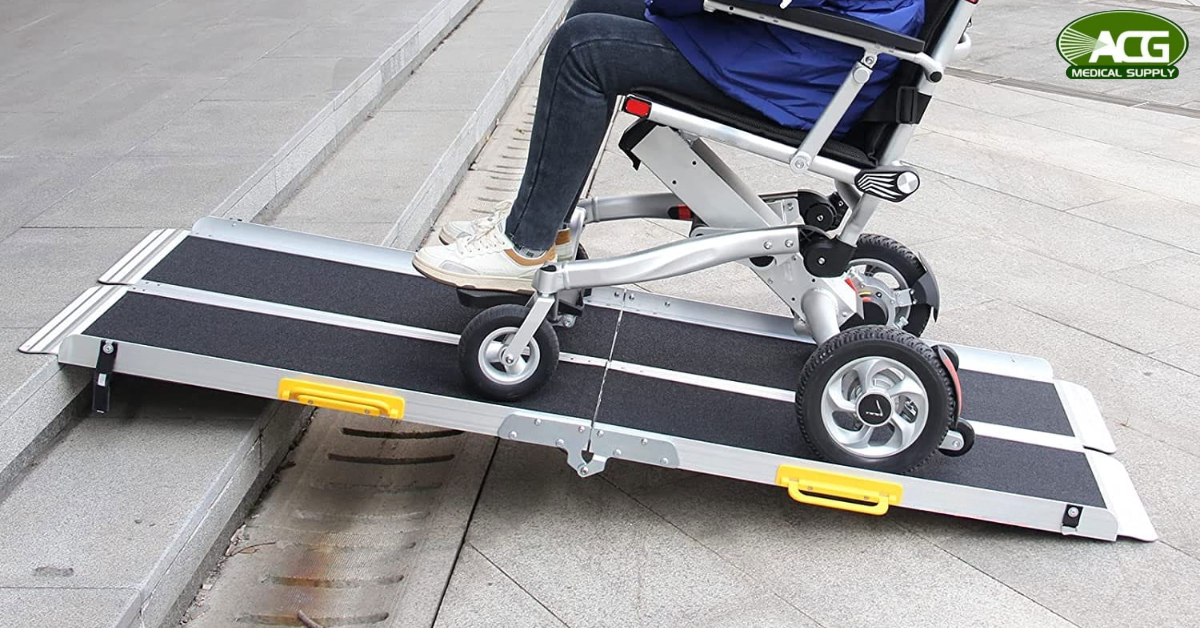
Portable ramps fold up. Seriously useful if you travel or visit places. Not a permanent solution, but they work when you need flexibility.

Modular ramps are a full commitment. Interlocking pieces that snap together. ACG Medical Supply sells these, and they’re solid. You can configure them for corners, different heights, whatever your space throws at you. They look professional. They last.

Materials: What Works and What Doesn’t

This part’s pretty practical. Different materials behave differently, especially outdoors.

MaterialProsConsBest For
AluminumLightweight, rustproof, durableCan get slippery without texture, pricier upfrontOutdoor use, modular systems, portable ramps​
SteelIncredibly strongHeavy, rusts without coatingCommercial or high-traffic permanent installs
WoodLooks natural, can be custom-builtNeeds sealing every year, can warp or splinterCustom residential ramps where appearance matters​
RubberQuiet, grippy, absorbs shockHeavy for its sizeThreshold Ramps, indoor transitions​

Making It Work in Real Life

Okay, real scenario. You measure your porch and it’s 24 inches high. The 1:12 formula says you need 24 feet of ramp. Problem is, you don’t have 24 feet of space. Now what?

Option one: Use a steeper slope if the user has a power scooter. A 1:8 slope cuts that down to 16 feet. Still long, but manageable.​

Option two: go modular with a turn. Instead of one straight shot, ACG Medical Supply and similar providers can design an L-shaped ramp with a landing in the middle. It takes up less linear space and still meets safety standards.​

Or maybe you’re just trying to handle a threshold. In that case, forget the math — grab a 2-inch rubber wedge ramp and call it done. It’s not always complicated.

The key is matching what size ramp for a wheelchair or scooter to the actual user and space. Cookie-cutter advice doesn’t always work.

It Doesn’t Have to Look Bad

Look, there’s a reason people avoid accessibility equipment sometimes. A lot of it looks like it came straight out of a hospital supply catalog from decades ago. That generic institutional vibe nobody asked for.

But that’s changing. Modern aluminum ramps? Clean lines. Look intentional. They blend into a home instead of sticking out. When something looks like it belongs, people feel different about using it. It stops being “the accessibility thing” and becomes just part of your space.

ACG Medical Supply gets this now. Our products meet every technical requirement but don’t scream “medical.”

Conclusion

Get your rise measurement right. Calculate your slope. Pick materials that work where you live. That’s really it. Everything else is just details.

A good ramp means you’re not thinking about logistics when you want to leave your house. You’re just going. That’s the whole point.

FAQs

1. How do I actually measure rise for a ramp?
Measure from ground level straight up to the top of the step or landing. Use inches. That number is your rise.

2. What’s the length I need for a 12-inch rise?
Using 1:12 standard, you’re looking at 12 feet. For a powered scooter at 1:8, you’d get by with 8 feet.

3. Can a ramp elevate home design?
Absolutely. Minimalist aluminum and modular ramps can complement any modern aesthetic.

4. Why does slope matter so much?
Because gravity never negotiates. ADA’s ramp slope requirements keep it in check.

5. Is it possible to use Threshold Ramps indoors?
Yes — they’re perfect for subtle transitions in doorways or uneven flooring.
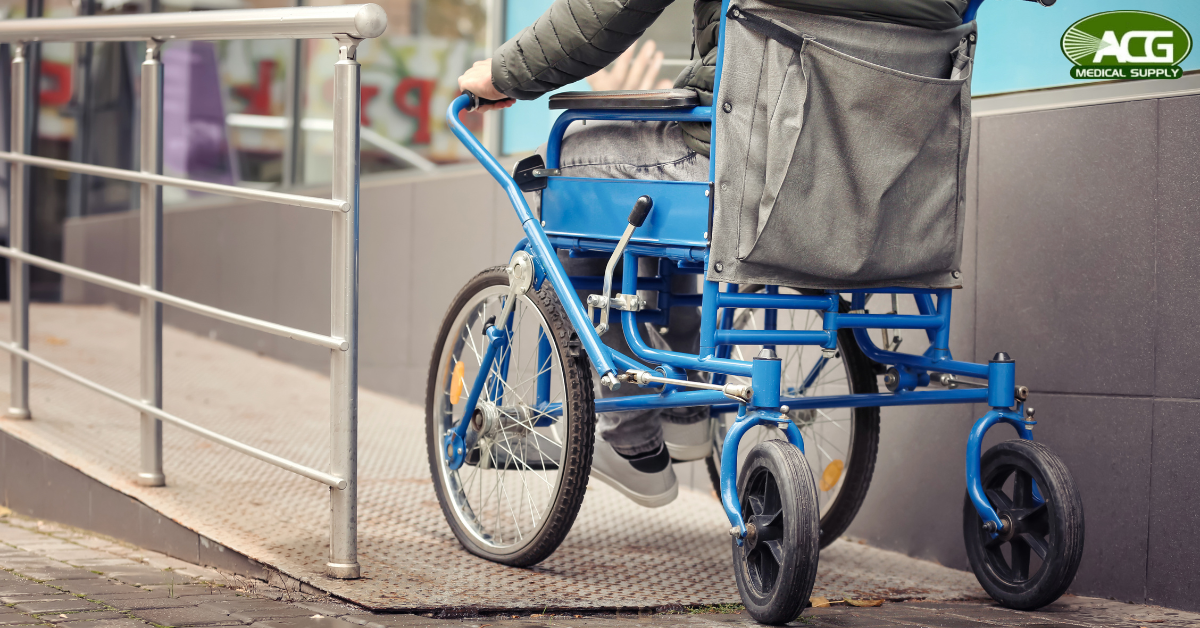
Mobility Ramps

5 Ways Mobility Ramps Enhance Daily Life

Have you ever tried watching someone navigate a small step with a walker or a wheelchair? It’s a really tough sight. A simple bump in the floor or a high door threshold can be a massive obstacle for individuals who rely on wheelchairs and walkers. But guess what? There’s a super simple solution that can truly change everything: Mobility Ramps.

Most of our homes weren’t exactly built with wheelchairs or scooters in mind. But the good news is you don’t have to do a full-blown remodel to make your home easier and safer for everyone. Sometimes, a well-placed ramp can change the game entirely.

In this blog, we’ll explore five practical ways Mobility Ramps make life easier and a whole lot better. If you’re thinking about buying one (or still unsure if mobility is even necessary), read on. 

1. Easy Access to Every Corner of Your Home

What if you don’t have to strategize how to get over that pesky threshold every time you want to go outside? It sounds liberating, right? That’s exactly what Threshold Ramps bring to the table – or, well, to your doorstep! Ramps remove those small obstacles that can make moving around the house feel like a chore for people with mobility issues. 

Just think about it: a small lip at the bathroom door, a step down into the garage, or even just getting onto the porch, each one is a mini-challenge of its own. But with a well-placed mobility ramp, these obstacles become complete non-issues. 

What’s great is that ramps today are super versatile:

  • Portable models you can move around
  • Folding designs for space-saving
  • Heavy-duty options for outdoor or garage areas

And if you’re shopping with ACG Medical Supply, we’ve got a wide selection to choose from, all suited to different needs and homes.

2. More Independence, Less Asking for Help

One of the most meaningful, as well as overlooked, benefits of installing even a basic wheelchair ramp in your home is the increased self-assurance it brings.

When you have a mobility ramp installed, you (or your family member with mobility problems) can head right out the door without getting stuck at the threshold and head into the backyard, all without needing any help from another person. And honestly, that kind of autonomy is completely priceless.

At ACG Medical Supply, we’ve seen firsthand how installing even a single ramp can change a person’s entire outlook. It’s not just hardware, it’s hope and empowerment and dignity all wrapped in a sturdy mobility ramp.

3. Safer Movement for Everyone (Not Just for Wheelchair Users)

Let’s help you break a common myth here: mobility ramps are not just for wheelchair users. Honestly, anyone in the house can benefit from a stable, slip-resistant surface, especially when it’s rainy or icy outside. Think about it, if you have older parents, someone recovering from surgery, a pregnant partner, little kids running around… and a family dog, they all can move around more safely when there’s a ramp in place.

Key safety benefits:

  • Reduced risk of falls
  • A mobility ramp provides a stable and even surface for movement
  • Ideal for both temporary and permanent needs

If you’re someone who values security at home (and who doesn’t?), a Mobility Scooter Ramp might be the solution you didn’t know you needed all along.

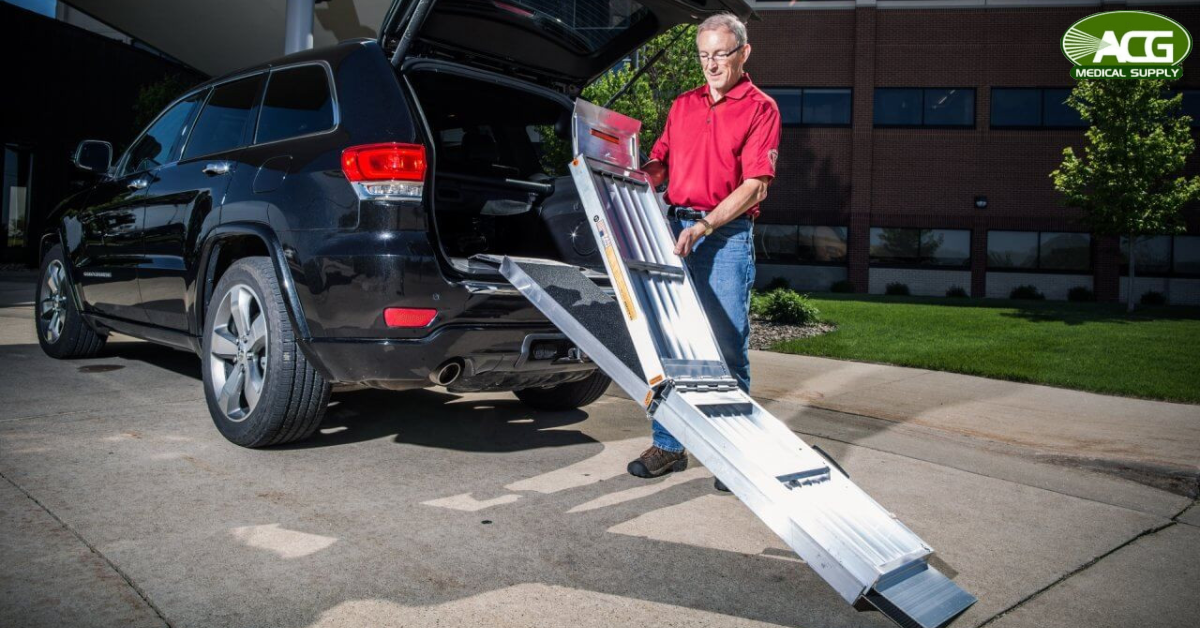
4. Makes Transport In and Out of Vehicles Easier

Getting a wheelchair or scooter into a car is not exactly a graceful moment. You’re lifting, twisting, possibly sweating, and doing your best not to dent the bumper (or throw out your back while lifting the wheelchair). 

With Power Scooter Lifts and Vehicle Mobility Lifts, you don’t have to wear yourself out anymore. You just pull up to the car, push a couple of buttons, and let the lift do the heavy stuff. Seriously, it takes a load off—literally.

With the help of mobility lifts, getting a wheelchair into the car isn’t this big, exhausting task anymore. It’s faster, way less stressful, and honestly, your back will thank you. Once you’ve done it this way, going back to lifting by hand just won’t make sense.

5. They’re Safer Than Carrying Someone

This one might sound obvious, but it’s worth saying.

Trying to carry someone upstairs or over thresholds is risky for both of you. It’s how back injuries happen. It’s how major accidents happen. A ramp provides a safe and sturdy solution for everyone involved.

Especially for caregivers, having a proper ramp removes the pressure of physically lifting or straining. And if you’re thinking long-term (perhaps looking into Mobility Scooter and Wheelchair Ramps), know that you’re not just adding safety to your home, you are adding ease to someone’s daily life.

Conclusion

Honestly, home should be the one place where you don’t have to think twice about moving around and getting from one place to another. If a mobility ramp can help make life a little easier or take some stress off your shoulders, it makes complete sense. 

It’s not necessarily a big thing, but it feels big when it gives a person back their independence. That kind of change is completely worth it.

FAQs

Q1: Can I set up a mobility ramp all by myself?
Small mobility ramps are easy to install, but with larger ones, you may need professional help.

Q2: Are ramps only for wheelchairs?
Not at all. They’re great for walkers, strollers, or anyone needing steady access.

Q3: What’s the difference between home and car ramps?
Home ramps help with steps and thresholds. Car ramps assist with loading into vehicles.

Q4: Do I really need a lift if I have a ramp?
Not always. But Power Wheelchair Lifts or Power Scooter Lifts can make transport easier.

Q5: Where should I buy a ramp?
You’ll find safe and trusted options at ACG Medical Supply.

Vehicle Ramps for Scooters and Wheelchairs

A Guide to Mobility Ramps for Wheelchairs and Scooters

Sometimes, the smallest step can feel like the tallest mountain. A doorway threshold. A curb outside the grocery store. The back of your SUV. For someone using a wheelchair or scooter, these everyday moments can create unnecessary limits.

Here’s the best part: they don’t have to.

Mobility ramps and lifts are more than just tools — they’re quiet problem-solvers that give back independence, ease, and comfort. And with the right one by your side, that “tall mountain” becomes just another part of the path forward.

Let’s walk through what makes these ramps and lifts an essential companion, and how ACG Medical Supply can help you choose the one that fits your life best.

What Are Mobility Ramps & Why Do They Matter?

Think of mobility ramps for scooters and wheelchairs as bridges. Not just physical ones — but bridges to confidence, smoother routines, and everyday freedom.

These ramps:

  • Help navigate over steps, curbs, and vehicle entries
  • Support a wide range of mobility devices
  • Can be permanent or portable
  • Are designed to be safe, stable, and easy to use

They’re used in homes, public spaces, and vehicles, making environments more inclusive and flexible — exactly how they should be.

At ACG Medical Supply, we believe accessibility should never feel complicated or clinical. It should feel natural.

Choosing the Right Ramp: Types & Benefits

There’s no such thing as “one ramp fits all.” Your needs are unique, and your ramp should reflect that. Here are some of the most trusted types:

1. Threshold Ramps

These are small but powerful solutions made for doorways and raised entrances. No more getting stuck between rooms or bumping into sliding doors.

  • Ideal for indoor transitions
  • Non-slip and durable
  • Low-maintenance and discreet

2. Vehicle Ramps and Lifts

Want to bring your scooter or chair with you in the car? A ramp or powered lift makes transport simple.

  • Vehicle scooter lifts help load and unload without strain
  • Choose from manual or power wheelchair lifts
  • Great for vans, SUVs, and trucks

Pair them with vehicle lift accessories for the smoothest ride possible.

3. Portable Folding Ramps

Going on vacation? Visiting friends? These ramps fold and travel with you.

  • Lightweight and easy to carry
  • Great for temporary setups
  • Versatile for many settings

No more worrying if a new place will be accessible.

Built for More Than Convenience — Built for Life

Every ramp at ACG Medical Supply is selected with one goal: to support real people in real situations.

We make sure our mobility lifts for scooters and wheelchairs are:

  • Easy to set up and adjust
  • Engineered with safety in mind
  • Tested for strength and performance
  • Designed to work with walkers, wheelchairs, scooters, and more

Plus, if you’re unsure which model is right for you, our team is happy to help you sort through the options — without any sales pressure.

Why ACG Medical Supply?

At ACG Medical Supply, we don’t just sell ramps. We support stories.

Whether you’re recovering from surgery, adjusting to a new diagnosis, or helping a loved one maintain their independence — we’re here for that journey.

Why families trust us:

  • Carefully curated selection of wheelchair ramps, lifts, and accessories
  • Friendly customer service
  • Options for both purchase and rental
  • Staff who actually listen and care

We’re proud to be a trusted name in Texas and beyond for medical equipment that empowers — not overwhelms.

What to Ask Before Buying

Before choosing a ramp or lift, ask yourself:

  1. Where will I use it? Indoors, outdoors, in a vehicle?
  2. How high is the step or surface? Measure the rise for proper length.
  3. Do I need something portable? Foldable ramps are great for flexibility.
  4. Will I install it permanently or move it around?
  5. What kind of device will use the ramp? Manual chair, power scooter, etc.

Still unsure? Give us a call or stop by one of our showrooms — we’ll walk through it with you.

Frequently Asked Questions

1. Can I use a ramp inside my home?

Absolutely! Threshold ramps are perfect for indoor use and make transitions between rooms smoother.

2. Are ramps heavy?

Not necessarily. Aluminum folding ramps are super light and easy to carry. Rubber ramps are a bit heavier but super stable.

3. What’s the lifespan of a ramp?

With proper care, many ramps last for years. Just clean them regularly and store them well.

4. How do I know what size ramp to get? 

The length of the ramp should correspond to the height of the obstacle. A typical guideline is 12 inches of ramp for every inch of height. Make sure to measure before purchasing.

5. Do insurance or Medicare cover ramps or lifts? In some cases, yes! Especially if they’re deemed medically necessary. ACG’s team can help guide you through documentation.

Mobility Ramps

Mobility Ramps: The Key to Effortless Accessibility

Imagine how frustrating it would be if a simple step or curb stood between you and your home, or kept you from visiting a friend’s home. For many people with mobility challenges, this is a daily reality. That’s where mobility ramps come to the rescue. These unsung heroes make navigating the world so much easier, turning once disheartening obstacles into smooth, manageable pathways. 

Let’s dive into how these ramps can transform lives, offering freedom and independence to those who need it most.

A Step Towards Independence

For anyone using a wheelchair or power scooter, steps, curbs, and doorways can feel like mountains. But with ramps for wheelchairs and ramps for power scooters, those mountains shrink to little hills. Ramps provide a smooth incline that makes entering and exiting your home, vehicles, and other spaces a breeze. Gone are the days of struggling with heavy doors or worrying about tripping on uneven thresholds. Mobility ramps ensure that you (or your loved ones) can move freely and confidently, with no barriers in sight.

It’s not just about getting from one place to another—it’s about doing so with dignity. Mobility ramps eliminate the need for awkward assistance or relying on others to help you navigate everyday spaces. Ramps for wheelchairs and ramps for power scooters empower you to take control of your mobility, fostering a sense of independence that’s priceless.

Tailored Solutions for Every Need

What’s really amazing about mobility ramps is their versatility. They’re available in a variety of designs, each created to address specific accessibility needs. For instance, threshold ramps are perfect for small height differences, like those at doorways or curbs. They are lightweight and easy to install, and provide a seamless transition for wheelchairs or power scooters—no more getting stuck at the threshold!

If you need to support heavier equipment or accommodate bariatric (obese) users, bariatric ramps are the answer. These heavy-duty ramps can handle greater weight capacities, making sure that even the sturdiest power scooters or wheelchairs can be used safely. And for those who need a little extra support,  some ramps come with handrails, they offer added security and stability, which is especially helpful for anyone needing assistance with balance while navigating inclines.

Another great option is the modular folding ramp. These ramps are all about flexibility. They fold up neatly, making them super easy to transport and set up wherever you need them. Whether you’re loading a power scooter into your car or navigating a few steps at a friend’s house, modular folding ramps are your go-to for portable, reliable access.

Safety First, Always

When it comes to accessibility, safety is a top priority. Mobility ramps are designed with features that keep you safe and secure. Their anti-slip surfaces, for example, ensure that the ramp stays steady even in wet or icy conditions. Ramps with handrails for handicap access offer extra support, helping prevent falls and boosting confidence for anyone using them.

Both bariatric ramps and modular folding ramps come equipped with safety edges, which are great for preventing wheelchairs or power scooters from sliding off the sides. Plus, these ramps are carefully engineered to have just the right slope—not too steep and not too flat—so you can glide up and down smoothly and safely.

Transforming Lives, One Ramp at a Time

Mobility ramps are more than just a practical solution—they’re life-changers. For individuals facing mobility challenges, these ramps open up a world of possibilities that might otherwise be out of reach. Whether it’s joining a family gathering, heading to work, or enjoying a day out, mobility ramps provide the freedom to engage fully in life’s activities. If you’re looking for reliable mobility ramps, ACG Medical Supply is a name you can trust. We offer a wide selection of ramps to meet various needs, helping you find the perfect fit for your situation. With the right mobility ramp, you can unlock a world of possibilities, moving forward with confidence and ease.

Search Articles

Medical Tips in Your Inbox

Get expert recovery advice, equipment guides, and caregiver tips — delivered weekly. No spam, unsubscribe anytime.

Need equipment today?

Same-day or next-day delivery in the DFW area. Call us now for immediate assistance.