
Most home accidents don’t happen during anything dramatic. No ladders. No power tools. They happen during everyday moments. Stepping out of the shower. Sitting down on the toilet. Reaching for balance when your foot slips a little. That’s where grab bars quietly do their job. They’re not flashy. They don’t beep or blink. However, when installed properly, they can transform the sense of safety in a bathroom almost instantly. And not just for seniors, either. Anyone who’s ever lost footing on wet tiles knows how fast things can go wrong. Let’s break it all down.
What Exactly Are Grab Bars?
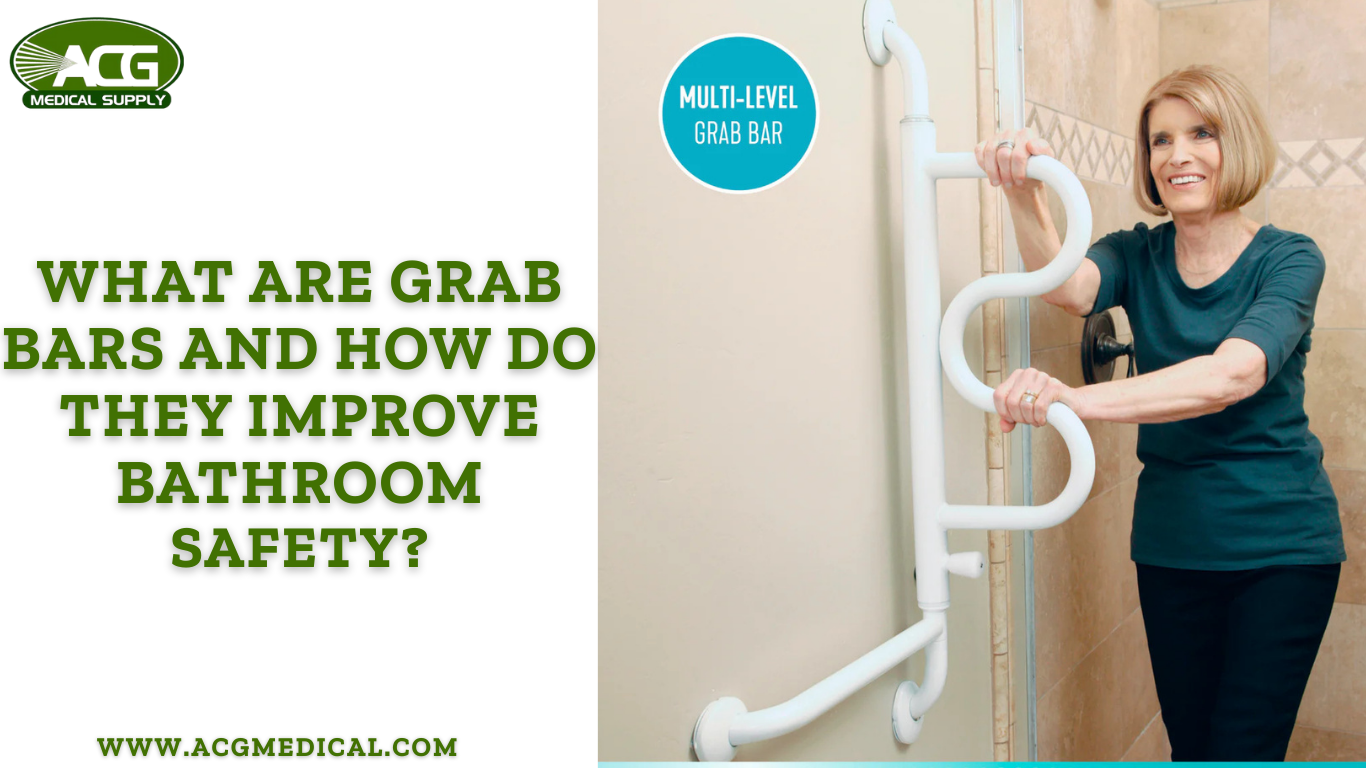
Grab bars are fixed support bars installed in key areas of the home, most commonly bathrooms. You’ll see them near toilets, inside showers, along bathtubs, and sometimes along walls where balance tends to be tricky. Unlike towel rods or soap holders, safety grab bars are designed to hold body weight. That’s the big difference. They’re anchored into the wall structure, not just surface-mounted. And yes, they’re meant to be grabbed. Hard. In a moment when you need support and balance.
You’ll find different types depending on where they’re used:
● Shower grab bars for stepping in and out safely
● Toilet grab bars or toilet hand rails for sitting and standing
● Bathtub grab bars for slippery edges
● Bathroom handrails for general movement and balance
Why Bathrooms Are the Biggest Risk Zone
Bathrooms combine three things that don’t play well together:
● Water
● Hard surfaces
Add a person with limited mobility, joint pain, or even just fatigue, and a simple shower turns risky.
Grab bars for bathroom use reduce that risk by giving you something solid to hold onto. It sounds obvious. But it works. They help with:
● Entering and exiting the shower
● Shifting weight safely
● Standing up without strain
● Regaining balance if you slip
And here’s the thing, people don’t always admit. Even younger adults use them once they’re installed. Because stability feels good for everyone Period.
How Grab Bars Improve Safety
Grab bars don’t prevent accidents by themselves. They give you options when something goes off balance. They work as a backup.
● If your foot slips, you grab.
● If your knee gives out, you steady yourself.
● If you feel dizzy, you pause.
That pause is important. For grab bars for elderly users, that moment can be the difference between a near miss and a hospital visit. For caregivers, it means less physical strain while assisting. And for everyone else? Extreme peace of mind.
Common Types of Grab Bars and Where They Work Best
Here’s a simple table to make sense of where each type fits.
| Shower grab bars | Inside the shower or near the entry | Stability on wet surfaces |
| Toilet grab bars | On either side of the toilet | Easier sitting and standing |
| Toilet handrails | Along the tub walls | Weight support and balance |
| Bathtub grab bars | Along tub walls | Safer entry and exit |
| Toilet handrails | Along bathroom walls | General movement support |
| Shower handrails | Vertical or horizontal | Extra grip while bathing |
Different homes need different setups. There’s no one-size layout, despite what some guides suggest.
Grab Bar Installation: What’s Actually Important
This part gets skipped too often. Grab bar installation isn’t just about drilling wherever it looks neat. It also means structure.
Key points:
● Bars must be anchored into wall studs or reinforced backing
● Height should match the user’s natural reach
● Placement should support the movement of the person, not force awkward grabs
Improperly installed grab bars can fail. And that’s worse than not having one at all. ACG Medical Supply provides guidance or recommends professional installation, which honestly makes sense if this is your first time.
Are Grab Bars Only for Seniors?
Short answer: no.
Yes, grab bars for elderly users are common. But they’re also useful for:
● People recovering from surgery
● Those with arthritis or balance issues
● Pregnant individuals
● Anyone planning to age in place
Installing them early avoids rushed decisions later. And it avoids the panic install after an accident.
Design Has Improved A Lot.
Old grab bars looked like hospital equipment. Cold. Obvious. Kind of intimidating. Today’s bathroom safety products are more subtle. Matte finishes. Clean lines. Neutral colors. Some don’t even look like safety equipment at first glance. Which helps. Because when something looks normal, people are more likely to use it.
Conclusion
Installing grab bars doesn’t mean you are giving up your independence. It just means you are protecting it. Once they’re in place, most people stop noticing them. Until the day they need them. And on that day, they matter more than anything else in the room. If you’re thinking about improving bathroom safety, starting with grab bars, especially Reliable options from ACG Medical Supply, is one of the simplest, smartest moves you can make. Maximum support. Solid grip. Fewer accidents. Sometimes that’s all home safety really needs.
FAQs
How much weight can grab bars support?
Most quality grab bars support 250–500 lbs when properly installed. Always check
manufacturer specs.
Can grab bars be installed in tiled bathrooms?
Yes. Tiles can be drilled safely with proper tools. The bar still needs to anchor into studs or
backing behind the tile.
What’s the difference between towel bars and grab bars?
Towel bars are decorative and not weight-bearing. Grab bars are reinforced and built
specifically for support.
Where should grab bars for the toilet be placed?
Typically, on one or both sides of the toilet, around 33–36 inches from the floor. Placement
may vary based on user height.
Do grab bars require professional installation?
Not always, but it’s recommended. Incorrect installation defeats the purpose and creates
risk.