Wheelchair

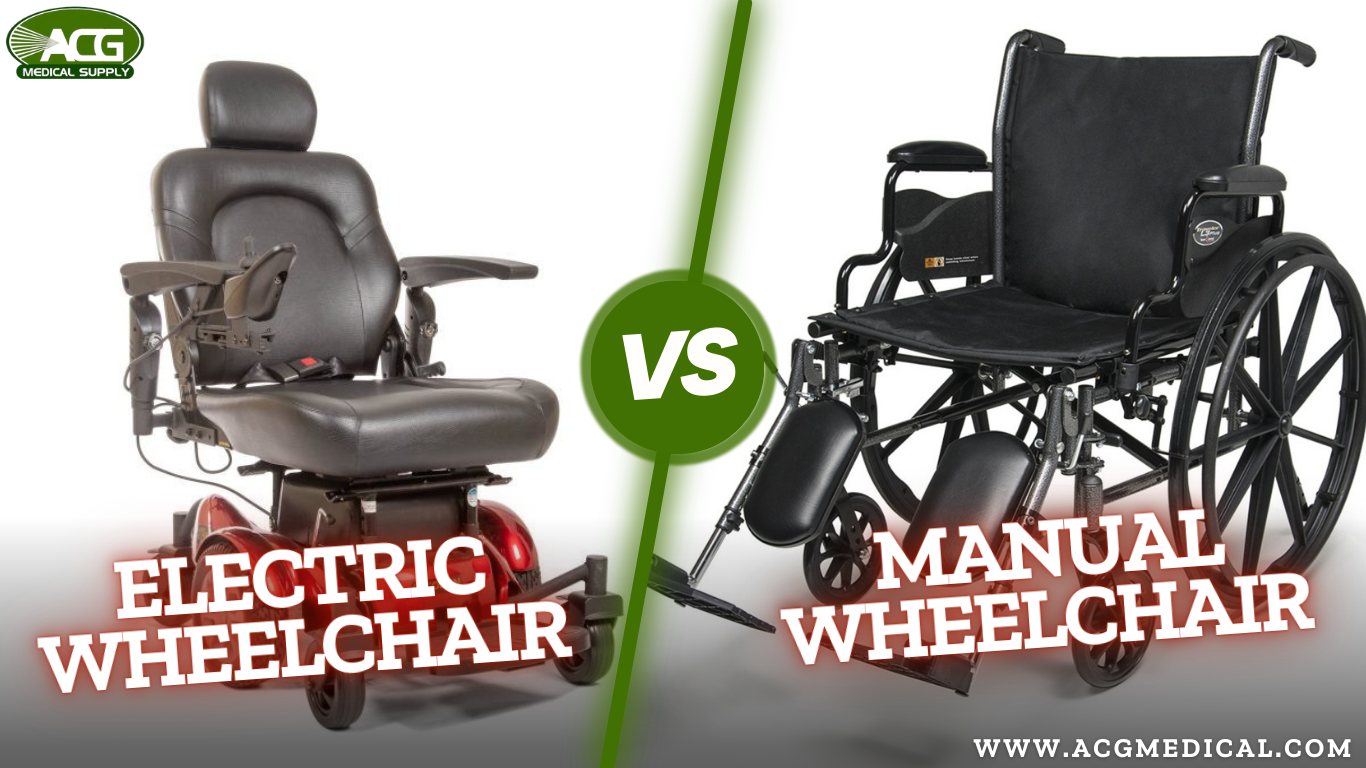
manual Wheelchair vs Electric Wheelchair

What Is the Difference Between a ManualWheelchair and an Electric Wheelchair?

This choice isn’t medical in the way people think it is. It’s not a box to tick. It’s more like deciding how much of your day you want to spend managing your body.

People often prefer to frame a manual wheelchair versus an electric wheelchair as an effort versus an ease. Exercise versus laziness. That framing is lazy. The real question is distance. How far do you want to go in a day, how often, and how wrecked you’re willing to feel afterwards? A manual chair limits your radius. An electric one changes it. That’s the honest difference.

At ACG Medical Supply, this shows up every week. Someone comes in frustrated because their shoulders are done by lunchtime. Someone else is nervous about trusting a battery outside the house. Both reactions make sense. Neither person is wrong. If you’re looking for the best wheelchair 2026 has lined up, forget the shiny features for a second. The real answer lives in the parts most brochures skip. Fatigue. Anxiety. Confidence. How much thinking do you want to do just to get through a normal day. That’s where the difference actually is.

The Manual Wheelchair: The Minimalist’s Best Friend

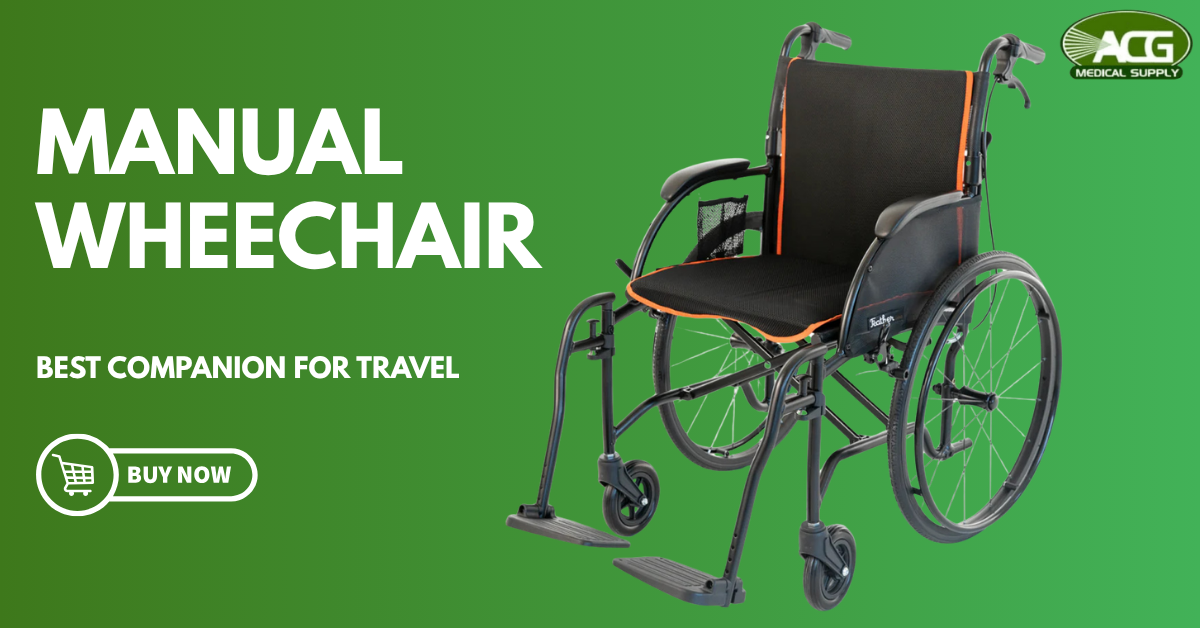
A manual wheelchair is basically the “acoustic guitar” of the mobility world. It’s light, it’s responsive, and it doesn’t need a power outlet to sing/move.

Manual Wheelchair Benefits

  • Zero Battery Anxiety: You never have to worry about being “stuck.” If you’ve got arms (or a helpful friend), you’ve got power.
  • The Workout Factor: For many, the manual wheelchair benefits include keeping the upper body toned. It’s a constant, low-impact gym session for your shoulders and core.
  • The “Trunk” Test: Most high-end ACG Wheelchairs in the manual category are incredibly easy to fold. You can usually pop them into a sedan’s trunk in under 30 seconds.

The Reality of the “Daily Grind”

On the flip side, manual wheelchair consequences are real work. Repetitive strain injury (RSI) in the shoulders is the most common complaint for long-term users. And let’s be honest—carpets, grass, and steep ramps feel like climbing Mount Everest after a few hours.

A Quick Note on Capacity: People often worry about durability. Today, manual wheelchair weight capacity has surged. While a standard lightweight frame supports around 250 lbs, heavy-duty bariatric models can now safely handle 450 to 700 lbs without feeling like a tank.

The Electric Wheelchair: The “All-Terrain” Independent

An electric wheelchair isn’t really a chair. It’s closer to a personal vehicle. You don’t choose it because you want an easier ride. You choose it because you want to arrive somewhere with enough energy left to be present in the moment.

Electric Wheelchair Benefits

  • Total Autonomy: This is the big one. If you have limited hand or arm strength, the joystick control is a game-changer.
  • Distance is No Object: You can travel miles on a single charge. Whether it’s a boardwalk or a large museum, your “range” expands significantly.
  • Advanced Ergonomics: Power chairs often feature “tilt-in-space” or “recline” functions. This isn’t just for luxury; it helps prevent pressure sores and improves circulation.

The “Consequences” of Going Electric

The most obvious electric wheelchair consequences are weight and logistics. You aren’t lifting a 200-lb power chair into a Honda Civic. You’ll likely need a van with a ramp or a specialised hitch lift. Then there’s the electric wheelchair battery life. You have to be diligent. If you forget to plug it in, your day is effectively cancelled.

Comparison Chart: Manual vs. Electric

FeatureManual WheelchairElectric Wheelchair
Drive SystemSelf-propelled or Attendant-
pushed
Motorized (Battery powered)
Average Weight15 – 45 lbs150 – 300+ lbs
Typical Range Limited by user stamina10 – 20 miles per charge
TransportabilityFits in most car trunksRequires van/lift/ramp
MaintenanceLow (Tires, brakes, bearings)High (Batteries, motors, wiring)
Best ForShort trips, indoor use, active
users
All-day use, outdoor travel, low
strength

Maintenance 101: Keeping the Wheels Turning

Maintenance isn’t optional. Not because something dramatic will happen right away, but because the chair slowly starts resisting you. And you don’t always realise why.

Manual Wheelchair Maintenance Tips

Quick-release axles clog up. Hair, lint, dust. The wheels still turn, just not well. So you work harder and blame your arms.
Tyres lose air. Slowly. You don’t notice until everything feels heavier than it used to. Check them once a month. That’s enough.

Power Wheelchair Maintenance Tips

For power chairs, the electric wheelchair battery life is your biggest priority.

Don’t “Deep Cycle”: Try to keep it above 20 per cent. Letting it drain completely, again and again, shortens its life faster than most people realise.

Charge Nightly: Even if you barely used it. Ten minutes still counts. Think of charging as routine, not a reaction to a low-battery warning.

Clean the Joystick: That little control is basically the brain of the chair. Dust, moisture, sticky fingers. None of that helps. A quick clean goes a long way.

So, Should I Get a Manual or an Electric Wheelchair?

The “right” answer usually reveals itself when you ask: What is my biggest obstacle?

  • If your obstacle is transportation (you travel a lot by car and have someone to help), a manual chair is a win.
  • If your obstacle is fatigue (you stay home because you’re too tired to move), you definitely need to look at an electric model.

Manual vs electric wheelchair prices are a factor, too. Manual chairs are cheaper. Most land is in the $300–$900 range. Electric wheelchairs cost more, sometimes a lot more. Entry- level models often start around $1,800 and don’t stop there. Cheap deals look good on a screen. Living with them is another thing.

Conclusion

Choosing a wheelchair is a very personal thing. It’s about more than just wheels; it’s about how you interact with your family, your job, and your community.
If you’re still on the fence, come chat with us at ACG Medical Supply. We can help you “test drive” a few options to see which one feels like a natural extension of your body. You can Browse our current selection at ACG Medical Supply Wheelchairs.

FAQs

  • Is a manual wheelchair better for long-term use?
    Only if strength and endurance stay consistent. Many users transition later.
  • How often do electric wheelchair batteries need replacement?
    Typically, every 1.5 to 3 years, depending on usage and care.
  • Are electric wheelchairs difficult indoors?
    Most modern models handle tight spaces well once adjusted.
  • Can I switch from manual to electric later?
    Yes, and many people do. The earlier you notice fatigue, the easier the transition.
  • Which wheelchair offers more independence?
    Independence depends on effort. Electric chairs reduce physical dependency.
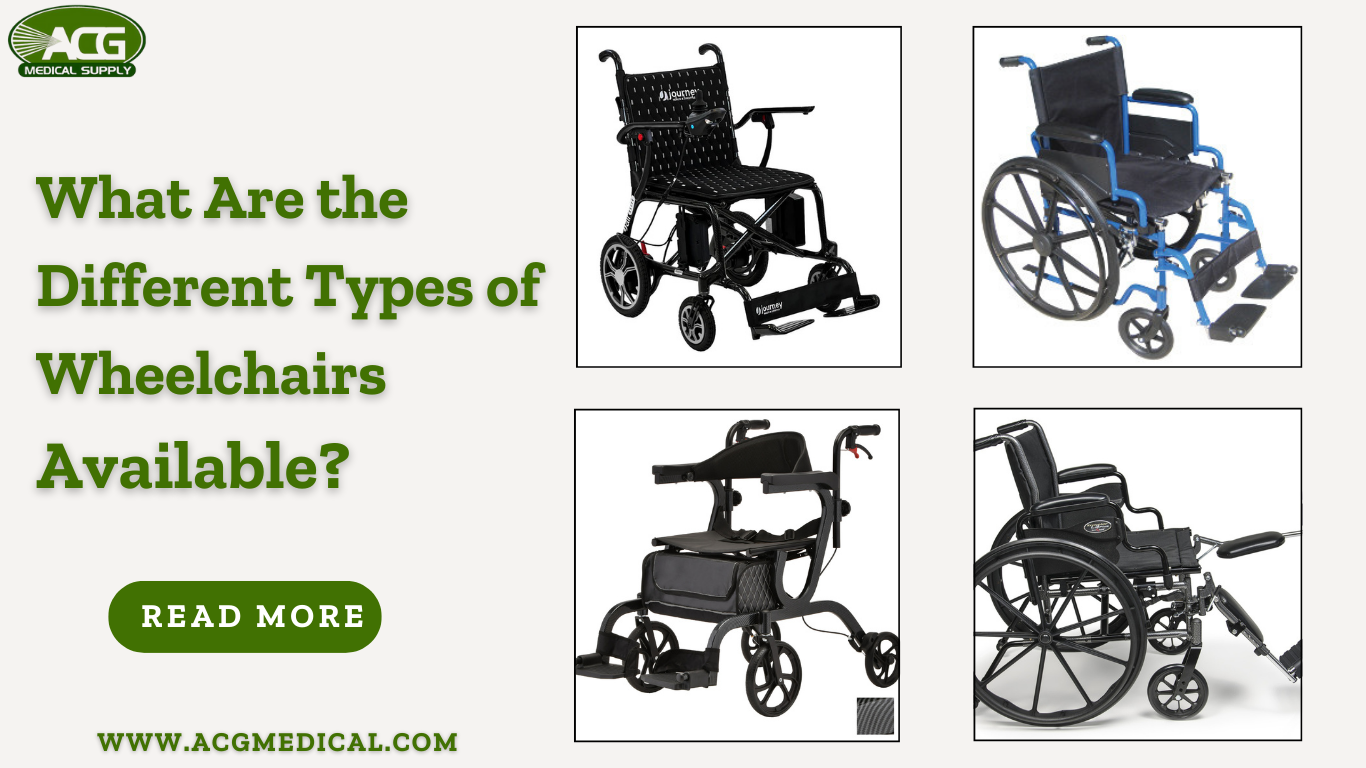
Types of wheelchairs available

What Are the Different Types of Wheelchairs Available?

Most people don’t set out to “learn about wheelchairs.” They end up here because something changed. Maybe walking got unpredictable for them. Balance feels off. Maybe their energy runs out faster than it used to. For a while, you work around it. Then one day, you realize you need answers, and the search goes from “just looking” to very specific, very fast.

And that’s where frustration kicks in. Everything online sounds the same. Clean lists. Neat categories. Words that feel copied and pasted. Real life is messier than that, so let’s talk about wheelchairs the way people actually encounter them, in small real moments, not brochures.

Manual Wheelchairs

Manual wheelchairs are familiar because they’ve been around forever. Two large rear wheels, push rims, brakes you learn to trust, and a frame that does exactly what you ask of it. Nothing more. They work well in controlled spaces. Homes. Clinics. Smooth floors. Short outdoor stretches. For users with upper-body strength, they offer a sense of control that powered chairs can’t quite replicate. You feel the movement. You decide the pace. But manual chairs demand energy. Over time, that effort adds up. Slopes feel longer. Rough ground feels unforgiving. For some people, that’s manageable. For others, it becomes the reason the chair stays unused more often than planned. As a medical wheelchair, it sits somewhere in the middle. Dependable and simple, but not the right fit for everyone, every day.

Electric and Power Wheelchairs

An electric wheelchair, also known as a power wheelchair, offers a distinctly different experience. Instead of pushing, you steer using a joystick or control panel. These chairs are built for people who need mobility support throughout the day and want to move independently without physical strain. They’re great indoors, but many models handle outdoor terrain surprisingly well, too. They’re heavier. They cost more. And yes, you need to remember to charge them. But for many users, the freedom is worth it. If you’re considering long daily use, have limited strength, or simply want smoother Movement, this type of mobility chair can be a game-changer.

Lightweight Wheelchairs

A lightweight wheelchair is exactly what it sounds like. Less bulk. Easier lifting. Less effort. These are often made with aluminum or similar materials and are popular with people who travel, drive frequently, or need something that folds without a wrestling match. They’re also easier for caregivers to handle. There is a downside. Lighter frames aren’t built for heavy use or higher weight limits. But for short-term needs or part-time use, they’re often a really practical middle option.

Transport Wheelchairs

A transport wheelchair resembles a standard manual chair, but with one significant difference. Smaller wheels in the back.
This type isn’t designed for self-propelling. It’s meant to be pushed by someone else. Think airport terminals, hospitals, shopping trips, or quick outings.
They’re compact, easy to fold, and fit nicely into car trunks. If the user won’t be moving Transport chairs, independently, make a lot of sense. But how do you choose the best one? Let’s dive into Essential Tips for Selecting the Right Transport Wheelchair.

Heavy-Duty Wheelchairs

A heavy-duty wheelchair is built for strength and stability. Wider seats. Reinforced frames. Higher weight capacity. These chairs are designed for users who need extra support without sacrificing safety. They’re commonly used as long-term medical wheelchair solutions and are built to last. They are heavier, yes. But they’re also more durable. And honestly, comfort and safety are usually more important than shaving off a few pounds.

Folding Wheelchairs

A folding wheelchair is all about flexibility. Fold it. Store it. Load it into a car. Open it again in seconds.
Most manual and lightweight chairs fold in some way, but some are designed specifically for frequent transport. If storage space or travel is a concern, this feature matters more than people expect.

Wheelchair Accessories

A chair rarely stays “just a chair.” Over time, people add wheelchair accessories to make daily life easier.

Some common ones include:

  • Cushions for pressure relief
  • Storage pouches and trays
  • Anti-tip bars
  • Weather covers

    These small add-ons can change comfort levels dramatically, especially for long-term users.

Quick Comparison Table

TypeBest ForKey BenefitThings to
Consider
Manual WheelchairShort to moderate daily
use
Simple, affordableRequires strength
Electric WheelchairFull-day independenceMinimal physical
effort
Needs charging
Lightweight
Wheelchair
Travel and transportEasy to liftLower weight
limits
Transport
Wheelchair
Assisted mobilityCompact and
portable
portable
Not self-powered
Heavy Duty
Wheelchair
Higher weight supportStability and
durability
Heavier frame
Folding WheelchairStorage and travelSpace-savingFewer custom
features

Choosing What Actually Works

Here’s where people get stuck. They focus on labels instead of daily habits.
Ask yourself:

  • How many hours a day will it be used?
  • Indoors, outdoors, or both?
  • Self-powered or assisted?
  • Will it be transported often?
    That sounds obvious. But it’s not. Many people buy the wrong chair simply because it “looked right.” At ACG Medical Supply, this is why selection matters. A well-matched ACG Wheelchair isn’t about features on paper. It’s about how it fits into real life, day after day.

Conclusion

There isn’t one perfect wheelchair. There’s only the right one for how someone actually lives.
Some people need independence. Some need support. Some need something that folds, fits, and disappears into the trunk without fuss. Understanding the different types makes that decision easier. And honestly, less stressful. Which matters more than people admit. Because mobility isn’t just about moving. It’s about feeling comfortable doing it.

FAQs

  • Which wheelchair is used most often?

Manual wheelchairs remain the most widely used due to their simplicity and accessibility.

  • Is an electric wheelchair suitable for indoor use?

Yes. Many electric wheelchairs are designed for tight indoor spaces and smooth navigation.

  • Are lightweight wheelchairs durable?

They are durable within their intended use. A lightweight wheelchair is best for moderate daily use and frequent transport.

  • What situations call for a transport wheelchair?

A transport wheelchair works well for appointments, travel, and any situation where Assistance is always available.

  • Can accessories be added later?

Yes. Most wheelchair accessories can be added over time as needs change.

Wheelchairs

Wheelchair Buying Guide for First-Time Users

Shopping for your first wheelchair can seem easy at first, but it gets overwhelming pretty fast. One moment you’re just looking, and the next you’re buried in different models, features, and prices. It’s enough to make anyone’s head spin. And then there’s the other part (the emotional bit) of coming to terms with the fact that you or someone close to you will be using a wheelchair. That’s no small thing. Feeling a little lost at the start? Yeah… most people do.

That’s why we put this guide together with no tech talk overload, no walls of confusing terms, just the key stuff you need to know so you can pick a wheelchair that’s comfortable, practical, and actually works for your life.

Understanding the different types of wheelchairs

There are hundreds of wheelchair models available in the market. All of them are built in different ways and for different needs: staying active, traveling light, getting more support, you name it. Knowing the differences now will make it much easier to choose one you’ll actually enjoy using. Let’s go through the main options.

Manual Wheelchairs

These are the chairs you’re probably the most familiar with. They are moved by pushing the rims yourself or with help from someone who can push the chair from behind. They’re lightweight wheelchairs, easy to fold, and pretty budget-friendly. Manual Wheelchairs are perfect if you’ve got some upper-body strength and like the idea of staying active. 

Bonus: they slide into most car trunks without a wrestling match.

Transport Wheelchairs

Think of Transport Wheelchairs (sometimes called companion wheelchairs) as the “ride-along” option. The smaller wheels aren’t just a design choice; they mean you won’t be propelling yourself. Instead, a friend, family member, or caregiver gets to do the pushing.

They fold up quickly. You can slide one into a car trunk, carry it up a step or two, or put it in a closet without much effort. Which ultimately makes them great for short trips, like a quick doctor’s visit, a stroll through the mall, or getting through the airport without having to carry the bulk of a heavier chair.

Electric and Power Wheelchairs

An Electric or Power Wheelchair is a great option if you can’t push a wheelchair on your own, or just want an easier way to get around. Power and Electric Wheelchairs are controlled with a joystick and work well in small spaces with tight turns or over longer distances. Yes, they’re heavier and need regular charging, but the trade-off is complete independence.

Finding your fit: a quick comparison

Wheelchair TypeWhat’s Great About ItWhat to Watch ForWho It’s Best For
Manual WheelchairsLight, affordable, low maintenanceNeeds physical effort to moveActive users, those with some strength
Electric WheelchairsEasy to use, great for longer distancesHeavier, requires chargingUsers with limited upper-body strength
Transport WheelchairsCompact and portableRequires someone to pushShort trips, travel
Companion WheelchairsComfortable for the user and the caregiverNot self-propelledThose needing assistance
Lightweight WheelchairsEasy to carry and transportMight be less ruggedTravelers and active users

Key factors to think about before purchasing your first wheelchair

Before falling for the first wheelchair you see, think about:

  • Your physical ability – Do you have the arm strength for manual? Or would a motorized option be a better long-term fit?
  • Where you’ll use it – Indoors only? Outdoors on uneven ground? Both? The terrain really matters.
  • How often you’ll transport it – If your chair is going in and out of a car several times a week, you’ll thank yourself for choosing something light and easy to fold.
  • Comfort – If you’ll be in the chair for long stretches, think beyond the basics. Cushions, lumbar support, and adjustable seating can make all the difference between “bearable” and “actually enjoyable.”
  • Budget – Prices range widely, but remember: this is something you’ll rely on daily. Quality and durability will pay for themselves over time.

Additional tips for buying your first wheelchair

  • Test drive it – Comfort and maneuverability aren’t obvious from a picture.
  • Measure twice – Seat width, depth, and height should fit you like your favorite pair of jeans—snug, but not restrictive.
  • Check your space – Will it glide through your doorways? Fold into your trunk without a wrestling match?
  • Always ask about aftercare – This includes information about repairs, warranties, and servicing. This information is worth knowing before something in your wheelchair breaks.

Conclusion

The right wheelchair should make your days easier. It should feel good to sit in, fit your routine, and go where you go, without making you think twice about it. Take your time. Try a few. Notice what feels right, and what doesn’t.

At ACG Medical Supply, we’ll help you land on a chair that works for you from the very beginning, so you can get on with living your life instead of fussing over your wheels.

FAQs

 Q1: Can I use a manual wheelchair if I don’t have much upper-body strength?
If pushing is hard, an electric or companion wheelchair will likely be more comfortable.

Q2: How long does a wheelchair usually last?
Most quality wheelchairs last 3–5 years.

Q3: Are power wheelchairs tricky to use?
Not really, most are intuitive and easy to control.

Q4: What if I have low upper-body strength?
An electric or companion wheelchair will probably suit you better than a manual

Manual Wheelchairs

Manual Wheelchairs: An Affordable Way to Keep Moving

Having limited mobility does not change who we are, but it definitely changes the way we move through the day. For people with limited mobility, getting from one place to another in their home, stepping out for a regular cup of coffee, or attending a family function isn’t just routine; it’s a really big challenge. And yet in those quiet battles, Manual Wheelchairs emerge as incredibly useful tools.

If you are recovering from any kind of surgery or you have an elderly person at home who has limited mobility, a Manual Wheelchair becomes more than just a piece of equipment (for you or for them). It’s your key to freedom, freedom to move around, to be part of the little moments that matter, and to go through each and every day with confidence as well as ease.

So, let’s take a look at how a manual wheelchair can make life a whole lot easier for you or someone you love.

Why Manual Wheelchairs Still Make So Much Sense

With everything these days running on batteries or screens, you might wonder: Why should you even bother with a manual wheelchair?

Because simplicity still works. No wires, no waiting for a charge, and no system error messages blinking at you at 2 a.m.

Manual Wheelchairs allow you to just move. No noise. No fuss. And more importantly, they respond to you. Do you want to turn, slow down, pick up speed, or stop? You’re in charge. You can self-propel or have someone assist you, but the rhythm of your day stays in your hands.

They’re ideal for:

  • People dealing with short or long-term mobility issues
  • Caregivers who want something easy to manage
  • Folks who like being in control, without all the tech fuss
  • Anyone who doesn’t want to wait on their wheels to “boot up”

So yes, in a world chasing the next upgrade, Manual Wheelchairs remind us that some things don’t need reinventing. They just need to be right.

Lightweight, Yet Life-lifting: The Convenience of Travel-friendly Options

Have you EVER tried lifting a traditional wheelchair into a car trunk? If yes, then you definitely know it’s not an easy task. You end up sweaty and frustrated. 

This is why Lightweight Manual Wheelchairs are such a gift. They’re designed to make your life (and your caregiver’s) a lot easier. Most of the manual wheelchairs fold up in seconds, and they are light enough to carry without turning the whole thing into a workout.

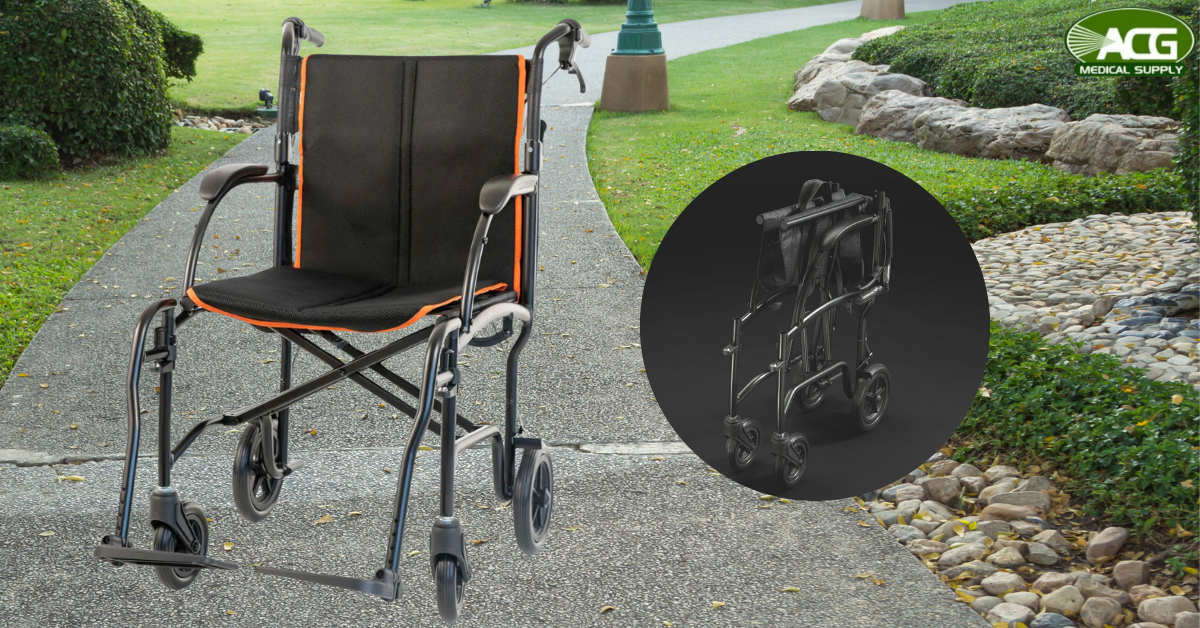
For example, the Featherweight Foldable Lightweight Wheelchair is a lifesaver. It’s so compact you could actually mistake it for a folded stroller. But when you open it up, it’s sturdy, comfortable, and surprisingly sleek. 

Here are a few more benefits of Lightweight Wheelchairs:

  • Easier on joints and hands
  • Less bulk, making them just right for small living spaces
  • Makes travel (even flying) really easy and stress-free
  • You don’t feel like you’re hauling furniture around

And despite being light, these wheelchairs are not flimsy. They are built to hold up.

Going Places? These Wheelchairs Are Up for It

You were not made to stay still and in one place. And neither should your chair. Below are two solid options that make it easy to get out and about:

1. The Journey Air Elite Manual Wheelchair

This one is sleek and lightweight (it only weighs 26lbs.) and strong. Think of it as the Tesla of Power Wheelchairs—quiet, clean, and intuitive. The Journey Air Elite Wheelchair folds in mere seconds and feels weightless when you are lifting it to put inside the car or storage. It’s perfect for short trips, visits to doctors, or long-awaited vacations.

2. The Featherweight Foldable Lightweight Wheelchair

It does what the name promises—and then some. It’s ideal for those who value both form as well as function. When folded, it barely takes up space, and when opened, it feels like freedom.

When you add some wheelchair accessories, like a soft back cushion, a side pouch for your essentials, or a clip-on tray for your tea or book, your wheelchair starts to feel less like a piece of equipment and more comfortable and familiar and just right for everyday life.

Why ACG Medical Supply Is Worth Bookmarking

With a whole lot of wheelchair vendors available, why should you choose ACG Medical Supply? The answer is really simple: we care about quality, affordability, and we make sure you get exactly what you need. Our range of manual wheelchairs includes the trusted Featherweight Foldable Lightweight Wheelchair as well as the Journey Air Elite Manual Wheelchair. We also offer important wheelchair accessories as well. At ACG Medical Supply, we believe everyone deserves access to mobility solutions that fit their needs.

Conclusion

A manual wheelchair may seem like a simple tool, but for people with mobility issues, it means so much more. It represents the freedom to get out of the house, meet up with a friend for coffee, or just enjoy a walk around the block without relying on someone else every time.

And with support from places like ACG Medical Supply, finding the right manual wheelchair doesn’t have to be hard. 

FAQs

Q1: Are Manual Wheelchairs difficult to use alone?

Not at all. A lot of manual wheelchairs are built so you can move yourself around with ease. And if that’s not an option for you, there are several models that make it easy for a family member or caregiver to help out.

Q2: What’s the benefit of lightweight models?

Lightweight Manual Wheelchairs are easy to transport, fold, and store. 

Q3: Is the Journey Air Elite Wheelchair suitable for travel?

Yes, it’s built for it! The Journey Air Elite Wheelchair is compact, light, and easier to load in cars.

Q4: Are manual wheelchairs customizable?

Yes, manual wheelchairs are very customizable. You can add several accessories like coccyx cushions, cane holders, arm trays, and cup holders to the wheelchair.

Q5: How to take care of a manual wheelchair? Taking care of a manual wheelchair is actually really simple. All you have to do is keep the wheels of the chair clean, check the tires for punctures or other issues as often as possible, and oil the moving parts if they get stuck or stiff.

Wheelchair Accessories

Top 7 Wheelchair Accessories for Added Comfort and Safety

Ever sat in one spot for too long and felt stiff, uncomfortable, or just plain tired? Now imagine that feeling magnified when you rely on a wheelchair daily. Small challenges, like carrying personal items, finding a smooth surface for eating, or staying protected from the sun, can make daily life harder than it needs to be. That’s why wheelchair accessories are more than just add-ons—they help wheelchair users stay comfortable, safe, and independent.

A soft seat cushion can prevent aches, a sturdy ramp can make doorways easier to access, and a storage bag can keep everything within reach. The right accessories make a wheelchair more practical and user-friendly. Here are seven must-have wheelchair accessories designed to improve comfort and safety.

1. Wheelchair Seat Cushions

Sitting for hours without proper support can lead to discomfort, stiffness, and pressure sores. A wheelchair seat cushion provides the extra padding needed for a smooth and comfortable experience.

  • Memory foam, gel, and air-filled options offer customized support.
  • Helps maintain good posture and relieves pressure points.
  • Reduces strain on the back and hips, making long hours easier.

A good seat cushion feels like sitting on a cloud instead of a hard surface. The right one can make a wheelchair feel just as cozy as a favorite chair.

2. Wheelchair Ramps

Getting over doorsteps, curbs, or small steps can be frustrating for wheelchair users. A wheelchair ramp makes it easier to move in and out of homes, buildings, and vehicles.

  • Portable ramps are lightweight and easy to carry.
  • Sturdy materials ensure smooth movement over obstacles.
  • Can be used at home, on the go, or in public places.

A ramp removes barriers and gives more independence, allowing wheelchair users to move around without extra help.

3. Wheelchair Tray

Eating, reading, or using a laptop in a wheelchair can be difficult without a stable surface. A wheelchair tray provides a secure and flat space for everyday tasks.

  • Easily attaches to the armrests and can be removed when not needed.
  • Some trays come with cup holders and small storage sections.
  • Makes it easier to enjoy meals, work, or hobbies from a wheelchair.

A good tray turns a wheelchair into a functional space, giving users more freedom to do what they love and making life just a little bit easier.

4. Wheelchair Bag

Carrying personal belongings while using a wheelchair can be a hassle. A wheelchair bag keeps important items close at hand.

  • Attaches securely to the back or side of the wheelchair.
  • Spacious enough for wallets, phones, medications, and books.
  • Designed for easy access, reducing the need to reach or bend awkwardly.

Instead of struggling with small pockets or carrying things on their lap, wheelchair users can store their essentials in a secure and accessible bag.

5. Wheelchair Canopy

Sunny days and unexpected rain showers can make going outside uncomfortable for wheelchair users. A wheelchair canopy offers the protection needed to stay dry and cool.

  • Shields against direct sunlight, preventing overheating.
  • Keeps rain away, allowing for outdoor trips in any season.
  • Folds down when not in use for easy storage.

A canopy adds an extra layer of comfort, making outdoor adventures worry-free.

6. Wheelchair Seat Belt

Moving around in a wheelchair can feel unstable at times, especially on uneven ground. A wheelchair seat belt provides the security needed to stay safe and comfortable.

  • Adjustable straps ensure a secure yet comfortable fit.
  • Prevents accidental slips and improves stability.
  • Especially useful for those with limited upper body strength.

A seat belt brings peace of mind, keeping movements secure without restricting comfort.

7. Anti-tip Wheels

A wheelchair tipping backward is a real danger, especially on slopes or rough terrain. Anti-tip wheels provide extra balance, making movement safer and more stable.

  • Helps maintain balance on slopes and uneven surfaces.
  • Simple to install and compatible with most wheelchairs.
  • Reduces the risk of accidents, making movement safer.

These small wheels add extra security, reducing the risk of falls and making wheelchair use safer.

Conclusion

A wheelchair should feel like an extension of your comfort zone, not just a mode of transport. Small changes, like adding a wheelchair seat cushion, a sturdy bag, or a canopy, can make everyday life easier and more enjoyable.

Each of these wheelchair accessories enhances comfort, convenience, and safety. Choosing the right ones can make a world of difference. A wheelchair should work for you, not the other way around!

At ACG Medical Supply, finding the best accessories is simple. Explore options designed to make mobility easier, safer, and more comfortable.

FAQs

1. What are the most important wheelchair accessories for comfort?

Seat cushions, canopies, and trays improve comfort by providing better support, protection, and convenience.

2. Do wheelchair accessories fit all wheelchairs?

Most accessories are made to fit standard wheelchairs, but sizes can vary. It’s always a good idea to check the product details or ask the seller before buying.

3. Are wheelchair ramps easy to carry around?

Yes, many wheelchair ramps are lightweight and foldable, which makes them easy to store and transport.

4. Do I really need a wheelchair seat belt?

A wheelchair seat belt helps keep you safe by preventing sudden slips or falls, especially when moving over bumps or slopes. It’s especially useful if you have limited upper body strength or move around often.

5. Where can I buy wheelchair supplies?ACG Medical Supply offers a variety of high-quality wheelchair accessories to improve comfort and safety for wheelchair users.

Wheelchair Cushions and Accessories

Upgrade Your Ride: Wheelchair Cushion and Accessories Guide

If you use a wheelchair, you know how important comfort and practicality are for making your daily experience as smooth as possible. What you might not know is how much the right wheelchair accessories, such as cushions or support pads, can completely transform your ride. If you’re a part-time user or rely on your wheelchair every day, upgrading with the right tools can make a world of difference. 

This guide is here to help you discover the essentials from ACG Medical Supply that will keep you comfortable, supported, and in control.

Why Bother Upgrading Your Wheelchair Accessories?

Let’s be honest—wheelchairs aren’t “one-size-fits-all” when it comes to comfort and usability and that’s where wheelchair accessories step in. They aren’t just extra gadgets; they can improve how you feel, move, and even take care of yourself. Here’s why upgrading matters:

Stay Comfortable All Day: A great cushion, like the Gel Foam Coccyx Wheelchair Cushion, can relieve pressure points and prevent soreness.

Take Care of Your Posture: You can add wheelchair posture support to keep your spine aligned, preventing long-term discomfort.

Make Life Easier: Other add-ons like cup holders or storage bags bring a level of convenience you didn’t know you needed.

Add a Personal Touch: Customizing your wheelchair can make it feel more like yours.

Choosing the Right Wheelchair Seat Cushions

The cushion you sit on every day has a bigger impact than you might think. It can make the difference between being comfortable or being in pain. Here’s a breakdown of the most common types of wheelchair seat cushions:

  • Gel Cushions: These are fantastic if you need help relieving pressure. The gel spreads out your weight evenly, reducing the chances of pressure sores. The Gel Foam Coccyx Wheelchair Cushion is a popular choice for this purpose.
  • Foam Cushions: A budget-friendly and lightweight option, these cushions provide good basic support.
  • Memory Foam Cushions for Wheelchairs: These conform to your body shape, providing customized comfort and support. They’re perfect for long hours of sitting.
  • Hybrid Cushions: Want the best of everything? Hybrid cushions mix materials like foam and gel to give you excellent support and pressure relief.

Game-Changing Wheelchair Accessories You Should Consider

Cushions are just the start. Wheelchair accessories can genuinely change how you use your chair. Here are some that are worth a closer look:

  • Wheelchair Back Support improves your posture and reduces back pain with a supportive backrest designed to align your spine.
  • Wheelchair Armrest Pads provide extra cushioning to your armrests for greater comfort, especially during long periods of use.
  • Wheelchair Bags eliminate the hassle of carrying items by attaching directly to your chair, making them perfect for holding personal belongings or groceries.
  • Lap Trays make it easy to eat, work, or enjoy a hobby, offering a convenient surface whenever needed.
  • Safety Lights keep you visible and safe, especially when spending time outdoors at night.

How to Pick the Right Upgrades for You

It’s easy to get overwhelmed with choices, but don’t worry—here’s how to find the best fit for your needs:

1. Think About Your Lifestyle

Take a moment to consider your daily routine. Do you often travel outdoors or sit for long hours? Accessories like wheelchair bags or posture support can enhance your experience.

2. Double-Check Compatibility

Not all cushions or accessories fit every wheelchair. For example, a Gel Foam Coccyx Wheelchair Cushion might suit one model but not another. Always ensure your choice matches your wheelchair’s design.

3. Look for Quality Materials

Durability matters when choosing accessories. For instance, memory foam cushions for wheelchairs provide long-lasting comfort, unlike cheaper options that may wear out or lose shape quickly.

4. Test for Comfort

Whenever possible, try accessories before purchasing. Sitting on a memory foam cushion or testing armrest pads in-store can help you find the best fit for all-day comfort.

5. Ask for Advice

Don’t hesitate to seek expert guidance. A medical supplier or therapist can recommend the perfect wheelchair back support or cushion tailored to your unique needs and lifestyle.

Where to Shop for the Best Wheelchair Accessories

Finding the perfect wheelchair cushions and pads doesn’t have to be a hassle. At ACG Medical Supply, we offer a variety of top-notch wheelchair products, including wheelchair seat cushions, wheelchair back support, and wheelchair armrest pads. Our collection is designed to make your life easier, more comfortable, and more convenient.

Conclusion

Upgrading your wheelchair with the right cushions and accessories isn’t just about adding extras; it’s about improving how you live every day. Small changes, like using a wheelchair cushion or adding wheelchair posture support, can make a big difference when it comes to comfort, mobility, and independence.  Ready to upgrade your ride? Head over to ACG Medical Supply today and find the perfect tools to keep you rolling smoothly. You deserve it!

Transport Wheelchairs And Companion Chairs

Essential Tips for Selecting the Right Transport Wheelchair

When mobility becomes a challenge, finding the right Transport Wheelchair can transform everyday life for both the user and their caregiver. Lightweight, easy to maneuver, and practical for short-term use, these wheelchairs are life-altering for many. 

But how do you choose the best one? Let’s dive into some essential tips that make selecting the right wheelchair an informed and enjoyable process.

Understanding the Basics of Transport Wheelchairs

Before exploring tips, let’s clarify what a Transport Wheelchair is and how it differs from a standard wheelchair. Unlike standard wheelchairs, which are designed for self-propulsion, transport wheelchairs (also called Companion Wheelchairs) are lightweight and built for someone else to push. Their compact size and foldable design make them ideal for travel and tight spaces.

Comparing Transport and Standard Wheelchairs

Understanding the difference between a transport wheelchair and a standard wheelchair is important.  While standard wheelchairs, with self-propelling wheels, prioritize independence, transport models focus on caregiver assistance and portability. If independence is not a priority, the lightweight and compact nature of transport wheelchairs makes them a better choice.

Key Factors to Consider Selecting the Right Transport Wheelchair

1. Purpose and Usage

Determine where and how often the wheelchair will be used. Is it for short trips, medical appointments, or vacations? For occasional use, a Foldable Transport Wheelchair offers the perfect balance of convenience and portability.

2. Weight and Portability

Look for Lightweight Wheelchairs that are easy to lift and transport. A foldable transport wheelchair makes storage and portability even easier, as it can be compacted for hassle-free handling. Whether you’re traveling or simply storing it at home, a lightweight, foldable design offers maximum convenience.

3. Comfort Features

Look for padded armrests, adjustable footrests, and ergonomic seating. These features ensure the user stays comfortable during longer outings.

4. Ease of Use

When choosing a Transport Wheelchair, prioritize ease of use. Look for models that are easy to maneuver and offer smooth handling for caregivers. A secure locking mechanism is also important to keep the wheelchair stationary when needed, ensuring safety and stability for the user.

5. Durability:

Opt for a high-quality wheelchair constructed with sturdy materials. Durable designs ensure that the wheelchair can withstand daily use without compromising on safety or performance. Investing in a reliable model means fewer repairs and replacements over time, making it a cost-effective choice.

6. Accessories:

Enhance the user’s experience by considering practical add-ons. Features like cup holders allow for hydration on the go, storage pouches provide space for personal items, and leg rests improve overall comfort. These small touches can significantly elevate the functionality and user-friendliness of the wheelchair.

Benefits of Owning a Transport Wheelchair

Still on the fence about getting a Companion Wheelchair? Here are some compelling reasons:

  • Convenience: Ideal for caregivers, with effortless pushing and compact storage.
  • Versatility: Perfect for both indoor and outdoor use.
  • Affordability: Often more budget-friendly than standard wheelchairs.
  • Travel-Friendly: Lightweight and foldable, making them easy to transport by car or plane.

Practical Tips for First-Time Buyers

  • Test Before You Buy: Before buying try different wheelchair models. This helps ensure the wheelchair fits your needs and comfort preferences.
  • Consult a Professional: Seek advice from healthcare providers or mobility specialists to determine the best option for your specific requirements.
  • Check Weight Capacity: Ensure the wheelchair’s weight capacity aligns with the user’s needs.

Maintaining Your Transport Wheelchair

Proper maintenance is essential to ensure the longevity of your wheelchair:

  • Clean Regularly: Wipe down the frame and seat to prevent dirt buildup.
  • Inspect Wheels and Brakes: Check for wear and tear to maintain safety.
  • Store Properly: Keep the wheelchair in a dry place to prevent rust and damage.

Why Choose ACG Medical Supply?

When it comes to trusted brands and top-notch service, ACG Medical Supply is a go-to destination. We offer a wide range of Mobility Wheelchairs, including Companion Wheelchairs and other mobility solutions. Our expert team is always ready to guide you through the selection process, ensuring you find the perfect fit.

Conclusion

Selecting the perfect Transport Wheelchair is an important step toward improving mobility and ensuring a comfortable experience for both the user and caregiver. With thoughtful consideration of features like portability, durability, and maneuverability, you can find a wheelchair that suits your specific needs. Whether you’re planning for short trips or seeking a reliable mobility aid for daily use, the right choice can greatly enhance quality of life. Explore trusted models like the Everest & Jennings Bariatric Transport Wheelchair at ACG Medical Supply and make every journey more accessible and enjoyable.

Electric Mobility Wheelchairs

Why Electric Wheelchairs Are Better Than Manual Options

In a world where mobility is a cornerstone of independence, choosing the right wheelchair can make all the difference. For many, the decision boils down to two options: manual or electric. While manual wheelchairs have their place, electric wheelchairs from trusted providers like ACG Medical Supply are increasingly becoming the go-to choice for those seeking convenience, functionality, and enhanced mobility. Let’s explore why power wheelchairs stand out as a superior solution.

Understanding the Basics: Manual vs. Electric Wheelchairs

Before diving into the advantages, it’s crucial to understand the primary differences between manual and electric wheelchairs:

  • Manual Wheelchairs: These require the user to propel themselves or rely on a caregiver for movement. They’re lightweight and cost-effective but demand significant upper-body strength and stamina.
  • Electric Wheelchairs: Also known as power wheelchairs, these are battery-operated and equipped with a joystick or control panel, offering effortless mobility.

Why Choose Electric Wheelchairs?

Here are compelling reasons why electric wheelchairs outshine their manual counterparts:

1. Ease of Use

Manual wheelchairs can be physically demanding, especially for long-term use. In contrast, electric wheelchairs are designed for effortless operation:

  •  Electric wheelchairs are equipped with intuitive controls, such as joysticks or touchpads, allowing users to move smoothly in any direction without straining their arms or shoulders.
  • These wheelchairs are particularly beneficial for individuals who find it difficult to propel a manual wheelchair due to medical conditions like arthritis, muscular dystrophy, or other mobility impairments.

In short, electric wheelchairs empower users to move independently and comfortably, with minimal physical effort.

2. Enhanced Comfort

Modern electric wheelchairs prioritize user comfort with features like:

  • Adjustable seats and footrests.
  • Padded seating for long hours of use.
  • Smooth rides over uneven terrain, minimizing jolts and discomfort.

3. Greater Independence

Regaining or maintaining independence is life-changing. Power wheelchairs empower users to:

  • Move freely without assistance.
  • Travel longer distances, whether indoors or outdoors.
  • Customize speed settings to suit personal preferences.

4. Versatility and Variety

ACG Medical Supply offers an impressive range of mobility solutions, including:

  • Heavy-duty power chairs for bariatric users.
  • Lightweight wheelchairs for easy transportation.
  • Portable power wheelchairs for travel enthusiasts.

This variety ensures there’s a perfect match for every user’s needs.

5. Advanced Technology

The integration of technology is a game-changer in mobility solutions:

  • Battery-powered operation for extended use.
  • Smart features like anti-tilt wheels and obstacle sensors.
  • Customizable controls for a seamless user experience.

Key Benefits of Electric Wheelchairs

Electric wheelchairs don’t just offer convenience; they elevate the overall quality of life. Here are some additional benefits:

  • Time-saving: Cover more ground in less time compared to manual wheelchairs.
  • Energy-efficient: Conserve energy for other activities rather than exerting it on mobility.
  • Improved safety: Enhanced stability reduces the risk of tipping over, particularly on uneven surfaces.
  • Suitable for all ages: Whether for elderly individuals or younger users with mobility challenges, electric wheelchairs cater to diverse age groups.

Choosing the Right Electric Wheelchair

When selecting an electric wheelchair, consider these factors:

  1. Purpose: Are you looking for everyday use or specific activities like travel? Portable power wheelchairs are great for on-the-go users.
  2. Weight capacity: Opt for heavy-duty power chairs if you need additional support.
  3. Terrain: Choose models with advanced suspension for outdoor use.
  4. Battery life: Ensure the wheelchair meets your daily usage requirements without frequent recharges.
  5. Customization options: Features like adjustable seating and controls enhance user comfort.

Tips for Maintaining Your Electric Wheelchair

To keep your electric wheelchair in optimal condition:

  • Charge the battery regularly and avoid letting it completely deplete.
  • Clean the wheelchair to remove dirt and debris.
  • Schedule periodic maintenance checks with reliable providers.
  • Inspect tires, brakes, and controls for wear and tear.

Final Thoughts

Electric wheelchairs have revolutionized the world of mobility solutions, offering unmatched convenience, comfort, and independence. Whether you’re seeking a reliable daily companion or a travel-friendly option, ACG Medical Supply has a wide array of choices, from lightweight wheelchairs to heavy-duty power chairs. By investing in an electric wheelchair, you’re not just purchasing a mobility aid—you’re unlocking a new chapter of freedom and possibilities. If you’re ready to enhance your mobility journey, explore the range of mobility wheelchairs at ACG Medical Supply today. Your next step toward independence is just a click away!

Wheelchairs vs Walkers

Choosing Between Wheelchairs and Rollators: What’s Best for You?

Life is a journey, and sometimes we need a little extra help along the way. Whether it’s recovering from an injury, managing a condition, or simply aging gracefully, choosing the right mobility aid can make all the difference. Wheelchairs and Walkers offer unique benefits that cater to different needs, but how do you know which one is right for you? In this guide, we’ll walk you through the key differences, helping you make a confident choice that supports your lifestyle and keeps you moving with ease.

Wheelchairs: A Steady Partner on Your Path

Wheelchairs have long been a trusted ally for those who need assistance with mobility. They are available in various types, each designed to cater to different needs.

Manual Wheelchairs: Classic and Reliable

Manual wheelchairs are the go-to choice for many. They require physical effort to move, either by the user or a caregiver, making them suitable for those with sufficient upper body strength. What makes manual wheelchairs appealing is their simplicity and reliability. They are typically lightweight, easy to fold, and convenient for travel.

Imagine yourself in a manual wheelchair, smoothly navigating through your favorite park or effortlessly moving around your home. It’s a dependable companion that keeps you on the go without compromising on comfort.

Electric Wheelchairs: Independence at Your Fingertips

Now, if you’re someone who values independence and prefers a little help with mobility, electric wheelchairs could be your ideal match. These motorized marvels offer the freedom to move with minimal physical exertion. Picture yourself gliding effortlessly through city streets or maneuvering around tight corners at home.

Electric wheelchairs, including transport power wheelchairs, are especially beneficial for those who might struggle with upper body strength. You can control your movements with just a flick of a switch, making every trip smooth and enjoyable.

Rollators: Walking with Confidence and Comfort

For those who still enjoy walking but need a little extra support, rollators are the perfect blend of a walker and a mobility aid. They offer stability while allowing you to stay active.

Benefits of Walkers

Rollators are particularly useful for seniors and those recovering from surgery or injury. They are designed to provide balance and stability, helping users walk longer distances with ease. The bariatric 4-wheeled rolling rollator walker is an example of a robust and durable rollator designed to support heavier individuals while providing comfort and ease of use.

Walkers for seniors often include features such as a built-in seat, allowing users to rest when needed. Some models also come with a storage compartment, making it convenient to carry personal items. The wheels on rollators can range from small to large, with larger wheels offering better navigation on uneven terrain.

Wheelchairs vs. Walkers: Which One Is Right for You?

Deciding between a wheelchair and a rollator comes down to your specific mobility needs and lifestyle. Here are some key considerations to help you choose between wheelchairs vs Walkers:

1. Mobility Level

  • Wheelchairs are ideal for those who need full-time support or cannot walk independently.
  • Rollators and mobility walkers are best suited if you can walk but need help with balance and stability.

2. Independence

  • Wheelchairs (manual and electric) offer varying levels of control and independence, depending on your upper body strength and preference for physical effort.
  • Walkers provide support while walking and keep you completely independent.

3. Lifestyle and Environment

  • Wheelchairs are versatile for both indoor and outdoor use, adaptable to different terrains and situations.
  • Walkers work well in environments where you need support but can still walk, such as smooth pavements or indoor spaces.

4. Portability

  • Wheelchairs can range from lightweight and foldable manual models to bulkier electric versions designed with ease of transport in mind.
  • Walkers are generally easy to fold and store, making them perfect for trips and outings.

Taking the Next Step

Choosing the right mobility aid isn’t just about meeting a need; it’s about enhancing your quality of life. Whether you’re drawn to the reliability of a manual wheelchair, the independence offered by an electric wheelchair, or the balance and ease of a rollator, the decision is personal and should align with your lifestyle.

Before making your final decision, consider your daily activities, your environment, and how much assistance you require. Consulting with a healthcare professional can provide additional guidance tailored to your needs.

If you’re ready to explore your options, ACG Medical Supply has a wide range of mobility aids to choose from. From manual wheelchairs to the latest bariatric 4-wheeled rolling rollator walkers, you’ll find the perfect companion to keep you moving forward with confidence. Your journey doesn’t have to be traveled alone; with the right support, every step or wheel turn can be an empowering stride towards independence and freedom.

FEATHER TRANSPORT CHAIR

5 Key Advantages of the Feather Travel Wheelchair over Others

When it comes to mobility solutions, finding a wheelchair that combines comfort, convenience, and practicality can be challenging. Many options exist, but one truly stands out: the FEATHER Travel Wheelchair. Available at ACG Medical Supply, this ultra-light wheelchair offers a perfect blend of style, reliability, and ease of use. Ideal for those who value both function and form, the FEATHER Travel Wheelchair shines brightly in a crowded market. 

Here are five key advantages or reasons that make it the go-to choice over other transport wheelchairs.

1. Unmatched lightweight design

One of the best selling points of the FEATHER Transport Wheelchair is how incredibly light it is. Weighing in at just 13 lbs, it holds the title of the lightest transport wheelchair available. This feature is particularly beneficial for users who frequently travel or need to transport the chair in and out of vehicles. Its lightweight design not only makes it super easy to handle but also takes the pressure off caregivers who have to lift and transport it.

Why weight matters

  • Ease of transport: A lightweight wheelchair is easier to lift, fold, and store, making it ideal for those on the go.
  • Reduced strain: Less weight means less effort required by caregivers, reducing the risk of injury.
  • Enhanced mobility: Users can navigate more freely without feeling weighed down.

2. Superior portability

Portability is an important factor when selecting a lightweight wheelchair, and the FEATHER Travel Wheelchair excels in this area. Its foldable design allows for effortless storage in small spaces, such as car trunks, closets, or airplane overhead compartments. This feature makes it an excellent companion for frequent travelers and those who lead active lifestyles.

Key portable features

  • Compact folding: The chair folds down to a compact size of 29×24 inches, making it easy to store and transport.
  • Lightweight frame: The frame contributes to its portability without compromising strength and durability.

If you often find yourself searching for a medical supply store near me to find the perfect wheelchair, we have the answer for you. ACG Medical Supply’s wheelchairs offer superior portability, which means you can easily take it with you wherever you go.

3. Exceptional comfort

Comfort is most important when it comes to mobility aids, and the FEATHER Travel Wheelchair doesn’t disappoint. It boasts an ergonomic design that provides excellent support and comfort for extended periods of use. The padded seat, cushioned armrests, and backrest ensure that users can sit comfortably, whether they are out for a short errand or a longer outing.

Comfort features

  • Padded seat and backrest: Soft padding provides extra comfort and support.
  • Adjustable footrests: Customizable footrests cater to the user’s specific needs.
  • Breathable fabric: The chair’s material is designed to prevent overheating and discomfort.

4. Robust durability

Despite its lightweight build, the FEATHER Travel Wheelchair is incredibly durable. Made with high-quality materials, it is designed to withstand daily use while maintaining its structural integrity. This perfect mix of lightness and strength sets it apart from other lightweight wheelchairs that might compromise on durability.

Durability highlights

  • High-quality materials: Built with robust aluminum and sturdy components.
  • Reliable construction: Designed to withstand the rigors of daily use.
  • Long-lasting performance: Maintains its performance and appearance over time.

5. Versatility for various needs

Another standout feature of the FEATHER Ultra Light Wheelchair is its impressive versatility. Designed to adapt to various environments and user needs, this wheelchair excels in both indoor and outdoor settings. Whether navigating narrow hallways or uneven sidewalks, the FEATHER Transport Wheelchair ensures a smooth and comfortable ride.

Versatility highlights

  • Indoor and outdoor use: Perfectly suited for both home and outside use, offering reliable performance in different environments.
  • Easy to maneuver: Its compact size and excellent turning radius make it easy to navigate tight spaces.
  • Adjustable components: With adjustable footrests and armrests, users can customize the chair for optimal comfort and support.

Conclusion

The FEATHER Travel Wheelchair is a game-changer in the realm of mobility solutions. Its combination of lightweight design, superior portability, exceptional comfort, robust durability, and stylish appearance makes it a standout choice for anyone in need of a reliable transport wheelchair. Whether you’re searching for an ultra-light wheelchair or simply looking for the best mobility solutions, the FEATHER Travel Wheelchair is a top contender. For those interested in purchasing, ACG Medical Supply offers the FEATHER Transport Wheelchair, ensuring you get a high-quality product backed by excellent customer service. Embrace the freedom and convenience this chair offers and enhance your mobility experience today.

Search Articles

Medical Tips in Your Inbox

Get expert recovery advice, equipment guides, and caregiver tips — delivered weekly. No spam, unsubscribe anytime.

Need equipment today?

Same-day or next-day delivery in the DFW area. Call us now for immediate assistance.