Bringing a loved one home after a hospital stay feels good, but there’s often a long list of things to sort out before they’re settled in. Even the bed can become an issue. A regular one might be too low, difficult to get in and out of, or uncomfortable for someone recovering from surgery or dealing with limited mobility.
A home hospital bed setup can make things easier for the person recovering and the family member helping with their care. Along with the bed itself, you’ll need to think about the room, mattress, controls, and a few basic safety details.
Figuring Out If a Hospital Bed Rental Makes Sense
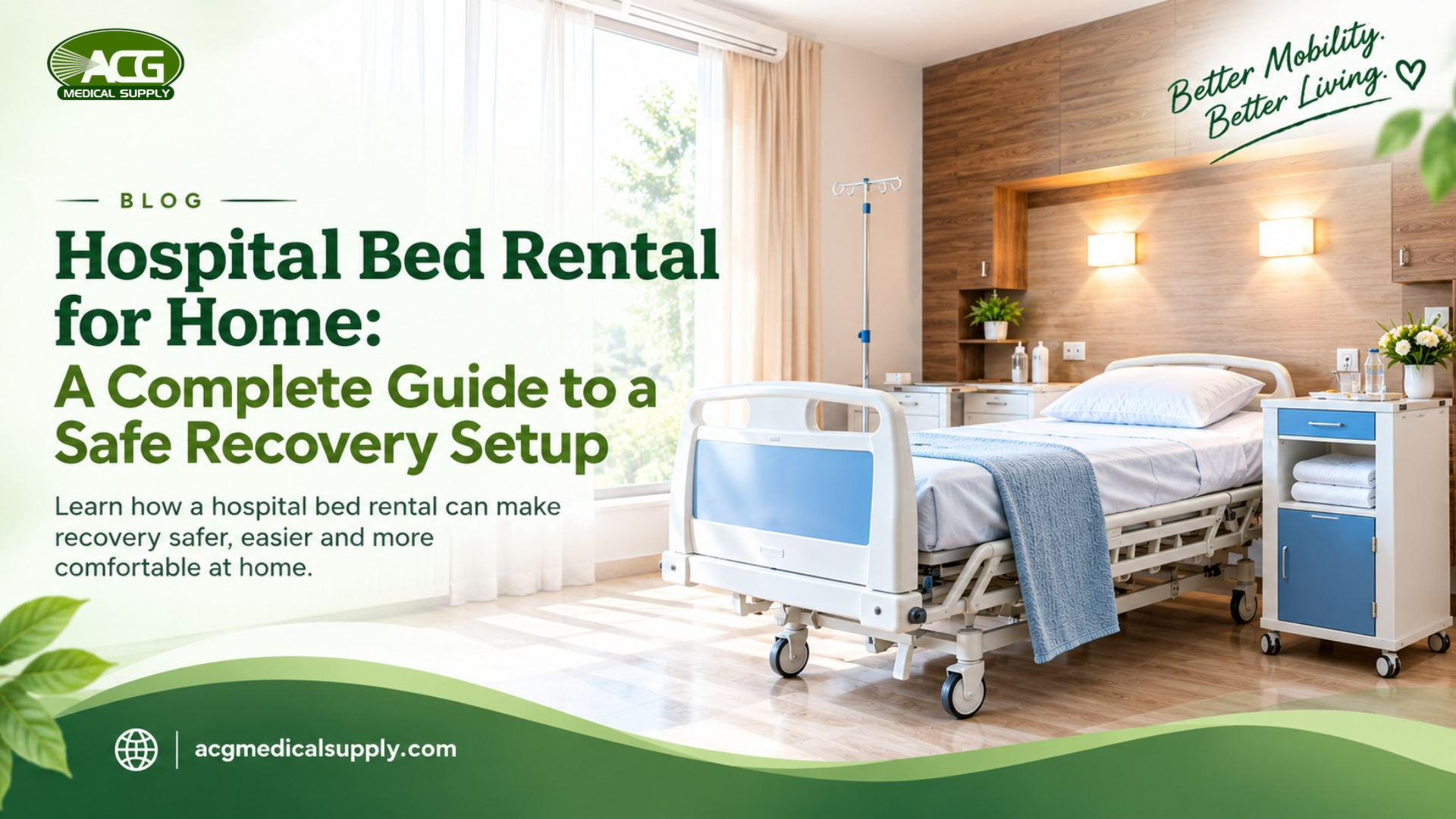
Buying a hospital bed is a big expense when you only need it for a few weeks. Once recovery is over, there’s also the question of what to do with it. A hospital bed rental for home use avoids that problem. The bed arrives when you need it and goes back when you’re done with it.
Renting can be useful after surgery, an injury, or a change in mobility that makes getting in and out of a regular bed difficult. ACG Medical Supply’s Basic Recovery Package costs $350 for 1 to 30 days. That price includes delivery, setup, a safety inspection, and pickup at the end of the rental. For a short-term hospital bed rental, knowing the cost upfront makes budgeting simpler. Longer rentals are billed monthly.
Before booking a hospital bed rental, ask what’s included. Delivery and setup might be covered, but mattress options and instructions can vary between providers.
Why an adjustable hospital bed for home helps
After surgery or when movement is limited, even finding a comfortable sleeping position can be a struggle. An adjustable hospital bed for home lets you raise the head, bend the knee section, or change the bed’s height, depending on the model. That can make sitting up for meals, getting into bed, and helping someone with daily care less awkward.
The right settings depend on the person’s condition and the instructions they received at discharge. If you’re not sure how the bed should be positioned, check with their healthcare team before making adjustments.
Measure the room and check standard hospital bed dimensions
Grab a tape measure before delivery gets booked. Hospital beds need more room than expected, mostly because a caregiver needs access to at least one side. Standard hospital bed dimensions differ between models, so it’s worth checking the exact bed being delivered. The bed in the Basic Recovery Package measures up like this:
| Feature | Basic Recovery Package |
| Price | $350 for 1 to 30 days |
| Sleeping surface | 80 inches long by 36 inches wide |
| Overall dimensions | 86 inches long by 36 inches wide |
| Adjustable deck height | 18 to 23 inches |
| Weight capacity | 450 lb |
| Mattress | New 6-inch therapeutic foam |
| Controls | Hand pendant |
| Adjustments | Electric head, knee and bed height |
Clear the route from the front door to the room, measure doorways and tight turns, pick up loose rugs, and leave space for a walker or wheelchair, always.
Home hospital bed safety starts with small details
Home hospital bed safety starts with the frame. Lock the casters once the bed is in place, make sure the mattress fits the frame, and keep the bed low when the person is resting or about to stand. Keep the hand control within reach, clear the clutter, and check the cord now and then. Damaged equipment gets reported for repair, never fixed at home.
Side rails deserve extra thought. They give a handhold for rolling over, but they don’t stop falls on their own. The US Food and Drug Administration has warned that people can get trapped between a rail and the mattress, or hurt climbing over one. Rails should suit the individual and match the bed and mattress.
Learning how to operate a hospital bed
The remote looks simple until you press a button and it moves the wrong end of the bed. Learning how to operate a hospital bed takes a few minutes, so do it while the delivery technician is still in the room. Press every button once with the patient lying down. Find out how to stop the bed if one sticks, and keep hands, feet, and bedding away from the moving sections. If the patient has weak hands or memory trouble, a caregiver should run the controls.
Finding the right hospital bed positioning
There’s no one setting that suits everybody. Hospital bed positioning depends on the person’s condition and the discharge notes, so the healthcare team has the final say. Raising the head tends to help at meals. Long days in bed also call for position changes and regular skin checks, since pressure builds up where the body stays put. Redness that won’t fade should go to the nurse.
When a full electric hospital bed rental makes sense
Turning a hand crank several times a day can get tiring, especially when a caregiver is already helping with other tasks. A full electric hospital bed rental lets you adjust the bed using a remote, which can be useful when the patient needs to change positions often for meals, medication, or rest.
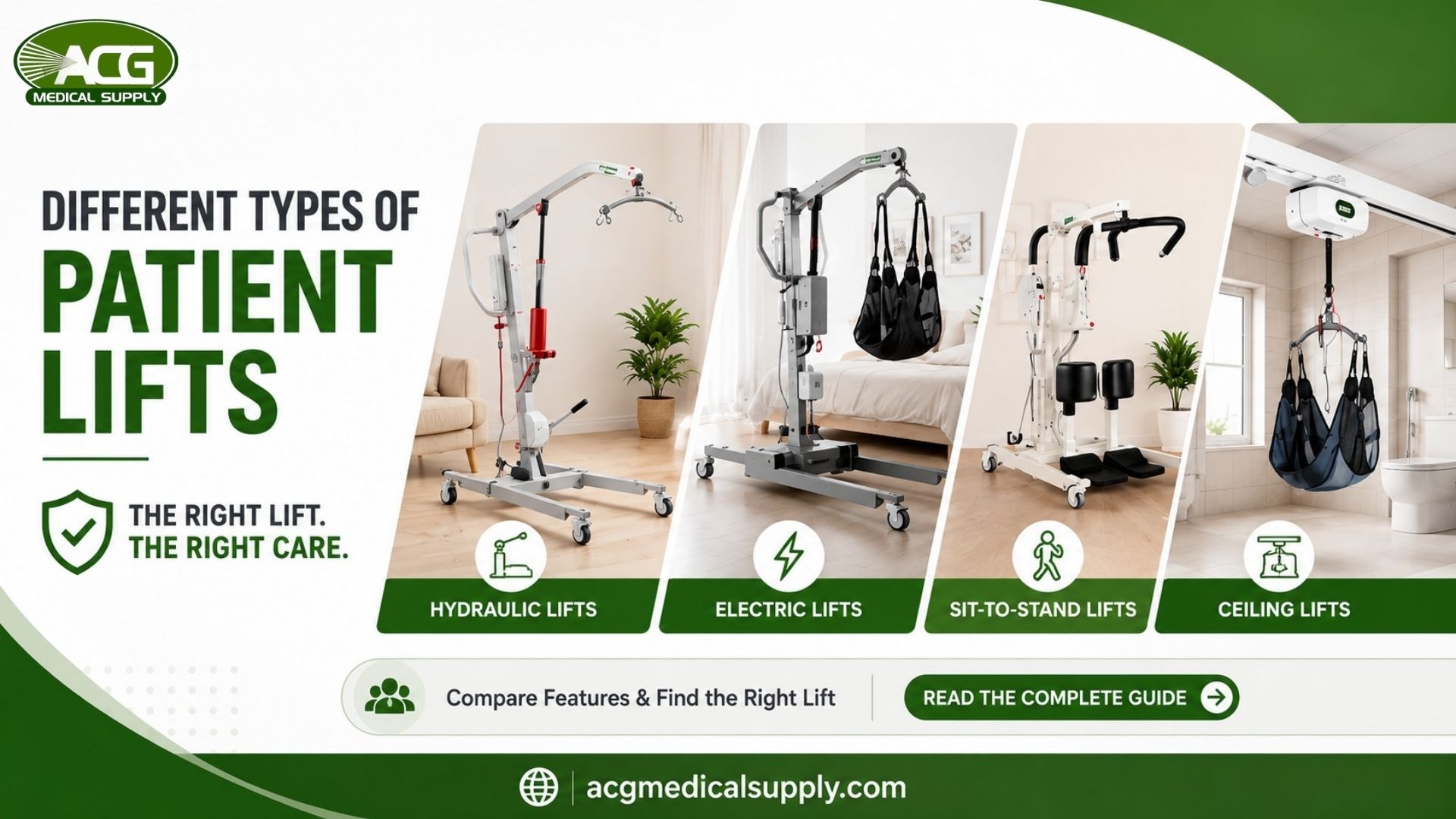
Electric models usually cost more than manual beds, so consider whether the extra convenience is worth it. Patients who can use the remote safely may be able to adjust their own position. Getting out of bed is another matter, though. For transfers to a wheelchair, follow the technique taught by the rehab team, including locking the brakes and moving the footrests aside. If the patient can’t bear weight, a patient lift or help from another caregiver may be necessary.
Accessories that make daily life easier
Most of a day in bed happens at arm’s length, which is where an overbed table for hospital bed use earns its place. It rolls over the lap for meals and a phone. Pick a sturdy one that adjusts in height, and nudge it aside before any transfer.
A walker or bedside commode may be worth having too, depending on the patient and how far away the bathroom is. The care team can say which. Leave a clear patch of floor either way, since a crowded bedside gets in everyone’s way.
What the Basic Recovery Package includes
The package covers a full-electric homestyle bed, a new 6-inch therapeutic foam mattress, one set of half rails, delivery and setup, an in-home safety inspection, operating instructions, and pickup at the end. A walker and bedside commode can be added for $100, and the family keeps them.
A recovery room doesn’t need to fill up with equipment. A well-measured space and a caregiver who knows the controls cover most of it, and the package from ACG Medical Supply takes care of the delivery, setup, and pickup.
Frequently asked questions
Only one that fits the frame and rails, as the manufacturer specifies.
Rentals are direct pay, and an itemized receipt is available for reimbursement.
No, it isn’t part of the package.
Yes, the $350 rate covers 1 to 30 days.
No, delivery runs on weekdays.