David

Manual Wheelchair

7 Expert Tips to Pick the Perfect Manual Wheelchair

Choosing a manual wheelchair isn’t just about picking a mobility aid—it’s about finding something that fits your lifestyle, keeps you comfortable, and supports your independence. With so many options available, it can feel overwhelming. But don’t worry—we’re here to help!

This guide will walk you through seven simple, practical tips to help you find a wheelchair that’s just right for you. Whether you’re looking at lightweight wheelchairs, folding travel wheelchairs, or a more specialized option like the Traveler HD Wheelchair, we’ll make the decision easier for you.

1. Think About Your Lifestyle

Start by asking yourself what you need from a wheelchair:

  • Will you use it indoors, outdoors, or both?
  • Do you need a lightweight option to move around easily?
  • Is it for occasional use, or will it be part of your daily life?

For those always on the go, folding travel wheelchairs and transport wheelchairs are fantastic. They’re easy to fold, store, and carry—perfect for travel or quick trips out.

2. Consider Weight and Portability

If you plan to take your wheelchair in and out of a car or carry it up stairs, weight matters! Lightweight wheelchairs are easy to lift and handle, but they don’t compromise on strength.

For frequent travelers, the Traveler HD Wheelchair is an excellent choice. It’s durable yet portable, making it a favorite for anyone who’s always on the move.

3. Make Comfort a Priority

Comfort is everything, especially if you’ll be sitting in the wheelchair for long periods. Look for features like:

  • Adjustable armrests and footrests
  • Soft, padded seats
  • Reclining backrests for extra relaxation

A reclining manual wheelchair could be a great fit if you need more support or like to kick back during the day. Comfort doesn’t just make your life easier; it can also help with posture and reduce strain on your body.

4. Check the Materials

Wheelchairs are made from different materials, and each has its pros and cons:

  • Aluminum: Lightweight and easy to carry.
  • Steel: Strong and durable, but heavier.
  • Titanium: The lightest and most durable, but more expensive.

If you’re looking for something easy to manage and reliable, go for an aluminum-frame manual wheelchair.

5. Pick the Right Type of Wheelchair

There are several types of manual wheelchairs, and choosing the right one depends on your needs:

  • Standard Manual Wheelchairs: Basic and functional, ideal for everyday use.
  • Transport Wheelchairs: Designed for caregivers to push, lightweight and compact.
  • Folding Travel Wheelchairs: Great for those who need portability and convenience.
  • Reclining Manual Wheelchairs: Offer back support and comfort for medical needs or relaxation.

If you want something easy to handle and store, folding travel wheelchairs or transport wheelchairs are great options.

6. Take a Test Drive

Before purchasing a wheelchair, it’s essential to try it out. Sit in it to assess comfort, test how smoothly it moves, and check if it’s easy to fold or transport if needed. This hands-on approach helps ensure the wheelchair suits your needs and feels right for everyday use.

7. Stick to Your Budget

You don’t need to break the bank to find a great wheelchair, but remember that quality matters.

  • Budget-friendly options like basic manual wheelchairs can meet your needs for occasional use.
  • Premium models like the Traveler HD Wheelchair offer advanced features and extra durability for everyday use.

At ACG Medical Supply, you’ll find options that cater to every budget, without compromising on quality.

Why a Manual Wheelchair is More Than Just a Mobility Aid

A manual wheelchair isn’t just a tool; it’s a lifeline to freedom and independence. It helps you move around easily, travel comfortably, and enjoy your daily life without limitations.

Options like folding travel wheelchairs or reclining manual wheelchairs aren’t just functional—they’re designed to make your life simpler and more enjoyable. Imagine being able to explore, work, or relax without worrying about mobility. That’s the beauty of choosing the right wheelchair.

Conclusion

Choosing a wheelchair might seem like a big decision, but by focusing on what matters most to you—whether it’s comfort, portability, or budget—you’ll find the perfect fit.

Whether you’re leaning toward a Traveler HD Wheelchair, a lightweight model, or a reclining manual wheelchair, the right choice will make a world of difference. Explore the wide range at ACG Medical Supply and take the first step toward greater mobility and independence.

After all, the right wheelchair isn’t just about getting from point A to B—it’s about empowering you to live your best life, every single day.
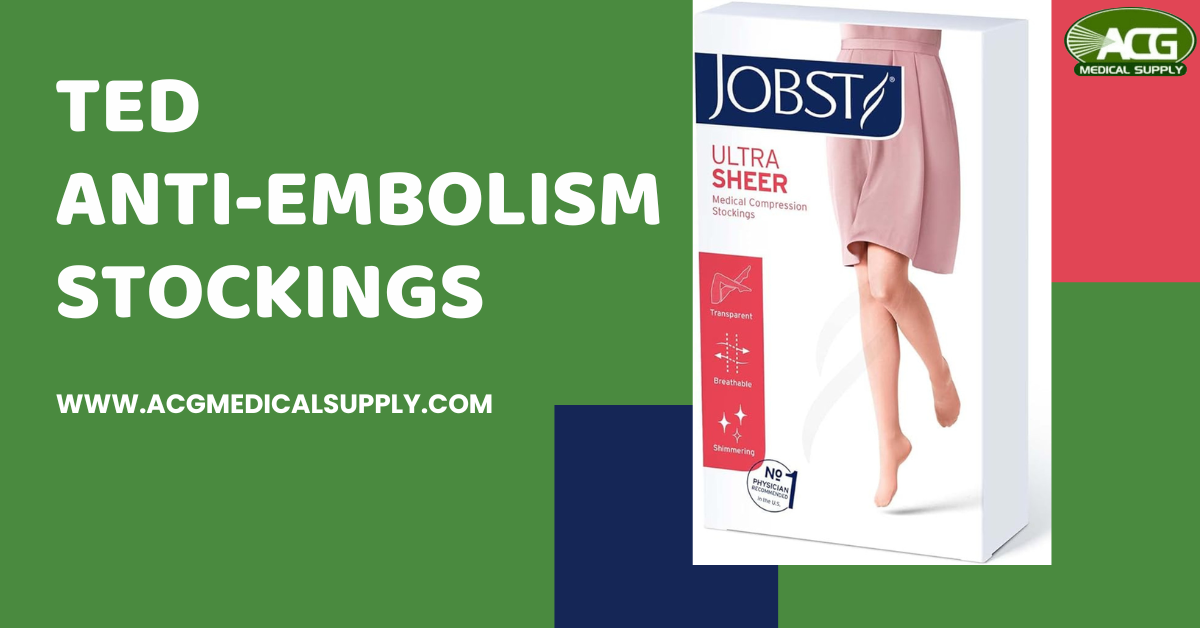

TED Anti-Embolism Stockings

Choosing Between TED Anti-Embolism and Compression Stockings

Taking care of your legs is something many of us don’t think about—until we have to. Whether you’ve just had surgery, find yourself on your feet all day, or struggle with swelling, the right support can make a huge difference in how you feel. But with so many options out there, it can be tricky to know which one is best for you. That’s where TED Anti-Embolism Stockings and compression stockings come in. While they both provide support, they do so in very different ways.

In this blog, we’ll help you understand the key differences, so you can choose the right option to keep your legs feeling healthy and strong.

What Are TED Anti-Embolism Stockings?

TED Anti-Embolism Stockings, often called TED stockings, are specifically designed for people who are bedridden or recovering from surgery. Prolonged immobility can slow down blood flow in the legs, increasing the risk of blood clots or deep vein thrombosis (DVT).

TED stockings use gentle, graduated compression, which is tighter at the ankle and eases up the leg. This design keeps blood moving and reduces clotting risks. Doctors commonly recommend these stockings for short-term use during hospital stays or post-surgical recovery.

If you’re someone who is confined to bed for a while, TED stockings are like a safety net for your circulatory system. They’re not meant for everyday use, but they play a crucial role during specific recovery periods.

What Are Compression Stockings?

On the other hand, compression stockings are made for people who are on their feet a lot or dealing with swelling or leg discomfort. Whether you’re dealing with varicose veins, swelling from pregnancy, or just need extra support after a long day of standing or sitting, compression stockings can help improve circulation and reduce swelling.

Compression stockings come in all sorts of styles and compression levels. You can find options like thigh-high compression socks for full-leg support or lighter support socks for everyday comfort. There are also medical-grade options like Jobst UltraSheer Stockings, which provide extra compression for people dealing with more serious conditions like chronic venous insufficiency or lymphedema. For those with diabetes, JOBST SensiFoot Diabetic KNEE Socks are a great option, offering gentle support and a soft, breathable fabric that’s kind to sensitive skin.

What’s the Difference Between TED and Compression Stockings?

While both types of stockings serve the purpose of improving circulation, the key differences lie in their intended use and compression levels.

Purpose: TED stockings are specifically designed to prevent DVT during periods of immobility, such as during post-surgery recovery or hospital stays. On the other hand, compression stockings are for individuals who are mobile and looking to relieve symptoms of vein-related conditions like swelling or varicose veins.

Compression Levels: TED Anti-Embolism Stockings generally offer lower compression, while compression stockings can range from light to high compression. This makes compression stockings suitable for a broader range of issues, including managing swelling and improving blood flow in active individuals.

Design: TED stockings are usually knee-length, while compression stockings come in various lengths, such as knee-high, thigh-high, or full-leg options, like thigh-high compression socks. This allows for more versatility depending on your specific needs.

Which One Should You Choose?

Choosing the right medical stockings depends on your situation. If you’ve just had surgery or are going to be in bed for a while, TED Anti-Embolism Stockings are the better option to prevent blood clots. If you’re dealing with swelling, tired legs, or varicose veins, compression stockings are a great choice for extra support and comfort.

If you’re looking for something for everyday wear, you might want to try Jobst UltraSheer Stockings or JOBST SensiFoot Diabetic KNEE Socks. For full-leg support, thigh-high compression socks are a great option. You’ll also find support socks that are perfect for wearing all day, whether you’re working, traveling, or just need a little extra comfort.

Conclusion

Choosing between TED Anti-Embolism Stockings and compression stockings doesn’t have to be confusing. It all comes down to your specific needs. If you’re recovering from surgery or spending a lot of time in bed, TED stockings are your best bet. If you’re dealing with swelling or need some extra support during the day, compression stockings will offer the relief you need. For a wide range of options, from thigh-high compression socks to Jobst UltraSheer Stockings, visit ACG Medical Supply and find the right pair of stockings for you. Taking care of your legs can make a big difference in how you feel every day, so make sure you choose the right support.

Hot and Cold Therapy Packs

Mastering Pain Relief: Your Guide to Hot and Cold Packs

Pain is a universal experience, and we all seek relief in our own ways. Often overlooked, hot and cold therapy packs offer a simple yet powerful solution for a variety of aches and pains. From minor discomforts to post-surgery recovery, these reliable tools have been providing comfort and support for generations.

In this article, we’ll explore how hot and cold therapy works, when to use each, and how they can help soothe discomfort and accelerate the healing process.

The Basics of Hot and Cold Therapy

Pain comes in many forms: a swollen ankle, a stiff back, or muscle soreness after an intense workout. While pain may vary, choosing the right therapy doesn’t have to be complicated.

  • Heat therapy relaxes muscles, increases blood flow, and helps ease stiffness, which makes it ideal for chronic pain or tightness.
  • Cold therapy, on the other hand, reduces swelling, numbs sharp pain, and minimizes inflammation, which is perfect for recent injuries.

By using them correctly, these therapies can help you manage discomfort at home effectively.

When to Choose Heat Therapy

Think of heat therapy as a comforting embrace for your muscles. It’s especially helpful for chronic pain or ongoing discomfort. By gently increasing blood flow and relaxing tight muscles, heat therapy helps soothe the body and ease persistent tension.

Common uses:

  • Easing lower back pain or stiff neck muscles
  • Relaxing tight hamstrings or quads after exercise
  • Soothing menstrual cramps

How to apply:

  • Place a hot therapy pack on the affected area for 15–20 minutes.
  • Ensure the pack isn’t too hot to avoid burns. Wrap it in a cloth if necessary.
  • Use heat before physical activity to prepare stiff muscles.

The Power of Cold Therapy

Cold therapy is all about damage control. When you experience a sprain, strain, or bruise, applying cold can bring down swelling, reduce inflammation, and numb acute pain. This method is also commonly used for sports injuries and recovery.

Common uses:

  • Sprained ankles or knees
  • Post-workout muscle soreness
  • Swollen joints or sharp, localized pain

How to apply:

  • Apply a cold therapy pack immediately after an injury for 10–15 minutes at a time.
  • Wrap the pack in a towel to avoid direct contact with the skin, which can cause frostbite.
  • Consider options like the Aircast cryo cuff gravity cooler, which provides consistent cooling for deeper relief.

When to Use Both: Hot and Cold Therapy

Certain conditions call for a combination approach, where a hot and cold therapy pack proves highly effective. This method is especially beneficial for chronic injuries or stiffness that also involves occasional swelling. By using both heat and cold strategically, you can target pain from multiple angles and promote faster recovery.

How to use a hot and cold therapy pack effectively:

  • Begin with a cold therapy pack for the first 48 hours to reduce swelling and numb the area.
  • After the initial phase, switch to a hot therapy pack to relax muscles and improve blood flow.
  • If needed, alternate between the two, allowing time between sessions to avoid irritation or overexposure.

Using a hot and cold therapy pack in this way ensures you address both the inflammation and muscle tightness for comprehensive pain relief.

Helping with Recovery After Surgery

After surgery, managing pain and swelling is key to healing. Post-surgery recovery packs help by using both heat and cold therapy.

In the first 48–72 hours, use cold compression therapy, like the Aircast cryo cuff gravity cooler, to reduce swelling and numb pain. Once the swelling goes down, switch to a hot therapy pack to help improve blood flow, relax muscles, and reduce stiffness.

Alternating between cold therapy packs and hot therapy packs provides balanced relief and supports quicker recovery. Always follow your doctor’s advice on how to use them safely.

Choosing the Right Products

Finding high-quality packs is essential for effective pain management. At ACG Medical Supply, you’ll find a range of hot and cold therapy packs, cold compression therapy products, and specialized items like post-surgery recovery packs. Choose packs that are durable, reusable, and designed for your specific needs.

Tips for Safe Use

While hot and cold therapy packs are generally safe, following these precautions will enhance their effectiveness:

  • Never apply heat or cold directly to broken skin.
  • Limit sessions to 15–20 minutes to prevent skin damage.
  • If pain persists, consult a healthcare professional.

When to Seek Professional Help

While these pain relief therapies are highly effective, they aren’t a cure-all. If your pain doesn’t subside or worsens, it’s crucial to consult a medical expert. Persistent pain could be a sign of a more serious condition requiring professional treatment.

Conclusion Hot and cold therapy is a powerful and simple method to relieve pain and support recovery. By using cold therapy to reduce swelling and heat therapy to ease muscle stiffness, you can effectively manage discomfort and speed up the healing process. Always ensure you’re following the right approach at the right stage of recovery, and consult your doctor for guidance. With the right techniques, you’ll find relief and get back to your daily routine more quickly.

Exercise and Rehab Equipment

Enhance Your Recovery Journey with the Right Exercise Gear

Recovering from an injury or surgery isn’t always an easy road. Whether it’s a small sprain or a major surgery, each step back to full mobility can be challenging, but it’s also an empowering journey. And the tools you use along the way play a crucial role. Selecting the right exercise and rehab equipment can make each step smoother, faster, and safer, helping you achieve the progress you’re hoping for. From physical therapy supplies to convenient rehabilitation equipment for home use, investing in the right exercise gear can truly transform your recovery journey.

So, let’s dive into how the right recovery tools can support your healing process and enhance your confidence along the way.

Why the Right Exercise Gear Matters

In recovery, progress often depends on steady movement, balance, and careful exercises that build strength without causing much strain. High-quality professional rehab products are designed to make this possible. Using a proper range of motion therapy equipment helps prevent stiffness and encourages gradual movement without pain, which can be a real game-changer when you’re working on getting back to your everyday activities.

Beyond building muscle strength, specific recovery tools also aid in improving flexibility and overall mobility. For instance, resistance bands and therapeutic balls aren’t just for professional rehab centers—they’re great for home use too, especially for those easing back into their routines gradually. And when you have the right equipment in the comfort of your home, it allows for daily, consistent practice, which is essential for a quicker recovery.

Key Types of Exercise Gear for Recovery

There’s a wide variety of rehab tools available, each catering to different aspects of recovery. Let’s take a look at some of the most impactful exercise and rehab equipment options that can support you on your path to wellness.

1. Transfer Belt with Handles

A transfer belt is an invaluable tool for providing support during transfers, whether it’s from bed to chair or helping someone stand up. It’s designed to assist caregivers or those recovering from surgery or injury by offering extra stability and control during movement, ensuring safety and comfort during rehab.

2. Hand Exercise Squeeze Egg

For hand and grip strength, a hand exercise squeeze egg is a simple yet effective tool. It provides resistance training for the hand, fingers, and forearms, making it ideal for anyone recovering from hand injuries or surgery. This small device can be easily used while watching TV or working at a desk, offering a discreet and convenient way to strengthen your hands.

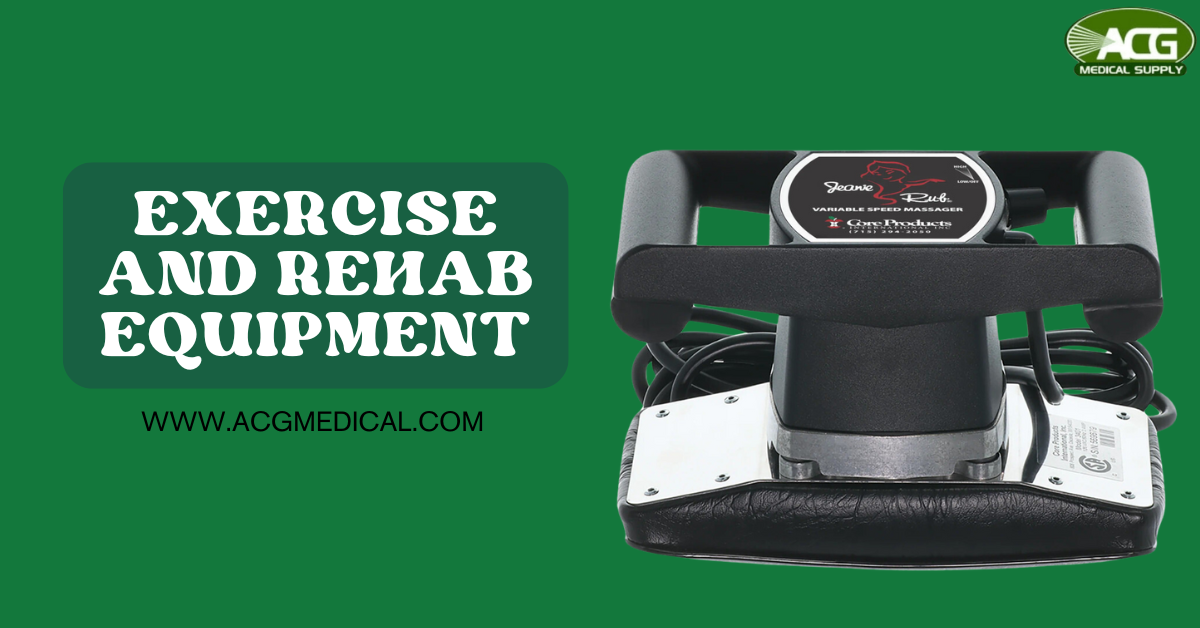
3. Speed Massager

The speed massager is a powerful tool designed to provide deep muscle therapy, especially useful for those dealing with muscle tightness, stiffness, or pain. It works wonders for sore muscles after physical therapy or exercise, helping to relieve tension, and promote circulation, speeding up recovery and providing comfort.

4. Range of Motion Therapy Equipment

This type of equipment, like stretchers and pulley systems, is especially useful for those who are recovering from surgeries or significant injuries. Range of motion tools can help you ease into controlled movement, supporting the joints and muscles as they heal without added strain.

Creating a Home Rehab Routine

Having the right home exercise equipment for recovery is only the start; knowing how to use it effectively is just as important. The key to a successful recovery journey is consistency, so setting up a designated space in your home for rehab exercises can make all the difference.

Start small, especially if you’re new to exercising for recovery. Using online medical exercise equipment resources can provide you with the know-how to get the most out of each tool. For example, if you’re using resistance bands, you might start with a few basic exercises targeting major muscle groups and increase the intensity as you progress. The same goes for therapy balls and traction sets—take it slow, and don’t overdo it.

Additionally, having a schedule for your exercise routine is a powerful way to stay on track. Mornings can be ideal for lighter exercises, like gentle stretches or using therapy balls to improve flexibility. In the evenings, you can incorporate ankle weights or foam rollers for a deeper routine that leaves you feeling ready for restful sleep.

The Long-Term Benefits of Investing in Quality Rehab Equipment

While some may see recovery gear as a temporary investment, it can be so much more than that. Quality exercise and rehab equipment become part of a healthy lifestyle even beyond recovery. Regularly using these tools keeps your muscles strong, your joints flexible, and your confidence high, reducing the risk of future injuries and encouraging an active lifestyle.

Choosing well-made rehab tools not only speeds up recovery but also creates lasting habits. So, as you navigate your recovery, remember that the right equipment isn’t just a one-time aid—it’s an ally for long-term health and well-being.

Conclusion Recovery might not be a linear path, but with dedication and the right tools, every day can bring new milestones. Choosing reliable, high-quality rehabilitation equipment transforms your home into a space of healing and growth, giving you control over your progress. With resources like ACG Medical Supply, you’re not just getting equipment—you’re investing in a better, healthier tomorrow.

patient transfer lifts

Why Patient Transfer Lifts Are a Must-Have in Care

In the world of caregiving, comfort, safety, and ease of movement are essential. Assisting individuals with limited mobility or supporting people in regaining some independence in their daily lives, patient transfer lifts play a pivotal role. These devices ensure smoother and safer transfers while also protecting caregivers from potential strain or injury. Thanks to technological advancements, today’s electric patient lifts, portable patient lifts, and models made specifically for home use are more efficient and user-friendly than ever.

This guide explores why patient transfer lifts are important in care settings, highlighting their unique benefits and features.

What Are Patient Transfer Lifts?

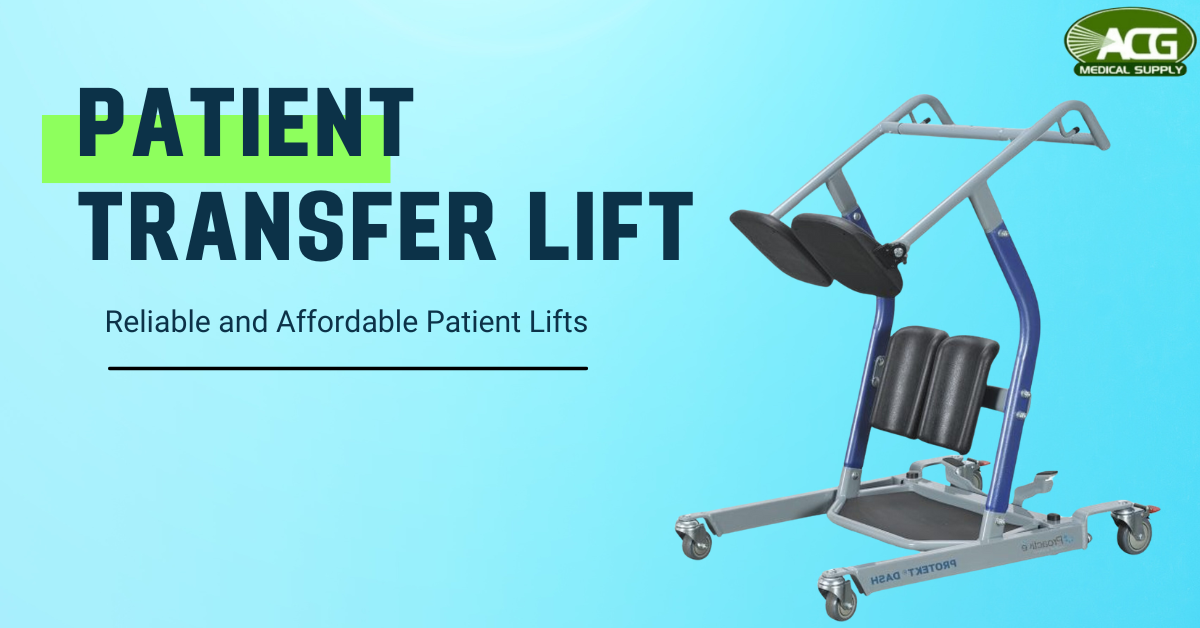
Simply put, patient transfer lifts are devices that help caregivers move individuals with limited mobility from one position to another. These lifts come in various types, from stand lifts that assist with standing and sitting to EZ LIFT ASSIST devices that enable smoother bed-to-chair transitions. Some popular models include the Protekt® Dash Standing Transfer Aid and STAND LIFT WITH STS SLING, each catering to specific needs. With an emphasis on durability, comfort, and safety, these lifts are designed to handle different weight capacities and are highly adaptable for home use.

Why Are Patient Transfer Lifts So Important?

Caregiving is challenging, and one of the most demanding aspects is helping individuals move from place to place without risking injury. For both professional caregivers and family members caring for loved ones at home, patient transfer lifts for home use are invaluable. 

Here’s why these lifts are essential:

1. Enhanced Safety for Patients and Caregivers

Patient transfer lifts greatly reduce the risk of injury. Moving someone who can’t fully support their weight can strain a caregiver’s back, shoulders, and arms. A lift takes on this weight, ensuring both the caregiver and the patient are protected.

Plus, many electric patient lifts come with safety features like:

  • Sturdy slings
  • Locking mechanisms
  • Adjustable heights

These features make transfers smoother and safer, giving both parties peace of mind.

2. Increased Mobility and Independence

For individuals with limited mobility, portable patient lifts offer a sense of independence. Being able to transfer from bed to a wheelchair or stand with assistance can boost morale, reduce feelings of dependence, and improve mental well-being.

The Protekt® Dash Standing Transfer Aid is a great example. Designed for those who can bear some weight, it offers support to stand, giving users a higher degree of freedom.

3. Convenience and Ease of Use

Modern lifts are designed with ease in mind. Many models are operated with simple controls, and some are battery-powered, making them even more convenient. This can make a world of difference for caregivers managing multiple tasks.

For home use, patient transfer lifts often feature:

  • Compact designs
  • Foldable frames

These options make the lifts easy to store and set up whenever needed, adding to their practicality.

4. Versatile Options to Suit Different Needs

Not all patients require the same type of lift. Depending on the level of support needed, there are stand lifts, sit-to-stand lifts, and EZ LIFT ASSIST models, each designed for specific levels of mobility. This versatility ensures that caregivers can find the right solution for their patient’s unique needs.

For example, STAND LIFT WITH STS SLING is ideal for patients who can bear some weight but need extra support to stand safely.

5. Improved Quality of Life

A lift’s ability to facilitate safe and dignified transfers can greatly improve a patient’s quality of life. These devices enable individuals to experience smoother transitions and less discomfort during transfers, making everyday activities more manageable.

Whether it’s moving from bed to chair or accessing the restroom, patient transfer lifts for home use can be life-changing, enhancing the patient’s comfort and helping to restore a sense of normalcy.

Conclusion

In caregiving, nothing is more valuable than tools that support safe, comfortable, and dignified care. Patient transfer lifts are more than mobility aids—they empower patients, protect caregivers, and improve the caregiving experience. With options ranging from electric patient lifts to portable patient lifts designed for home use, there’s a model suited to nearly every need. Choosing a reliable patient transfer lift from a trusted provider like ACG Medical Supply is a step toward better, safer care for everyone involved. For caregivers at home or in professional settings, these devices make everyday tasks easier, safer, and more compassionate.

Hospital Beds

Guide to Picking the Right Hospital Bed for Home Use

If you’re recovering from surgery or need extra support for long-term care, the right bed can make a world of difference. A hospital bed offers more than just a place to sleep; it provides comfort, safety, and mobility, helping both the patient and caregiver. 

In this guide, we’ll break down everything you need to know to make the best choice for your home care setup.

Why Choose a Hospital Bed for Home Use?

A hospital bed isn’t just a medical device—it’s a practical and sometimes essential part of home care. Here’s why investing in one could be life-changing:

  • Enhanced Comfort: Hospital beds are specifically designed to provide maximum comfort and support. With adjustable head and foot sections, these beds allow users to find the perfect position for sleeping, sitting, or relaxing. The ability to change positions with ease reduces discomfort and promotes better sleep quality. Full Electric Hospital Beds, for example, provide all the adjustments with just the touch of a button.
  • Increased Mobility: Struggling to get in and out of a regular bed can make daily activities difficult for patients. Hospital beds help by allowing users to adjust the height and position of the bed, making movement easier. This is particularly beneficial for those with limited mobility or recovering from surgery.
  • Safety and Independence: Many hospital beds come equipped with side rails, alarms, and other safety features. This can reduce the risk of falls and provide peace of mind, allowing users to maintain some level of independence while staying safe.

Key Features to Consider

When choosing a hospital bed for home use, there are several features to keep in mind. Each person’s situation is unique, so it’s important to pick a bed that meets your specific needs.

1. Adjustability

Hospital beds allow users to adjust various sections like the head, foot, and overall height. This flexibility is key, especially for those who spend long hours in bed. Full Electric Hospital Beds offer the convenience of motorized adjustments, while Semi-Electric and Manual beds provide varying levels of control depending on your budget and needs.

2. Weight Capacity

It’s important to ensure that the bed can comfortably support the user’s weight. For individuals who require a higher weight capacity, Bariatric Hospital Beds provide additional strength and support. These beds are wider and sturdier, designed to offer maximum comfort without compromising safety.

3. Motorized vs. Manual Adjustments

While motorized beds are the easiest to adjust, they do come with a higher price tag. Manual beds, which require physical effort to change positions, are a more budget-friendly option. However, for those who need frequent adjustments, an electric bed might be worth the extra investment.

4. Hospital Bed Mattress

The mattress plays a vital role in comfort and pressure relief. A good hospital bed mattress will conform to the bed’s movements while preventing pressure sores. Options like gel or memory foam mattresses offer extra comfort, especially for long-term care patients.

5. Safety Features

Look for beds with side rails, alarms, and remote controls to enhance safety and prevent accidents. For elderly users or those with cognitive impairments, such features provide both security and peace of mind, making home care safer and more efficient.

6. Accessories and Add-ons

There are various accessories that can further improve the utility of a hospital bed. These include over-bed tables, bed trapezes for movement assistance, and side rail protectors. Hospital Beds and Accessories like these can significantly enhance patient care, providing added convenience for both patients and caregivers.

7. Hospital Beds for Rent

If you’re not sure about purchasing a bed or need it for a short-term recovery period, renting a hospital bed is an excellent option. Many suppliers, including ACG Medical Supply, offer hospital beds for rent, allowing you to choose a model that fits your needs without the long-term commitment.

Popular Hospital Bed Types

Depending on your needs and budget, there are different types of hospital beds to consider:

  • Full Electric Hospital Beds: These medical beds for home provide full control over the head, foot, and height adjustments, all at the touch of a button. They’re perfect for those with limited mobility or caregivers who need to make frequent changes.
  • Semi-Electric Hospital Beds: These beds offer motorized control for the head and foot sections, but height adjustments are manual. It’s a good balance between affordability and convenience.
  • Manual Hospital Beds: These beds require the user or caregiver to make all adjustments by hand. While they’re more budget-friendly, they may not be suitable for individuals who need frequent repositioning.

Conclusion Picking the right hospital bed for home use can make all the difference in comfort, safety, and recovery. By focusing on features like adjustability, weight capacity, and safety, you can create a home care environment that meets your needs. Whether it’s a Full Electric Hospital Bed, a bariatric model, or simply a hospital bed for rent, your choice will play a crucial role in improving daily life.

Medical Diagnostic Equipment

A Beginner’s Handbook to ACG Medical Diagnostic Equipment

Staying on top of your health can make a world of difference. Managing a health condition or keeping track of your wellness becomes much easier with the right medical diagnostic tools at your fingertips. For anyone looking for high-quality medical equipment, ACG Medical Supply is the place to go! 

Known for our wide range of reliable products, ACG makes medical devices accessible, user-friendly, and accurate for professionals and home users alike. But what makes these tools worth the investment? Let’s explore.

Why Trust ACG Medical Supply?

ACG Medical Supply has built a reputation for providing top-tier Medical Diagnostic Equipment. What sets us apart is our commitment to quality. We offer an extensive range of tools for diagnosing and monitoring various health conditions. From simple check-ups to ongoing care, ACG’s products are all about reliability and precision.

Here’s why ACG Medical Supply stands out:

Wide Product Range: From blood pressure monitors to medical stethoscopes, ACG covers all essential diagnostic needs.

Affordability: You don’t need to break the bank to get quality medical tools.

Convenient Access: When it comes to medical supplies, ACG Medical Supply makes things easy and accessible. With a user-friendly website and a wide selection of high-quality diagnostic tools, getting what you need is a breeze.

Essential ACG Medical Diagnostic Tools You Need

Investing in the right medical equipment can help you monitor health conditions efficiently. Here are some of the must-have products from ACG Medical Supply:

1. Blood Pressure Monitors

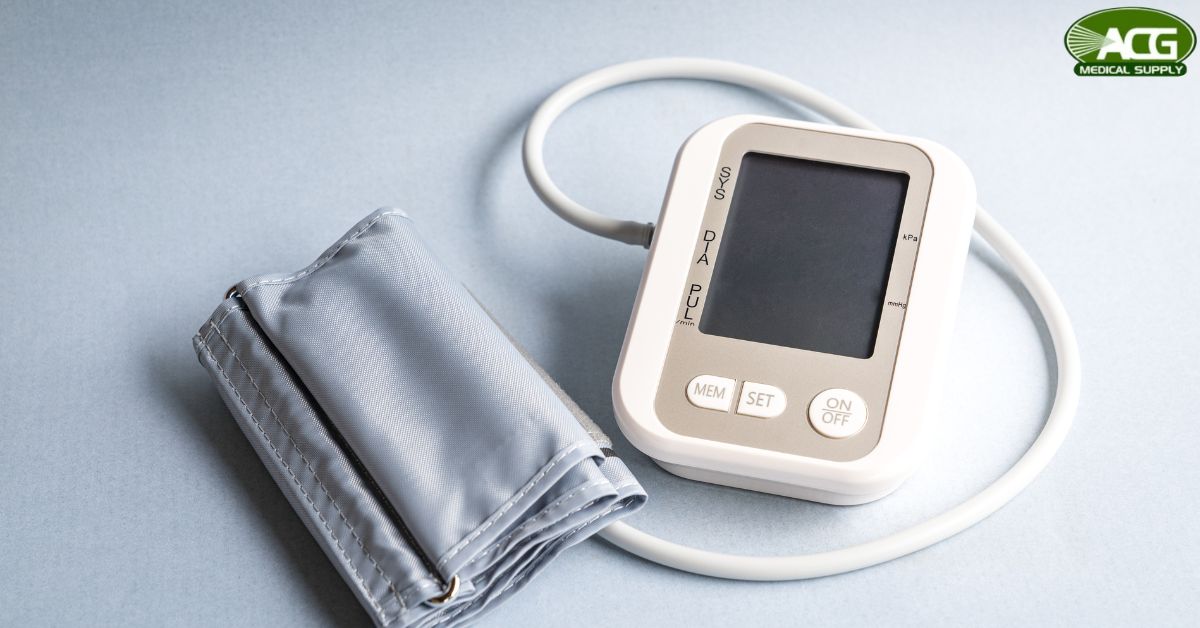
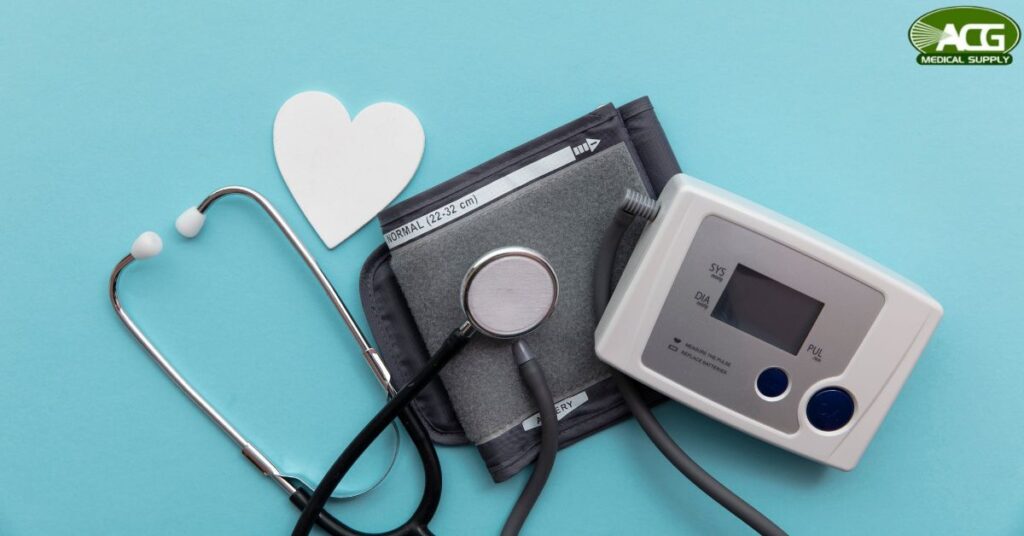
Monitoring your blood pressure is vital for maintaining good heart health. ACG offers user-friendly, reliable blood pressure monitors that make it easy to keep track of your readings. These devices are especially helpful for those managing hypertension or other heart-related conditions.

Most of the BP monitors are equipped with digital displays, memory for saving multiple readings, and easy-to-fit cuffs for convenience.

2. Medical Stethoscopes

No doctor’s kit is complete without a stethoscope, and ACG has you covered with a range of Medical Stethoscopes. These stethoscopes are perfect for healthcare professionals as well as students. ACG also offers Littmann stethoscopes, which are highly regarded for their superior acoustics and durability.

3. Specialty Scissors

Not all scissors are created equal, especially in the medical field. At ACG you can find branded specialty scissors which are designed for precision and efficiency in medical procedures. They’re sharp, durable, and made from high-quality stainless steel. These scissors come in various forms, such as bandage scissors, surgical scissors, and trauma shears.

ACG Medical Equipment: Tailored for Different Needs

ACG products cater to a wide audience, from healthcare providers to individual users who want to stay on top of their health. Here’ how their medical equipment fits various needs:

For Healthcare Professionals: Whether you’re a doctor, nurse, or medical student, tools like Littmann stethoscopes and Specialty Scissors provide precision and dependability in a fast-paced medical environment.

For Home Users: If you’re managing a condition like hypertension, tools like ACG’s blood pressure monitors allow you to track your health with ease. Plus, ACG’s user-friendly designs ensure you can operate the devices with minimal guidance.

For Caregivers: If you’re taking care of a loved one, having dependable Medical Diagnostic Equipment from ACG can bring peace of mind. These tools make it easier to monitor their health accurately, allowing you to stay informed and respond quickly to any changes.

Final Thoughts

ACG Medical Supply offers a wide range of Medical Diagnostic Tools that are essential for anyone looking to monitor their health. From precise BP monitors to durable medical stethoscopes, ACG has everything you need. Our focus on reliability, ease of use, and affordability makes us a top choice for healthcare professionals and home users alike. If you’re equipping a clinic or just want to be prepared at home, investing in quality medical equipment from ACG is a smart move. After all, taking control of your health is the best investment you can make!

Mobility Ramps

Mobility Ramps: The Key to Effortless Accessibility

Imagine how frustrating it would be if a simple step or curb stood between you and your home, or kept you from visiting a friend’s home. For many people with mobility challenges, this is a daily reality. That’s where mobility ramps come to the rescue. These unsung heroes make navigating the world so much easier, turning once disheartening obstacles into smooth, manageable pathways. 

Let’s dive into how these ramps can transform lives, offering freedom and independence to those who need it most.

A Step Towards Independence

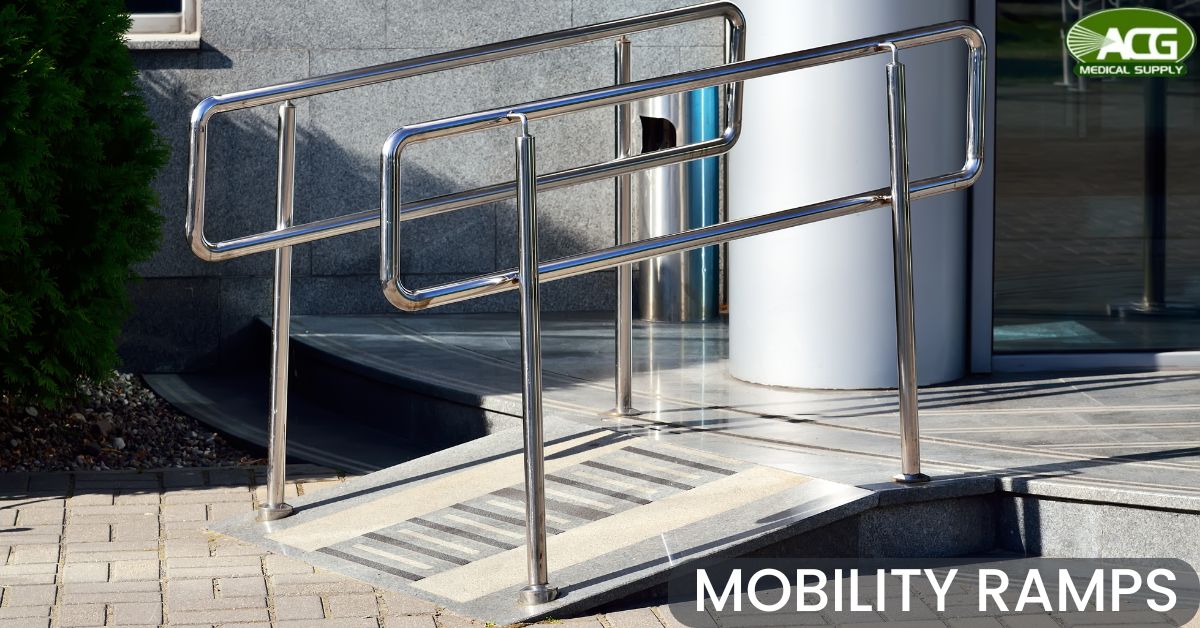
For anyone using a wheelchair or power scooter, steps, curbs, and doorways can feel like mountains. But with ramps for wheelchairs and ramps for power scooters, those mountains shrink to little hills. Ramps provide a smooth incline that makes entering and exiting your home, vehicles, and other spaces a breeze. Gone are the days of struggling with heavy doors or worrying about tripping on uneven thresholds. Mobility ramps ensure that you (or your loved ones) can move freely and confidently, with no barriers in sight.

It’s not just about getting from one place to another—it’s about doing so with dignity. Mobility ramps eliminate the need for awkward assistance or relying on others to help you navigate everyday spaces. Ramps for wheelchairs and ramps for power scooters empower you to take control of your mobility, fostering a sense of independence that’s priceless.

Tailored Solutions for Every Need

What’s really amazing about mobility ramps is their versatility. They’re available in a variety of designs, each created to address specific accessibility needs. For instance, threshold ramps are perfect for small height differences, like those at doorways or curbs. They are lightweight and easy to install, and provide a seamless transition for wheelchairs or power scooters—no more getting stuck at the threshold!

If you need to support heavier equipment or accommodate bariatric (obese) users, bariatric ramps are the answer. These heavy-duty ramps can handle greater weight capacities, making sure that even the sturdiest power scooters or wheelchairs can be used safely. And for those who need a little extra support,  some ramps come with handrails, they offer added security and stability, which is especially helpful for anyone needing assistance with balance while navigating inclines.

Another great option is the modular folding ramp. These ramps are all about flexibility. They fold up neatly, making them super easy to transport and set up wherever you need them. Whether you’re loading a power scooter into your car or navigating a few steps at a friend’s house, modular folding ramps are your go-to for portable, reliable access.

Safety First, Always

When it comes to accessibility, safety is a top priority. Mobility ramps are designed with features that keep you safe and secure. Their anti-slip surfaces, for example, ensure that the ramp stays steady even in wet or icy conditions. Ramps with handrails for handicap access offer extra support, helping prevent falls and boosting confidence for anyone using them.

Both bariatric ramps and modular folding ramps come equipped with safety edges, which are great for preventing wheelchairs or power scooters from sliding off the sides. Plus, these ramps are carefully engineered to have just the right slope—not too steep and not too flat—so you can glide up and down smoothly and safely.

Transforming Lives, One Ramp at a Time

Mobility ramps are more than just a practical solution—they’re life-changers. For individuals facing mobility challenges, these ramps open up a world of possibilities that might otherwise be out of reach. Whether it’s joining a family gathering, heading to work, or enjoying a day out, mobility ramps provide the freedom to engage fully in life’s activities. If you’re looking for reliable mobility ramps, ACG Medical Supply is a name you can trust. We offer a wide selection of ramps to meet various needs, helping you find the perfect fit for your situation. With the right mobility ramp, you can unlock a world of possibilities, moving forward with confidence and ease.

Medical Walkers Rollators

Explore Medical Walkers Rollators for Senior Mobility

For many seniors, walking long distances or staying active for a long time can be a challenge due to reduced strength, balance issues, or joint pain. Thankfully, mobility aids like walkers rollators have made it possible for older adults to walk with confidence and ease. If you or a loved one is looking for a solution to improve mobility without sacrificing comfort, rollators could be the answer. 

In this guide, we’ll explore what rollators are, how they differ from traditional walkers, and why they make an excellent choice for seniors. Let’s dive into why rollators are the ultimate companion for seniors on the go!

What is a Rollator?

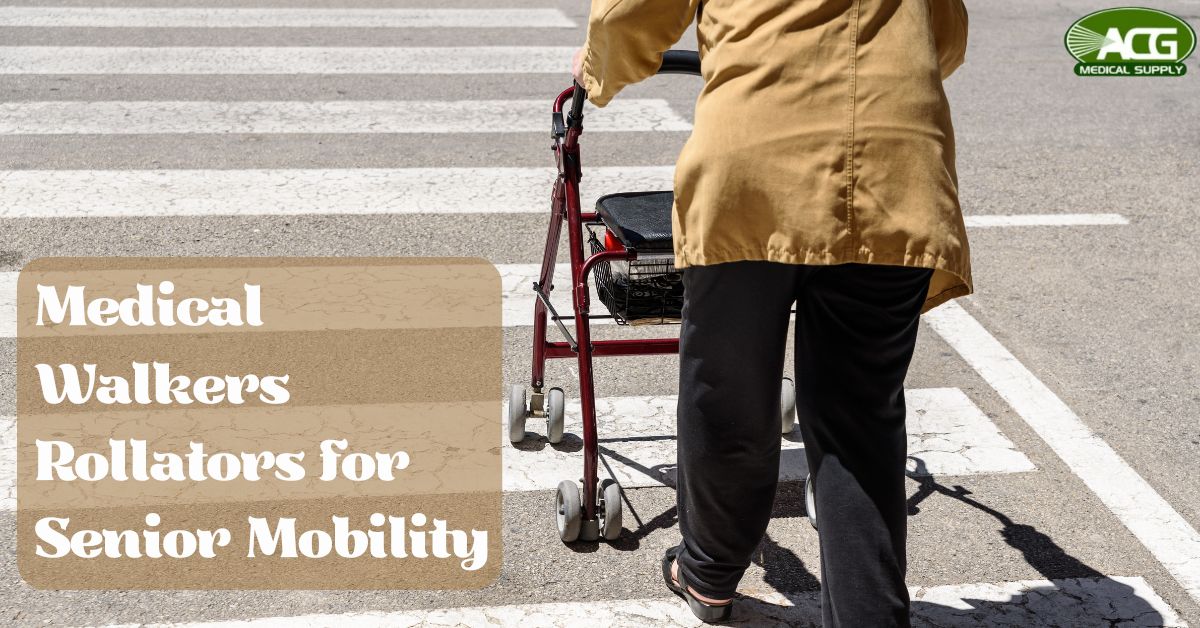
A rollator is a type of medical walker designed to offer support, stability, and freedom of movement. Unlike traditional Medical Walkers, rollators are equipped with wheels, brakes, and often a seat, making them comfortable and easy to maneuver. Whether it’s a 3 Wheel Walkers Rollator or a 4 Wheel Walkers Rollator, this type of walker offers an improved walking experience for seniors.

3 & 4 Wheel Walkers Rollators provide more than just mobility—they give seniors the confidence to move around independently without the constant worry of falling or overexerting themselves.

The Benefits of Using a Rollator

So, why choose a rollator over a traditional walker or other mobility aids? Here are some key reasons:

1. Smooth Maneuverability

One of the most important features of rollators is their wheels. With 3 or 4 wheels, rollators glide easily over most surfaces, making them ideal for both indoor and outdoor use. Unlike traditional walkers, there’s no need to lift and drag a rollator with every step—just push it forward.

2. Built-in Seating

Many rollators come with a built-in seat, which can be incredibly convenient. If you or your loved one gets tired while walking, having a seat right there to take a quick rest can make all the difference. For those who need extra support, options like a bariatric walker with a seat are available, offering more space and sturdiness.

3. Enhanced Safety Features

Rollators are equipped with hand-operated brakes that ensure control when walking and stop the rollator when needed. Locking brakes allow users to safely sit down on the seat without worrying about the walker moving.

4. Convenient Storage

Many standard rolling walkers come with a storage bag or basket, which is perfect for carrying personal items, groceries, or even a pet’s leash. No need for an additional bag when everything can be stored in your rollator.

Best Medical Walkers Rollators for Senior Mobility

When it comes to selecting the best walker rollator for senior mobility, there are several factors to consider. Let’s explore the different types and what makes each one unique.

1. 3 Wheel Walkers Rollators

These models are lightweight and compact, making them ideal for use in tight spaces or indoors. The three-wheel design allows for better maneuverability and is perfect for seniors who need extra balance support but also want a device that’s easy to transport and store.

2. 4 Wheel Walkers Rollators

The four-wheel design offers more stability and is often equipped with a seat for resting. If a senior enjoys outdoor activities or walks for longer periods, a 4-wheel walkers rollators may be the better choice. It’s sturdy, durable, and ensures comfort with built-in seating.

3. Knee Walkers

Designed for those recovering from leg or foot injuries, Knee Walkers offer a different kind of support. Instead of bearing weight on your injured leg, you rest it on a padded platform and push forward using your good leg. These are an excellent alternative to crutches for individuals who need to keep their leg elevated but still maintain mobility.

Customizing Your Rollator with Accessories

To make the rollator experience even better, there are plenty of Walker Rollator Accessories to choose from. These range from cup holders and phone mounts to trays and shopping bags, making it easier to stay active while keeping your essentials close at hand.

  • Cup Holders: Stay hydrated on your walks with a convenient cup holder.
  • Storage Bags: Easily carry personal items or small groceries.
  • Trays: Perfect for holding snacks or small items while you rest.

Conclusion

Rollators have transformed the way seniors maintain their mobility and independence. With options like ACG Medical Supply’s range of 3 & 4 Wheel Rollators, and other models, seniors can find the perfect fit for their needs. Whether it’s for indoor use, long walks outdoors, or recovering from an injury, there’s a rollator for everyone. So, if you’re ready to enhance your or your loved one’s mobility, consider investing in a rollator. After all, staying mobile means staying independent—and that’s priceless.

3-Wheel Electric Scooters

Top 3-Wheel Electric Mobility Scooters for Seniors

When it comes to mobility solutions for seniors, 3-Wheel Electric Scooters are gaining popularity for their ease of use, stability, and versatility. These scooters provide an excellent way for older adults to maintain their independence, allowing them to navigate their surroundings with confidence. In this guide, we’ll explore the top models available on the market and why they’re a fantastic accessory for seniors.

Why Choose a 3-Wheel Electric Scooter?

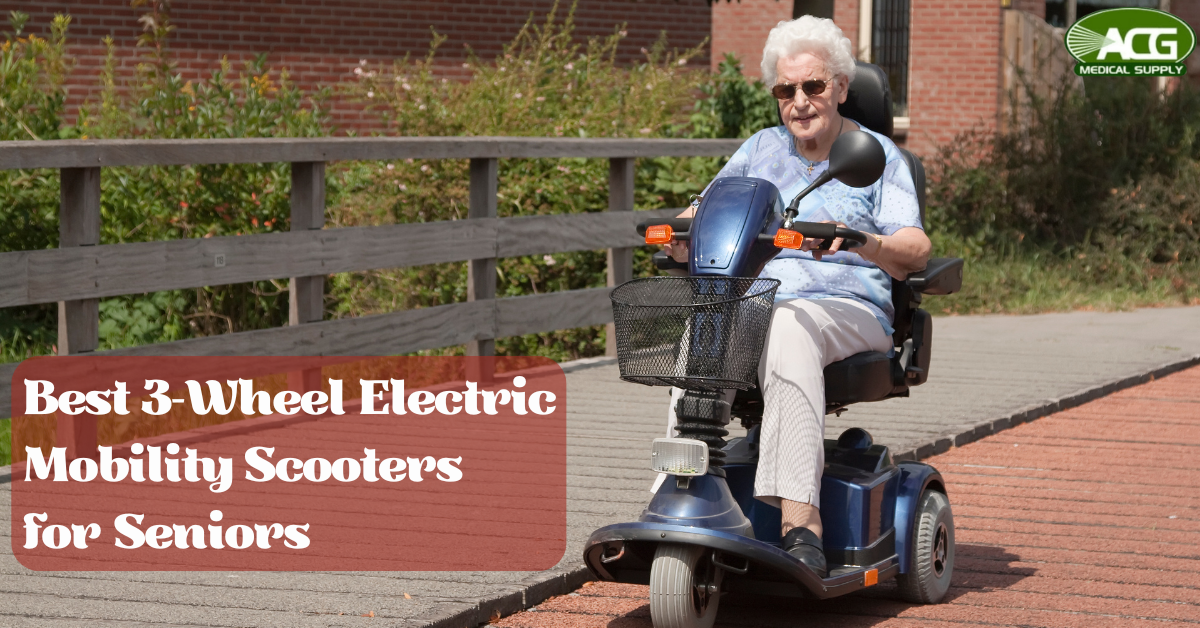
3-Wheel Electric Power Scooters offer a perfect balance between stability and maneuverability. Unlike their 4-wheel counterparts, these scooters are easier to navigate in tight spaces, making them ideal for both indoor and outdoor use. They are typically lighter, more compact, and can easily be transported in a car. Plus, they often come with features tailored to the needs of seniors, such as comfortable seating, easy-to-use controls, and safety features.

Now, let’s dive into some of the top models available today.

Top 3-Wheel Electric Scooters for Seniors

Here’s a look at some of the best 3-wheel electric scooters for seniors available today, each offering unique features that cater to the varying needs of senior users.

1. Buzzaround EX 3-Wheel Mobility Scooter

The Buzzaround EX 3-Wheel Mobility Scooter is a powerhouse in a compact package. Designed with both comfort and performance in mind, this scooter offers an extended drive range, allowing you to travel further without worrying about recharging it frequently.

Key Features:

  • Travel up to 18 miles on a single charge.
  • Full-size, cushioned seat with adjustable armrests for a personalized fit.
  • Quick and easy disassembly for transport.
  • Spring suspension for a smoother and more comfortable ride.
  • Compatible with both left or right-hand controls and features swivel operation.

This scooter is perfect for seniors who are on the go most of the time and need a reliable, long-lasting mobility solution. With its robust design and high performance, the Buzzaround EX ensures that seniors can enjoy their daily activities without interruption.

2. Golden LiteRider 3-Wheel Scooter

When it comes to combining portability with power, the Golden LiteRider 3-Wheel Scooter stands out. It’s very easy to disassemble, making it perfect for seniors who need a lightweight and travel-friendly option.

Key Features:

  • Fully wireless disassembly for hassle-free use.
  • Dual storage baskets for added convenience.
  • Armrests that can be adjusted for comfort.
  • Ultra-bright, adjustable LED headlight for enhanced visibility.
  • Simple, straightforward controls for easy operation.

Whether you’re planning a weekend getaway or just need a scooter that’s easy to put in the car, the LiteRider is a fantastic choice. Its balance of comfort, portability, and style makes it a great option for seniors who value flexibility.

3. Pride Go-Go Elite Traveler 3-Wheeled Electric Scooter

For seniors seeking a lightweight and highly portable option, the Pride Go-Go Elite Traveler 3-Wheeled Electric Scooter is another top contender. This scooter is known for its compact design and ease of use, making it an excellent choice for everyday errands and travel.

Key Features:

  • One-handed frame separation thanks to the auto-latching lockup mechanism.
  • Front-to-rear cable connects automatically for seamless assembly.
  • Front frame-mounted seat post provides superior stability.
  • Achieves speeds of up to 4 mph for easy navigation.

The Go-Go Elite Traveler is perfect for seniors who need a scooter that’s both functional and easy to handle. Its compact size and portability make it an ideal companion for those who are always on the move.

Why a 3-Wheel Electric Scooter is a Smart Investment

Investing in a 3-wheel electric mobility scooter can significantly improve your quality of life. Here’s why:

  • Independence: Regain your ability to perform daily tasks without relying on others.
  • Safety: Modern scooters are equipped with safety features like anti-tip wheels, ensuring a secure ride.
  • Comfort: With cushioned seating, adjustable armrests, and user-friendly controls, these scooters are designed with your comfort in mind.
  • Cost-Effective: Compared to the ongoing cost of taxis or ride-sharing services, a scooter is a one-time investment that pays off over time.

Moreover, purchasing from a trusted source like ACG Medical Supply ensures that you receive a high-quality product with excellent customer support, giving you peace of mind with your purchase.

Conclusion

Investing in a lightweight electric scooter is not just about mobility; it’s about reclaiming your independence and continuing to enjoy life on your terms. With the right scooter, you’ll be able to navigate your world with ease, confidence, and a renewed sense of freedom.

Search Articles

Medical Tips in Your Inbox

Get expert recovery advice, equipment guides, and caregiver tips — delivered weekly. No spam, unsubscribe anytime.

Need equipment today?

Same-day or next-day delivery in the DFW area. Call us now for immediate assistance.