Exercise

Exercise and Rehab Equipment

Enhance Your Recovery Journey with the Right Exercise Gear

Recovering from an injury or surgery isn’t always an easy road. Whether it’s a small sprain or a major surgery, each step back to full mobility can be challenging, but it’s also an empowering journey. And the tools you use along the way play a crucial role. Selecting the right exercise and rehab equipment can make each step smoother, faster, and safer, helping you achieve the progress you’re hoping for. From physical therapy supplies to convenient rehabilitation equipment for home use, investing in the right exercise gear can truly transform your recovery journey.

So, let’s dive into how the right recovery tools can support your healing process and enhance your confidence along the way.

Why the Right Exercise Gear Matters

In recovery, progress often depends on steady movement, balance, and careful exercises that build strength without causing much strain. High-quality professional rehab products are designed to make this possible. Using a proper range of motion therapy equipment helps prevent stiffness and encourages gradual movement without pain, which can be a real game-changer when you’re working on getting back to your everyday activities.

Beyond building muscle strength, specific recovery tools also aid in improving flexibility and overall mobility. For instance, resistance bands and therapeutic balls aren’t just for professional rehab centers—they’re great for home use too, especially for those easing back into their routines gradually. And when you have the right equipment in the comfort of your home, it allows for daily, consistent practice, which is essential for a quicker recovery.

Key Types of Exercise Gear for Recovery

There’s a wide variety of rehab tools available, each catering to different aspects of recovery. Let’s take a look at some of the most impactful exercise and rehab equipment options that can support you on your path to wellness.

1. Transfer Belt with Handles

A transfer belt is an invaluable tool for providing support during transfers, whether it’s from bed to chair or helping someone stand up. It’s designed to assist caregivers or those recovering from surgery or injury by offering extra stability and control during movement, ensuring safety and comfort during rehab.

2. Hand Exercise Squeeze Egg

For hand and grip strength, a hand exercise squeeze egg is a simple yet effective tool. It provides resistance training for the hand, fingers, and forearms, making it ideal for anyone recovering from hand injuries or surgery. This small device can be easily used while watching TV or working at a desk, offering a discreet and convenient way to strengthen your hands.

3. Speed Massager

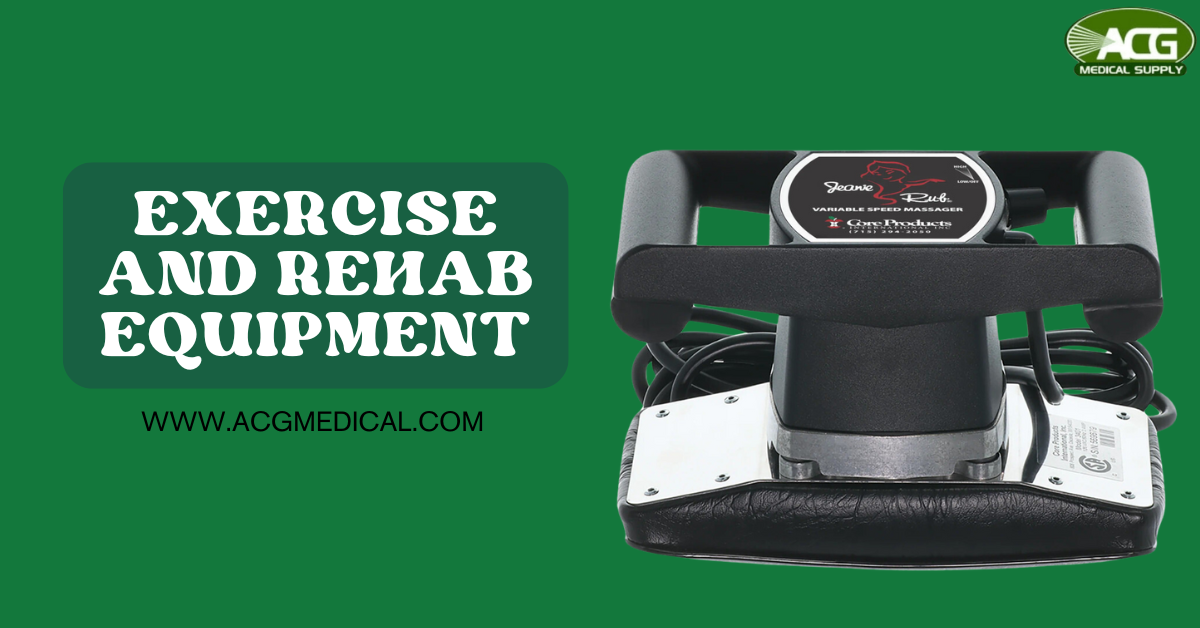
The speed massager is a powerful tool designed to provide deep muscle therapy, especially useful for those dealing with muscle tightness, stiffness, or pain. It works wonders for sore muscles after physical therapy or exercise, helping to relieve tension, and promote circulation, speeding up recovery and providing comfort.

4. Range of Motion Therapy Equipment

This type of equipment, like stretchers and pulley systems, is especially useful for those who are recovering from surgeries or significant injuries. Range of motion tools can help you ease into controlled movement, supporting the joints and muscles as they heal without added strain.

Creating a Home Rehab Routine

Having the right home exercise equipment for recovery is only the start; knowing how to use it effectively is just as important. The key to a successful recovery journey is consistency, so setting up a designated space in your home for rehab exercises can make all the difference.

Start small, especially if you’re new to exercising for recovery. Using online medical exercise equipment resources can provide you with the know-how to get the most out of each tool. For example, if you’re using resistance bands, you might start with a few basic exercises targeting major muscle groups and increase the intensity as you progress. The same goes for therapy balls and traction sets—take it slow, and don’t overdo it.

Additionally, having a schedule for your exercise routine is a powerful way to stay on track. Mornings can be ideal for lighter exercises, like gentle stretches or using therapy balls to improve flexibility. In the evenings, you can incorporate ankle weights or foam rollers for a deeper routine that leaves you feeling ready for restful sleep.

The Long-Term Benefits of Investing in Quality Rehab Equipment

While some may see recovery gear as a temporary investment, it can be so much more than that. Quality exercise and rehab equipment become part of a healthy lifestyle even beyond recovery. Regularly using these tools keeps your muscles strong, your joints flexible, and your confidence high, reducing the risk of future injuries and encouraging an active lifestyle.

Choosing well-made rehab tools not only speeds up recovery but also creates lasting habits. So, as you navigate your recovery, remember that the right equipment isn’t just a one-time aid—it’s an ally for long-term health and well-being.

Conclusion Recovery might not be a linear path, but with dedication and the right tools, every day can bring new milestones. Choosing reliable, high-quality rehabilitation equipment transforms your home into a space of healing and growth, giving you control over your progress. With resources like ACG Medical Supply, you’re not just getting equipment—you’re investing in a better, healthier tomorrow.


Staying Active and Health Focused

Tips for Staying Active & Health-focused with Mobility Challenges

Mobility challenges can make staying active and healthy feel like an uphill battle. Whether due to age, injury, or a chronic condition, these challenges often require adjusting how you approach physical activity and overall wellness. However, with the right tools, mindset, and support, it’s entirely possible to maintain independence, mental health, and physical well-being. 

In this guide, we’ll explore practical tips for those navigating life with mobility challenges, with a focus on maintaining both physical and mental health.

Embracing physical activity with mobility aids

One of the biggest hurdles people with mobility impairments face is finding safe and effective ways to stay active. Physical activity for seniors, especially those with limited mobility, is crucial for maintaining overall health. It helps with flexibility, strength, and balance, reducing the risk of falls and other injuries. But how do you stay active when traditional exercises are off the table?

This is where mobility aids like 4-wheel walkers & rollators come into play. These aids are designed to provide stability and support, allowing individuals to move with more confidence.

While relying on mobility aids might initially feel like a step back, these devices are designed to help you maintain your independence, and maintaining independence with mobility aids is all about finding the right tools that fit your lifestyle. Whether it’s a walker, cane, rollator, or wheelchair, these devices allow you to move around safely, reduce the risk of falls, and keep participating in the activities you love. Imagine using a rollator to comfortably stroll through a park or using a cane to navigate the grocery store with ease—these aids can make a world of difference.

Ultimately, these aids are not limitations—they are empowering tools that help you regain control over your life and stay engaged in the activities that bring you joy. With the right support, you can embrace an active, fulfilling life regardless of mobility challenges.

Mobility exercises for seniors: staying fit and safe

Once you have the right mobility aid, it’s time to focus on exercises that suit your abilities. Mobility exercises for seniors emphasize maintaining joint flexibility, muscle strength, and overall endurance without straining the body. Despite mobility challenges, various exercises can be adapted to meet your needs.

Simple, effective exercises include seated leg lifts, arm raises, ankle circles, and marching in place. These movements may seem basic, but they play a vital role in maintaining physical health. Regularly engaging in these exercises helps you stay active without overexerting yourself.

If you’re unsure where to start, consult a healthcare provider or a physical therapist who can recommend a personalized exercise plan tailored to your mobility level.

Mental health and mobility challenges

Physical health is only one piece of the puzzle. Mental health and mobility challenges often go hand in hand, as limited mobility can lead you to feel isolated, frustrated, and even depressed. It’s important to address these emotions and find healthy ways to cope.

One of the most effective ways to support mental health is by maintaining social interactions. This can be as simple as scheduling regular phone calls or video chats with family and friends, joining a support group, or participating in community activities.

Another key aspect is setting realistic goals for yourself and focusing on what you can do rather than what you can’t. These goals might be related to physical activity, such as gradually increasing your daily steps, or personal achievements, like picking up a new skill or hobby. By setting small, attainable goals, you stay motivated and maintain a positive attitude, helping you track progress and celebrate every victory along the way.

Health tips for mobility impairments

Finally, it’s all-important to follow general health tips for mobility impairments to stay as healthy as possible. This includes eating a balanced diet rich in fruits, vegetables, and lean proteins, staying hydrated, and aiming for 7-9 hours of quality sleep each night. Regular check-ups with your healthcare provider are also crucial to monitor your health and adjust your care plan as needed.

Another important thing is listening to your body—if an activity causes you pain or discomfort, stop immediately and consult with a healthcare professional. They can help you modify the activity or suggest alternative exercises so you don’t suffer any further injuries.

Conclusion

Mobility challenges might change how you go about your day, but they don’t have to stop you from living a fulfilling and active life. Whether you’re using mobility aids, doing adaptive exercises, or focusing on mental well-being, there are countless ways to keep moving forward. 

ACG Medical Supply is here to support you on this journey, offering a range of products to make your daily life more comfortable and empowering. Remember, the goal is not just to stay active but to enjoy life to the fullest, regardless of the challenges you face.

Back Pain Relief

Back Pain May Impede on Your Line of Work

Are you constantly battling with back pain that hampers your ability to work efficiently? You’re not alone. Back pain is a prevalent issue that affects millions of individuals worldwide, often resulting in decreased productivity and a lower quality of life. Whether you’re working at a desk, on your feet, or even in a physically demanding job, the impact of back pain can be significant. However, with the right strategies and support from ACG Medical Supply, you can manage your back pain effectively and regain control over your work life.

Understanding Back Pain

Before diving into solutions, it’s essential to understand the common causes of back pain. Poor posture, sedentary lifestyles, heavy lifting, and underlying medical conditions such as arthritis or herniated discs are just a few factors that can contribute to back pain. Additionally, stress and anxiety can exacerbate muscle tension, further intensifying discomfort.

Back Pain Exercises

One of the most effective ways to alleviate back pain is through targeted exercises that strengthen the muscles supporting the spine. ACG Medical Supply offers a range of back pain exercise equipment designed to improve flexibility, stability, and overall spine health. From foam rollers and resistance bands to inversion tables and stability balls, incorporating these exercises into your daily routine can provide significant relief.

Back pain exercises play a crucial role in alleviating discomfort and strengthening the muscles that support the spine. These exercises help in reducing the risk of future injuries and manage existing pain more effectively.

  • Stretching: Gentle stretching exercises help loosen tight muscles and improve flexibility in the back and surrounding areas. Common stretches include hamstring stretches, cat-cow stretches, and trunk rotations. These exercises help relieve tension and improve range of motion, promoting better posture and reducing the strain on the spine.
  • Core Strengthening: A strong core is essential for supporting the spine and maintaining proper alignment. Core exercises such as planks, bird dogs, and pelvic tilts target the muscles in the abdomen, lower back, and hips. Strengthening these muscles helps stabilize the spine and reduce the risk of injury.
  • Low-Impact Aerobic Exercise: Activities like walking, swimming, and cycling can help improve cardiovascular health and promote weight loss, which can alleviate pressure on the spine. Low-impact aerobic exercise also increases blood flow to the muscles, delivering essential nutrients and oxygen for healing and recovery.
  • Strength Training: Targeted strength training exercises focus on building muscle in the back, abdomen, and legs, providing additional support to the spine. Resistance exercises using body weight, resistance bands, or free weights can help improve muscle tone and overall strength, reducing the risk of strain and injury.
  • Yoga and Pilates: Yoga and Pilates incorporate a combination of stretching, strengthening, and relaxation techniques that are beneficial for back pain relief. These practices help improve posture, increase flexibility, and promote relaxation, reducing muscle tension and stress in the spine.

High-Quality Braces and Supports for Back Pain Relief

In addition to exercises, there are several products available that can provide additional support and relief for back pain.

  • Aspen Lumbar Support: It is designed to stabilize and support the lower back, reducing strain and promoting proper alignment. This brace is ideal for individuals who experience discomfort or instability in the lumbar region and need extra support during daily activities or exercise.
  • Compression Therapy Wrap: It applies targeted compression to the back muscles, helping to reduce inflammation and alleviate pain. This wrap is particularly beneficial for individuals with muscle strains or sprains, providing gentle compression to promote healing and reduce discomfort.
  • Back Posture Corrector: For those looking to improve their posture and prevent back pain, this product can be an excellent solution. This device gently pulls the shoulders back and aligns the spine, promoting proper posture and reducing the risk of strain or injury. By wearing a posture corrector regularly, individuals can train their muscles to maintain proper alignment, leading to improved posture and reduced back pain over time.
  • Wheelchair Back Cushion: For individuals who spend extended periods sitting, whether at work or in a wheelchair, investing in a quality back cushion is essential. ACG Medical Supply offers a range of wheelchair back cushions designed to provide optimal comfort and support. The right cushion can help alleviate pressure points, improve posture, and prevent the development of pressure ulcers.

Back pain can be a significant barrier to productivity and overall well-being, but it doesn’t have to control your life. With the right combination of exercise, support devices, and ergonomic practices, you can effectively manage your back pain and maintain a high level of productivity at work. ACG Medical Supply provides a comprehensive range of products and expert guidance to help you overcome back pain and live your best life.

healthy immune system

Empower Your Immune System: Natural Strategies for Wellness

With ongoing concerns about various illnesses and infections, taking proactive steps to bolster your body’s defenses can make a significant difference in your overall well-being. At ACG Medical Supply, we understand the importance of a robust immune system in safeguarding your health. That’s why we’re here to share some valuable insights and natural strategies to help you strengthen your immune system and protect yourself from illness.

Understanding the Immune System

Before diving into ways to enhance your immunity, let’s first understand what the immune system is and how it works. Your immune system is a complex network of cells, tissues, and organs that work together to defend your body against harmful pathogens like bacteria, viruses, and other foreign invaders. A healthy immune system is vital for fighting off infections and keeping you healthy.

1. Nutritious Diet

One of the most effective ways to support your immune system is by fueling your body with nutritious foods. A balanced diet rich in vitamins, minerals, and antioxidants provides the essential nutrients your immune system needs to function optimally. Incorporate plenty of foods to boost the immune system like fruits, vegetables, whole grains, lean proteins, and healthy fats into your meals to ensure you’re getting a wide range of nutrients.

2. Vitamins and Supplements

Certain vitamins and supplements are known for their immune-boosting properties. Vitamin C, for example, is a powerful antioxidant that helps strengthen the immune system and fight off infections. Other essential vitamins for the immune system include vitamin D, vitamin E, and zinc. Consider adding supplements to your daily routine, especially during times when your immune system may need extra support.

3. Regular Exercise

Exercise is not only beneficial for your physical health but also plays a crucial role in supporting your immune system. Regular physical activity helps improve circulation, reduce inflammation, and promote overall wellness. Aim for at least 30 minutes of moderate exercise most days of the week to reap the immune-boosting benefits.

4. Prioritize Sleep

Getting adequate sleep is essential for a healthy immune system. During sleep, your body repairs and regenerates cells, including those involved in immune function. Aim for 7-8 hours of quality sleep each night to give your immune system the rest it needs to stay strong and resilient. If you wonder how to fight off an infection effectively; get adequate rest and sleep.

5. Manage Stress

Chronic stress can weaken the immune system and make you more susceptible to illness. Practice stress-reducing techniques such as meditation, deep breathing, yoga, or spending time in nature to help lower stress levels and protect yourself from illnesses.

6. Stay Hydrated

Proper hydration is essential for maintaining a healthy immune system. Water helps flush toxins from your body, supports digestion, and ensures the proper functioning of your cells and tissues. Aim to drink plenty of water throughout the day to stay hydrated and support your immune system.

7. Limit Sugar and Processed Foods

Excessive sugar and processed foods can negatively impact immune function by causing inflammation and suppressing immune responses. Limit your intake of sugary snacks, sodas, and processed foods, and opt for whole, nutrient-rich foods instead.

8. Practice Good Hygiene

Practicing good hygiene habits is crucial for preventing the spread of germs and reducing your risk of infection. Wash your hands frequently with soap and water, especially before eating, after using the restroom, and after being in public places. Additionally, avoid touching your face, nose, and mouth to minimize the risk of transferring germs to mucous membranes.

9. Maintain a Healthy Weight

Maintaining a healthy weight is important for overall health, including immune function. Excess weight can put a strain on the immune system and increase inflammation in the body. Focus on eating a balanced diet and staying active to achieve and maintain a healthy weight.

10. Seek Medical Advice

If you have specific concerns about your immune health or underlying medical conditions, it’s essential to consult with a healthcare professional. They can provide personalized recommendations and guidance tailored to your individual needs. In conclusion, prioritizing immune health is essential for protecting yourself from illness and maintaining overall well-being. Adopting a balanced lifestyle that includes nutritious eating, regular exercise, adequate sleep, stress management, and good hygiene practices are natural ways to boost immunity and it can enhance your body’s ability to fight off infections.

Plantar Fasciitis

Exercises to Help Prevent Plantar Fasciitis

Plantar fasciitis tends to occur when the thick bands of fiber present at the bottom of the feet become inflamed. It causes extreme discomfort and is every runner’s ultimate nightmare. Plantar fasciitis starts as a slight irritation in the area, but it can grow and advance into an injury if it is not appropriately treated before it is too late. Standard remedies for plantar fasciitis include icing, resting, pain killers, orthotics, etc. All these remedies are useful, and they provide relief from the discomfort, but they can’t guarantee a full recovery. The underlying reason for the injury, i.e., is the weak, tight muscles and tendons that support the foot, have to be treated to altogether eliminate it. In this era of modern medicine, we sideline non-medicinal treatments when it comes to an injury. However, numerous doctors suggest that following a set of exercises regularly can reduce and recover from plantar fasciitis. These exercises can quickly be done at home. Let’s find out what they’re.

Stretching the Calves

Plantar fasciitis can worsen by the muscle tension present in the feet and the calves. Releasing the pain in the calves can help in giving immense relief from the excruciating pain. You can follow this easy exercise.

Begin by leaning your hands against a wall and straightening the leg’s knee in pain while making sure your other knee is bent in the front. Keep a steady position on the ground and ensure both feet are flat. You should feel a stretching sensation in the heel along with the calf of the leg in pain. When you feel that stretch hold your position for 10 seconds and then release, repeat the cycle thrice. For more detailed instructions, click here.

Step Stretch

This exercise aims to elevate the flexibility in the calves and the Achilles tendons. The tightness present in these two areas can cause extreme discomfort and pain. Doing the step stretch helps to reduce it.

Start by standing in an upright position and pressing your toes downwards into the ground while ensuring your heel is firm at one particular position. Your foot should create an arch or a doom. Hold your position and then release it. It is recommended to do three sets of 10 reps on each foot. Read this brief article for more in-depth instructions.

Rolling Stretch

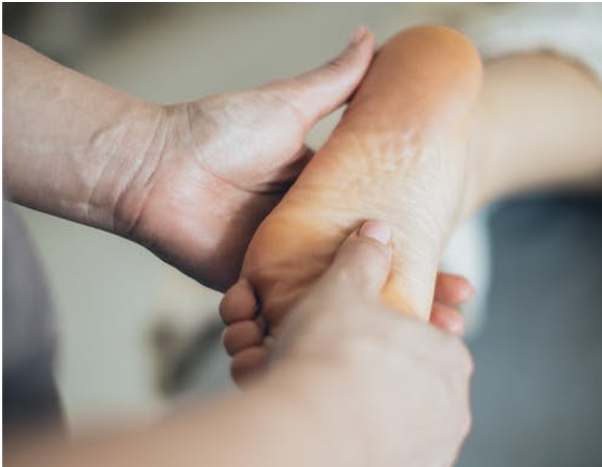
One of the most straightforward yet effective exercise for Plantar fasciitis is the rolling stretch. Place any round object under the foot and start rolling back and forth. This movement tends to loosen the foot muscle area and provide significant relief from the pain. People tend to use rolling pins, but there are also specialized foam rollers designed for this purpose. Place yourself on a chair, preferably a tall one, so that you can stretch your leg a little. Now roll the round object under the arch of the foot. Roll for two to three minutes. Watch this 2-minute video guide to start this Plantar Fascia exercise.

broken-heart-with-bandaid

Heart Attack Recovery: What You Need to Know

Having a heart attack is serious and scary. Unfortunately, the worries don’t end for some as they recover. We have found that one of the best ways to overcome heart attack anxiety is to have a plan of recovery. These are what we believe to be the most important tips to keep in mind during the recovery of a major cardiac event. 

Don’t Ignore Your Mental Health 

Heart attack or not, your mental health is very important. The reason we bring this up is because many often report feelings of depression and anxiety after experiencing a heart attack. If this is you, know that it’s completely normal. If you find yourself feeling this way more than a couple of weeks after the incident, mention it to your doctor. Be patient with yourself and don’t be afraid to reach out to friends and family for social support. 

Returning to Normal Activities Takes Time

You may feel like you want this to all be behind you and that may cause you to rush to doing activities at the same level as you were before. Realize that it will take time to get there, and it should, if you want to allow yourself to heal properly. 

Now Is the Time to Cut Tobacco

You probably already know it, but now is the time to eliminate or drastically reduce tobacco usage. Your quality of life will be much better and your heart will thank you for it. 

Diet is Key

Making healthier food choices can help aid in your recovery and provide a lasting change to your health. Choose foods low in sugar and sodium. Aim for a colorful plate with veggies, fruit, lean meat and whole grains. Planning your meals ahead of time will help you to make wise choices instead of a spur of the moment junk food choices. 

The Benefits of Elevated Activity

You should be able to return to activities like dressing and taking care of your personal hygiene immediately. For elevated activity, you can start walking at a pace recommended by the doctor. Walking is extremely good for the heart, so keep up daily walking as you progress through recovery. 

What to Do if You Think You’re Having Another Attack

Know the symptoms of a heart attack. They are chest pain, left arm pain, cold sweats, dizziness, jaw pain and fatigue. If you suspect an attack, you should immediately call 911. You may want to invest in an easy-to-use blood pressure monitor for peace of mind. 

As You Think about Your New Lifestyle, Remember the ABCs of Heart Health

A: Take Aspirin (Amount suggested by your doctor)

B: Control Your Blood Pressure

C: Take Care of Your Cholesterol 

If you or someone you love has recently suffered from a heart attack, we hope you find these tips helpful. Don’t hesitate to reach out to ACG Medical Supply for products to help make recovery easier for everyone. We’re here to help!

Walking

Walk Your Way to a Healthier You

Have you been keeping an eye on your cardio levels? Maybe even thinking you need to get a little more exercise in? If this sounds familiar, you’re in luck and you’re not alone. Nearly 75% of people are not getting the amount of exercise that is recommended for them to keep a healthy lifestyle, but it’s not too late to turn that around! We have just the tips and tricks to get those extra steps in to ensure that you’re getting the exercise you need and will be well on your way to a healthier you in no time.

How much exercise do people need?

We all know that exercise is good for us, but how much should we be fitting into our daily schedule? ChooseMyPlate.gov recommends the following amounts of physical activity for people of all ages below:

Children (2-5): Physical activity is generally safe for everyone, but there is not a set amount for children of this age. They generally have more energy and will have shorter bursts of activity which is normal. If you are concerned with the activity level of your child, contact your doctor today.

Adolescents (6-17): Children and adolescents should get 60 minutes or more of physical activity each day. Many times, this age of people are getting the amount of exercise needed from school programs and sports. It is important to encourage your children or grandchildren to keep involved and active in activities that keep them moving to promote a healthy lifestyle. 

Adults (18-64): Adults should do at least 2 hours and 30 minutes each week of aerobic physical activity at a moderate level OR 1 hour and 15 minutes each week of aerobic physical activity at a vigorous level. A good way to fit this into your week is to exercise for 30 minutes a day, 5 days a week. This allows you a couple of rest days in there for when you need a break or maybe don’t have the time that day.

Elderly Adults (65+): Elderly adults have similar recommendations for exercise, but have more flexibility as they should exercise as able. If you are unsure of what you should do to keep active, check with your doctor and ask for recommendations on what would be best for you.

What can you use to help you get your exercise in?

There are many different things that one can do to get the right amount of exercise daily. Below are some options for people of all ages to utilize.

Apps: There are hundreds of apps that one can download on their phone to help keep them on track while exercising, tracking time and even showing exactly what exercises to do. Whatever you’re looking for, try searching for it on your phone or looking up what apps might be right for you. You’re bound to find something you love and can stick to!

Walking aids: If you have a disability or are getting older, you may want to look into walking aids to ensure you are staying safe while getting your exercise in. ACG Medical offers a variety of walking aids to keep you safe! Check out our walkers and rollators here.

Equipment: There are many different things that you can have in your own home to avoid getting a gym membership or walking outdoors in dangerous conditions. It might be a good idea to look into getting a treadmill for walking or other equipment such as yoga balls, small weights and even bands that can be stretched out to keep from injuring yourself. While these are just a few guidelines and tips to help you live an active life, there is an endless list of things you can be doing to stay active. One simple tip would be, when in doubt, walk it out. Walking is essential in life and is a simple way to get your exercise in! If you’re looking for walking aids or other products to ensure you’re living a healthy lifestyle, check out ACG Medical. We’re here for you every step of the way.

Exercises

Top 5 Exercises for Wheelchair Users

Some are under the impression that life in a wheelchair means you can’t get very good exercise. We’re happy to report that nothing could be further from the truth. These are our favorite exercises for wheelchair users. By implementing regular exercise into your life, you will find yourself enjoying it even more!

1. Weight Training

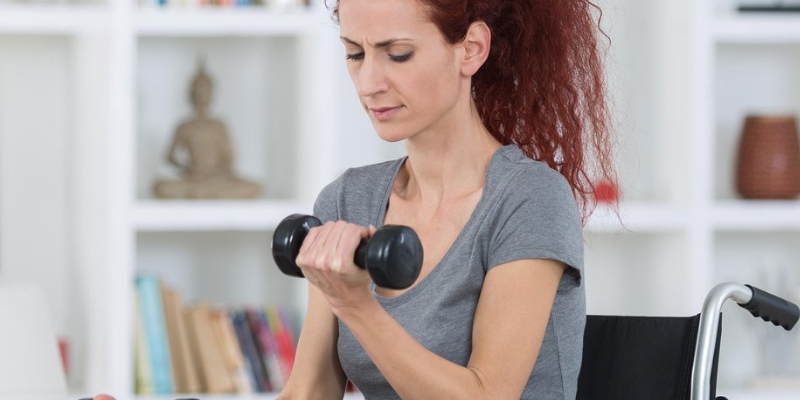
Being in a chair doesn’t need to limit your strength training. If you are a wheelchair user, you should try even harder to keep up your strength to keep your maximum mobility. Free weights can be used anywhere and will help to keep your arms and back strong.

2. Sprinting

You can get your cardio workout in right from your chair. Find a large area free of furniture where you can wheel from one side of the room to the other. Make a goal for how many times you will go back and forth. Each day add another round of wheel sprints to keep your cardiovascular system strong.

3. Back Extensions

Your back can quickly become sore from sitting. Strengthening your back can help with this. While seated, bend your upper body until you are parallel with the floor. Slowly come back up to an upright position.

4. Stretching

Stretching not only strengthens your muscles but it can help prevent injury. Slowly reach to the sky with both arms. Breathe in and out as you raise and lower your arms. This is a great move to do in the morning and at night.

5. Seated Core

Your core is central to overall strength. As you sit in your chair, place both feet flat on the floor. Lift one leg up as high as you can and bend your knee towards you. Hold this for five seconds and repeat on each side ten times. You can do this just about anywhere.

Perks of Movement

Moving is good for all of us, but even more so when you have limited mobility. You may have a more difficult time finding cardiovascular exercises, but heart health is important to us all. Be sure to pursue this to benefit your physical and mental well-being. When using a wheelchair every day, you are putting stress on the upper body that can lead you to be more susceptible to injury. Keep your body and mind strong with daily exercises like these!

When you or your loved one needs help getting around, ACG Medical Supply can help. Take a look at our online gallery to see what we have for you today.

Search Articles

Medical Tips in Your Inbox

Get expert recovery advice, equipment guides, and caregiver tips — delivered weekly. No spam, unsubscribe anytime.

Need equipment today?

Same-day or next-day delivery in the DFW area. Call us now for immediate assistance.