
Compression Garments

Compression Garments

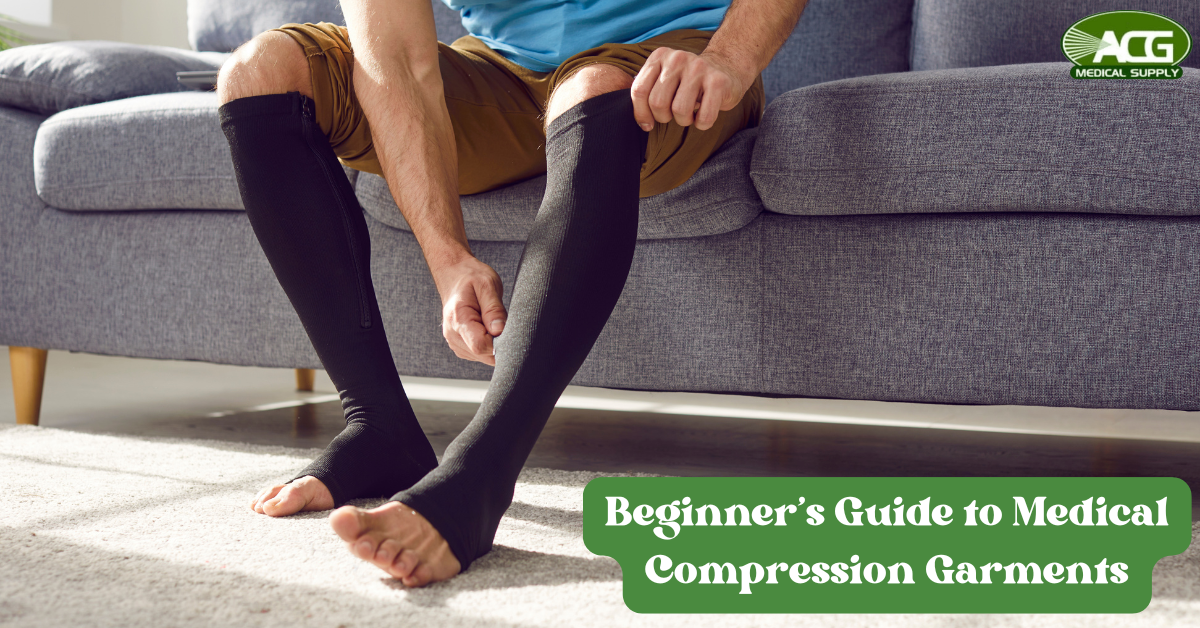
Beginner’s Guide to Medical Compression Garments

There’s no loud advertisement or dramatic before-and-after story behind compression garments. In fact, most people only hear about compression garments when they need them, after surgery, during treatment, or through someone quietly managing swelling or circulation issues.

And that’s part of their value. They don’t draw attention. They do their job.

Unlike many wearable health aids, compression isn’t about high-tech sensors or trends. It’s about consistent, carefully applied pressure that supports the body’s natural circulation, helps reduce swelling, and adds stability where needed.

At ACG Medical Supply, these garments aren’t treated as just another product. They’re part of a broader focus on practical solutions that help people live and move better, day by day.

Understanding Compression Garments

The purpose of compression garments is straightforward: apply controlled pressure to help with circulation and reduce swelling.

Common types you will come across while researching include:

  • Sleeves are for arms
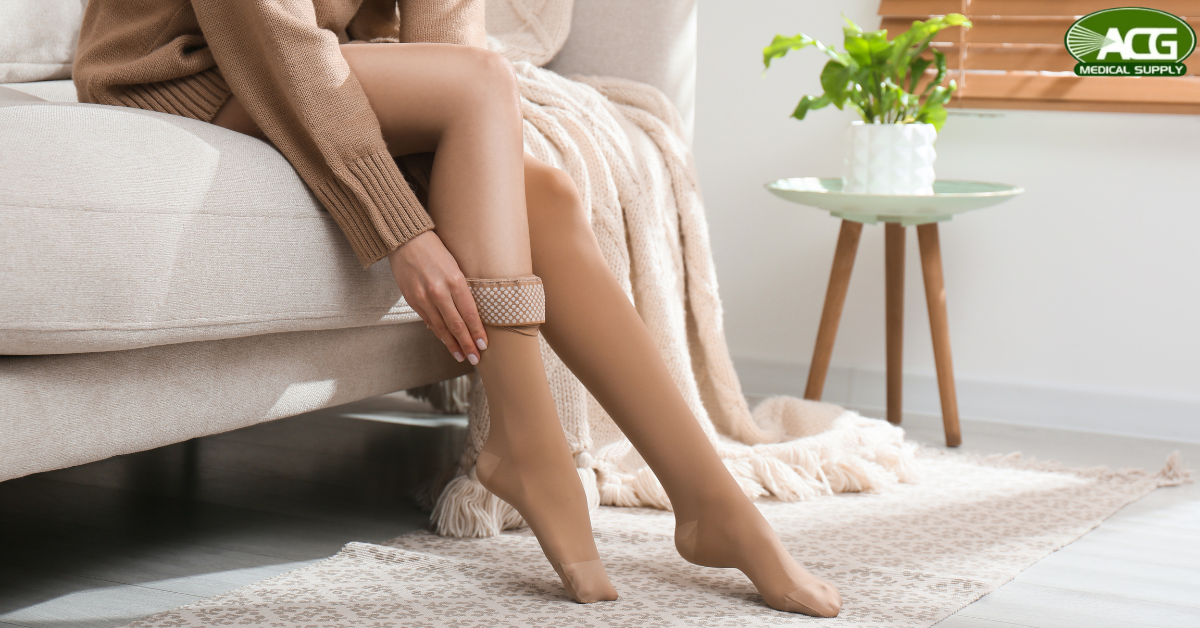
  • Socks and compression stockings are for legs
  • Wraps and bodysuits are for torso support

Doctors often recommend these for people who are recovering from a major abdominal surgery, dealing with varicose veins, or are suffering from chronic swelling. In cases like lymphedema support, they’re absolutely necessary.

And sometimes, people use them simply because standing for 10 hours a day takes a toll on their legs.

Who Are They For?

You don’t need to have a medical condition to benefit from compression garments. People who turn to medical compression garments come from all kinds of backgrounds:

  • People who work in a warehouse, nurses, and other people who are on their feet all day
  • People who run or go to the gym, as they most probably have sore or inflamed muscles
  • People who have had a recent surgery
  • Frequent travelers dealing with circulation issues
  • Those managing lymphoedema treatment for the legs

And of course, those under medical care for venous insufficiency or DVT risk rely on these garments long-term.

Types of Compression Garments

Not all compression garments are the same. There are specific garments made to support specific areas and needs. 

You’ll see compression stockings used mostly on the legs, ankle up to the thigh. They’re not fancy, but they help more than you’d expect. If your calves tend to swell up by the end of the day, stockings can really take the edge off. Then there are arm compression sleeves, they are less talked about but they are just as useful, mostly for people who are healing from surgery or people who are managing lymphedema, post-surgery compression garments also help in recovery after surgery, for example, surgical bras or full-body suits, offer that extra bit of support the body needs to heal without any complications while helping keep fluid buildup in check.

Choosing the Right Compression Level

There are several levels of compression a garment can provide. Fair warning, compression levels are measured in mmHg, which sounds like medical jargon, but it really only means how much pressure the garment puts on your body. 

8–15 mmHg (Mild)

Light support. This compression level is ideal for tired legs, mild swelling. No medical reason is needed for this level of compression.

15–20 mmHg (Moderate)

A bit stronger. This level of compression is great if you are pregnant, stand a lot at work, or have noticed early signs of varicose veins. This level also can be used without a prescription.

20–30 mmHg (Firm)

More structured support. This level is supposed to be used after suffering through a surgery or for issues like mild lymphedema. Check with a doctor before use.

30–40 mmHg (Extra Firm)

Medical-grade pressure. This level of compression is usually prescribed for serious vein or lymph issues. Use extra firm compression only when a doctor prescribes it.

Tips for Care and Comfort 

Here are a few small changes and habits that can make getting used to wearing medical compression garments every day a lot easier:

  • Wear them right after waking up; that’s when the swelling is at its lowest
  • Use gloves, they help grip the fabric and avoid damage while pulling them on
  • Wash regularly, either by hand or using cold cycles. Air drying preserves the elastic fibers
  • Replace them every 3 to 6 months or as soon as they feel loose or stretched

And here’s a detail that is really important to follow: if something feels off—too tight, too itchy, or just wrong—it’s okay to stop using it and get a refit. Compression should support you, not restrict you.

Conclusion

Compression garments are not really a flashy purchase when it comes to garments, but for those who need them, they’re absolutely life-changing. They do their job quietly and help people feel stronger, move more easily, and recover faster.

And with providers like ACG Medical Supply, finding the right fit is just a few clicks away.

FAQs

Q1: Do I need a prescription?
Not for all garments. Light and moderate pressure levels can often be bought over the counter.

Q2: Can I sleep in them?
Unless your doctor says so, it’s better to remove them at night. Body position changes while lying down.

Q3: How long should I wear compression garments?
Preferably all day, you should put them on first thing in the morning and remove them before going to bed at night, unless told otherwise.

Q4: Are they hard to put on?
They can be, especially higher-pressure ones. But gloves or a simple plastic aid can help a lot.

Q5: Are compression garments only for older adults?
No. People of all ages use them for work, travel, recovery, and comfort.
Hot and Cold Therapy Packs

Mastering Pain Relief: Your Guide to Hot and Cold Packs

Pain is a universal experience, and we all seek relief in our own ways. Often overlooked, hot and cold therapy packs offer a simple yet powerful solution for a variety of aches and pains. From minor discomforts to post-surgery recovery, these reliable tools have been providing comfort and support for generations.

In this article, we’ll explore how hot and cold therapy works, when to use each, and how they can help soothe discomfort and accelerate the healing process.

The Basics of Hot and Cold Therapy

Pain comes in many forms: a swollen ankle, a stiff back, or muscle soreness after an intense workout. While pain may vary, choosing the right therapy doesn’t have to be complicated.

  • Heat therapy relaxes muscles, increases blood flow, and helps ease stiffness, which makes it ideal for chronic pain or tightness.
  • Cold therapy, on the other hand, reduces swelling, numbs sharp pain, and minimizes inflammation, which is perfect for recent injuries.

By using them correctly, these therapies can help you manage discomfort at home effectively.

When to Choose Heat Therapy

Think of heat therapy as a comforting embrace for your muscles. It’s especially helpful for chronic pain or ongoing discomfort. By gently increasing blood flow and relaxing tight muscles, heat therapy helps soothe the body and ease persistent tension.

Common uses:

  • Easing lower back pain or stiff neck muscles
  • Relaxing tight hamstrings or quads after exercise
  • Soothing menstrual cramps

How to apply:

  • Place a hot therapy pack on the affected area for 15–20 minutes.
  • Ensure the pack isn’t too hot to avoid burns. Wrap it in a cloth if necessary.
  • Use heat before physical activity to prepare stiff muscles.

The Power of Cold Therapy

Cold therapy is all about damage control. When you experience a sprain, strain, or bruise, applying cold can bring down swelling, reduce inflammation, and numb acute pain. This method is also commonly used for sports injuries and recovery.

Common uses:

  • Sprained ankles or knees
  • Post-workout muscle soreness
  • Swollen joints or sharp, localized pain

How to apply:

  • Apply a cold therapy pack immediately after an injury for 10–15 minutes at a time.
  • Wrap the pack in a towel to avoid direct contact with the skin, which can cause frostbite.
  • Consider options like the Aircast cryo cuff gravity cooler, which provides consistent cooling for deeper relief.

When to Use Both: Hot and Cold Therapy

Certain conditions call for a combination approach, where a hot and cold therapy pack proves highly effective. This method is especially beneficial for chronic injuries or stiffness that also involves occasional swelling. By using both heat and cold strategically, you can target pain from multiple angles and promote faster recovery.

How to use a hot and cold therapy pack effectively:

  • Begin with a cold therapy pack for the first 48 hours to reduce swelling and numb the area.
  • After the initial phase, switch to a hot therapy pack to relax muscles and improve blood flow.
  • If needed, alternate between the two, allowing time between sessions to avoid irritation or overexposure.

Using a hot and cold therapy pack in this way ensures you address both the inflammation and muscle tightness for comprehensive pain relief.

Helping with Recovery After Surgery

After surgery, managing pain and swelling is key to healing. Post-surgery recovery packs help by using both heat and cold therapy.

In the first 48–72 hours, use cold compression therapy, like the Aircast cryo cuff gravity cooler, to reduce swelling and numb pain. Once the swelling goes down, switch to a hot therapy pack to help improve blood flow, relax muscles, and reduce stiffness.

Alternating between cold therapy packs and hot therapy packs provides balanced relief and supports quicker recovery. Always follow your doctor’s advice on how to use them safely.

Choosing the Right Products

Finding high-quality packs is essential for effective pain management. At ACG Medical Supply, you’ll find a range of hot and cold therapy packs, cold compression therapy products, and specialized items like post-surgery recovery packs. Choose packs that are durable, reusable, and designed for your specific needs.

Tips for Safe Use

While hot and cold therapy packs are generally safe, following these precautions will enhance their effectiveness:

  • Never apply heat or cold directly to broken skin.
  • Limit sessions to 15–20 minutes to prevent skin damage.
  • If pain persists, consult a healthcare professional.

When to Seek Professional Help

While these pain relief therapies are highly effective, they aren’t a cure-all. If your pain doesn’t subside or worsens, it’s crucial to consult a medical expert. Persistent pain could be a sign of a more serious condition requiring professional treatment.

Conclusion Hot and cold therapy is a powerful and simple method to relieve pain and support recovery. By using cold therapy to reduce swelling and heat therapy to ease muscle stiffness, you can effectively manage discomfort and speed up the healing process. Always ensure you’re following the right approach at the right stage of recovery, and consult your doctor for guidance. With the right techniques, you’ll find relief and get back to your daily routine more quickly.

Compression Garments

Better Your Lymphedema Care with Medicare-Covered Compression Garments 

Living with lymphedema can be challenging, but with the right care and support, managing this condition becomes much easier. One of the most effective ways to manage lymphedema treatment is through the use of compression garments. These garments play a crucial role in controlling swelling and preventing complications. Plus, did you know that Medicare covers compression garments? Let’s dive into how you can benefit from this coverage and enhance your lymphedema therapy.

Understanding Lymphedema and Its Management

Lymphedema is a condition where lymph fluid builds up, typically in the arms or legs, causing swelling and discomfort. Several causes could trigger this condition, including surgery, radiation treatment, or infections. Proper management of lymphedema is essential to maintain your quality of life, and compression garments are a cornerstone of this management.

Compression garments apply gentle pressure to the affected area, encouraging the lymph fluid to move which results in the reduction of swelling. They come in various forms, including sleeves, stockings, and socks, tailored to fit different parts of the body.

Medicare Coverage for Compression Garments

One of the biggest concerns for individuals needing medical compression stockings or sleeves is the cost. Fortunately, as of January 1st, 2024, Medicare has begun to provide lymphedema support for these essential items under certain conditions. Generally, the rules say that Medicare Part B will cover these compression garments if a doctor states they are medically necessary.

To ensure you get the most out of your Medicare benefits, it’s important to work with reputable medical suppliers. ACG Medical Supply is an excellent resource, offering a range of compression garments that meet Medicare requirements. These garments are made from high-quality materials that are gentle on the skin while providing the necessary compression to reduce swelling and discomfort.

Choosing the Right Compression Garments

Selecting the right compression garments is crucial for effective lymphedema therapy. Here are a couple of popular options available:

  • Duomed Advantage Compression Socks: These socks are designed for comfort and effectiveness, providing the necessary pressure to reduce swelling and improve circulation. Perfect for daily wear, they come in various sizes to ensure a good fit. You also have the option to pick from closed or open-toe options, making them a versatile choice for anyone undergoing lymphedema treatment.
  • Mediven Harmony Arm Sleeve: This arm sleeve offers a blend of comfort and therapeutic effectiveness, making it ideal for those who need consistent pressure on their arm to manage lymphedema therapy. The sleeve is designed to be easy to put on and take off, adding convenience to daily use. Available at ACG Medical Supply, it is an excellent choice for anyone seeking lymphedema support with a reliable and effective compression garment.

When selecting your compression garments, it’s essential to get professionally measured. Proper fitting ensures maximum effectiveness and comfort. If you’re wondering where to start, a quick search for lymphedema therapy near me can point you to local clinics and suppliers who specialize in lymphedema management.

Benefits of Compression Garments

The benefits of using compression garments for lymphedema are numerous:

Reduction in Swelling: Consistent use of compression garments helps to minimize fluid buildup, promotes lymphatic drainage, and reduces swelling in the affected areas.

Improved Mobility: By controlling swelling, these garments can significantly improve your mobility and reduce discomfort, allowing you to lead a more active lifestyle.

Prevention of Complications: Proper management of lymphedema with compression garments can prevent complications such as infections and fibrosis.

Enhanced Comfort: Modern compression garments are designed with comfort in mind. They are made from breathable materials that wick moisture away, keeping your skin dry and comfortable throughout the day.

Getting Support for Lymphedema

Living with lymphedema can be pretty isolating, but remember you are not alone. Joining a lymphedema support group can get you some valuable insights, emotional support, and practical tips you never knew from others who understand what you are going through. These groups can be found online or through local health organizations.

Conclusion

Managing lymphedema effectively requires the right tools and support. And now, with Medicare’s coverage for compression garments, you can access high-quality products like Duomed Advantage Compression Socks and the Mediven Harmony Arm Sleeve without worrying about the cost. Partnering with a reliable supplier like ACG Medical Supply ensures you get the right fit and support for your needs. So, take charge of your lymphedema therapy today. Explore the available options for compression garments, get the right support, and wrap up your lymphedema care with confidence. Remember, effective lymphedema management is just a compression garment away!

Search Articles

Medical Tips in Your Inbox

Get expert recovery advice, equipment guides, and caregiver tips — delivered weekly. No spam, unsubscribe anytime.

Need equipment today?

Same-day or next-day delivery in the DFW area. Call us now for immediate assistance.