Electric Wheelchairs

Electric Wheelchair

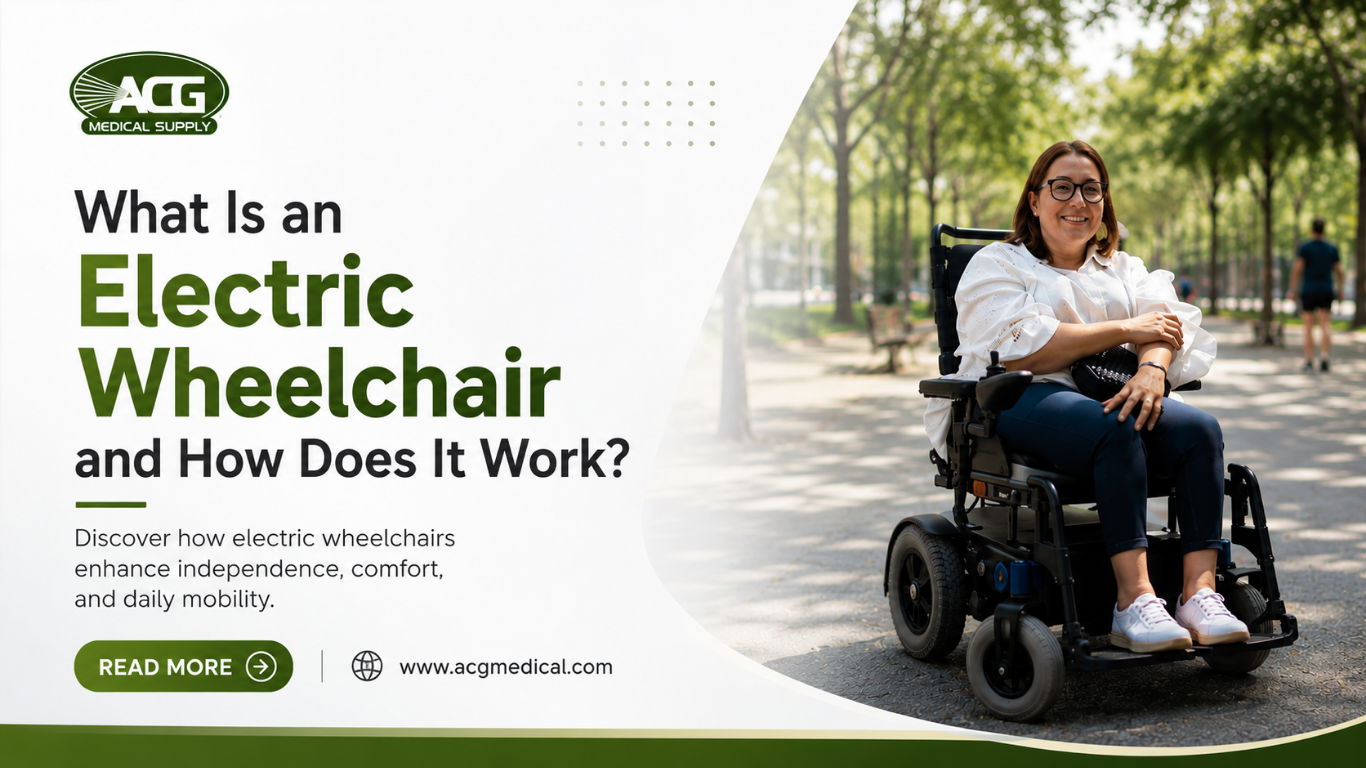
What Is an Electric Wheelchair and How Does It Work?

Rotator cuff damage shows up in long-term manual wheelchair users at a rate that genuinely catches both patients and medical professionals off guard. Years of self-propelling put the delicate human shoulder joint through a daily, repetitive workload it was never meant to handle. Over time, the major reason why the modern Electric wheelchair exists today.

But not all of them steer the same way, run the same distance, or fit the same body. A power wheelchair built for outdoor terrain is a fundamentally different machine from a nimble chair designed to maneuver through the tight corners of a small apartment. The battery in a travel-ready folding electric wheelchair works differently from the one in a heavy-duty daily-use chair. These nuanced differences are not minor details; they are the core variables upon which a user’s entire mobility and independence depend. In this thought leadership piece, we will explore the engineering, variety, and profound lifestyle impacts of these essential devices.

How Does an Electric Wheelchair Work?

Understanding how an electric wheelchair works is easier than you would expect. The foundation consists of three primary components: a battery, two small motors, and a joystick. 

The electric wheelchair battery sits securely under or behind the seating system, acting as the lifeblood of the device. The motors spin the wheels. The rider uses a wheelchair joystick control (a small stick on the armrest) to direct the chair in the direction they want. When they push it forward, the chair rolls forward; when they push it left, it turns left. It’s not that different from steering a car, and the riders get comfortable with it within a few minutes of trying.

Now, how does an electric wheelchair work for someone who can’t use their hands? Good question. Some people use a chin-operated joystick instead; some people blow into a tube (a system called sip-and-puff), and the chair responds to that; and some use head movement to move the chair. The core drive system remains unchanged; it is simply the method of human-machine communication that evolves to meet the user’s specific physical requirements. 

Next is the battery. An electric wheelchair’s battery range is usually somewhere between 10 and 20 miles on a full charge. Different environments like hills, heavier riders, and rough ground all of that bring the number down. Charging the wheelchair takes somewhere around 6 to 8 hours. Lithium-ion batteries are lighter and charge a bit faster. Sealed lead-acid ones are cheaper and easier to find replacements for. Neither is the obvious winner; it all depends on the situation.

Electric Wheelchair Features That Actually Affect Daily Use

A lot of specs get listed under electric wheelchair features. Some of them are actually important, and some of them are there just to fill the page.

Seat size is one thing people get wrong, and it is very consistent (not a good thing). A seat that’s too wide means the rider is leaning to one side all day; if it’s too narrow, the pressure on the hips builds up, and for someone sitting in this chair for six, eight, ten hours a day, that’s not a minor thing; it leads to severe skin and posture problems over time. The same goes for where the footrests sit and whether the armrests flip back for easier transfers.

Drive wheel position is something worth understanding before buying a motorized wheelchair. Mid-wheel drive (where the big wheels sit directly under the rider) gives the tightest turning circle; it’s absolutely brilliant for small kitchens and narrow hallways. Rear-wheel drive is steadier at speed, and they handle outdoor surfaces better. Front-wheel drive is less common,n but it copes well with rougher terrain.

Speed is usually between 4 and 6 mph on standard models. Some can even go faster, er but for getting around a house or popping to the shops, 4 mph is fine.

Types of Electric Wheelchairs

There are several different types of electric wheelchairs that look pretty similar to each other in online photos. In real life, they’re set up for different use cases entirely.

Folding electric wheelchairs exist because everyone goes out and about, and they need to get their chair in and out of a car. The frame folds down (sometimes with one pull of a strap) in a small enough size to fit in a standard boot. The downside is they weigh a bit more because of the extra folding parts.

Lightweight electric wheelchairs tackle that weight problem head-on. Carbon fiber frames have gotten some models down to around 33 lbs. ACG Medical carries the Cricket Power Wheelchair at exactly that weight. When the person lifting the chair into the car isn’t the one riding it (a spouse, a family member, a carer), that weight difference is genuinely felt. Airports are another story altogether, because you know baggage handlers are not known for their gentleness.

Heavy-duty chairs are built for none of that. Wider seats, reinforced frames, and weight capacities going up to 450 lbs or more. They are built to last under daily use, not to be lifted into a boot every morning.

Benefits of Electric Wheelchairs

Getting a motorized chair is really about saving energy. The sheer physical exhaustion of fighting a mobility issue drains a person’s mood and motivation. The main benefits of electric wheelchairs revolve around eliminating that friction; users save their stamina for the good parts of life.

Another massive perk is the flawless indoor-outdoor mobility. Nobody has to switch from a walker to a scooter just to get the mail. A user can drive from the kitchen tile, over the living room rug, out the front door, and down the concrete sidewalk all in the same comfortable seat. Modern tires handle different textures brilliantly without getting bogged down.

Accepting the need for one of these chairs is a major emotional hurdle. That makes complete sense. But once people leap, they wish they had done it years earlier. The relief of just moving through the world without pain or extreme fatigue cannot be overstated. It gives people their time, their freedom, and their confidence back.

Mobility Aids Overview

Understanding the landscape of available assistance is vital for comprehensive care. Below is a quick reference guide to standard mobility aids:

Type of AidKey Feature
CanesLightweight and portable
WalkersFour-legged for extra support
WheelchairsManual or powered options
ScootersElectric with user-friendly controls

Conclusion

The engineering behind the modern Electric wheelchair has evolved significantly from the bulky, difficult-to-transport devices of the past. Today’s market offers highly specialized options capable of fitting seamlessly into a vastly wider range of lifestyles, travel habits, and medical needs. For an extensive look at top-tier mobility solutions tailored to individual requirements, you can explore specialized models and expert guidance at ACG Medical Supply.

FAQs

Are these chairs hard to drive? 

No, driving is super simple and takes just a few minutes to learn.

How often do I need to charge it? 

Plug it into the wall every night before you go to sleep.

Can I take one on an airplane? 

Yes, most of the lighter folding models are allowed on planes.

Will the tires ruin my carpet? 

No, standard models use smooth tires that are safe for house floors.

Wheelchairs

Wheelchair Buying Guide for First-Time Users

Shopping for your first wheelchair can seem easy at first, but it gets overwhelming pretty fast. One moment you’re just looking, and the next you’re buried in different models, features, and prices. It’s enough to make anyone’s head spin. And then there’s the other part (the emotional bit) of coming to terms with the fact that you or someone close to you will be using a wheelchair. That’s no small thing. Feeling a little lost at the start? Yeah… most people do.

That’s why we put this guide together with no tech talk overload, no walls of confusing terms, just the key stuff you need to know so you can pick a wheelchair that’s comfortable, practical, and actually works for your life.

Understanding the different types of wheelchairs

There are hundreds of wheelchair models available in the market. All of them are built in different ways and for different needs: staying active, traveling light, getting more support, you name it. Knowing the differences now will make it much easier to choose one you’ll actually enjoy using. Let’s go through the main options.

Manual Wheelchairs

These are the chairs you’re probably the most familiar with. They are moved by pushing the rims yourself or with help from someone who can push the chair from behind. They’re lightweight wheelchairs, easy to fold, and pretty budget-friendly. Manual Wheelchairs are perfect if you’ve got some upper-body strength and like the idea of staying active. 

Bonus: they slide into most car trunks without a wrestling match.

Transport Wheelchairs

Think of Transport Wheelchairs (sometimes called companion wheelchairs) as the “ride-along” option. The smaller wheels aren’t just a design choice; they mean you won’t be propelling yourself. Instead, a friend, family member, or caregiver gets to do the pushing.

They fold up quickly. You can slide one into a car trunk, carry it up a step or two, or put it in a closet without much effort. Which ultimately makes them great for short trips, like a quick doctor’s visit, a stroll through the mall, or getting through the airport without having to carry the bulk of a heavier chair.

Electric and Power Wheelchairs

An Electric or Power Wheelchair is a great option if you can’t push a wheelchair on your own, or just want an easier way to get around. Power and Electric Wheelchairs are controlled with a joystick and work well in small spaces with tight turns or over longer distances. Yes, they’re heavier and need regular charging, but the trade-off is complete independence.

Finding your fit: a quick comparison

Wheelchair TypeWhat’s Great About ItWhat to Watch ForWho It’s Best For
Manual WheelchairsLight, affordable, low maintenanceNeeds physical effort to moveActive users, those with some strength
Electric WheelchairsEasy to use, great for longer distancesHeavier, requires chargingUsers with limited upper-body strength
Transport WheelchairsCompact and portableRequires someone to pushShort trips, travel
Companion WheelchairsComfortable for the user and the caregiverNot self-propelledThose needing assistance
Lightweight WheelchairsEasy to carry and transportMight be less ruggedTravelers and active users

Key factors to think about before purchasing your first wheelchair

Before falling for the first wheelchair you see, think about:

  • Your physical ability – Do you have the arm strength for manual? Or would a motorized option be a better long-term fit?
  • Where you’ll use it – Indoors only? Outdoors on uneven ground? Both? The terrain really matters.
  • How often you’ll transport it – If your chair is going in and out of a car several times a week, you’ll thank yourself for choosing something light and easy to fold.
  • Comfort – If you’ll be in the chair for long stretches, think beyond the basics. Cushions, lumbar support, and adjustable seating can make all the difference between “bearable” and “actually enjoyable.”
  • Budget – Prices range widely, but remember: this is something you’ll rely on daily. Quality and durability will pay for themselves over time.

Additional tips for buying your first wheelchair

  • Test drive it – Comfort and maneuverability aren’t obvious from a picture.
  • Measure twice – Seat width, depth, and height should fit you like your favorite pair of jeans—snug, but not restrictive.
  • Check your space – Will it glide through your doorways? Fold into your trunk without a wrestling match?
  • Always ask about aftercare – This includes information about repairs, warranties, and servicing. This information is worth knowing before something in your wheelchair breaks.

Conclusion

The right wheelchair should make your days easier. It should feel good to sit in, fit your routine, and go where you go, without making you think twice about it. Take your time. Try a few. Notice what feels right, and what doesn’t.

At ACG Medical Supply, we’ll help you land on a chair that works for you from the very beginning, so you can get on with living your life instead of fussing over your wheels.

FAQs

 Q1: Can I use a manual wheelchair if I don’t have much upper-body strength?
If pushing is hard, an electric or companion wheelchair will likely be more comfortable.

Q2: How long does a wheelchair usually last?
Most quality wheelchairs last 3–5 years.

Q3: Are power wheelchairs tricky to use?
Not really, most are intuitive and easy to control.

Q4: What if I have low upper-body strength?
An electric or companion wheelchair will probably suit you better than a manual

Electric Mobility Wheelchairs

Why Electric Wheelchairs Are Better Than Manual Options

In a world where mobility is a cornerstone of independence, choosing the right wheelchair can make all the difference. For many, the decision boils down to two options: manual or electric. While manual wheelchairs have their place, electric wheelchairs from trusted providers like ACG Medical Supply are increasingly becoming the go-to choice for those seeking convenience, functionality, and enhanced mobility. Let’s explore why power wheelchairs stand out as a superior solution.

Understanding the Basics: Manual vs. Electric Wheelchairs

Before diving into the advantages, it’s crucial to understand the primary differences between manual and electric wheelchairs:

  • Manual Wheelchairs: These require the user to propel themselves or rely on a caregiver for movement. They’re lightweight and cost-effective but demand significant upper-body strength and stamina.
  • Electric Wheelchairs: Also known as power wheelchairs, these are battery-operated and equipped with a joystick or control panel, offering effortless mobility.

Why Choose Electric Wheelchairs?

Here are compelling reasons why electric wheelchairs outshine their manual counterparts:

1. Ease of Use

Manual wheelchairs can be physically demanding, especially for long-term use. In contrast, electric wheelchairs are designed for effortless operation:

  •  Electric wheelchairs are equipped with intuitive controls, such as joysticks or touchpads, allowing users to move smoothly in any direction without straining their arms or shoulders.
  • These wheelchairs are particularly beneficial for individuals who find it difficult to propel a manual wheelchair due to medical conditions like arthritis, muscular dystrophy, or other mobility impairments.

In short, electric wheelchairs empower users to move independently and comfortably, with minimal physical effort.

2. Enhanced Comfort

Modern electric wheelchairs prioritize user comfort with features like:

  • Adjustable seats and footrests.
  • Padded seating for long hours of use.
  • Smooth rides over uneven terrain, minimizing jolts and discomfort.

3. Greater Independence

Regaining or maintaining independence is life-changing. Power wheelchairs empower users to:

  • Move freely without assistance.
  • Travel longer distances, whether indoors or outdoors.
  • Customize speed settings to suit personal preferences.

4. Versatility and Variety

ACG Medical Supply offers an impressive range of mobility solutions, including:

  • Heavy-duty power chairs for bariatric users.
  • Lightweight wheelchairs for easy transportation.
  • Portable power wheelchairs for travel enthusiasts.

This variety ensures there’s a perfect match for every user’s needs.

5. Advanced Technology

The integration of technology is a game-changer in mobility solutions:

  • Battery-powered operation for extended use.
  • Smart features like anti-tilt wheels and obstacle sensors.
  • Customizable controls for a seamless user experience.

Key Benefits of Electric Wheelchairs

Electric wheelchairs don’t just offer convenience; they elevate the overall quality of life. Here are some additional benefits:

  • Time-saving: Cover more ground in less time compared to manual wheelchairs.
  • Energy-efficient: Conserve energy for other activities rather than exerting it on mobility.
  • Improved safety: Enhanced stability reduces the risk of tipping over, particularly on uneven surfaces.
  • Suitable for all ages: Whether for elderly individuals or younger users with mobility challenges, electric wheelchairs cater to diverse age groups.

Choosing the Right Electric Wheelchair

When selecting an electric wheelchair, consider these factors:

  1. Purpose: Are you looking for everyday use or specific activities like travel? Portable power wheelchairs are great for on-the-go users.
  2. Weight capacity: Opt for heavy-duty power chairs if you need additional support.
  3. Terrain: Choose models with advanced suspension for outdoor use.
  4. Battery life: Ensure the wheelchair meets your daily usage requirements without frequent recharges.
  5. Customization options: Features like adjustable seating and controls enhance user comfort.

Tips for Maintaining Your Electric Wheelchair

To keep your electric wheelchair in optimal condition:

  • Charge the battery regularly and avoid letting it completely deplete.
  • Clean the wheelchair to remove dirt and debris.
  • Schedule periodic maintenance checks with reliable providers.
  • Inspect tires, brakes, and controls for wear and tear.

Final Thoughts

Electric wheelchairs have revolutionized the world of mobility solutions, offering unmatched convenience, comfort, and independence. Whether you’re seeking a reliable daily companion or a travel-friendly option, ACG Medical Supply has a wide array of choices, from lightweight wheelchairs to heavy-duty power chairs. By investing in an electric wheelchair, you’re not just purchasing a mobility aid—you’re unlocking a new chapter of freedom and possibilities. If you’re ready to enhance your mobility journey, explore the range of mobility wheelchairs at ACG Medical Supply today. Your next step toward independence is just a click away!

Search Articles

Medical Tips in Your Inbox

Get expert recovery advice, equipment guides, and caregiver tips — delivered weekly. No spam, unsubscribe anytime.

Need equipment today?

Same-day or next-day delivery in the DFW area. Call us now for immediate assistance.