Uncategorized

Patient Transfer Lifts

How to Safely Use Patient Transfer Lifts: A Guide for Caregivers

Caring for a loved one who has limited mobility is a big act of love, but it can take a toll on shoulders, backs, and peace of mind. ACG Medical Supply stocks an entire lineup of patient transfer lifts that lower the physical strain on caregivers while keeping transfers secure and dignified for the person in the sling. This guide breaks down what today’s lifts can do, types of lifts available, and—most importantly—how to use a patient lift the safe, confidence-building way.

Why a Patient Lift Belongs in Every Home-Care Toolbox

Lifting an adult isn’t just heavy; it’s downright awkward. Twisting while supporting weight places up to 1,200lbs of force on a caregiver’s spine.

Here’s why every home-care setup benefits from a lift:

  • Saves your back (and shoulders). Lifts take the heavy strain off, so you’re not twisting or overexerting yourself every time you help someone move.
  • Ensures patients are transferred from one to another comfortably without feeling pulled or dragged.
  • Creates safer environments by lowering the chance of falls or skin tears.
  • Saves time and energy, leaving more room for quality interactions instead of stressful lifting.

And it’s not just about muscles and joints. Safe transfers mean fewer skin tears, less chance of falls, and none of that unsettling “being manhandled” feeling. In short, a lift protects bodies and relationships.

Types of Patient Transfer Lifts

Different households and care needs call for different styles of lifts. Here’s a breakdown of common types:

Lift StyleBest ForKey Benefits
Manual Hydraulic LiftBudget-conscious homes or occasional transfersNo batteries required, simple to use, reliable
Electric Sit-To-Stand Patient Lift ChairUsers who can bear some weight and follow cuesEncourages leg strength, supports quick bathroom trips
Full-Body Electric (Hoyer-style)Individuals with no weight-bearing abilityQuiet motor, smooth and steady lifting
Bariatric ModelsPatients over 400 lbsReinforced frames, wider booms for added stability

Each type of lift has its place. Some families go with a manual patient lift because it’s budget-friendly and dependable. Others lean toward using a Hoyer Lift at home when patient transfers are more frequent and comfort is the utmost priority.

How to Use a Patient Lift: Step-by-Step Guide

Using a lift isn’t that difficult, but like most new things, using the lift feels easier after a little practice. The trick is to take it slow and follow the same pattern each time. Here’s a step-by-step patient lift guide:

1. Prep the Lift and Sling

Before anything else, give the lift a once-over. Are the wheels rolling smoothly? Brakes locking in place? If it’s electric, check that the battery isn’t on its last leg because you don’t want it dying halfway through. Lay the sling out flat and untangled; a twisted sling is a headache you don’t want mid-transfer.

2. Position the Sling

This part feels tricky at first, but gets easier. Gently roll your loved one onto their side, slide the sling under them, then roll them back. Smooth it out under the shoulders and thighs so there’s no bunching or pinching; comfort matters more than speed here.

3. Attach and Begin the Lift

Clip the sling straps into the hooks, then pause and double-check every single one. Nothing’s worse than realizing a strap isn’t secure once you’re mid-air. When you start lifting, go really slow. If the person looks anxious, take a minute and reassure them.

4. Move with Care

Don’t unlock the brakes until you are actually ready to move, and when you do, take it easy around rugs, furniture, or whatever clutter’s in the way. Always keep an eye on how the person in the lift is feeling, and talk to them through it. Saying simple things like “We’re moving now” or “almost there” can make them feel safer and more involved.

5. Lower and Settle

Lock those brakes again before lowering the patient. Guide them gently into the chair, bed, or wherever they’re headed. Only unclip the sling once they’re sitting safely and securely.

Patient Lift Safety Tips for Every Caregiver 

A patient lift certainly makes things a lot easier, but safety still comes first. A few golden rules:

  • Read the manual. Is it boring? Yes. But is it necessary? Also yes.
  • Take your time. This isn’t a race. Rushing usually ends in mistakes.
  • Double-check every strap and clip before lifting.
  • Clear the floor. Even a stray sock can turn into a hazard.
  • Keep talking. Let the patient know what’s happening so there are no surprises.
  • Stick to the weight limits. No exceptions.
  • Practice first. Run through it with a friend, a pillow, or even just on your own before trying it with the patient.

Conclusion

Patient transfer lifts really are lifesavers, for both the person doing the lifting and the one being lifted. They take away so much of the stress and strain that usually comes with patient transfers. Instead of worrying about your back giving out or whether you’ll lose balance and fall, you can actually relax. And honestly, once you’ve practiced a few times, using a lift feels easier than ever. It just becomes part of the routine, like second nature.

FAQs:

Q1: Manual vs. electric—what’s the difference?
Manual lifts use a pump handle and they are more affordable. Electric lifts run on a motor, less effort, smoother motion.

Q2: Sit-to-Stand or full-body?
If the person can bear some weight, go Sit-to-Stand. If not, a full-body (Hoyer) is safer.

Q3: How do I transfer safely at home?
Take it slow, check straps and brakes, and walk them through each step.

Q4: Do lifts need maintenance?
Yes, you should check brakes, wheels, and slings regularly. If you using an electric one, then recharge or replace batteries when needed.

Q5: Are they hard to learn?
Not really. The first time might feel a little awkward and tricky, but after a couple of times you’ll get the hang of it.

Mobility Aids For Home

5 Ways Mobility Aids Enhance Home Safety and Freedom

Home should feel like a place of comfort, not a maze of daily challenges. For many older adults or people recovering from injury, moving from room to room, standing up from a chair, or using the bathroom can be tricky and risky. That’s where mobility aids come in. These practical, often underrated tools don’t just help with physical movement; they restore a sense of dignity, freedom, and confidence. From enhancing safety to promoting independence, they’re not just accessories, they’re essentials.

At ACG Medical Supply, we understand how mobility aids for home safety make everyday living easier and more secure. From a simple cane to a high-tech stair lift, the goal remains the same: to help you move safely and live freely.

Let’s explore five practical ways these tools can help you stay safe, independent, and comfortable at home.

1. Mobility Aids Turn Risky Spaces Into Safe Zones

Slippery bathroom tiles, steep staircases, and narrow doorways can all become safety hazards as mobility declines. But with the right support, those same spaces can feel safe again. Items like Bed Rails help prevent nighttime falls, while Transfer Benches and Shower Chairs make getting in and out of the tub less dangerous. These aren’t luxury items, they’re practical tools that reduce fall risk and give users and caregivers peace of mind. The difference these aids make can be life-changing, especially for seniors who want to stay in their own homes longer.

2. Lift Chairs Help You Stand With Confidence

If getting out of a chair leaves you winded or wobbly, a Mobility Lift Chair might just change your life. It looks like a cozy recliner but has one big difference: it tilts forward to gently help you stand, without the awkward pulling or strain on joints.

No more struggling to rise. No more needing assistance every time you get up. It’s an effortless way to regain independence and it blends beautifully into your living room, too.

3. Bath Time Gets Simpler (And Safer)

Bathrooms can be surprisingly dangerous. A wet floor or slippery tub is all it takes to cause an accident. Transfer Benches and Shower Chairs create a stable seat, reducing the need to stand for long periods and making it easier to get clean without fear. For many, they also offer a sense of privacy and control in a space where help might otherwise be needed. It’s a small change that adds dignity back into the routine.

4. Stair Lifts Open Up the Whole House Again

If stairs have become an obstacle, a Stair Lift can reopen an entire floor of your home. Instead of avoiding the upper level or limiting yourself to just the downstairs, stair lifts allow you to travel between levels with ease. They’re motorized, easy to operate, and surprisingly compact. Having one installed means you don’t have to consider moving or remodeling, your home remains fully accessible, and you stay in the environment you love.

5. Canes and Quad Canes Offer Everyday Balance

Sometimes you only need a little extra help, and that’s where Quad Canes shine. Lightweight, portable, and easy to store, they provide just enough stability for those who feel unsteady on their feet. Quad canes, in particular, offer a wider base for even more balance. They’re perfect for short walks around the house, going out to get the mail, or even navigating small steps. They don’t get in the way—but they’re always there when you need them.

What Mobility Aids Really Give You

The real value of mobility aids for seniors at home goes beyond the physical. These tools help bring back something priceless: independence.

Here’s what they help you feel:

  • In control of your own routine
  • Less dependent on others
  • More confident doing everyday tasks

A shower chair or lift chair might not look life-changing, but for many people, it absolutely is.

Conclusion

You don’t have to wait for a fall to make a change. ACG Medical Supply offers a wide range of mobility aids for home safety to help you or someone you love live safer and freer. From mobility lift chairs to Stair Lifts, Bed Rails, Transfer Benches and Shower Chairs, and Canes and Quad Canes, there’s something for every need. Every home can be a safer place. Every person deserves to move with confidence. And it all starts with the right mobility aid.

FAQs

1. What is the best mobility aid for seniors with balance issues?
Canes and quad canes are great for light support, while walkers provide more stability for those with greater balance concerns.

2. Are stair lifts difficult to install in older homes?
Not at all. Most stair lifts are designed to fit standard staircases and can be installed without major renovations.

3. Can I use a lift chair if I have limited mobility in my legs?
Yes, lift chairs are specifically designed to help people with leg weakness or joint pain stand up safely and comfortably.

4. Is a shower chair suitable for small bathrooms?
Yes, many shower chairs are compact and foldable, making them ideal even for tight bathroom spaces.

5. Can mobility aids be used temporarily during recovery?
Yes, many mobility aids are perfect for short-term use after surgery or injury and can be returned or adjusted as recovery progresses.

Vehicle Ramps for Scooters and Wheelchairs

A Guide to Mobility Ramps for Wheelchairs and Scooters

Sometimes, the smallest step can feel like the tallest mountain. A doorway threshold. A curb outside the grocery store. The back of your SUV. For someone using a wheelchair or scooter, these everyday moments can create unnecessary limits.

Here’s the best part: they don’t have to.

Mobility ramps and lifts are more than just tools — they’re quiet problem-solvers that give back independence, ease, and comfort. And with the right one by your side, that “tall mountain” becomes just another part of the path forward.

Let’s walk through what makes these ramps and lifts an essential companion, and how ACG Medical Supply can help you choose the one that fits your life best.

What Are Mobility Ramps & Why Do They Matter?

Think of mobility ramps for scooters and wheelchairs as bridges. Not just physical ones — but bridges to confidence, smoother routines, and everyday freedom.

These ramps:

  • Help navigate over steps, curbs, and vehicle entries
  • Support a wide range of mobility devices
  • Can be permanent or portable
  • Are designed to be safe, stable, and easy to use

They’re used in homes, public spaces, and vehicles, making environments more inclusive and flexible — exactly how they should be.

At ACG Medical Supply, we believe accessibility should never feel complicated or clinical. It should feel natural.

Choosing the Right Ramp: Types & Benefits

There’s no such thing as “one ramp fits all.” Your needs are unique, and your ramp should reflect that. Here are some of the most trusted types:

1. Threshold Ramps

These are small but powerful solutions made for doorways and raised entrances. No more getting stuck between rooms or bumping into sliding doors.

  • Ideal for indoor transitions
  • Non-slip and durable
  • Low-maintenance and discreet

2. Vehicle Ramps and Lifts

Want to bring your scooter or chair with you in the car? A ramp or powered lift makes transport simple.

  • Vehicle scooter lifts help load and unload without strain
  • Choose from manual or power wheelchair lifts
  • Great for vans, SUVs, and trucks

Pair them with vehicle lift accessories for the smoothest ride possible.

3. Portable Folding Ramps

Going on vacation? Visiting friends? These ramps fold and travel with you.

  • Lightweight and easy to carry
  • Great for temporary setups
  • Versatile for many settings

No more worrying if a new place will be accessible.

Built for More Than Convenience — Built for Life

Every ramp at ACG Medical Supply is selected with one goal: to support real people in real situations.

We make sure our mobility lifts for scooters and wheelchairs are:

  • Easy to set up and adjust
  • Engineered with safety in mind
  • Tested for strength and performance
  • Designed to work with walkers, wheelchairs, scooters, and more

Plus, if you’re unsure which model is right for you, our team is happy to help you sort through the options — without any sales pressure.

Why ACG Medical Supply?

At ACG Medical Supply, we don’t just sell ramps. We support stories.

Whether you’re recovering from surgery, adjusting to a new diagnosis, or helping a loved one maintain their independence — we’re here for that journey.

Why families trust us:

  • Carefully curated selection of wheelchair ramps, lifts, and accessories
  • Friendly customer service
  • Options for both purchase and rental
  • Staff who actually listen and care

We’re proud to be a trusted name in Texas and beyond for medical equipment that empowers — not overwhelms.

What to Ask Before Buying

Before choosing a ramp or lift, ask yourself:

  1. Where will I use it? Indoors, outdoors, in a vehicle?
  2. How high is the step or surface? Measure the rise for proper length.
  3. Do I need something portable? Foldable ramps are great for flexibility.
  4. Will I install it permanently or move it around?
  5. What kind of device will use the ramp? Manual chair, power scooter, etc.

Still unsure? Give us a call or stop by one of our showrooms — we’ll walk through it with you.

Frequently Asked Questions

1. Can I use a ramp inside my home?

Absolutely! Threshold ramps are perfect for indoor use and make transitions between rooms smoother.

2. Are ramps heavy?

Not necessarily. Aluminum folding ramps are super light and easy to carry. Rubber ramps are a bit heavier but super stable.

3. What’s the lifespan of a ramp?

With proper care, many ramps last for years. Just clean them regularly and store them well.

4. How do I know what size ramp to get? 

The length of the ramp should correspond to the height of the obstacle. A typical guideline is 12 inches of ramp for every inch of height. Make sure to measure before purchasing.

5. Do insurance or Medicare cover ramps or lifts? In some cases, yes! Especially if they’re deemed medically necessary. ACG’s team can help guide you through documentation.

Incontinence Products

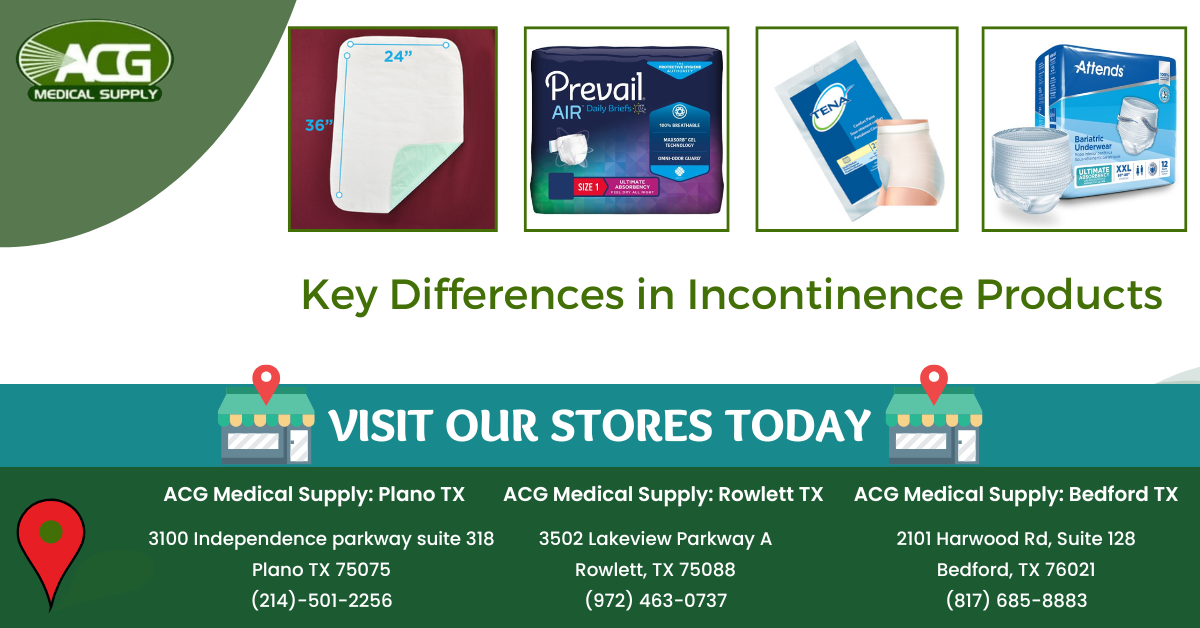
Key Differences in Incontinence Products: A Complete Guide

Let’s be honest—talking about incontinence isn’t always easy. But if you’re here, chances are you or someone you love is navigating this journey. And trust us, you’re not alone. Millions of people experience some level of incontinence, and the good news? There are incredible products out there designed to make everyday life more comfortable, dignified, and worry-free.

This guide walks you through the essential differences between product types, so you know exactly what to expect and which solution might suit your lifestyle best.

Why Incontinence Products Matter (And Why They’re a Lifesaver!)

When bladder leaks or accidents become part of daily life, having the right tools can make all the difference. Incontinence products are not just “nice to have”—they’re essential. These items are daily companions that help people live with fewer disruptions and greater confidence. The right product doesn’t just absorb; it enables freedom—freedom to move, rest, and engage without fear of embarrassment or discomfort.

From aging to medical conditions, childbirth to surgery recovery, incontinence happens. And that’s okay. With the right support, you can still live life fully—and comfortably.

Types of Incontinence Products and How They Differ

Navigating the different types of incontinence products might seem a little confusing at first, but it’s really quite straightforward once you see what each one is designed to do. They all have the same goal – keeping you dry and comfortable – but they go about it in slightly different ways. Let’s check them out:

Incontinence Briefs:

Incontinence briefs are also called adult diapers. These are typically for heavier needs or for people who might need help changing. They usually have tabs on the sides that fasten, making them adjustable and often providing a very secure fit. They offer substantial protection, which is great for overnight or for times when you need maximum absorbency.

Pull Up Briefs:

Pull-up briefs are designed to look and feel much more like regular underwear. You simply pull them up and down. They are a fantastic choice for people who are still active and want something discreet that allows for easy bathroom trips. This briefs offer great protection for moderate to heavy leakage and give you that extra boost of confidence and super popular because they feel so normal!

Brief and Pant Liners and Bladder Control Pads:

These are smaller, absorbent pads that you stick inside your regular underwear. Brief and pant liners are usually thinner and designed for very light leaks, like just a few drops. Bladder control pads, on the other hand, are more absorbent and come in different sizes and shapes to handle light to moderate amounts of leakage. They are a discreet option for daytime use when you want a little extra security without wearing a full brief.

Underpads:

These are like little waterproof mats! You place them on surfaces like beds, chairs, or wheelchairs to protect them from any accidents. Underpads are super helpful for adding an extra layer of protection, especially at night or when sitting for long periods. Sometimes called “chux,” they are a simple but effective way to save your furniture and bedding.

Reusable Underwear:

For lighter leaks, reusable underwear can be a great, eco-friendly option. These look and feel like regular underwear but have a built-in absorbent panel. You can wash and wear them again, which is good for the planet and can save you money over time. They offer discreet protection for minor drips and are a comfortable everyday choice.

See? Each product has its own special job! By understanding these differences, you can pick the best tool (or tools!) for your needs.

How to Choose the Right Product for You

Everybody is different. Your ideal product will depend on a few personal factors:

  • Mobility – Can you move around easily? Pull-up styles may work best. Need caregiver support? Go for tab-style briefs.
  • Leak Level – Mild leaks? Pads or liners. Moderate to heavy? Briefs or pull-ups.
  • Skin Sensitivity – Look for breathable materials and hypoallergenic designs.
  • Budget and Sustainability – Reusables may save money in the long term, while disposables offer convenience.

At ACG Medical Supply, you’ll find a wide variety of incontinence products tailored to every lifestyle and need. Our team is known for compassion, guidance, and quality, offering trusted brands and helpful advice when it matters most.

Conclusion

In the end, managing incontinence is all about finding the right support system, and that includes the products you use. There are so many excellent options available today, designed to be comfortable, discreet, and highly effective. Don’t let worries about leaks keep you from living your best life. Explore the different types of incontinence products, understand what they offer, and don’t hesitate to reach out to helpful resources like ACG Medical Supply to find your perfect match. You deserve to feel confident, comfortable, and free to enjoy every single day!

FAQs:

1. What’s the most discreet incontinence product?

Bladder Control Pads and Brief Liners are the most discreet for mild leaks. They’re slim, quiet, and easy to wear under everyday clothing.

2. How do I know what size to buy?

Check the size chart on the product or website like ACG Medical Supply. If you’re between sizes, go for the snugger fit for better leak protection.

3. Can I use incontinence products overnight?

Yes! Look for products labeled “overnight” or “maximum absorbency.” Underpads are also great for added protection.

4. What’s the difference between Pull Up Briefs and Incontinence Briefs?

Pull Ups go on like underwear—best for active users. Incontinence Briefs have tabs and are great for people who may need help changing.

5. Are reusable options safe and reliable? Absolutely! Reusable underwear is designed for repeated washes and holds moisture well. They’re comfy, cost-effective, and eco-friendly.

Wheelchair Accessories

Top 7 Wheelchair Accessories for Added Comfort and Safety

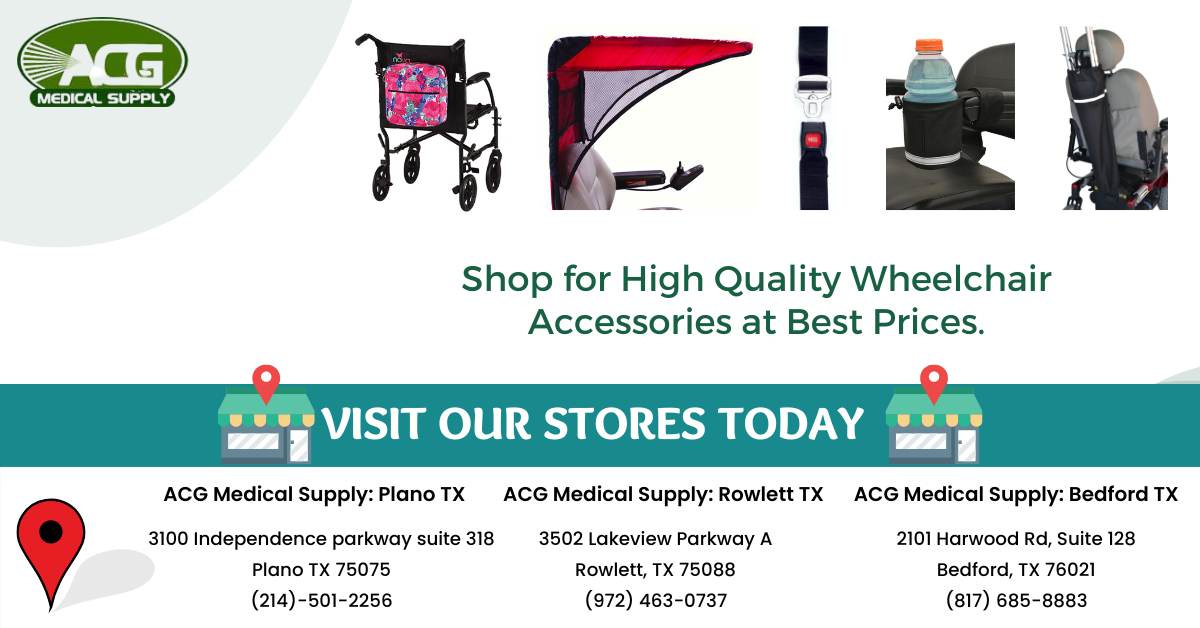
Ever sat in one spot for too long and felt stiff, uncomfortable, or just plain tired? Now imagine that feeling magnified when you rely on a wheelchair daily. Small challenges, like carrying personal items, finding a smooth surface for eating, or staying protected from the sun, can make daily life harder than it needs to be. That’s why wheelchair accessories are more than just add-ons—they help wheelchair users stay comfortable, safe, and independent.

A soft seat cushion can prevent aches, a sturdy ramp can make doorways easier to access, and a storage bag can keep everything within reach. The right accessories make a wheelchair more practical and user-friendly. Here are seven must-have wheelchair accessories designed to improve comfort and safety.

1. Wheelchair Seat Cushions

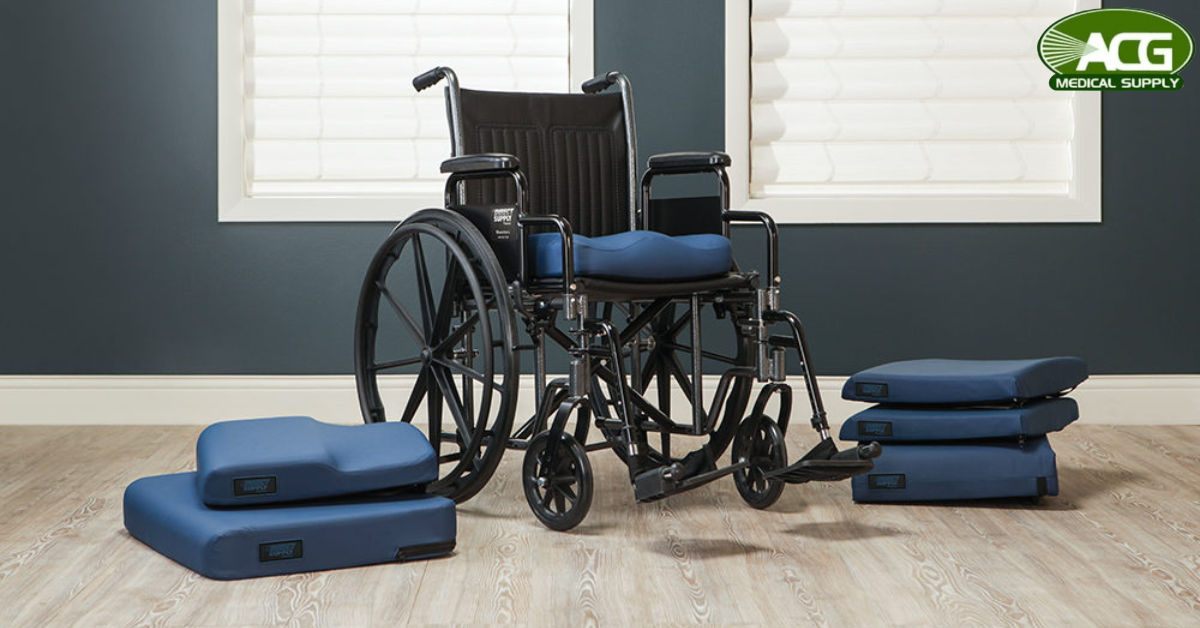
Sitting for hours without proper support can lead to discomfort, stiffness, and pressure sores. A wheelchair seat cushion provides the extra padding needed for a smooth and comfortable experience.

  • Memory foam, gel, and air-filled options offer customized support.
  • Helps maintain good posture and relieves pressure points.
  • Reduces strain on the back and hips, making long hours easier.

A good seat cushion feels like sitting on a cloud instead of a hard surface. The right one can make a wheelchair feel just as cozy as a favorite chair.

2. Wheelchair Ramps

Getting over doorsteps, curbs, or small steps can be frustrating for wheelchair users. A wheelchair ramp makes it easier to move in and out of homes, buildings, and vehicles.

  • Portable ramps are lightweight and easy to carry.
  • Sturdy materials ensure smooth movement over obstacles.
  • Can be used at home, on the go, or in public places.

A ramp removes barriers and gives more independence, allowing wheelchair users to move around without extra help.

3. Wheelchair Tray

Eating, reading, or using a laptop in a wheelchair can be difficult without a stable surface. A wheelchair tray provides a secure and flat space for everyday tasks.

  • Easily attaches to the armrests and can be removed when not needed.
  • Some trays come with cup holders and small storage sections.
  • Makes it easier to enjoy meals, work, or hobbies from a wheelchair.

A good tray turns a wheelchair into a functional space, giving users more freedom to do what they love and making life just a little bit easier.

4. Wheelchair Bag

Carrying personal belongings while using a wheelchair can be a hassle. A wheelchair bag keeps important items close at hand.

  • Attaches securely to the back or side of the wheelchair.
  • Spacious enough for wallets, phones, medications, and books.
  • Designed for easy access, reducing the need to reach or bend awkwardly.

Instead of struggling with small pockets or carrying things on their lap, wheelchair users can store their essentials in a secure and accessible bag.

5. Wheelchair Canopy

Sunny days and unexpected rain showers can make going outside uncomfortable for wheelchair users. A wheelchair canopy offers the protection needed to stay dry and cool.

  • Shields against direct sunlight, preventing overheating.
  • Keeps rain away, allowing for outdoor trips in any season.
  • Folds down when not in use for easy storage.

A canopy adds an extra layer of comfort, making outdoor adventures worry-free.

6. Wheelchair Seat Belt

Moving around in a wheelchair can feel unstable at times, especially on uneven ground. A wheelchair seat belt provides the security needed to stay safe and comfortable.

  • Adjustable straps ensure a secure yet comfortable fit.
  • Prevents accidental slips and improves stability.
  • Especially useful for those with limited upper body strength.

A seat belt brings peace of mind, keeping movements secure without restricting comfort.

7. Anti-tip Wheels

A wheelchair tipping backward is a real danger, especially on slopes or rough terrain. Anti-tip wheels provide extra balance, making movement safer and more stable.

  • Helps maintain balance on slopes and uneven surfaces.
  • Simple to install and compatible with most wheelchairs.
  • Reduces the risk of accidents, making movement safer.

These small wheels add extra security, reducing the risk of falls and making wheelchair use safer.

Conclusion

A wheelchair should feel like an extension of your comfort zone, not just a mode of transport. Small changes, like adding a wheelchair seat cushion, a sturdy bag, or a canopy, can make everyday life easier and more enjoyable.

Each of these wheelchair accessories enhances comfort, convenience, and safety. Choosing the right ones can make a world of difference. A wheelchair should work for you, not the other way around!

At ACG Medical Supply, finding the best accessories is simple. Explore options designed to make mobility easier, safer, and more comfortable.

FAQs

1. What are the most important wheelchair accessories for comfort?

Seat cushions, canopies, and trays improve comfort by providing better support, protection, and convenience.

2. Do wheelchair accessories fit all wheelchairs?

Most accessories are made to fit standard wheelchairs, but sizes can vary. It’s always a good idea to check the product details or ask the seller before buying.

3. Are wheelchair ramps easy to carry around?

Yes, many wheelchair ramps are lightweight and foldable, which makes them easy to store and transport.

4. Do I really need a wheelchair seat belt?

A wheelchair seat belt helps keep you safe by preventing sudden slips or falls, especially when moving over bumps or slopes. It’s especially useful if you have limited upper body strength or move around often.

5. Where can I buy wheelchair supplies?ACG Medical Supply offers a variety of high-quality wheelchair accessories to improve comfort and safety for wheelchair users.

Hospital Beds

Guide to Picking the Right Hospital Bed for Home Use

If you’re recovering from surgery or need extra support for long-term care, the right bed can make a world of difference. A hospital bed offers more than just a place to sleep; it provides comfort, safety, and mobility, helping both the patient and caregiver. 

In this guide, we’ll break down everything you need to know to make the best choice for your home care setup.

Why Choose a Hospital Bed for Home Use?

A hospital bed isn’t just a medical device—it’s a practical and sometimes essential part of home care. Here’s why investing in one could be life-changing:

  • Enhanced Comfort: Hospital beds are specifically designed to provide maximum comfort and support. With adjustable head and foot sections, these beds allow users to find the perfect position for sleeping, sitting, or relaxing. The ability to change positions with ease reduces discomfort and promotes better sleep quality. Full Electric Hospital Beds, for example, provide all the adjustments with just the touch of a button.
  • Increased Mobility: Struggling to get in and out of a regular bed can make daily activities difficult for patients. Hospital beds help by allowing users to adjust the height and position of the bed, making movement easier. This is particularly beneficial for those with limited mobility or recovering from surgery.
  • Safety and Independence: Many hospital beds come equipped with side rails, alarms, and other safety features. This can reduce the risk of falls and provide peace of mind, allowing users to maintain some level of independence while staying safe.

Key Features to Consider

When choosing a hospital bed for home use, there are several features to keep in mind. Each person’s situation is unique, so it’s important to pick a bed that meets your specific needs.

1. Adjustability

Hospital beds allow users to adjust various sections like the head, foot, and overall height. This flexibility is key, especially for those who spend long hours in bed. Full Electric Hospital Beds offer the convenience of motorized adjustments, while Semi-Electric and Manual beds provide varying levels of control depending on your budget and needs.

2. Weight Capacity

It’s important to ensure that the bed can comfortably support the user’s weight. For individuals who require a higher weight capacity, Bariatric Hospital Beds provide additional strength and support. These beds are wider and sturdier, designed to offer maximum comfort without compromising safety.

3. Motorized vs. Manual Adjustments

While motorized beds are the easiest to adjust, they do come with a higher price tag. Manual beds, which require physical effort to change positions, are a more budget-friendly option. However, for those who need frequent adjustments, an electric bed might be worth the extra investment.

4. Hospital Bed Mattress

The mattress plays a vital role in comfort and pressure relief. A good hospital bed mattress will conform to the bed’s movements while preventing pressure sores. Options like gel or memory foam mattresses offer extra comfort, especially for long-term care patients.

5. Safety Features

Look for beds with side rails, alarms, and remote controls to enhance safety and prevent accidents. For elderly users or those with cognitive impairments, such features provide both security and peace of mind, making home care safer and more efficient.

6. Accessories and Add-ons

There are various accessories that can further improve the utility of a hospital bed. These include over-bed tables, bed trapezes for movement assistance, and side rail protectors. Hospital Beds and Accessories like these can significantly enhance patient care, providing added convenience for both patients and caregivers.

7. Hospital Beds for Rent

If you’re not sure about purchasing a bed or need it for a short-term recovery period, renting a hospital bed is an excellent option. Many suppliers, including ACG Medical Supply, offer hospital beds for rent, allowing you to choose a model that fits your needs without the long-term commitment.

Popular Hospital Bed Types

Depending on your needs and budget, there are different types of hospital beds to consider:

  • Full Electric Hospital Beds: These medical beds for home provide full control over the head, foot, and height adjustments, all at the touch of a button. They’re perfect for those with limited mobility or caregivers who need to make frequent changes.
  • Semi-Electric Hospital Beds: These beds offer motorized control for the head and foot sections, but height adjustments are manual. It’s a good balance between affordability and convenience.
  • Manual Hospital Beds: These beds require the user or caregiver to make all adjustments by hand. While they’re more budget-friendly, they may not be suitable for individuals who need frequent repositioning.

Conclusion Picking the right hospital bed for home use can make all the difference in comfort, safety, and recovery. By focusing on features like adjustability, weight capacity, and safety, you can create a home care environment that meets your needs. Whether it’s a Full Electric Hospital Bed, a bariatric model, or simply a hospital bed for rent, your choice will play a crucial role in improving daily life.

Mobility Scooter

Which Is Better: A Mobility Scooter or a Power Wheelchair?

When searching for mobility equipment, you may find that the options are overwhelming. There’s something for everyone, from all-terrain scooters to lightweight travel seats especially when you are considering ACG Medical Supply as your treatment entity. But how do you go about finding your ideal ride? In this article, we contrast the power wheelchair vs mobility scooter. Both of these electric vehicles are equipped with batteries, but their attributes and performance could not be more dissimilar. Let’s see how they compete!

Battery

The batteries that are included in a wheelchair or a mobility scooter can travel pretty far before needing to be recharged. A conventional wheelchair may travel as little as 8 miles and as far as 18 miles on a single load. Full-size scooters have batteries that can travel up to 40 kilometers on a single charge. While boarding an electric wheelchair uphill, the battery life is depleted faster, especially if the inclination is greater than 12 degrees. Surpassing that tilt will deplete or destroy the battery. Weight also has an impact on how long a charge will last. It is best to remain at least 30 pounds under your maximum weight capability. Charging them necessitates a connection to a power source for about 8 to 14 hours.

Terrain

Another distinction between mobility scooters and electric wheelchairs is the count of wheels. A mobility scooter is equipped with three or four wheels. Once you’ve decided on your preferred height and weight for a mobility scooter, you must determine whether you need sturdiness or agility. A typical electric wheelchair features four to six wheels. They are available in front-wheel motion, mid-wheel steer, and rear-wheel motion configurations. Front-wheel-drive variants have larger wheels in front of the seats. This type of electric wheelchair can easily traverse uneven terrain.

Weight Capacity

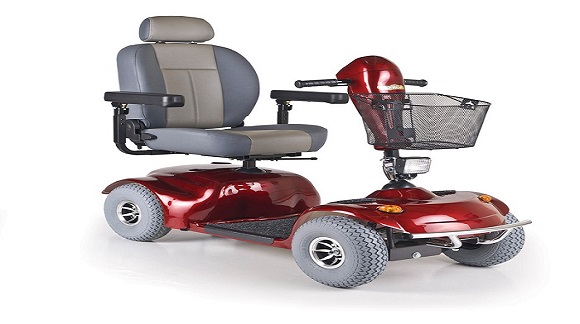
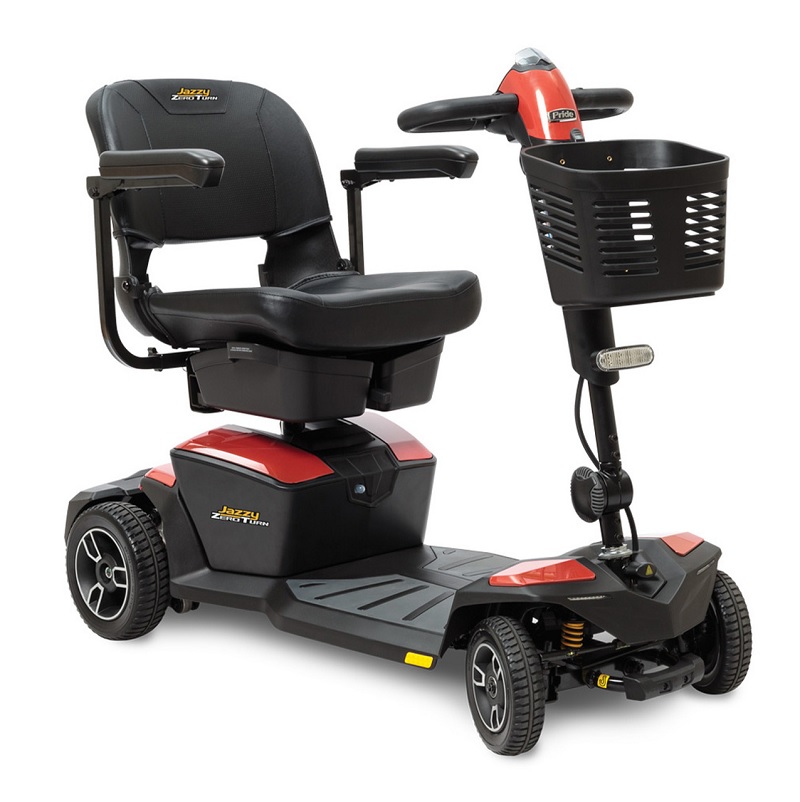
Depending on the type, different power wheelchairs may support a range of weights. Because of the lightweight material framework, folding wheelchairs have a lower-than-average weight capability, but Pride Jazzy Electric Wheelchair has outstanding maneuverability and a weight capacity of 450 lbs. For this reason, it has solid or flat-free tires. Golden Avenger Heavy Duty Scooter, on the other hand, is powerful and can accommodate weights ranging from 400 to 700 lbs and has a higher weight capacity, particularly full-size and bariatric scooters. The heavy duty mobility scooter is vigorous because it has some of the largest weight capacities for mobility scooters, about 268 lbs.

Foldable

Some power scooters are foldable, and there are two types: those which fold into one piece and those that can be disassembled into several compact pieces for easier transportation. Despite their being foldable, few can accommodate a person of bariatric stature. The medical supply store online USA offers two types of foldable mobility scooters: those that can be dismantled into components without the use of tools and those that fold into one piece. The latter are fantastic because they only require a few minutes to fold and many of them are TSA authorized for airplane travel. Furthermore, taking them on a flight is entirely free.

Seating

Seatbelts are standard on several kinds of mobility scooters and power wheelchairs. Electric wheelchairs can be easily customized in terms of padding, seat, and controls. They can be equipped with a captain’s seat, a solid seat pan, or a stadium-style seat. Scooters, on the other hand, have basic vinyl seating that can be reclined and, in some cases, swivel.

Concluding Thoughts

To summarize, because mobility scooters and electric wheelchairs are so dissimilar, it’s difficult to compare them. In general, more able-bodied people (those who can stand and walk alone) should utilize a mobility scooter. An electric wheelchair is a better option for persons whose abilities are less able and require additional assistance. If you’re lost and uncertain which of these categories you belong to, contact ACG Medical Supply for authorized and reclaimed services. The staff is accredited with expertise in healthcare. If you are muddled between a crucial choice, you can surely count on ACG for quick help. For premium-quality products, there is no room for compromises, and there exists a wide variety of treatment facilities including orthopedic support, and aids for activities of daily living accompanied by insurance options. You can easily contact the all-around team and clear your queries today!

Wheelchair Cushions

Adding Cushions to Your Sedentary Lifestyle

Chairs are part of the active work life today. Whether you are in the office or working from home, you have to remain seated for long hours. It allows for little muscle movement and can create various health issues. People with a regular sedentary lifestyle can often develop problems like back pain and spondylitis. This is something that should not be ignored or it goes on to become a serious health problem over time.

So, what is the solution for people who do have such a lifestyle? Well, first things first, it is best to get an ergonomic and well-designed chair. That done, the other thing you can ensure is to have an easy seating experience. With so many comfortable wheelchair cushions available online, you can choose one that suits you perfectly. Let’s take a look at the range of specifically made chair cushions that are meant to offer you a  more relaxed seating even during long hours of work.

Essential Medical Gel Donut Shaped Cushions

These cushions are called so because of their doughnut-like shape. The Essential Cushion is designed to offer reduced strain on your back, thus helping reduce the pain as well. This cushion can be used with wheelchairs, wooden chairs, as well as in vehicles by placing them on the car seat. The cushion usually has more thickness as compared to other types.

Lumbar Cushions Featuring Elastic Strap

Also called the lumbar roll, this type of cushion offers an easy curvature for your back, thus helping to ease the pressure on the back. It has straps for a firm fit. This cushion too can be used on a car seat, wheelchair, or normal chair.

Specially Designed Convoluted Medical Cushions

These are foam-based cushions that reduce the points of pressure and maintain the shape easily. The foam has a flexible form and it retains its shape even after long use. This can be beneficial to those who feel point pressure and need to correct their posture more often.

Besides these best wheelchair cushions meant for seating, you can also use, in combination, the back support cushion. It offers custom alignment and comes in handy when you are looking to reduce stiffness and lower back problems. The anatomical shape offers form-fitting spinal support. The shape contours adjust well.

So, these are some of the solutions for better sedentary comfort. People in their old age or those who have to sit at their desks for long hours can benefit by using these cushions. Engineered to offer more comfort, these accessories give you peace of mind as you can address your back pain issues and other health problems related to your lifestyle. It can also be used if you face problems like pressure ulcers. So, explore these products today to pick the ones you would need the most.

Electric Scooters for the Handicapped – Great to Rely on!

For those who face any disability, technology has come to their rescue in many ways on several occasions. Electric scooters specially designed and made for the disabled is another such example of how things can be made easier for the less fortunate with the use of tech-driven products. Let’s take a look at the advantages of using these special scooters.

Golden Avenger Heavy Duty Scooter

Benefits of the Special Electric Scooters:

  1. Safe Mode of TransportationThese Electric Scooters have been tested for their safety and designed in a way that you can easily and comfortably carry your daily errands on it; there is minimum or no risk of accidents.
  2. Helps save your energy: For someone who is already sick or lacks the ability to perform physical work, these scooters would just minimize their exertion, offering them a comfortable ride.   
  3. Quick healing: As it is said that nature is a great healer, these scooters will help you commute to the nearest park or open areas, so that you can get a breath of fresh air. The cheerful birds and life around will surely make your day. 
  4. Avoid risks: Mishappening can take place anywhere anytime. So, your inability to walk perfectly won’t become a barrier if you are to run in order to save yourself from fire, earthquakes, etc. This scooter would help you move to a safe place, easily. 

3 Wheel Electric ScootersLightweight and Comfortable

The 3 Wheel Electric Scooters are a perfect tool for commuting and as these are lightweight and can be transported easily with its wireless disassembly. These scooters are effective, efficient, and multifunctional medical tools. They have up to 300 lb of weight capacity and feature an adjustable armrest and seat. The full 360-degree swivel mechanism helps you get on and off the scooter easily.  From shopping to exploring places, owning a 3 Wheel Electric Scooter can be truly life-changing.

4 Wheel Electric Scooters – a Robust Transportation

Designed with the best manufacturing technology, 4 Wheel Electric Scooters are perfect for mobility around cities, shopping malls, and subways. They are fit for both indoor and outdoor movement and come in attractive styling with vibrant colors. These are exceptionally high-quality machines – a perfect example of comfort and affordability. They ensure safety and protection from accidents and mishaps, so individuals with a disability can safely transport themselves.

Getting Medical Supplies Online – a Convenient Way to Shop!

Smartphones and the world of the internet have made lives so easy and comfortable that there is hardly anything that is not available online. Acquiring medical supplies online is becoming a norm. Nowadays, it is the same as buying clothes and other electronic appliances online. More and more doctors and medical professionals are taking interest in shopping for medical equipment through an eCommerce website.

The local medical stores are not always open, so buying medical supplies online offers you the ease of any time and anywhere purchase. You can also customize the order, get discounts or track your order status.

medical Electric Scooter

Choosing Suitable Mobility Scooters: Factors to Consider

Many people with joint pain find difficulty in walking or managing crutches and walker for a long time. A mobility scooter is useful for them that will help them conveniently move indoors or outdoors with ease, confidence and more freedom. Scooters can also help those patients who use oxygen and need to take measures to conserve their energy. You will find 3-wheeled or 4-wheeled scooters in the market.

Based on your physical mobility needs, health conditions and your preferences, you can purchase Electric Medical Scooter from a renowned and experienced medical store.

Here is a checklist of some important factors to consider that will enlighten you to choose a high-quality mobility scooter and get maximum value for the money and time you spend in the purchase.

Check Out Place Where You Need to Use It

It is crucial to check out the place where you are going to use your scooter. If you live in an apartment with an elevator, you should consider purchasing a three-wheeled scooter or a foldable scooter for indoor use or limited outdoor usage. On the other hand, if you live in a rural area or countryside with streets with potholes or uneven terrain, buying a four-wheeled electric scooter with pneumatic tires and suspensions would be a good choice.

Body Weight and Fit

You should check out the weight capacity of scooter and assess it vis a vis your own to get a fair idea. Some portable models come with weight load capacity of around 95-140 kgs. You should purchase a suitable Electric Medical Scooter that can easily handle your weight and provide the right fit that is the seat height seems to be comfortable to you. It will ensure that you enjoy a comfortable ride and the scooter caters to your mobility needs. You should consult an expert if you find difficulty in choosing suitable scooters and test drive a few models for making an informed decision.

Controls

Besides these things, you should consider the control options and level of comfort using them. Based on your health conditions, you should find out whether you can use the tiller for steering, hold it with both hands and can operate the other control devices that require fine motor skills. You would require using brakes, trunk control, and a tiller for steering. People who find lack in hand strength should go for those options in which the tiller can be operated by either hand.

Storage and Portability

You should consider the storage space the scooter will cover. You will find foldable medical scooters and dismantling scooters—the former can be easily folded and reduces to a compact size and the latter can be disassembled to four or five sections that can be stowed and kept in car or airplane.

Check the Seat

If you need to spend long time riding scooter, you should opt for a scooter with a padded, comfortable, and contoured seat that usually comes in a full-sized three-or-four-wheel mobility scooter. You will find maximum comfort and support on scooter with a captain seat. The seats of portable scooters are less padded due to their compact size.

Budget

The last but not the least, you should consider the cost of your preferred scooter along with its look. You should consult a reputed and experienced medical supply store to purchase branded mobility scooter.

Do your due diligence to check out the price of different models and make the right choice. Check out the features of various models and evaluate your preferences and requirements. Ensure to get only the best quality electric medical scooter from an experienced store for getting the best value for money and quality product.

Search Articles

Medical Tips in Your Inbox

Get expert recovery advice, equipment guides, and caregiver tips — delivered weekly. No spam, unsubscribe anytime.

Need equipment today?

Same-day or next-day delivery in the DFW area. Call us now for immediate assistance.