Support Socks

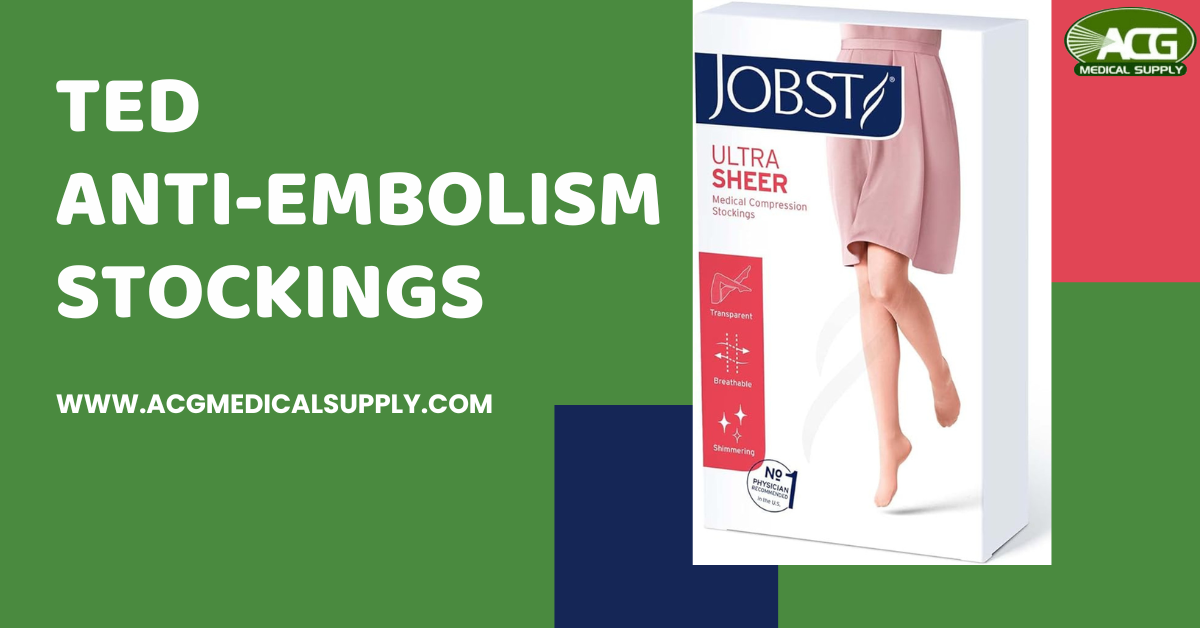
TED Anti-Embolism Stockings

Choosing Between TED Anti-Embolism and Compression Stockings

Taking care of your legs is something many of us don’t think about—until we have to. Whether you’ve just had surgery, find yourself on your feet all day, or struggle with swelling, the right support can make a huge difference in how you feel. But with so many options out there, it can be tricky to know which one is best for you. That’s where TED Anti-Embolism Stockings and compression stockings come in. While they both provide support, they do so in very different ways.

In this blog, we’ll help you understand the key differences, so you can choose the right option to keep your legs feeling healthy and strong.

What Are TED Anti-Embolism Stockings?

TED Anti-Embolism Stockings, often called TED stockings, are specifically designed for people who are bedridden or recovering from surgery. Prolonged immobility can slow down blood flow in the legs, increasing the risk of blood clots or deep vein thrombosis (DVT).

TED stockings use gentle, graduated compression, which is tighter at the ankle and eases up the leg. This design keeps blood moving and reduces clotting risks. Doctors commonly recommend these stockings for short-term use during hospital stays or post-surgical recovery.

If you’re someone who is confined to bed for a while, TED stockings are like a safety net for your circulatory system. They’re not meant for everyday use, but they play a crucial role during specific recovery periods.

What Are Compression Stockings?

On the other hand, compression stockings are made for people who are on their feet a lot or dealing with swelling or leg discomfort. Whether you’re dealing with varicose veins, swelling from pregnancy, or just need extra support after a long day of standing or sitting, compression stockings can help improve circulation and reduce swelling.

Compression stockings come in all sorts of styles and compression levels. You can find options like thigh-high compression socks for full-leg support or lighter support socks for everyday comfort. There are also medical-grade options like Jobst UltraSheer Stockings, which provide extra compression for people dealing with more serious conditions like chronic venous insufficiency or lymphedema. For those with diabetes, JOBST SensiFoot Diabetic KNEE Socks are a great option, offering gentle support and a soft, breathable fabric that’s kind to sensitive skin.

What’s the Difference Between TED and Compression Stockings?

While both types of stockings serve the purpose of improving circulation, the key differences lie in their intended use and compression levels.

Purpose: TED stockings are specifically designed to prevent DVT during periods of immobility, such as during post-surgery recovery or hospital stays. On the other hand, compression stockings are for individuals who are mobile and looking to relieve symptoms of vein-related conditions like swelling or varicose veins.

Compression Levels: TED Anti-Embolism Stockings generally offer lower compression, while compression stockings can range from light to high compression. This makes compression stockings suitable for a broader range of issues, including managing swelling and improving blood flow in active individuals.

Design: TED stockings are usually knee-length, while compression stockings come in various lengths, such as knee-high, thigh-high, or full-leg options, like thigh-high compression socks. This allows for more versatility depending on your specific needs.

Which One Should You Choose?

Choosing the right medical stockings depends on your situation. If you’ve just had surgery or are going to be in bed for a while, TED Anti-Embolism Stockings are the better option to prevent blood clots. If you’re dealing with swelling, tired legs, or varicose veins, compression stockings are a great choice for extra support and comfort.

If you’re looking for something for everyday wear, you might want to try Jobst UltraSheer Stockings or JOBST SensiFoot Diabetic KNEE Socks. For full-leg support, thigh-high compression socks are a great option. You’ll also find support socks that are perfect for wearing all day, whether you’re working, traveling, or just need a little extra comfort.

Conclusion

Choosing between TED Anti-Embolism Stockings and compression stockings doesn’t have to be confusing. It all comes down to your specific needs. If you’re recovering from surgery or spending a lot of time in bed, TED stockings are your best bet. If you’re dealing with swelling or need some extra support during the day, compression stockings will offer the relief you need. For a wide range of options, from thigh-high compression socks to Jobst UltraSheer Stockings, visit ACG Medical Supply and find the right pair of stockings for you. Taking care of your legs can make a big difference in how you feel every day, so make sure you choose the right support.

Compression Garments

Better Your Lymphedema Care with Medicare-Covered Compression Garments 

Living with lymphedema can be challenging, but with the right care and support, managing this condition becomes much easier. One of the most effective ways to manage lymphedema treatment is through the use of compression garments. These garments play a crucial role in controlling swelling and preventing complications. Plus, did you know that Medicare covers compression garments? Let’s dive into how you can benefit from this coverage and enhance your lymphedema therapy.

Understanding Lymphedema and Its Management

Lymphedema is a condition where lymph fluid builds up, typically in the arms or legs, causing swelling and discomfort. Several causes could trigger this condition, including surgery, radiation treatment, or infections. Proper management of lymphedema is essential to maintain your quality of life, and compression garments are a cornerstone of this management.

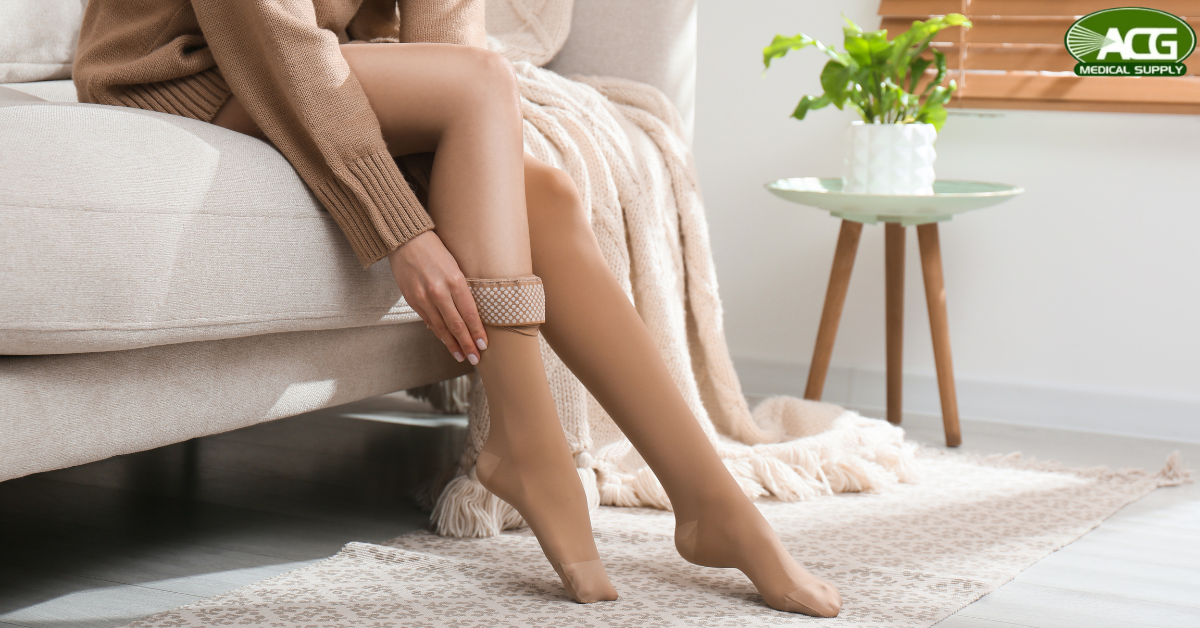
Compression garments apply gentle pressure to the affected area, encouraging the lymph fluid to move which results in the reduction of swelling. They come in various forms, including sleeves, stockings, and socks, tailored to fit different parts of the body.

Medicare Coverage for Compression Garments

One of the biggest concerns for individuals needing medical compression stockings or sleeves is the cost. Fortunately, as of January 1st, 2024, Medicare has begun to provide lymphedema support for these essential items under certain conditions. Generally, the rules say that Medicare Part B will cover these compression garments if a doctor states they are medically necessary.

To ensure you get the most out of your Medicare benefits, it’s important to work with reputable medical suppliers. ACG Medical Supply is an excellent resource, offering a range of compression garments that meet Medicare requirements. These garments are made from high-quality materials that are gentle on the skin while providing the necessary compression to reduce swelling and discomfort.

Choosing the Right Compression Garments

Selecting the right compression garments is crucial for effective lymphedema therapy. Here are a couple of popular options available:

  • Duomed Advantage Compression Socks: These socks are designed for comfort and effectiveness, providing the necessary pressure to reduce swelling and improve circulation. Perfect for daily wear, they come in various sizes to ensure a good fit. You also have the option to pick from closed or open-toe options, making them a versatile choice for anyone undergoing lymphedema treatment.
  • Mediven Harmony Arm Sleeve: This arm sleeve offers a blend of comfort and therapeutic effectiveness, making it ideal for those who need consistent pressure on their arm to manage lymphedema therapy. The sleeve is designed to be easy to put on and take off, adding convenience to daily use. Available at ACG Medical Supply, it is an excellent choice for anyone seeking lymphedema support with a reliable and effective compression garment.

When selecting your compression garments, it’s essential to get professionally measured. Proper fitting ensures maximum effectiveness and comfort. If you’re wondering where to start, a quick search for lymphedema therapy near me can point you to local clinics and suppliers who specialize in lymphedema management.

Benefits of Compression Garments

The benefits of using compression garments for lymphedema are numerous:

Reduction in Swelling: Consistent use of compression garments helps to minimize fluid buildup, promotes lymphatic drainage, and reduces swelling in the affected areas.

Improved Mobility: By controlling swelling, these garments can significantly improve your mobility and reduce discomfort, allowing you to lead a more active lifestyle.

Prevention of Complications: Proper management of lymphedema with compression garments can prevent complications such as infections and fibrosis.

Enhanced Comfort: Modern compression garments are designed with comfort in mind. They are made from breathable materials that wick moisture away, keeping your skin dry and comfortable throughout the day.

Getting Support for Lymphedema

Living with lymphedema can be pretty isolating, but remember you are not alone. Joining a lymphedema support group can get you some valuable insights, emotional support, and practical tips you never knew from others who understand what you are going through. These groups can be found online or through local health organizations.

Conclusion

Managing lymphedema effectively requires the right tools and support. And now, with Medicare’s coverage for compression garments, you can access high-quality products like Duomed Advantage Compression Socks and the Mediven Harmony Arm Sleeve without worrying about the cost. Partnering with a reliable supplier like ACG Medical Supply ensures you get the right fit and support for your needs. So, take charge of your lymphedema therapy today. Explore the available options for compression garments, get the right support, and wrap up your lymphedema care with confidence. Remember, effective lymphedema management is just a compression garment away!

Deep Vein Thrombosis

Seven Crucial Steps to Avoid Deadly Deep Vein Thrombosis

Deep Vein Thrombosis is one of the most fatal diseases that anyone can ever encounter in their lives. A deep venous thrombosis (DVT) is a clot in the blood, that develops deep within veins, most frequently in the thigh. It can restrict blood passage to the heart, completely or partially, and cause injury to the single-directional valves that are found in the veins. It is also possible for it to detach and move to important organs in the body, such as the lungs, which is a very hazardous possibility. About one in ten individuals who have deep vein thrombosis in the US will pass away as a result of repercussions from their condition.
There are some of the common DVT causes of these clots like a sedentary lifestyle or sitting still for an extended period of time, such as following surgery, or flying for a long distance, While the less prevalent causes include pregnancy and inherited blood clot disorder. The likelihood of DVT rises in people who are overweight or who smoke cigarettes and DVT symptoms include leg swelling, leg pain, change in skin color, etc.

However, there are ways you can lessen the risks of DVT by following the steps mentioned below.

  1. Avoid Sitting For Long Hours While Traveling

While traveling for an extended period of time, it is advisable to get out of your seat every so often to stretch your legs and get those blood pumping. Keep your body functional and active while flying by walking around the plane’s aisles. Relax and stretch the legs, calves, and ankles. Stop every 60–90 minutes on a long car trip for a chance to stretch your legs and get a little exercise. The stimulation of leg muscles increases blood flow and reduces blood clot risk. Even if you’ve never had a blood clot, get up and move occasionally. Even when not driving. Medical professionals discourage prolonged sitting. Walk around while working or watching TV.

  1. Keep Yourself Hydrated To Lower The Risks Of Blood Clotting

Keep track of your fluid intake because lack of water is a significant contributor to the risk for DVT. Doctors often emphasize the need of drinking enough water because it reduces the thickness of the blood. Keep in mind that drinking a lot of caffeine or alcohol-based drinks may put you at risk of dehydration.

  1. Use Compression Stockings To Allow Better Circulation

Compression stockings may reduce DVT risk. They increase blood flow by pressing on the legs and calves. They come in all shapes, sizes, and pressures. It is advisable to wear them regularly. People with a history of DVT and hypertension are especially recommended to wear them. You can buy high-quality compression stockings on ACG Medical Supply for a healthy blood circulation.

  1. Quit Smoking To Lower Your Chances Of Developing Persistent And Chronic Health Conditions.

Because of its effects on blood clotting and circulation, cigarette smoking increases the risk of developing deep vein thrombosis (DVT). Despite its many negative effects, smoking is one of the substantial changeable hazards for DVT. Quitting it reduces the risk of developing DVT.

  1. Retain a Healthy Body Mass Index and Exercise regularly

Obesity raises leg vein blood pressure, another modifiable risk factor. and increased pressure on the large veins in the pelvis from internal fat slows blood flow. DVT risk increases with BMI. BMIs over 25 increase risk. People with BMi around 30-35 have a greater risk of DVT. It is extremely crucial to maintain a healthy BMI. Exercise on a consistent basis, preferably every day. Physical activities include going for walks, sunbathing, and riding bicycles. You can better control your weight by engaging in physical activity and consuming a diet that is nutritious, high in fiber, and features a lot of fruits and vegetables.

  1. Take Your Medication Even If You’re on Vacation

Take your medication while on vacation. Take low-dose aspirin or other anticoagulants as prescribed by your doctor to reduce blood clot risk. Vacations may cause you to relax and do less exercise. Set a phone alarm in case you forget to take your medication.

  1. Staying Active During Pregnancy Helps Blood Flow

Physiological changes slow blood flow and increase clotting during pregnancy. Pregnancy hormones increase the risk of DVT. Staying active is important as the infant grows. Pregnant women are more likely to get left-leg DVT. The uterus’s extra weight compresses the vein. To improve circulation, sleep on your left side. Lift your legs at night, and if you get varicose veins, buy compression stockings.
March month is dedicated to being DVT awareness month and it is important for people to be aware of the causes, symptoms, and Deep Vein Thrombosis treatments available for such fatal diseases.

Arthritic Relief

Best Medical Products for An Arthritic Relief

With more than 10 million cases per year, arthritis has become a severe health condition that causes pain, swelling, and stiffness. Not only does it affect joints and cause inflammation but it also leads to several other concerning health issues. The symptoms may worsen over time and also cause problems in other organs such as the eyes, heart, or skin. Apart from going for a proper medical diagnosis, it is important that patients suffering from arthritis opt for self-care and therapies to reduce the effects and symptoms of this disease. This blog will thereby offer a brief discussion about the best products available for people living with arthritis:

Heat and Cold Therapies

Medical professionals highly recommend using hot and cold therapy to lessen inflammation and soothe the affected parts of the body. Since there are distinctive types of arthritis with different symptoms, it becomes quite essential that you use therapies that are effective for the particular type.

  • Heat Therapy

Heat therapy for instance is suitable for Rheumatoid Arthritis applying heat to the inflamed area will offer a soothing touch. The heat will allow oxygen and blood in the body to move freely while relaxing muscles. Some of the best products to reduce stiffness include heating pads and paraffin bath units. Heating pads like the Battle Creek Thermophore Classic Moist Heat Pack are expertly crafted with a special hand-held switch for convenience and come with a size twice larger than average heat packs. These easily provide a sufficient area of heat therapy to cover the entire spinal area, the length of a hip and leg, or all across both shoulders to effectively relieve pain from all affected areas.

  • Cold Therapy

Cold therapy which is popularly known as cryotherapy is likewise a convenient way to treat pain and swelling in joints. This is also a pain relief option for injuries. Cold therapy involves using cold packs and cooling wraps and gently pressing them on the targeted area to get rid of pain, swelling, or muscle cramps. The BodyMed Cold Compression Therapy Wrap for example features four different therapy wraps including shoulder, back, knee and ankle. This hassle-free removable gel pack stays pliable throughout treatment and the self-controlled compression with inflating pump ensures great relief.

Arthritis Gloves

Offering both support and compression, arthritis gloves have heating capabilities that effectively try to relieve hand arthritis. Consider gloves like the Thermoskin Premium Arthritis Gloves for a clinically validated heat treatment where pain and swelling in joints can be naturally and comfortably relieved sitting at home. Innovatively crafted gloves like these come in three layers for an effective healing process. The soft inner layer draws moisture away, the middle layer contributes to temperature rise during heat therapy, and the outermost layer offers minimal compression. Besides being an effective treatment of pain relief for achy joints, these arthritis gloves are also helpful in releasing pain from sports injuries and repetitive strain injuries.

Arthritis Support for Knees and Ankles

One of the most widely effective medical products for arthritis is knee and ankle support. Using these in a prescribed way provides enhanced joint mobility which gradually hastens the healing process allowing you to participate in everyday activities with absolute freedom.

Some recommendations for the same include highly-effective arthritis knee supports like the Actimove Arthritis Care Knee Support offers gentle compression and reduces swelling. What makes them a perfect pick is the four-way stretch design and ceramic fiber construction that lets therapeutic heat penetrate deeply into the sore joint, muscles, and surrounding tissues, offering a comforting relief. For minor arthritis, ankle sprains, strains, or muscle tears, you may also consider the streamlined and comfortable ProStyle Performer Knee Support. These are available in various sizes to fit you with perfection and to make the healing process faster and more soothing.

Lift Recliners

Lift recliners serve as essential equipment for people suffering from arthritis. Managing operations becomes convenient with the remote and its soft-touch buttons that each function as per the user’s preferences. Due to joint aches and swelling, it may become difficult for individuals to step out or carry out operations with ease. A perfectly-sized lift recliner will be a beneficial addition for such patients. Recliners like the Power Lift Recliner, for example, feature a contemporary design and come with additional padding for improved comfort. With such functional equipment, easy movement will never be restricted for you.

To Sum It Up….

Besides opting for healing and therapeutical products, it is also important that you be mindful of creating a safe living atmosphere for arthritic patients. Begin by adding useful medical products to your bathrooms which can become a dangerous spot for such patients. A Heavy-Duty Commode, Bath Stools, and Shower Chairs are ideal to make things easier for people living with arthritis. For more such healing medical equipment or bathroom safety medical supplies you may scroll through popular websites like ACG Medical Supply which features a fine collection of useful medical products for arthritic patients.

Support Stocking

What compression level to wear?

Basically, the greater the compression level, or compression strength, the tighter the compression stocking. These levels are measured in millimeters of mercury (mmHg). It’s the same scale used to take your blood pressure.

The most beneficial compression socks are “graduated” as opposed to “uniform” in strength. Graduated compression socks are tighter at the ankle than they are at the top. The graduation helps push blood back up toward the heart, aiding in circulation. 

Compression stockings with relatively low compression levels can be purchased without a prescription at drugstores, medical supply stores, and online.

These over-the-counter items usually come in compression levels of around 15-20 mmHg.

Compression stockings with higher levels of compression are prescribed by doctors. The prescription will include the specific strength you need. By law, no prescription is required, but most pharmacies won’t dispense higher-level compression wear without a prescription.

By “high-level compression,” we mean those that generally range from 20-30 mmHg to 30-40 mmHg; while these strengths are generally safe to wear, certain individuals may be at risk of harm due to contraindications, so the oversight of a doctor is always recommended. Compression levels in even higher ranges do exist, but your doctor should tell you about those.

A trained and certified fitter will need to take measurements to ensure you get the correct level of compression and size. If your doctor or physical therapist can’t do the fitting, they should be able to refer you to someone who can. 

What medical issues are the various compression levels used for? Here’s a guide.

These are general guidelines. The severity of a certain issue will help determine the level needed.

As mentioned, you should talk to your doctor about which compression level is right for you.

8-15 mmHg

  • Mildly aching and tired legs
  • Support and comfort for either standing or sitting for long periods
  • When just a little support is needed for general health and energy

15-20 mmHg

  • Slightly more support, offering day-to-day relief from achy, heavy, slightly swollen legs
  • Extra support on busy, active days, or when traveling
  • An aid for enhanced circulation, especially in the legs
  • During pregnancy, they can help prevent varicose and spider veins

20-30 mmHg

  • The most commonly prescribed compression level by doctors
  • Used to help a variety of minor to moderate medical conditions
  • Used to help chronically painful, heavily fatigued legs
  • Helpful in the treatment of varicose veins
  • Relief from the swelling associated with mild edema
  • Used in combination with elective surgical procedures such as sclerotherapy and phlebectomy
  • Used to help treat orthostatic/postural hypotension, a form of low blood pressure

30-40 mmHg

  • Relief from moderate and severe edema and lymphedema
  • Helps prevent and relieve more serious cases of varicose veins
  • Used in the treatment of deep vein thrombosis (DVT) and post thrombotic syndrome
  • Can help heal active venous stasis ulcers
  • Used after bone fractures and orthopedic surgeries 
  • Used to treat phlebitis
  • Used in treating skin changes with healed ulceration

40-50 mmHg

  • Used as part of the treatment for chronic venous insufficiency
  • Used for the most severe cases of DVT and post thrombotic syndrome
  • Used in treating severe skin changes with active ulceration

Determining the right size for the lower-strength compression stockings you can purchase without a physician:

You can use our sizing wizard to easily find your size online. You can then use that information to make your purchase at a local store or online.

Shoe size is usually a factor in the sizing of compression stockings, as well as measurements of the ankle and calf. When measuring the ankle, measure at the thinnest point. For calf measurements, measure at the thickest point. For calf length, measure from the floor to the right-angle bend of the knee (in sitting position). It’s also best to take measurements as soon as possible after waking in the morning, when swelling is at a minimum.

When should I consider using compression stockings, or see a doctor for their recommendations?

  • Legs that are chronically swollen, painful, or fatigued
  • Poor blood flow in the legs
  • A known risk for blood clots, especially in the legs
  • A history/family history of deep vein thrombosis
  • Long bed rests, for example after surgery
  • Varicose veins or venous leg ulcers

Compression stockings are often used to relieve a minor issue, before it turns into a major one.

What existing health issues could mean that compression stockings are not right for me?

  • Arterial insufficiency, intermittent claudication, ischemia
  • Uncontrolled congestive heart failure (CHF)
  • Acute dermatitis, weeping dermatosis, cutaneous sepsis
  • Signs of infection in the legs
  • There may be others. Be sure your physician is familiar with your medical history before they prescribe compression socks.

What is the difference between compression stockings and support stockings?

The term “support stockings” is widely known and often also used for medical compression wear. The principles of the two types of stockings are different, though.

Support stockings exert passive resistance to swelling, while compression stockings apply active pressure on the veins of the leg. This prevents them from dilating and facilitates venous return.

Medical compression garments are produced under strict medical and technical specifications to guarantee adequate ankle pressure and graduated compression along the leg. 

Source: https://bit.ly/3oXvzdc

Search Articles

Medical Tips in Your Inbox

Get expert recovery advice, equipment guides, and caregiver tips — delivered weekly. No spam, unsubscribe anytime.

Need equipment today?

Same-day or next-day delivery in the DFW area. Call us now for immediate assistance.