
Walkers

medical Walkers

Your Guide to Picking the Right Walker for Mobility

It’s a jungle out there when it comes to picking the right walker. Seriously, go type “walker” into a search bar and watch what happens. It’s a barrage of chrome, wheels, brakes, and weird medical terms that sound like they belong in a hospital basement, not a living room. People usually just grab the first thing they see because, let’s face it, nobody wants to spend their Saturday afternoon researching Medical Walkers. It’s not exactly fun.

But here’s the cold, hard truth. Picking the wrong one is a disaster. It’s the difference between moving around freely and tripping over a rug because the wheels are cheap plastic garbage.

Most people picture the same thing: that gray, clunky cage with tennis balls jammed onto the back legs. The classic walker for old people stereotype. It’s actually called a standard foldable adult walker, and yeah, it’s stable. Like, really stable. You have to pick it up, move it forward, put it down, and step. Pick up, put down, step. It’s slow. It’s tedious. But if putting weight on a foot is impossible, or if balance is nonexistent, it’s the only safe bet.

But then there are wheels

This is where people get confused. There’s the rolling walker. Usually just two wheels on the front. You don’t have to lift the whole thing, just push it. The back legs slide (hopefully smoothly, but because floors vary, it isn’t always smooth). It’s a middle ground.

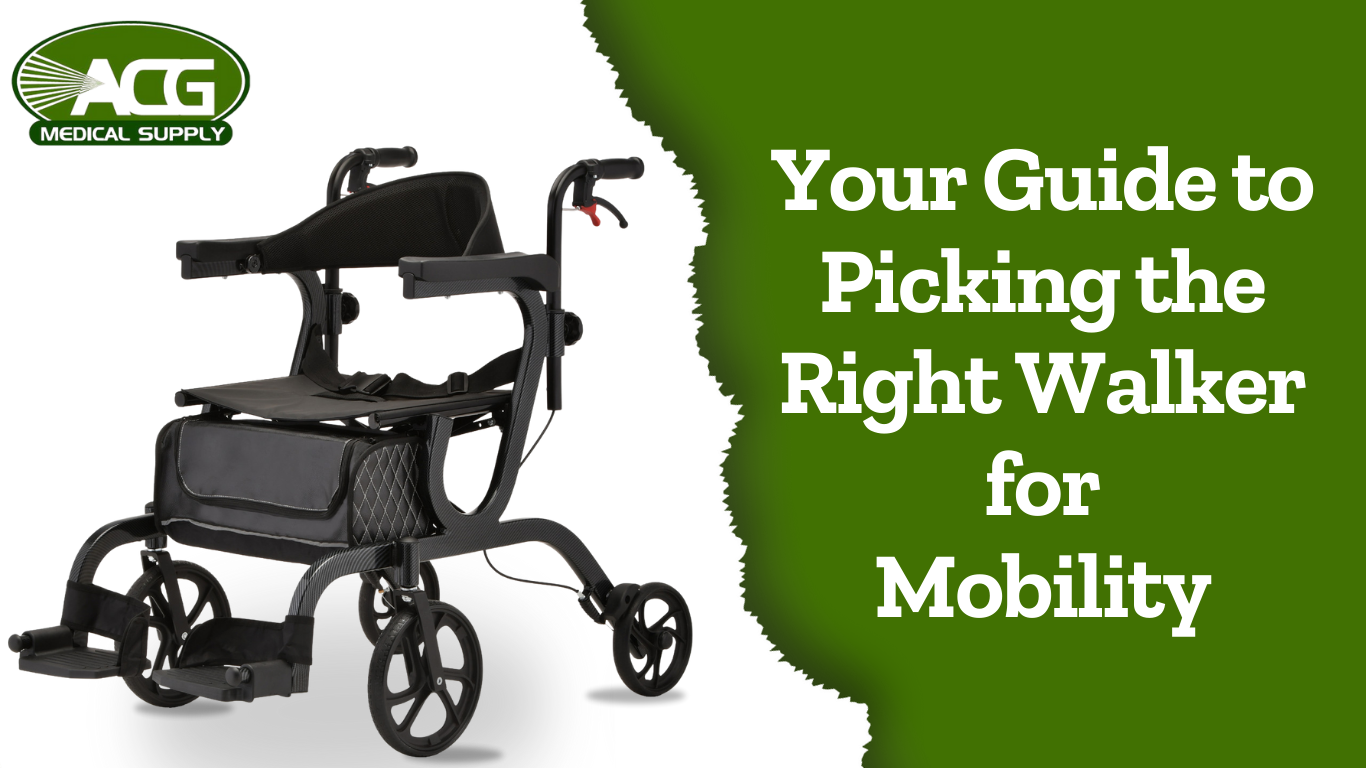
Then there are the 4-wheel walker rollators. These are the ones that you can use to speed through the grocery store. They have four wheels. Brakes on the handles. And — most importantly — a seat.


The seat is a distinct advantage. If you get tired, you can lock the brakes and sit down. Done. But they roll fast. Sometimes too fast. If control is an issue, a rollator can literally get away from you. It’s like trying to walk a dog that’s seen a squirrel. So keep that in mind while choosing.

The height thing

Most people ignore this. They shouldn’t. Walk into any nursing home and watch. Half the residents are hunched over their adjustable walker like they’re pushing a heavy plow through snow. That’s wrong. It hurts the back. It ruins posture.

The handles need to be at wrist height when the arms are hanging down. Not waist height. Not elbow height. Wrist. If it’s an adjustable height walker, adjust the thing. It takes thirty seconds.

Will it fit in the trunk?

Big question. Often forgotten. A heavy-duty steel walker feels indestructible, but good luck wrestling it into the back of a Honda Civic when it’s raining. Lightweight walkers are worth the extra cash. Aluminum is good. It doesn’t weigh a ton. If the user can’t lift it to get it over a curb or into a car, it’s useless. It’ll just sit in the closet gathering dust.

When looking to buy a medical walker online, check the weight. Not the weight capacity (how much it holds), but the product weight (how heavy it is).

Cheap vs. Actual Quality

It is tempting to grab the cheapest option. Affordable medical walkers are great, but there is “affordable,” and then there is “cheap junk.”

If the brakes feel stiff or the wheels rattle right out of the box, return it. At ACG Medical, we stock the ACG Medical walkers that are built to actually be used, not just sold. Hardware store walkers are hit or miss. Sometimes the folding mechanism sticks. Sometimes the rubber tips wear out in a week. Just be careful.

Here is the breakdown of what usually works for whom, without the sugarcoating:

The GearThe Good StuffThe Annoying Stuff
Standard Folding
Walker (No wheels)
You won’t fall. It’s solid.You move at the speed of a
snail. Lift, step, repeat.
2-Wheel WalkerEasier to push. Good for
shuffling gaits.
No seat. If you get tired, tough
luck.
4-Wheel RollatorFast. Has a seat. Looks
less “medical”
Can roll away from you. Heavier
to lift into cars.
Heavy Duty / BariatricFits wider frames. Super
strong.
It’s huge. Might not fit through
the bathroom door.

Conclusion

Walkers are not glamorous. It’s metal tubing and rubber. But picking the right one means keeping independence. And that’s worth the headache of figuring out the difference between 6-inch and 8-inch wheels.

FAQs

  1. Walker vs rollator?
    Walker = slower, steadier, usually no wheels or just two.
    Rollator = three or four wheels, moves quicker, often has a seat.
  2. Are rolling walkers safe for seniors?
    Safe for seniors who feel steady on their feet. Some like the slower pace of a basic walker,
    Some prefer the smoother roll.
  3. How to check height?
    Handles should line up with the user’s wrists when they’re standing normally. Light elbow
    bend = right height.
  4. Lightweight walkers… strong enough?
    Yes. Aluminium frames keep the weight low but hold up well for everyday use.
  5. Where to buy?
    ACG Medical Supply has a good range — basics, foldable models, rollators — all in one
    place.

Walker and Rollator Safety Checks

Why Regular Walker and Rollator Safety Checks Matter for Seniors

Mobility really is freedom. For so many older adults, that freedom doesn’t come from something fancy; it’s often just a simple walker or rollator. These sturdy aids carry a lot of responsibility, giving seniors the confidence to stay independent. But here’s the part that slips under the radar for a lot of families: even the toughest mobility aid isn’t built to run forever without care. They need a little routine attention if they’re going to stay safe and reliable.

Why routine safety checks matter

The truth is, walkers and rollators take a beating. They go over curbs, bump down cluttered hallways, and sometimes get dragged across damp sidewalks. Bit by bit, certain elements of the walker or rollator start to wear down. For example, wheels lose their smooth roll, bolts get a little loose, and brakes don’t feel as sharp. And you don’t need a big failure for trouble—sometimes it’s just one wobbly wheel, and suddenly that quick walk to the kitchen turns into a scary slip or even a fall. If you catch those little issues early, before a wheel sticks or a cable gives out, you can avoid a lot of that risk.

And here’s the best news for North Texans: Visit ACG Medical Supply—any one of its three showrooms in Plano, Rowlett, or Bedford—and you’ll get free safety checks on walkers and rollators, mobility scooters (mobility devices) by certified technicians. That’s a zero-cost safety net.

How a pro checks your walker or rollator

A thorough inspection takes less than ten minutes and targets the five parts most likely to fail:

CheckpointWhat the tech looks forWhy it matters
Wheels & tiresFlat spots, wobble, debrisSmooth rolling prevents stumbles
Brakes & cablesPad wear, cable tensionReliable stops on inclines
Frame & jointsCracks, bent tubingStructural strength
Handles & gripsLooseness, torn rubberSteady handhold and posture
Seat & basket (rollators)Tears, loose boltsSafe resting spot & storage


Technicians tighten hardware, adjust brake tension, and recommend replacements when parts are past their prime. Many fixes happen on the spot.

Quick DIY checklist between pro visits

Seniors and caregivers can keep problems from snowballing with a once-a-week glance:

  • Wipe the frame with mild soap and water—grit shortens the life of moving parts.
  • Spin each wheel; it should turn freely and silently.
  • Squeeze the brake levers. They should lock the wheels without pulling to one side.
  • Check rubber tips or tires for cracks.
  • Make sure handles sit at wrist height when the user stands tall—no hunching.

If anything feels off, book the showroom for help or search for ‘free walker safety check near me’ to find community clinics. Simple steps like these mean seniors can use their aid with confidence instead of hesitation.

Senior mobility aid maintenance guide—How often?

  • Daily: Quick visual once-over before leaving home.
  • Weekly: Full DIY checklist above.
  • Every 3–6 months: Professional tune-up (or sooner after a fall or trip).
  • Immediately: After exposure to rain or extreme heat, dry it and check the brakes.

Spot-on brake care

Rollator stoppers are lifesavers on ramps. Keep them crisp with these rollator brake inspection tips:

  1. Test on a gentle slope. Levers should halt motion without max hand strength.
  2. Inspect cables for frays. Replace if any wire strands show.
  3. Lightly lubricate pivot points, never the pads.
  4. If wheels still creep, a tech at ACG Medical can adjust tension in minutes.

Conclusion

A walker or rollator is tough, and they are built to last, but like anything that’s used every day, they also need a little care. A quick look over at home—or even better, a check by a professional, can be the difference between something that’s perfectly safe to use and something that could put someone at risk.

Thanks to ACG Medical Supply, seniors in North Texas can get free safety checks on walkers and rollators at any of the three showroom locations. That small step means fewer falls, greater confidence, and the kind of independence that every senior deserves.

Because when mobility is safe, freedom follows.

FAQs:

How often should I book a professional safety check?
Every six months – or sooner if you hear grinding, feel a wobble, or notice brake slippage.

Can I adjust rollator brakes myself?
Yes, minor tweaks are doable, but over-tightening can ruin cables. If in doubt, let a tech handle it, ACG’s checks are free.

What’s the lifespan of a walker?
Walker frames can last for years, but tips, wheels, and grips often need swapping annually, depending on mileage and terrain.

Does insurance cover maintenance?
Health plans rarely pay for upkeep, but the no-cost service at ACG removes that hurdle entirely.

Do safety checks include scooters?
Absolutely. ACG’s teams also look over batteries, tires, and throttles on mobility scooters during the same visit.

Search Articles

Medical Tips in Your Inbox

Get expert recovery advice, equipment guides, and caregiver tips — delivered weekly. No spam, unsubscribe anytime.

Need equipment today?

Same-day or next-day delivery in the DFW area. Call us now for immediate assistance.