
Seniors

Stair Lifts

Home Stair Lifts Installation and Service: A Simple Guide

Stairs are just stairs, until they aren’t. For many people, stairs start to feel like something that’s more of a barrier than a way through. Suddenly, stairs stand between them and their own bedroom, or the backyard they used to love hanging out in. Every step starts to feel like a battle, which is part worry, part pride, part pure exhaustion. 

But there are simple solutions like stair lifts that can make all of that go away (without taking away your independence). A stair lift can greatly improve the quality of life. And this guide breaks it all down clearly, without fluff or false promises. Whether you’re buying for yourself, a parent, or a client, here’s what truly matters.

Stair Lifts: Why They’re More Than a Machine

It’s easy to think of stair lifts as just motorized chairs. But ask anyone who’s had one installed, and they’ll tell you it’s something else entirely: it’s relief.

A stair lift restores your control. The user doesn’t need to wait for assistance. They don’t need to cling to railings or count steps. They sit, press a button, and move safely. That’s dignity.

And what’s even better is that stair lifts today aren’t what they used to be. Take the Pinnacle Stair Lift SL300; it’s not big or bulky. It’s slim, quiet, and folds up nicely, so it stays out of the way. And because it runs on a low-maintenance drive, you don’t have to think about it much. It just works—day in, day out—giving you one less thing to worry about.

If you have steps outside, then the Harmar Outdoor Stair Lift is made for that. It can handle any weather, be it rain, heat, or wind, without slowing down, so getting to your porch or backyard isn’t a hassle anymore. And if someone needs a bit more support, the Harmar Pinnacle Heavy Duty Stair Lift is up for the job. It’s strong and steady, but still comfortable.

So yes, a stair lift is a machine, but the freedom it offers is deeply personal.

What the Installation Really Looks Like

If you’ve been picturing drills, drywall damage, and a week of noise—forget that. Installing a stair lift is surprisingly clean and fast.

Here’s how it usually works:

  1. Evaluation: A professional from ACG Medical Supply visits the home. They take measurements, look at the stair structure, and check clearances.
  2. Model Selection: Straight stairs? Curved? Outdoor? ACG helps match the right model to the user’s mobility needs and home layout.
  3. Mounting the Rail: Contrary to what most think, the rail mounts to the steps, not the wall. No hammering into plaster or tiles.
  4. Install Day: For straight lifts, the setup takes a few hours. Curved installations take longer since the rail is custom.
  5. Training: The installer shows you how to use the lift, test controls, and charge the battery. It’s all simple stuff—no manual memorization required.

And if you’re wondering whether the work that gets done is reversible, then yes, it is. If down the line you don’t need the lift anymore, it can be removed without leaving your staircase in ruins.

Stair Lift Quick Facts

WhatWhy It MattersHow It Helps
Fast InstallationNo wall drilling neededClean setup, done in a day
Compact DesignFolds away when not in useKeeps the stairs open for others
Keeps the stairs open for othersSimple buttons or a remoteNo learning curve
Weather-Ready OptionOutdoor models availableAccess the backyard or porch easily
Regular ServiceQuick checkups & tune-upsLong-lasting, worry-free use

Servicing Your Stair Lift Without Headaches

Here’s the truth—stair lifts are dependable, but they’re still machines. And like all machines, they run better with a little care.

ACG Medical Supply offers regular servicing, which keeps the system working safely and quietly. No sudden lurches. No surprises when you need it most.

A typical service appointment includes:

  • Checking and replacing the battery if it’s ruined 
  • Lubricating the rail and gears
  • Testing the motor and remote
  • Making sure all safety sensors respond properly

Why ACG Medical Supply Is the Name You Should Know

There are stair lift retailers, and then there’s ACG Medical Supply. We aren’t just another equipment vendor. We’re known for providing premium stair lifts for home use, yes, but it’s our people-first mindset that sets them apart.

We don’t push what’s expensive. We only recommend what’s appropriate, whether it’s straight or curved, compact or heavy-duty. ACG focuses on real-life use, not showrooms.

We also carry reliable brands like Harmar Stair Lifts, and we’re there for you long after the install. 

Conclusion

Stair lifts make a person’s life really easy, it’s as simple as that, they help people who have trouble walking up the stairs move freely and stay safe and feel more at home. And when you get a stair lift from ACG Medical Supply, the whole process is simple and stress-free.

FAQs

1. Can more than one person in the home use the same lift?
For sure. As long as each person can sit comfortably and safely, and the user’s weight is within the lift’s limit.

2. Will my home be too small or narrow to get a stair lift installed?
It’s highly unlikely. Many models, including the SL300, are built for narrow staircases and fold neatly when not in use.

3. How much does one usually cost?
It depends. Straight stair lifts start at lower ranges, while curved or outdoor models cost more due to customization. ACG Medical Supply provides honest quotes tailored to your setup.

4. Is the installation process of a stair lift noisy or messy?
Nope. It’s a fairly clean process, it usually gets done in one day, and there’s also no need to drill into walls or tear up floors.

5. Will it work during a power outage?
Absolutely. Most units come with backup batteries that charge automatically.

Compression Garments

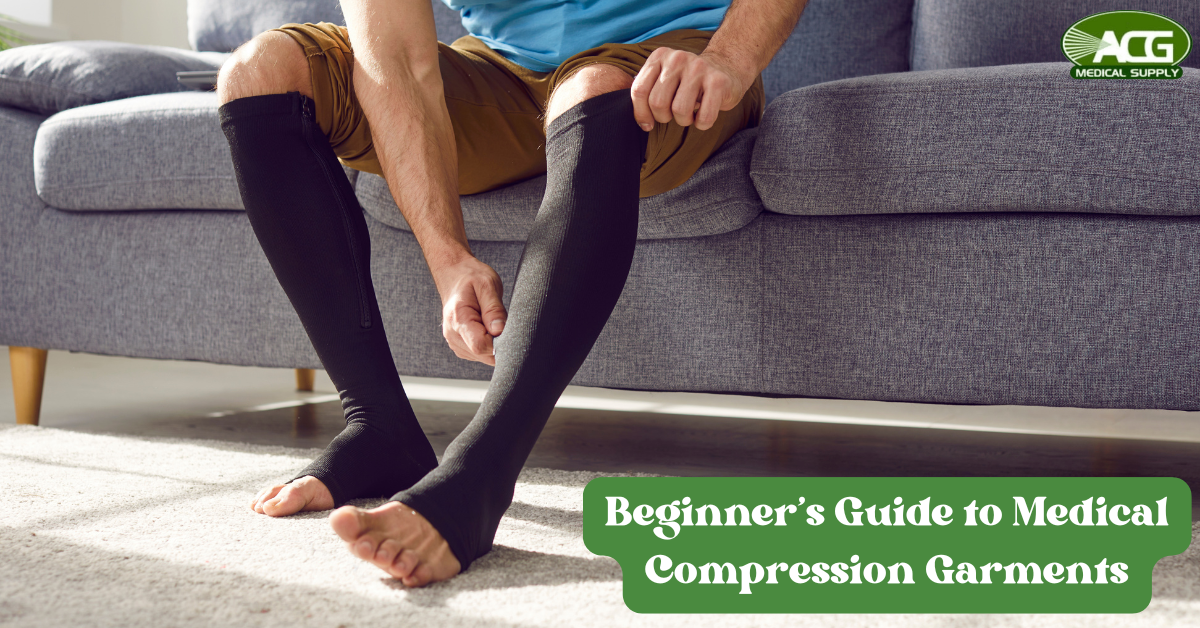
Beginner’s Guide to Medical Compression Garments

There’s no loud advertisement or dramatic before-and-after story behind compression garments. In fact, most people only hear about compression garments when they need them, after surgery, during treatment, or through someone quietly managing swelling or circulation issues.

And that’s part of their value. They don’t draw attention. They do their job.

Unlike many wearable health aids, compression isn’t about high-tech sensors or trends. It’s about consistent, carefully applied pressure that supports the body’s natural circulation, helps reduce swelling, and adds stability where needed.

At ACG Medical Supply, these garments aren’t treated as just another product. They’re part of a broader focus on practical solutions that help people live and move better, day by day.

Understanding Compression Garments

The purpose of compression garments is straightforward: apply controlled pressure to help with circulation and reduce swelling.

Common types you will come across while researching include:

  • Sleeves are for arms
  • Socks and compression stockings are for legs
  • Wraps and bodysuits are for torso support

Doctors often recommend these for people who are recovering from a major abdominal surgery, dealing with varicose veins, or are suffering from chronic swelling. In cases like lymphedema support, they’re absolutely necessary.

And sometimes, people use them simply because standing for 10 hours a day takes a toll on their legs.

Who Are They For?

You don’t need to have a medical condition to benefit from compression garments. People who turn to medical compression garments come from all kinds of backgrounds:

  • People who work in a warehouse, nurses, and other people who are on their feet all day
  • People who run or go to the gym, as they most probably have sore or inflamed muscles
  • People who have had a recent surgery
  • Frequent travelers dealing with circulation issues
  • Those managing lymphoedema treatment for the legs

And of course, those under medical care for venous insufficiency or DVT risk rely on these garments long-term.

Types of Compression Garments

Not all compression garments are the same. There are specific garments made to support specific areas and needs. 

You’ll see compression stockings used mostly on the legs, ankle up to the thigh. They’re not fancy, but they help more than you’d expect. If your calves tend to swell up by the end of the day, stockings can really take the edge off. Then there are arm compression sleeves, they are less talked about but they are just as useful, mostly for people who are healing from surgery or people who are managing lymphedema, post-surgery compression garments also help in recovery after surgery, for example, surgical bras or full-body suits, offer that extra bit of support the body needs to heal without any complications while helping keep fluid buildup in check.

Choosing the Right Compression Level

There are several levels of compression a garment can provide. Fair warning, compression levels are measured in mmHg, which sounds like medical jargon, but it really only means how much pressure the garment puts on your body. 

8–15 mmHg (Mild)

Light support. This compression level is ideal for tired legs, mild swelling. No medical reason is needed for this level of compression.

15–20 mmHg (Moderate)

A bit stronger. This level of compression is great if you are pregnant, stand a lot at work, or have noticed early signs of varicose veins. This level also can be used without a prescription.

20–30 mmHg (Firm)

More structured support. This level is supposed to be used after suffering through a surgery or for issues like mild lymphedema. Check with a doctor before use.

30–40 mmHg (Extra Firm)

Medical-grade pressure. This level of compression is usually prescribed for serious vein or lymph issues. Use extra firm compression only when a doctor prescribes it.

Tips for Care and Comfort 

Here are a few small changes and habits that can make getting used to wearing medical compression garments every day a lot easier:

  • Wear them right after waking up; that’s when the swelling is at its lowest
  • Use gloves, they help grip the fabric and avoid damage while pulling them on
  • Wash regularly, either by hand or using cold cycles. Air drying preserves the elastic fibers
  • Replace them every 3 to 6 months or as soon as they feel loose or stretched

And here’s a detail that is really important to follow: if something feels off—too tight, too itchy, or just wrong—it’s okay to stop using it and get a refit. Compression should support you, not restrict you.

Conclusion

Compression garments are not really a flashy purchase when it comes to garments, but for those who need them, they’re absolutely life-changing. They do their job quietly and help people feel stronger, move more easily, and recover faster.

And with providers like ACG Medical Supply, finding the right fit is just a few clicks away.

FAQs

Q1: Do I need a prescription?
Not for all garments. Light and moderate pressure levels can often be bought over the counter.

Q2: Can I sleep in them?
Unless your doctor says so, it’s better to remove them at night. Body position changes while lying down.

Q3: How long should I wear compression garments?
Preferably all day, you should put them on first thing in the morning and remove them before going to bed at night, unless told otherwise.

Q4: Are they hard to put on?
They can be, especially higher-pressure ones. But gloves or a simple plastic aid can help a lot.

Q5: Are compression garments only for older adults?
No. People of all ages use them for work, travel, recovery, and comfort.

Foot Care Products

7 Best Medical Foot Care Products for Diabetics

Living with diabetes isn’t exactly a walk in the park. Some days are easy, and others? Not so much. And while there’s a lot to manage (blood sugar, food, meds), foot care often slips through the cracks. But here’s the thing: even something as small as a blister or dry patch can turn into a big deal if you don’t catch and treat it early. That’s why using the right foot care products is essential—they help you stay ahead of problems before they start.

The good news is that ACG Medical Supply has made it a whole lot easier. If you’re dealing with cracked heels, stubborn bunions, or just looking for some solid support to get through the day, we have a lineup of diabetic-friendly tools that are practical, easy to use, and actually make a difference.

1. Gentle Foot Cleansers

A good cleanser doesn’t just wash off the day’s dirt; it protects your skin. If you’ve got diabetes, then harsh soaps, strong fragrances, and drying ingredients are a no-go. They usually end up doing more harm than good. What your feet really need is something that gets the job done but gently, without stripping away your skin’s natural barrier or leaving things feeling tight and dry.

So, you should look for cleansers that are:

  • pH-balanced to keep your feet’s skin calm and does not further irritate it
  • Antibacterial but still gentle, to reduce infection risk
  • Moisturizing, so your feet don’t feel tight and dry afterward

2. Deeply Nourishing Foot Moisturizers

Once your feet are clean, it’s all about locking in that moisture. This is where the PediFix Diabetic Defense Daily Therapy Foot Moisturizer comes in. And trust us—it’s a game-changer.

This stuff is lightweight but super effective. It contains tea tree oil (which helps in fighting bacteria and odor) and ginger (to stimulate circulation). It is also non-greasy, so you won’t be slipping and sliding around after you have applied it.

If you want more out of the moisturizer then slather it on your feet before bed and wear a pair of cotton socks. You’ll wake up with noticeably softer feet.

3. PediFix Visco-GEL Bunion Guard

Bunions are painful, ugly, and stubborn. But instead of jumping straight to surgery, try giving this little gadget a go: the PediFix® Visco-GEL® Bunion Guard. It cushions the bunion area, reduces pressure, and fits easily into your shoes.

It won’t cure the bunion, but it will help you walk without wincing. Which, honestly, is a huge win.

4. Toe Care Products to the Rescue

Let’s be real for a minute, toes get weird. Corns, overlapping toes, blisters, diabetes can turn your toes into little troublemakers. That’s why toe care products are so handy. These small tools can help relieve pressure, straighten toes, and protect against friction.

Toe separators, gel caps, toe sleeve, there’s a lot to love. They’re the unsung heroes of diabetic foot care.

5. Spenco Total Support Insoles

We’ve all been there—those thin, floppy insoles that come with new shoes and feel like, well… nothing. Seriously, who are those even helping? That’s why Spenco Total Support Insoles feel like such a revelation. These aren’t your average shoe insoles, they actually do something, they offer arch support that actually arches and has incredible shock-absorbing layers your joints will absolutely love. 

Seriously, they do wonders to reduce foot fatigue, making you feel more balanced just walking to the fridge. They’re also ideal for anyone who spends a lot of time on their feet, or frankly, just wants significantly better support from their footwear.

6. Heel Cups for Extra Support

Heel pain isn’t fun for anyone, and diabetics often deal with plantar fasciitis or pressure point pain. If you don’t want to go for full insoles, then that’s exactly where Heel Cups become your saviour. They add cushioning under your heels and help take the stress off your feet. It’s easy to use, and slips easily into all types of shoes.

They don’t cost much either, but they do make a big difference by the end of the day when your feet would normally be screaming in pain.

7. Cushion & Protect: PediFix FelTastic Callus Protectors

Calluses and blisters can really mess with your day, especially if you’re already dealing with sensitive feet. That’s why PediFix FelTastic Callus Protectors are such a great little fix. They’re soft, stretchy, and stick right where you need them, on your heel, the ball of your foot, or wherever things start to rub and irritate. They help take the pressure off the calluses and blisters, so you’re not wincing with every step. 

Conclusions

Managing diabetes is a full-time job most days. It’s a lot—meals, meds, numbers… it adds up fast. But here’s the good news: foot care doesn’t have to be another stressor. With the right essentials—like the foot moisturisers and cleansers, and other foot care products we’ve talked about—you’re not just checking a box. You’re giving your feet the support and care they need. 

So don’t wait for a blister or a sore to pop up. Start small. Moisturize. Use the good clippers. Pick the shoe inserts that make walking fun again. Your feet carry you through life—give ‘em something back.

FAQs

Q1. Can I just use regular lotion on my feet?
It is not recommended. Diabetic skin is more prone to cracks and infections. 

Q2. How many times should I apply the foot lotion?
Daily! Make it part of your night time routine. Just skip between the toes (too much moisture there = bad news).

Q3. Can I use regular insoles or do I need diabetic ones?
While any insole is better than none, diabetic insoles like Spenco Total Support Insoles are designed to reduce pressure and risk of injury more effectively.

Q4. Can I wear bunion guards and toe spacers with shoes on?
Yep! Most are designed to be worn inside regular footwear. You might just need a bit of wiggle room.

Q5. Where can I buy all of this stuff easily? You guessed it, ACG Medical Supply.
We carry everything on this list and more. We’ve kind of mastered the art of being useful without being complicated.

Mobility Ramps

5 Ways Mobility Ramps Enhance Daily Life

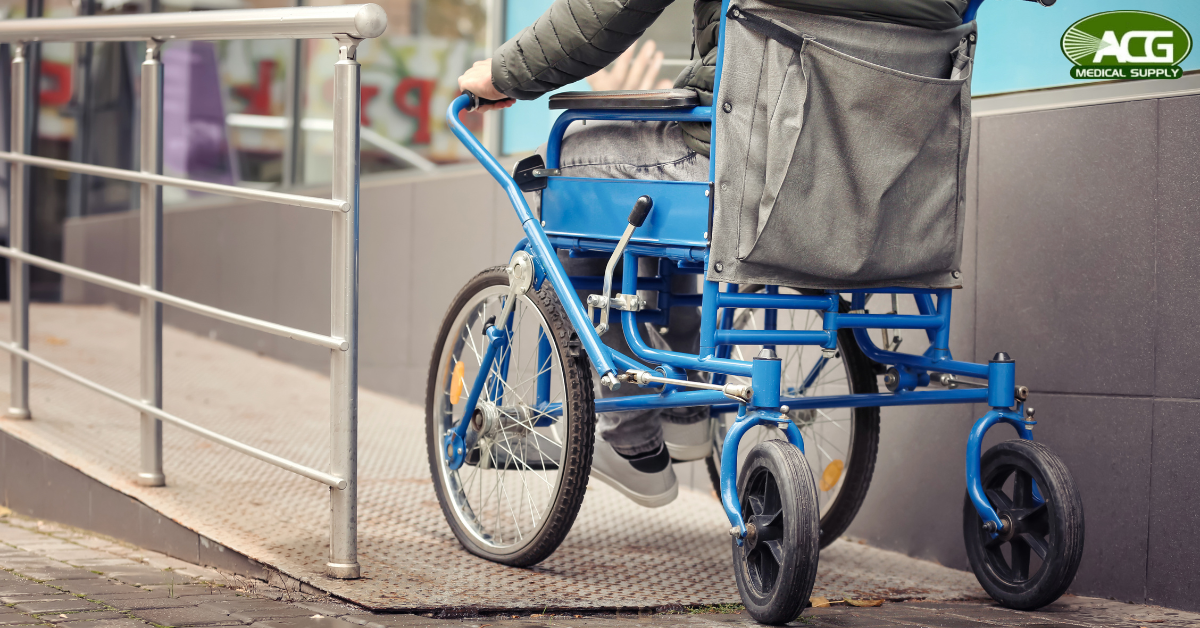
Have you ever tried watching someone navigate a small step with a walker or a wheelchair? It’s a really tough sight. A simple bump in the floor or a high door threshold can be a massive obstacle for individuals who rely on wheelchairs and walkers. But guess what? There’s a super simple solution that can truly change everything: Mobility Ramps.

Most of our homes weren’t exactly built with wheelchairs or scooters in mind. But the good news is you don’t have to do a full-blown remodel to make your home easier and safer for everyone. Sometimes, a well-placed ramp can change the game entirely.

In this blog, we’ll explore five practical ways Mobility Ramps make life easier and a whole lot better. If you’re thinking about buying one (or still unsure if mobility is even necessary), read on. 

1. Easy Access to Every Corner of Your Home

What if you don’t have to strategize how to get over that pesky threshold every time you want to go outside? It sounds liberating, right? That’s exactly what Threshold Ramps bring to the table – or, well, to your doorstep! Ramps remove those small obstacles that can make moving around the house feel like a chore for people with mobility issues. 

Just think about it: a small lip at the bathroom door, a step down into the garage, or even just getting onto the porch, each one is a mini-challenge of its own. But with a well-placed mobility ramp, these obstacles become complete non-issues. 

What’s great is that ramps today are super versatile:

  • Portable models you can move around
  • Folding designs for space-saving
  • Heavy-duty options for outdoor or garage areas

And if you’re shopping with ACG Medical Supply, we’ve got a wide selection to choose from, all suited to different needs and homes.

2. More Independence, Less Asking for Help

One of the most meaningful, as well as overlooked, benefits of installing even a basic wheelchair ramp in your home is the increased self-assurance it brings.

When you have a mobility ramp installed, you (or your family member with mobility problems) can head right out the door without getting stuck at the threshold and head into the backyard, all without needing any help from another person. And honestly, that kind of autonomy is completely priceless.

At ACG Medical Supply, we’ve seen firsthand how installing even a single ramp can change a person’s entire outlook. It’s not just hardware, it’s hope and empowerment and dignity all wrapped in a sturdy mobility ramp.

3. Safer Movement for Everyone (Not Just for Wheelchair Users)

Let’s help you break a common myth here: mobility ramps are not just for wheelchair users. Honestly, anyone in the house can benefit from a stable, slip-resistant surface, especially when it’s rainy or icy outside. Think about it, if you have older parents, someone recovering from surgery, a pregnant partner, little kids running around… and a family dog, they all can move around more safely when there’s a ramp in place.

Key safety benefits:

  • Reduced risk of falls
  • A mobility ramp provides a stable and even surface for movement
  • Ideal for both temporary and permanent needs

If you’re someone who values security at home (and who doesn’t?), a Mobility Scooter Ramp might be the solution you didn’t know you needed all along.

4. Makes Transport In and Out of Vehicles Easier

Getting a wheelchair or scooter into a car is not exactly a graceful moment. You’re lifting, twisting, possibly sweating, and doing your best not to dent the bumper (or throw out your back while lifting the wheelchair). 

With Power Scooter Lifts and Vehicle Mobility Lifts, you don’t have to wear yourself out anymore. You just pull up to the car, push a couple of buttons, and let the lift do the heavy stuff. Seriously, it takes a load off—literally.

With the help of mobility lifts, getting a wheelchair into the car isn’t this big, exhausting task anymore. It’s faster, way less stressful, and honestly, your back will thank you. Once you’ve done it this way, going back to lifting by hand just won’t make sense.

5. They’re Safer Than Carrying Someone

This one might sound obvious, but it’s worth saying.

Trying to carry someone upstairs or over thresholds is risky for both of you. It’s how back injuries happen. It’s how major accidents happen. A ramp provides a safe and sturdy solution for everyone involved.

Especially for caregivers, having a proper ramp removes the pressure of physically lifting or straining. And if you’re thinking long-term (perhaps looking into Mobility Scooter and Wheelchair Ramps), know that you’re not just adding safety to your home, you are adding ease to someone’s daily life.

Conclusion

Honestly, home should be the one place where you don’t have to think twice about moving around and getting from one place to another. If a mobility ramp can help make life a little easier or take some stress off your shoulders, it makes complete sense. 

It’s not necessarily a big thing, but it feels big when it gives a person back their independence. That kind of change is completely worth it.

FAQs

Q1: Can I set up a mobility ramp all by myself?
Small mobility ramps are easy to install, but with larger ones, you may need professional help.

Q2: Are ramps only for wheelchairs?
Not at all. They’re great for walkers, strollers, or anyone needing steady access.

Q3: What’s the difference between home and car ramps?
Home ramps help with steps and thresholds. Car ramps assist with loading into vehicles.

Q4: Do I really need a lift if I have a ramp?
Not always. But Power Wheelchair Lifts or Power Scooter Lifts can make transport easier.

Q5: Where should I buy a ramp?
You’ll find safe and trusted options at ACG Medical Supply.

Bed and Body Wedges

7 Ways Bed and Body Wedges Boost Comfort and Circulation

If you’ve ever struggled to find that “just right” position in bed, you’re not alone. A sore back, swollen legs, or even just trouble breathing at night can turn rest into a real struggle and that affects more than just your sleep. But what if a simple support pillow could change all that? Say hello to bed and body wedges, your new best friend for better sleep and better health.

At ACG Medical Supply, people just like you are finding real relief with these helpful cushions. So, let’s take a look at how these wedges work their magic and why so many people are turning to them for everyday relief.

1. Elevates for Better Blood Flow

Ever had that pins-and-needles feeling after sitting too long? That’s poor circulation kicking in. Using a leg elevation wedge for swelling relief helps reduce fluid build-up in your lower limbs, when your legs are gently raised above heart level, gravity steps in to help your veins move blood back up.

This is especially helpful for people with varicose veins, post-surgery patients, pregnant women, and anyone who spends long hours on their feet.

By simply propping up your legs with a wedge, you’re giving your circulation a much-needed boost and making life a little more comfortable.

2. Supports a Restful Night’s Sleep

We all crave that deep, uninterrupted sleep, the kind that leaves you feeling refreshed. But snoring, acid reflux, and sinus congestion often get in the way. A comfortable wedge pillow for breathing keeps your upper body elevated, making it easier for air to flow in and out.

It’s like giving your lungs extra room to breathe. And that makes a world of difference for anyone dealing with sleep apnea, post-nasal drip, GERD, or allergies.

You can rest easy, knowing you’ve got the support you need—literally.

3. Eases Pressure on Joints and Muscles

Lying flat on your back can put pressure on your lower spine, hips, and knees and cause discomfort. That’s where a memory foam body positioner wedge really comes in handy. It gently conforms to your body shape, supporting the natural curves of your spine and reducing the tension on joints.

You can place it under your knees, back, or sides, and it will help distribute weight evenly and take the strain off areas that often ache.

4. Ideal for Post-Surgery Recovery

If you are recovering from surgery or an injury, then a wedge pillow can be your best friend. It helps keep your body in the right position (whether it’s your legs, back, or upper body) so you can heal faster without fidgeting all night.

A multi‑purpose medical wedge cushion is designed for this very reason. Doctors often recommend them after hip or knee surgeries, C-sections, back operations, and cosmetic procedures.

These multi-purpose wedges are simple, non-invasive, and offer steady support that helps you rest and recover without discomfort.

5. Improves Breathing and Reduces Congestion

Breathing should be easy, right? But if you’re dealing with asthma, colds, or even just seasonal allergies, lying flat can make things worse.

An elevating pillow for the head and upper body helps you find some relief and improves breathing. It tilts your torso slightly, keeping nasal passages clearer and lungs more open. 

With the help of these wedges you’ll be able to breathe easier and sleep better, with no extra medication or gadgets required.

6. Encourages Healthy Posture

Think of your spine like a Jenga tower, it only works when everything’s stacked just right. Slouching or lying awkwardly can mess with your alignment, leading to stiffness and fatigue.

With bed and body wedges, you can train your body to sit, lie, and rest in healthier positions. The right wedge helps you stay upright and aligned, whether you’re reading, watching TV, or working from bed. 

Small change. Big difference.

7. A Versatile Tool for the Whole Family

What’s better than a one-trick pony? A wedge pillow that works for everyone! These handy cushions aren’t just for seniors or people recovering from surgery. Kids with colds, moms-to-be, tired dads, and even your snoring partner can all find a little relief.

A medical bed wedge for circulation is one of those things you’ll wonder how you lived without. And with options like memory foam, breathable covers, and compact sizes, you can even travel with them.

Conclusion

Sometimes, small changes bring big comfort. Bed and body wedges offer simple, effective support for better sleep, circulation, and pressure relief. With trusted options from ACG Medical Supply, finding your perfect fit has never been easier.

FAQs

Q1: Can bed wedges help with snoring?
Yes! A wedge that raises your upper body can reduce snoring by improving airflow and keeping airways open.

Q2: Are these wedges suitable for pregnancy?
Absolutely. Wedges can support the belly, back, or legs, making sleep more comfortable during pregnancy.

Q3: Can kids use wedge pillows too?
Yes! Wedges can help kids sleep better when they’re congested or need a little extra lift—just pick the right size.

Q4: How do I clean my wedge pillow?
Most come with a removable, washable cover. Check product details for specific care instructions.

Q5: How long will the wedge pillow last?
With proper care, high-quality foam wedges can last for several years without losing shape.

Respiratory Therapy Equipment

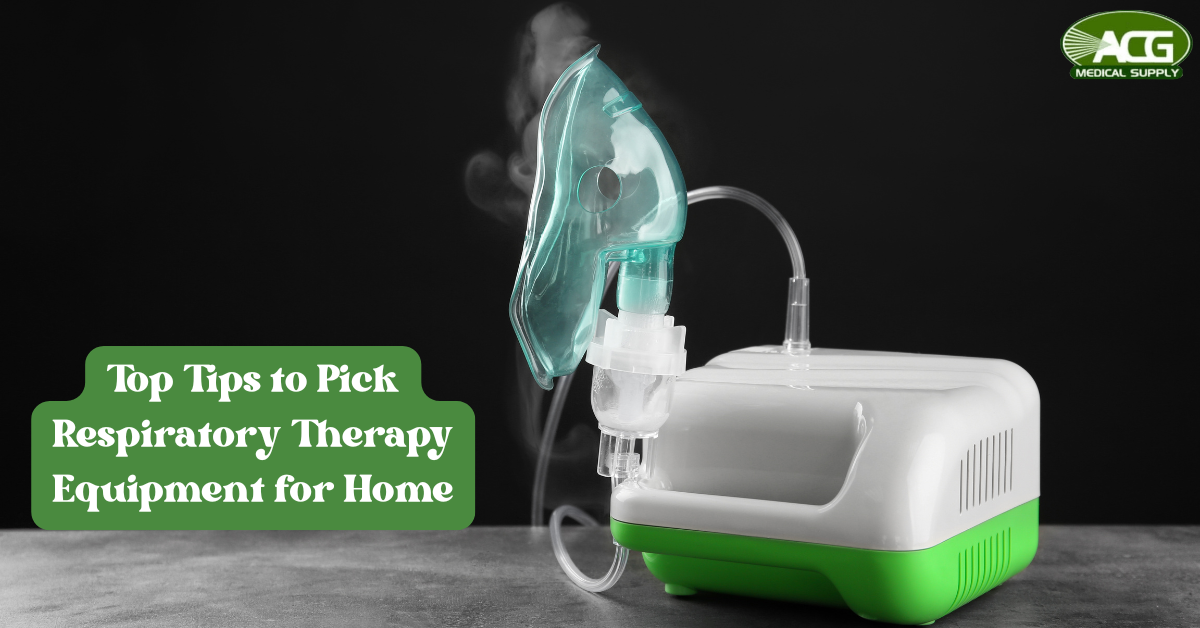
Top Tips to Pick Respiratory Therapy Equipment for Home

Breathing, something we do without thinking, yet it’s the one thing we cannot live without. For those who struggle with respiratory issues, every breath can be a challenge. If you or a loved one need help with breathing, having respiratory therapy equipment at home can feel like a small but powerful step toward comfort and independence. 

But here’s the tricky part: choosing the right equipment for home use can feel like navigating a maze of unfamiliar terms, machines with blinking lights, and way too many options. But, you don’t have to figure it out alone.

If you’re looking for a nebulizer kit for your child, exploring home oxygen therapy for an older family member, or trying to find the right CPAP masks and machines, we’ve broken it all down, simply, honestly, and with heart.

Let’s get you started on the path to breathing easier.

Why Bringing Respiratory Therapy Home Makes Sense

It’s easy to forget how vital breathing is, until it starts to feel like a battle. That’s when tools like a Nebulizer Kit or CPAP masks and machines turn into real game-changers. These devices don’t just help with breathing; they can boost your energy, help you sleep better, and even keep hospital visits to a minimum.

Think about it this way:

  • Better airflow and oxygen means you can do more of what you love.
  • Medications get to your lungs quicker with Aerosol Therapy.
  • You gain control over your health, right in your own living room.

With trusted providers like ACG Medical Supply, quality equipment is just a few clicks away, making home oxygen therapy and other treatments simpler than ever.

What Equipment Does What

Here’s a friendly guide to the main players in home respiratory care:

  • Nebulizer Kits: Turn liquid meds into a gentle mist so they go straight to your lungs. Great for quick relief in asthma or COPD.
  • CPAP Masks and Machines: Keep your airways open while you snooze. If snoring or sleep apnea is your issue, these are lifesavers.
  • Home Oxygen Therapy Devices: For those who need extra oxygen, portable concentrators or tanks can help keep energy up during the day.
  • Suction Therapy Equipment: Helps remove mucus if coughing isn’t enough, making breathing clearer and easier.

Often, people use a combo of these to feel their best.

How to Nail Your Choice: 5 Smart Tips

Choosing Respiratory Therapy Equipment isn’t a one-size-fits-all deal. Here’s how to get it right:

1. Start with Your Doctor’s Advice

Your healthcare provider knows what you need. Maybe it’s a Nebulizer Kit for quick medicine delivery or Suction Therapy equipment if clearing your airway is tough. Getting their input is step one.

2. Comfort Is King

You’ll use some devices daily—like CPAP masks and machines—so make sure they feel good. Look for soft masks, adjustable straps, and quiet motors. A comfy fit means you’ll stick with your therapy longer.

3. Check the Extras

Some machines come with cool features, battery backup for power cuts, compact size for travel, or easy-clean parts. Think about your lifestyle and pick what matches your routine.

4. Go for Reliable Brands and Suppliers

Cheap can sometimes cost more in the long run. ACG Medical Supply stocks devices that meet high standards, so you’re not left with unreliable equipment.

5. Budget with Care

Respiratory equipment isn’t always cheap, but it’s worth it. Look into insurance coverage, compare prices, and don’t hesitate to ask suppliers about payment plans or discounts.

How to Maintain Your Respiratory Therapy Equipment

Proper care keeps your devices working well and safe to use. Here are some simple tips:

  • Clean regularly: Follow manufacturer instructions, especially for masks and tubing.
  • Replace parts as needed: Filters, masks, and tubing often have limited lifespans.
  • Store correctly: Keep equipment in a dry, clean place.
  • Check for damage: Inspect devices routinely and report issues to your supplier or doctor.

Routine maintenance not only ensures better performance but also extends the life of your equipment.

Conclusion

When you’re dealing with a condition that affects your breathing, every inhale becomes a little more precious. And the equipment you choose? It’s not just hardware, it’s your everyday hope in disguise.

Take your time, ask questions, and lean on trustworthy names like ACG Medical Supply. Because better breathing doesn’t start with a machine, it starts with knowing you’re in good hands.

FAQs

What is the difference between a nebulizer and a CPAP machine?

A nebulizer turns liquid medicine into a fine mist for inhalation, mainly for lung conditions. A CPAP machine helps keep airways open during sleep, commonly used for sleep apnea.

How often should I replace CPAP accessories?

Typically, masks should be replaced every 3 months, and tubing every 6 months. Always follow manufacturer guidelines and inspect for wear.

Is suction therapy only for hospital use?

No, suction therapy devices are available for home use, especially for patients who have difficulty clearing their airways.

Can I use my therapy equipment while traveling?

Absolutely. Many devices today are designed for travel. Just check with ACG Medical Supply to find the best portable option for your needs.

Is it difficult to use Respiratory Therapy Equipment at home?

Most Respiratory Therapy Equipment designed for home use is user-friendly. Manufacturers provide detailed instructions, and your healthcare provider can also offer guidance on proper use.

Ostomy Supplies

A Complete Guide to Essential Ostomy Supplies

Let’s face it, life with an ostomy isn’t something most people plan for, yet it becomes part of your story, a chapter full of resilience, adaptation, and yes, some pretty unexpected learning curves. But here’s the thing: the right ostomy supplies don’t just support your health, they become your daily allies, empowering you to reclaim comfort and confidence with every step.

If you think of this journey like an epic adventure, your gear matters. So, buckle up! This isn’t your typical run-of-the-mill guide. We’re diving into the essentials of ostomy supplies with fresh eyes, seeing them as the practical heroes they are, helping you master this new terrain.

What Are Ostomy Supplies, When Do You Need Them, and Why Do They Matter?

Ostomy supplies are specially designed medical products that help people manage an ostomy; a surgically made opening on the abdomen that lets waste exit the body when the usual route isn’t possible. These supplies include pouches, skin barriers, and accessories that keep things clean, comfortable, and discreet.

You need them if you’ve had surgery for conditions like colorectal cancer, Crohn’s disease, or bladder issues that require a colostomy, ileostomy, or urostomy. But beyond medical need, these supplies restore normalcy and freedom in daily life.

They matter because they do more than hold waste, they protect your skin, control odors, and let you live confidently without constant worry. The right supplies, like a drainable pouch or skin barrier film, act like a second skin, providing comfort, security, and peace of mind every day.

The Core Components of Ostomy Care

Navigating the world of ostomy products can feel overwhelming. To keep things simple, here’s a breakdown of essential items you’ll want to have:

1. Pouching Systems

These are the cornerstones of ostomy care. A pouching system is made up of a pouch and a skin barrier, working together to collect waste safely. You’ll find two main types:

  • One-Piece System: Combines the pouch and skin barrier into a single unit. It’s straightforward to use and good for people who prefer simplicity.

  • Two-Piece System: Allows you to change the pouch without removing the skin barrier, ideal for sensitive skin.

Both systems have their perks depending on your lifestyle and personal preference.

2. Drainable Pouch

If you want more control, a drainable pouch is a smart choice. These pouches allow you to empty waste without changing the whole unit, which can save money and reduce waste. They’re especially handy for those with a high output.

3. Urostomy Pouch

Designed specifically for those with a urostomy, this pouch manages urine output safely and comfortably, helping maintain daily life without interruption.

4. Skin Barrier Film

Protecting your skin is a priority. Skin Barrier Film shields the sensitive skin around your stoma from irritation caused by adhesives or output. Applying this film creates a protective layer, ensuring your skin stays healthy and less prone to damage.

5. Pouching Accessories

Pouching Accessories are the little extras that make a big difference, like adhesive removers, deodorants, and belt supports. These accessories help improve the fit and comfort of your pouching system, giving you that extra layer of confidence.

How to Choose the Right Supplies for You

Choosing the best ostomy supplies isn’t a one-size-fits-all deal. Your needs might change over time or based on your lifestyle. Here’s a simple approach to picking what’s right for you:

  • Consider your stoma type and output: Different outputs need different pouches, like drainable or urostomy pouches.
  • Think about your daily routine: If you’re active or travel often, look for supplies that are durable and easy to manage on the go.
  • Pay attention to your skin: Sensitive skin needs gentle products like skin barrier films and hypoallergenic adhesives.
  • Test and adjust: Sometimes, it takes trying different systems to find your perfect match.

Tips for Taking Care of Your Ostomy Supplies

Good care extends the life of your supplies and keeps your skin happy. Here are some simple tips:

  • Always clean your skin gently before applying new supplies.
  • Use a skin barrier film to protect sensitive areas.
  • Change pouches regularly, even if not full, to avoid leaks.
  • Store your supplies in a cool, dry place.
  • Don’t hesitate to ask for help or advice when trying new products.

Why Trust ACG Medical Supply? Because You Deserve the Best

When it comes to ostomy supplies, quality and support matter. ACG Medical Supply offers a broad range of products designed with care, backed by expertise and discreet service. They understand the emotional and physical challenges you face, and their mission is to make your journey smoother.

Conclusion

Choosing the right Ostomy Supplies can feel like an adventure, but it’s one that leads to greater independence and peace of mind. With trusted products from ACG Medical Supply, you’re well-equipped to face the day confidently and comfortably. Your ostomy doesn’t define you, your care choices do.

FAQs

1. What makes a One-Piece System different and who benefits most from it?

The one-piece system combines a pouch and barrier for easy, quick changes, which is ideal for those wanting simplicity and speed.

2. How do I know if a pouch is right for my lifestyle?

Look at your output type and daily activities. For frequent emptying, a drainable pouch is handy; if you’re active, choose durable, secure options.

3. Are there materials that better withstand sweat or water?

Yes! Modern pouches, especially those from trusted brands like ACG Medical Supply, are waterproof and breathable, perfect for daily wear and swimming.

4. How does a skin barrier film help my ostomy care routine?

It protects your skin from irritation and helps your barrier stick longer, which means fewer changes and more comfort.

5. What common mistakes should I avoid when choosing ostomy supplies?

Don’t settle for the first product you try. Avoid ignoring your skin’s needs or choosing supplies that don’t match your lifestyle. Testing and adjustments are key.

Mobility Scooter Accessories

7 Mobility Scooter Accessories for Comfort and Safety

Staying mobile means staying independent, and with the right accessories, your mobility scooter can do more than just get you from A to B. It can make the journey smoother, safer, and a lot more enjoyable.

At ACG Medical Supply, comfort and care go hand in hand, which is why we offer the perfect accessories to make your electric mobility scooter feel more personal and comfortable.

Let’s explore 7 must-have mobility scooter accessories that not only enhance your safety but also make every ride smoother and more enjoyable.

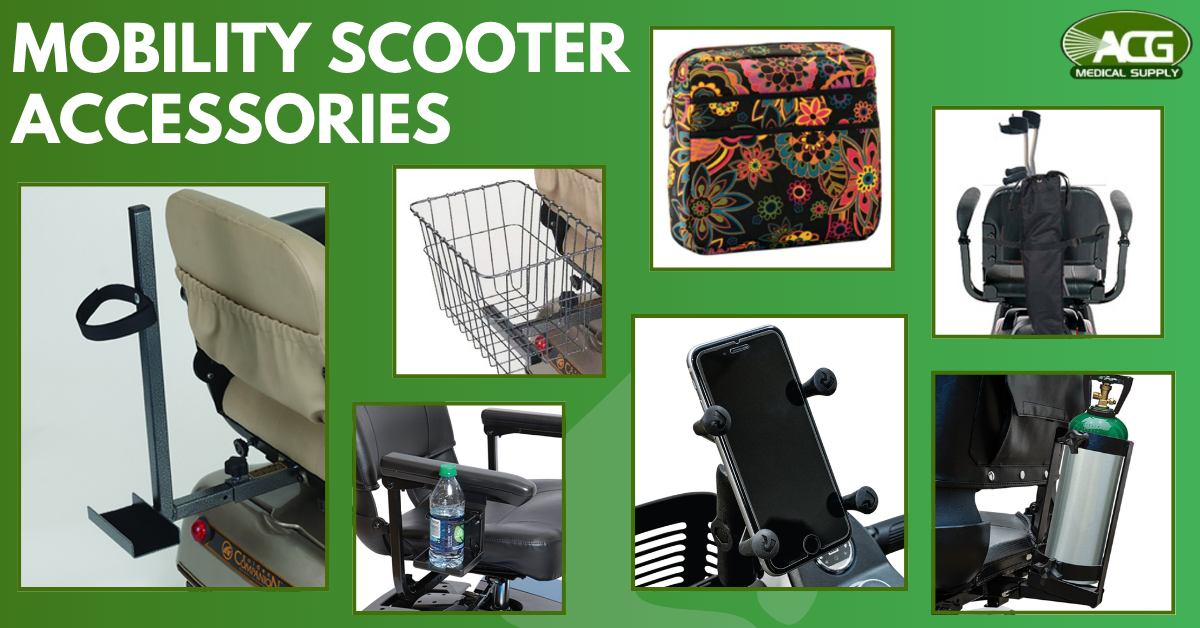
1. Folding Side Mount Cup Holder

Staying hydrated is important, but juggling a water bottle while riding a scooter? Not fun.

This is where the folding side mount cup holder proves invaluable. It’s sturdy, doesn’t wobble, and folds away when not in use, so it doesn’t get in your way. Be it your morning coffee or an iced tea in the afternoon, this handy add-on keeps your drink within arm’s reach. No spills. No stress.

Why it’s a winner:

  • Fits most cup sizes
  • Folds flat when not in use
  • Easy to install on either side

2. Universal Mobility Bag

A universal mobility bag may sound simple, but it’s an accessory you’ll quickly wonder how you ever lived without. These spacious, easy-to-attach bags offer room for personal items like wallets, books, snacks, or medication, keeping everything within arm’s reach.

Why it’s great:

  • Keeps essentials organized and accessible when you are riding your electric mobility scooter
  • Most of the time they are weather-resistant to protect your items
  • Doesn’t interfere with the scooter’s balance

This little addition makes every trip smoother and stress-free.

3. Mobility Scooter Rear Basket – Carry It All

Running errands? Grocery shopping? You’ll love the mobility scooter rear basket. It gives you extra storage space without interfering with your ride.

Mounted on the back, this basket is spacious enough for shopping bags, personal items, or even a picnic lunch.

Why it’s a game-changer:

  • Keeps items secure and within reach
  • No need to carry bags on your lap
  • Makes everyday tasks easier

When it comes to independence, this accessory scores high.

4. Quad Cane Holder 

If you sometimes need a little extra stability when you’re not on your scooter, a quad cane holder is incredibly useful. It securely holds your quad cane, keeping it within easy reach whenever you need it. No more leaning your cane precariously against walls or worrying about it falling over. It’s a simple yet incredibly helpful accessory for added support.

What it offers:

  • Saves space and avoids clutter
  • Installs quickly and holds most quad canes

5. Forearm Crutch Holder

Similar to the cane holder, a forearm crutch holder provides a safe and convenient place to store your forearm crutches when you’re riding your scooter. This frees up your hands for steering and ensures your crutches are always right there when you need them.

Key benefits include:

  • Hands-free crutch transport
  • Sturdy design to prevent slipping
  • Compatible with most scooters

6. Cell Phone Holder

Your phone is your map, music, and lifeline. Don’t let it slip through your hands or pockets.

A sturdy cell phone holder mounts right on your scooter handle, keeping your device secure and screen visible. This means you can navigate using GPS, answer calls hands-free (for safety, of course!), or simply enjoy your favorite tunes without worrying about your phone slipping out of your pocket.

Perks include:

  • Adjustable grip for different phone sizes
  • Non-slip design for bumpy rides

7. Oxygen Tank Holder

If you rely on supplemental oxygen, you shouldn’t have to sacrifice freedom for safety.

The oxygen tank holder is designed to fit neatly on the back of your scooter, keeping your tank upright and secure. No more balancing it on your lap or worrying about it tipping over. You ride hands-free, worry-free.

Why it’s helpful:

  • Provides peace of mind
  • Prevents tipping or rolling

Conclusion

Mobility doesn’t mean settling for less—it means choosing tools that fit your lifestyle. These seven mobility scooter accessories aren’t just “extras”; they’re essentials that help you feel secure, comfortable, and in control.

Every ride should feel like your ride. And with the right gear, it absolutely can.

FAQs

1. Do all these accessories fit every mobility scooter?

Most of these accessories are designed to be universal, but it’s always best to check compatibility with your scooter model or consult with ACG Medical Supply experts.

2. Are these accessories easy to install on my electric mobility scooter? 

Generally, yes! Most of these accessories are designed for easy installation and come with straightforward instructions. However, if you’re unsure, you can always seek assistance.

3. Will the accessories affect the scooter’s battery or speed?

No. These are lightweight add-ons that won’t interfere with your scooter’s performance.

4. Will these add weight or make my scooter harder to control?

Not at all. These mobility scooter accessories are lightweight and built to complement the scooter’s balance and performance.

5. Is it worth investing in multiple accessories at once? Absolutely. Combining accessories like the mobility scooter rear basket, folding side mount cup holder, and universal mobility bag can greatly enhance your comfort and functionality.

Vehicle Ramps for Scooters and Wheelchairs

A Guide to Mobility Ramps for Wheelchairs and Scooters

Sometimes, the smallest step can feel like the tallest mountain. A doorway threshold. A curb outside the grocery store. The back of your SUV. For someone using a wheelchair or scooter, these everyday moments can create unnecessary limits.

Here’s the best part: they don’t have to.

Mobility ramps and lifts are more than just tools — they’re quiet problem-solvers that give back independence, ease, and comfort. And with the right one by your side, that “tall mountain” becomes just another part of the path forward.

Let’s walk through what makes these ramps and lifts an essential companion, and how ACG Medical Supply can help you choose the one that fits your life best.

What Are Mobility Ramps & Why Do They Matter?

Think of mobility ramps for scooters and wheelchairs as bridges. Not just physical ones — but bridges to confidence, smoother routines, and everyday freedom.

These ramps:

  • Help navigate over steps, curbs, and vehicle entries
  • Support a wide range of mobility devices
  • Can be permanent or portable
  • Are designed to be safe, stable, and easy to use

They’re used in homes, public spaces, and vehicles, making environments more inclusive and flexible — exactly how they should be.

At ACG Medical Supply, we believe accessibility should never feel complicated or clinical. It should feel natural.

Choosing the Right Ramp: Types & Benefits

There’s no such thing as “one ramp fits all.” Your needs are unique, and your ramp should reflect that. Here are some of the most trusted types:

1. Threshold Ramps

These are small but powerful solutions made for doorways and raised entrances. No more getting stuck between rooms or bumping into sliding doors.

  • Ideal for indoor transitions
  • Non-slip and durable
  • Low-maintenance and discreet

2. Vehicle Ramps and Lifts

Want to bring your scooter or chair with you in the car? A ramp or powered lift makes transport simple.

  • Vehicle scooter lifts help load and unload without strain
  • Choose from manual or power wheelchair lifts
  • Great for vans, SUVs, and trucks

Pair them with vehicle lift accessories for the smoothest ride possible.

3. Portable Folding Ramps

Going on vacation? Visiting friends? These ramps fold and travel with you.

  • Lightweight and easy to carry
  • Great for temporary setups
  • Versatile for many settings

No more worrying if a new place will be accessible.

Built for More Than Convenience — Built for Life

Every ramp at ACG Medical Supply is selected with one goal: to support real people in real situations.

We make sure our mobility lifts for scooters and wheelchairs are:

  • Easy to set up and adjust
  • Engineered with safety in mind
  • Tested for strength and performance
  • Designed to work with walkers, wheelchairs, scooters, and more

Plus, if you’re unsure which model is right for you, our team is happy to help you sort through the options — without any sales pressure.

Why ACG Medical Supply?

At ACG Medical Supply, we don’t just sell ramps. We support stories.

Whether you’re recovering from surgery, adjusting to a new diagnosis, or helping a loved one maintain their independence — we’re here for that journey.

Why families trust us:

  • Carefully curated selection of wheelchair ramps, lifts, and accessories
  • Friendly customer service
  • Options for both purchase and rental
  • Staff who actually listen and care

We’re proud to be a trusted name in Texas and beyond for medical equipment that empowers — not overwhelms.

What to Ask Before Buying

Before choosing a ramp or lift, ask yourself:

  1. Where will I use it? Indoors, outdoors, in a vehicle?
  2. How high is the step or surface? Measure the rise for proper length.
  3. Do I need something portable? Foldable ramps are great for flexibility.
  4. Will I install it permanently or move it around?
  5. What kind of device will use the ramp? Manual chair, power scooter, etc.

Still unsure? Give us a call or stop by one of our showrooms — we’ll walk through it with you.

Frequently Asked Questions

1. Can I use a ramp inside my home?

Absolutely! Threshold ramps are perfect for indoor use and make transitions between rooms smoother.

2. Are ramps heavy?

Not necessarily. Aluminum folding ramps are super light and easy to carry. Rubber ramps are a bit heavier but super stable.

3. What’s the lifespan of a ramp?

With proper care, many ramps last for years. Just clean them regularly and store them well.

4. How do I know what size ramp to get? 

The length of the ramp should correspond to the height of the obstacle. A typical guideline is 12 inches of ramp for every inch of height. Make sure to measure before purchasing.

5. Do insurance or Medicare cover ramps or lifts? In some cases, yes! Especially if they’re deemed medically necessary. ACG’s team can help guide you through documentation.

Incontinence Products

Key Differences in Incontinence Products: A Complete Guide

Let’s be honest—talking about incontinence isn’t always easy. But if you’re here, chances are you or someone you love is navigating this journey. And trust us, you’re not alone. Millions of people experience some level of incontinence, and the good news? There are incredible products out there designed to make everyday life more comfortable, dignified, and worry-free.

This guide walks you through the essential differences between product types, so you know exactly what to expect and which solution might suit your lifestyle best.

Why Incontinence Products Matter (And Why They’re a Lifesaver!)

When bladder leaks or accidents become part of daily life, having the right tools can make all the difference. Incontinence products are not just “nice to have”—they’re essential. These items are daily companions that help people live with fewer disruptions and greater confidence. The right product doesn’t just absorb; it enables freedom—freedom to move, rest, and engage without fear of embarrassment or discomfort.

From aging to medical conditions, childbirth to surgery recovery, incontinence happens. And that’s okay. With the right support, you can still live life fully—and comfortably.

Types of Incontinence Products and How They Differ

Navigating the different types of incontinence products might seem a little confusing at first, but it’s really quite straightforward once you see what each one is designed to do. They all have the same goal – keeping you dry and comfortable – but they go about it in slightly different ways. Let’s check them out:

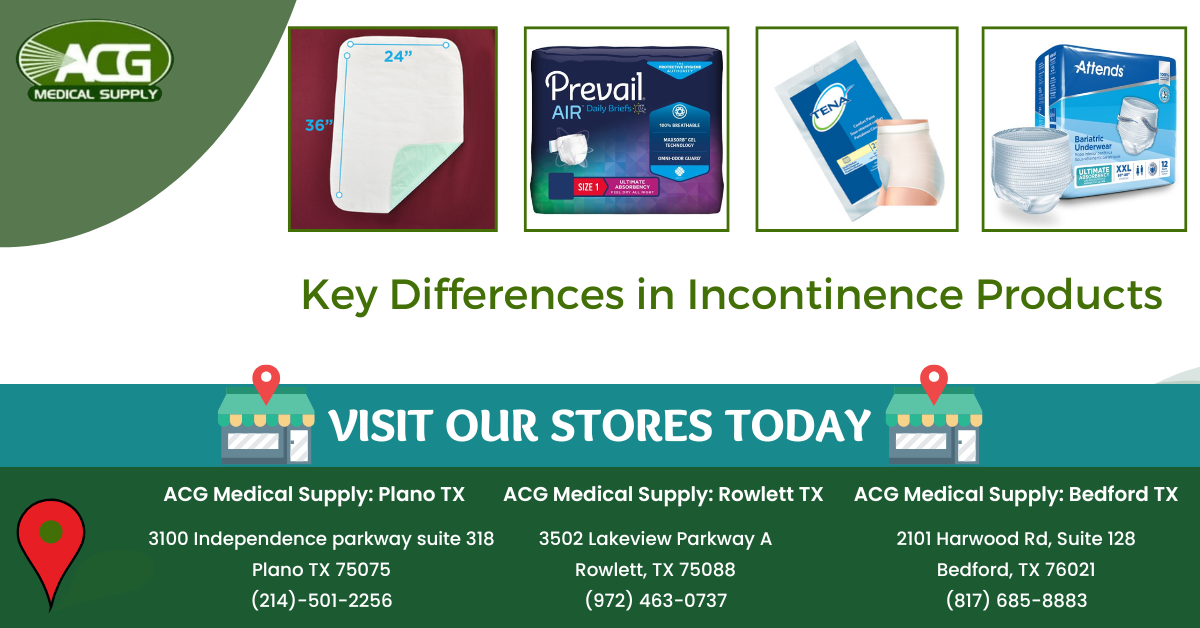
Incontinence Briefs:

Incontinence briefs are also called adult diapers. These are typically for heavier needs or for people who might need help changing. They usually have tabs on the sides that fasten, making them adjustable and often providing a very secure fit. They offer substantial protection, which is great for overnight or for times when you need maximum absorbency.

Pull Up Briefs:

Pull-up briefs are designed to look and feel much more like regular underwear. You simply pull them up and down. They are a fantastic choice for people who are still active and want something discreet that allows for easy bathroom trips. This briefs offer great protection for moderate to heavy leakage and give you that extra boost of confidence and super popular because they feel so normal!

Brief and Pant Liners and Bladder Control Pads:

These are smaller, absorbent pads that you stick inside your regular underwear. Brief and pant liners are usually thinner and designed for very light leaks, like just a few drops. Bladder control pads, on the other hand, are more absorbent and come in different sizes and shapes to handle light to moderate amounts of leakage. They are a discreet option for daytime use when you want a little extra security without wearing a full brief.

Underpads:

These are like little waterproof mats! You place them on surfaces like beds, chairs, or wheelchairs to protect them from any accidents. Underpads are super helpful for adding an extra layer of protection, especially at night or when sitting for long periods. Sometimes called “chux,” they are a simple but effective way to save your furniture and bedding.

Reusable Underwear:

For lighter leaks, reusable underwear can be a great, eco-friendly option. These look and feel like regular underwear but have a built-in absorbent panel. You can wash and wear them again, which is good for the planet and can save you money over time. They offer discreet protection for minor drips and are a comfortable everyday choice.

See? Each product has its own special job! By understanding these differences, you can pick the best tool (or tools!) for your needs.

How to Choose the Right Product for You

Everybody is different. Your ideal product will depend on a few personal factors:

  • Mobility – Can you move around easily? Pull-up styles may work best. Need caregiver support? Go for tab-style briefs.
  • Leak Level – Mild leaks? Pads or liners. Moderate to heavy? Briefs or pull-ups.
  • Skin Sensitivity – Look for breathable materials and hypoallergenic designs.
  • Budget and Sustainability – Reusables may save money in the long term, while disposables offer convenience.

At ACG Medical Supply, you’ll find a wide variety of incontinence products tailored to every lifestyle and need. Our team is known for compassion, guidance, and quality, offering trusted brands and helpful advice when it matters most.

Conclusion

In the end, managing incontinence is all about finding the right support system, and that includes the products you use. There are so many excellent options available today, designed to be comfortable, discreet, and highly effective. Don’t let worries about leaks keep you from living your best life. Explore the different types of incontinence products, understand what they offer, and don’t hesitate to reach out to helpful resources like ACG Medical Supply to find your perfect match. You deserve to feel confident, comfortable, and free to enjoy every single day!

FAQs:

1. What’s the most discreet incontinence product?

Bladder Control Pads and Brief Liners are the most discreet for mild leaks. They’re slim, quiet, and easy to wear under everyday clothing.

2. How do I know what size to buy?

Check the size chart on the product or website like ACG Medical Supply. If you’re between sizes, go for the snugger fit for better leak protection.

3. Can I use incontinence products overnight?

Yes! Look for products labeled “overnight” or “maximum absorbency.” Underpads are also great for added protection.

4. What’s the difference between Pull Up Briefs and Incontinence Briefs?

Pull Ups go on like underwear—best for active users. Incontinence Briefs have tabs and are great for people who may need help changing.

5. Are reusable options safe and reliable? Absolutely! Reusable underwear is designed for repeated washes and holds moisture well. They’re comfy, cost-effective, and eco-friendly.

Search Articles

Medical Tips in Your Inbox

Get expert recovery advice, equipment guides, and caregiver tips — delivered weekly. No spam, unsubscribe anytime.

Need equipment today?

Same-day or next-day delivery in the DFW area. Call us now for immediate assistance.