
Most people don’t set out to “learn about wheelchairs.” They end up here because something changed. Maybe walking got unpredictable for them. Balance feels off. Maybe their energy runs out faster than it used to. For a while, you work around it. Then one day, you realize you need answers, and the search goes from “just looking” to very specific, very fast.
And that’s where frustration kicks in. Everything online sounds the same. Clean lists. Neat categories. Words that feel copied and pasted. Real life is messier than that, so let’s talk about wheelchairs the way people actually encounter them, in small real moments, not brochures.
Manual Wheelchairs
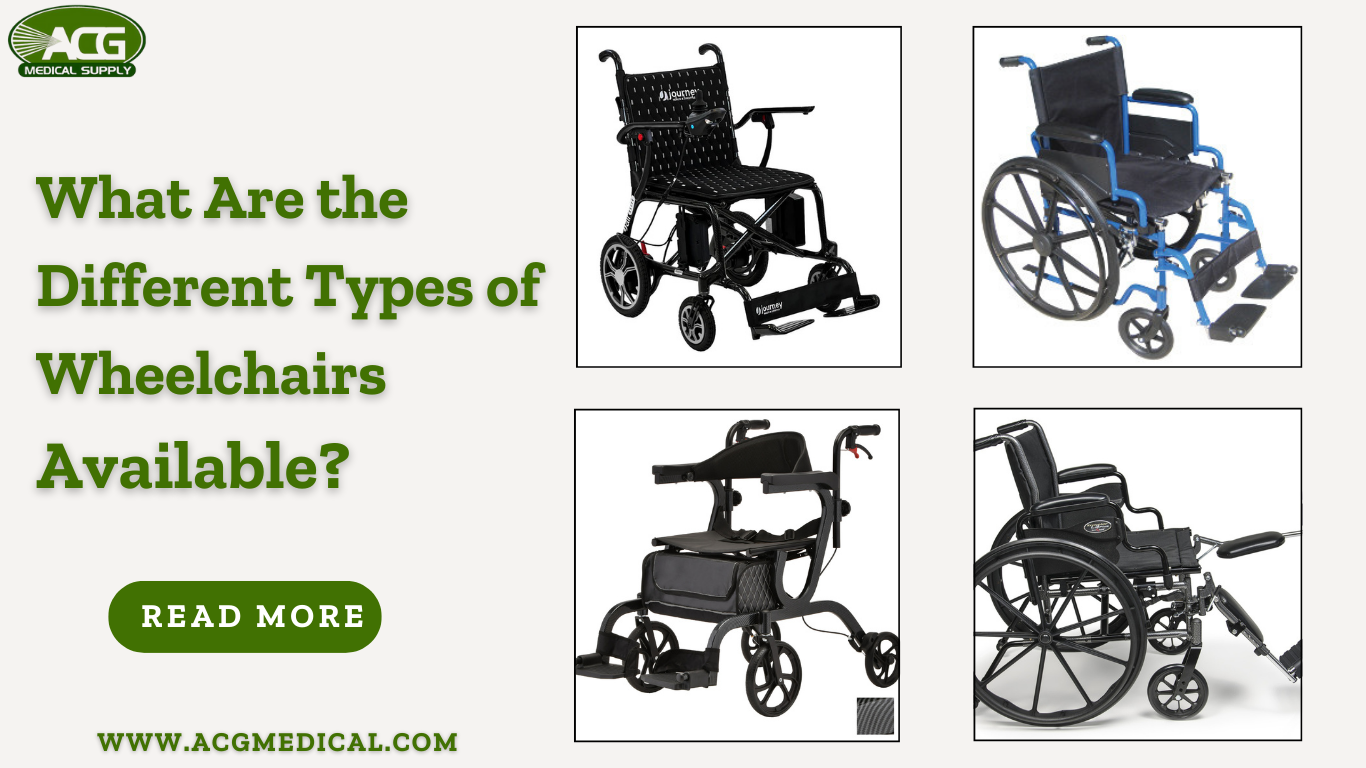
Manual wheelchairs are familiar because they’ve been around forever. Two large rear wheels, push rims, brakes you learn to trust, and a frame that does exactly what you ask of it. Nothing more. They work well in controlled spaces. Homes. Clinics. Smooth floors. Short outdoor stretches. For users with upper-body strength, they offer a sense of control that powered chairs can’t quite replicate. You feel the movement. You decide the pace. But manual chairs demand energy. Over time, that effort adds up. Slopes feel longer. Rough ground feels unforgiving. For some people, that’s manageable. For others, it becomes the reason the chair stays unused more often than planned. As a medical wheelchair, it sits somewhere in the middle. Dependable and simple, but not the right fit for everyone, every day.
Electric and Power Wheelchairs
An electric wheelchair, also known as a power wheelchair, offers a distinctly different experience. Instead of pushing, you steer using a joystick or control panel. These chairs are built for people who need mobility support throughout the day and want to move independently without physical strain. They’re great indoors, but many models handle outdoor terrain surprisingly well, too. They’re heavier. They cost more. And yes, you need to remember to charge them. But for many users, the freedom is worth it. If you’re considering long daily use, have limited strength, or simply want smoother Movement, this type of mobility chair can be a game-changer.
Lightweight Wheelchairs
A lightweight wheelchair is exactly what it sounds like. Less bulk. Easier lifting. Less effort. These are often made with aluminum or similar materials and are popular with people who travel, drive frequently, or need something that folds without a wrestling match. They’re also easier for caregivers to handle. There is a downside. Lighter frames aren’t built for heavy use or higher weight limits. But for short-term needs or part-time use, they’re often a really practical middle option.
Transport Wheelchairs
A transport wheelchair resembles a standard manual chair, but with one significant difference. Smaller wheels in the back.
This type isn’t designed for self-propelling. It’s meant to be pushed by someone else. Think airport terminals, hospitals, shopping trips, or quick outings.
They’re compact, easy to fold, and fit nicely into car trunks. If the user won’t be moving Transport chairs, independently, make a lot of sense. But how do you choose the best one? Let’s dive into Essential Tips for Selecting the Right Transport Wheelchair.
Heavy-Duty Wheelchairs
A heavy-duty wheelchair is built for strength and stability. Wider seats. Reinforced frames. Higher weight capacity. These chairs are designed for users who need extra support without sacrificing safety. They’re commonly used as long-term medical wheelchair solutions and are built to last. They are heavier, yes. But they’re also more durable. And honestly, comfort and safety are usually more important than shaving off a few pounds.
Folding Wheelchairs
A folding wheelchair is all about flexibility. Fold it. Store it. Load it into a car. Open it again in seconds.
Most manual and lightweight chairs fold in some way, but some are designed specifically for frequent transport. If storage space or travel is a concern, this feature matters more than people expect.
Wheelchair Accessories
A chair rarely stays “just a chair.” Over time, people add wheelchair accessories to make daily life easier.
Some common ones include:
- Cushions for pressure relief
- Storage pouches and trays
- Anti-tip bars
- Weather covers
These small add-ons can change comfort levels dramatically, especially for long-term users.
Quick Comparison Table
| Type | Best For | Key Benefit | Things to Consider |
| Manual Wheelchair | Short to moderate daily use | Simple, affordable | Requires strength |
| Electric Wheelchair | Full-day independence | Minimal physical effort | Needs charging |
| Lightweight Wheelchair | Travel and transport | Easy to lift | Lower weight limits |
| Transport Wheelchair | Assisted mobility | Compact and portable | portable Not self-powered |
| Heavy Duty Wheelchair | Higher weight support | Stability and durability | Heavier frame |
| Folding Wheelchair | Storage and travel | Space-saving | Fewer custom features |
Choosing What Actually Works
Here’s where people get stuck. They focus on labels instead of daily habits.
Ask yourself:
- How many hours a day will it be used?
- Indoors, outdoors, or both?
- Self-powered or assisted?
- Will it be transported often?
That sounds obvious. But it’s not. Many people buy the wrong chair simply because it “looked right.” At ACG Medical Supply, this is why selection matters. A well-matched ACG Wheelchair isn’t about features on paper. It’s about how it fits into real life, day after day.
Conclusion
There isn’t one perfect wheelchair. There’s only the right one for how someone actually lives.
Some people need independence. Some need support. Some need something that folds, fits, and disappears into the trunk without fuss. Understanding the different types makes that decision easier. And honestly, less stressful. Which matters more than people admit. Because mobility isn’t just about moving. It’s about feeling comfortable doing it.
FAQs
- Which wheelchair is used most often?
Manual wheelchairs remain the most widely used due to their simplicity and accessibility.
- Is an electric wheelchair suitable for indoor use?
Yes. Many electric wheelchairs are designed for tight indoor spaces and smooth navigation.
- Are lightweight wheelchairs durable?
They are durable within their intended use. A lightweight wheelchair is best for moderate daily use and frequent transport.
- What situations call for a transport wheelchair?
A transport wheelchair works well for appointments, travel, and any situation where Assistance is always available.
- Can accessories be added later?
Yes. Most wheelchair accessories can be added over time as needs change.