
Medical Supply

Free Blood Pressure Checks

Where to Get Free Blood Pressure Checks in 2025

Checking your blood pressure should be as simple as grabbing a coffee. And in 2025, it really is. Across the U.S., more places are offering free screenings, making it easier than ever to keep tabs on your health without spending a dime.

Regular monitoring is important not just for people with high blood pressure; everyone should know their numbers, because catching changes early is way better than dealing with a surprise down the road. 

If you’ve ever searched for a free blood pressure check near me, then this guide is for you, as it lays out all your options and explains why checking in on your stats is one of the simplest, smartest things you can do for your health.

Why free blood pressure checks are a must-have

Blood pressure is the “silent indicator” of underlying heart problems. You don’t always feel when something’s off, but ignoring it can lead to long-term health issues. That’s why free checks can be such a helpful accessory in daily life. They give people quick access to data without having to book a doctor’s appointment or buy equipment upfront.

Free checks are about creating awareness, not just about saving money. By getting a reading at a local pharmacy or community event, you build a habit of monitoring your health. 

Free checks like these are especially handy for people who don’t have regular insurance, who don’t want to bother their doctor with a simple measurement, or who just feel unsure about those grocery store machines (which, by the way, are fine, but a real person is always a plus).

ACG Medical Supply: More than just a store

Located in three bustling Texas cities—Rowlett, Plano, and BedfordACG Medical Supply is more than just a medical gear shop. Sure, we’ve got everything from mobility aids to diagnostic tools, but what really turns heads is our regular free blood pressure check events. You can stop by any of our three showrooms, and we offer complimentary blood pressure checks with our knowledgeable staff on hand to guide you through the process.

The best part is these aren’t just one-off events. ACG Medical Supply hosts these free checks every single month, so you can keep a routine eye on your heart health.

Other places to get free blood pressure checks

Okay, so maybe you’re not in Texas, or you’re just curious about other options. There are a few other solid picks for where to get blood pressure checked for free. Big chain pharmacies like CVS sometimes run ‘CVS free blood pressure screening’ events, especially for heart health awareness months. But these are often limited-time offers, not year-round services. 

Local community health fairs, wellness events, and even clinics sometimes set up shop for free screenings, too, with nurses and volunteers ready to help. If you’re really curious about ‘free health screenings 2025 USA,’ a quick online search with your city and ‘free blood pressure check’ will usually get you the information on the latest events in and around your city.

The essential home tool: Invest in your own monitor

Here’s a thought. Why not check your blood pressure at home? ACG Medical offers the essential wireless blood pressure monitor, a sleek, user-friendly device that syncs with your phone, so you can track your numbers over time without scribbling them down on napkins. It’s accurate, easy to use, and, once you buy it, checks are free forever.

Other popular monitors, like the One Touch blood pressure monitor, do much the same, storing your readings and making it easy to share them with healthcare providers. Having a good monitor at home means you’re never far from your numbers, and honestly, isn’t it nice to have one less thing to worry about?

Quick comparison: Free checks vs. At-home monitors

FeatureFree checksAt-home monitors
CostAlways freeOne-time purchase required
ConvenienceAvailable at pharmacies, events, or showroomsCheck anytime at home
AccuracyReliable, performed by trained staffHigh accuracy with proper use
FrequencyLimited to when screenings are offeredDaily or multiple times a day if needed
Record keepingUsually, no history is  providedStores readings for long-term tracking
Best forOccasional checks, quick reassuranceConsistent monitoring and condition management

Both approaches have their place. Free checks offer convenience when you’re out and about, while at-home monitors give consistency for daily tracking.

Conclusion

Finding a free blood pressure check near me in 2025 isn’t hard—what matters is making the most of it. Free screenings at pharmacies, community events, and medical supply showrooms are more than a convenience; they’re a way to stay connected to your health. 

Visit any of ACG Medical Supply’s three showrooms and enjoy free blood pressure checks year-round.

FAQs

Why bother checking if I feel fine? 
High blood pressure mostly goes unnoticed because it usually has no symptoms. Regular checks can catch problems early, when they’re easiest to manage.

Where else can I get a free blood pressure check?
Pharmacies (CVS, Walgreens) sometimes offer free screenings during awareness months or special events, and community health fairs are another great source.

Do I need to make an appointment to get a free check?
Nope, just walk in during the event, it’s that simple at ACG Medical Supply showrooms.

Are these screenings accurate?
Yes, ACG Medical Supply checks are performed by trained staff, just as reliable as any doctor’s office.
Patient Transfer Lifts

How to Safely Use Patient Transfer Lifts: A Guide for Caregivers

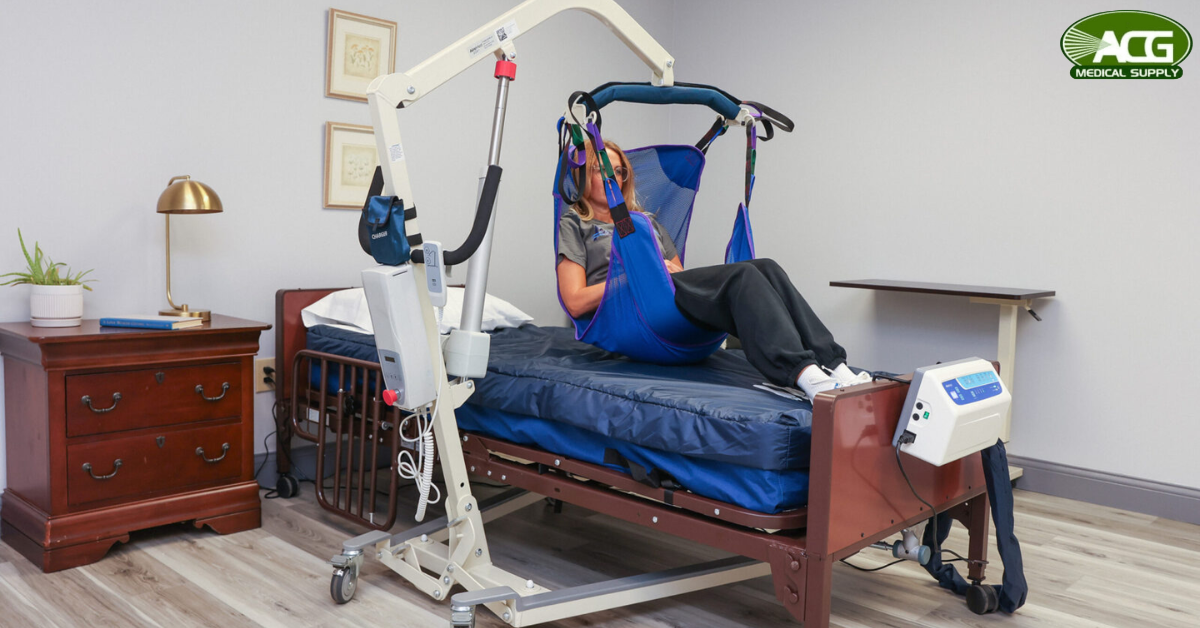
Caring for a loved one who has limited mobility is a big act of love, but it can take a toll on shoulders, backs, and peace of mind. ACG Medical Supply stocks an entire lineup of patient transfer lifts that lower the physical strain on caregivers while keeping transfers secure and dignified for the person in the sling. This guide breaks down what today’s lifts can do, types of lifts available, and—most importantly—how to use a patient lift the safe, confidence-building way.

Why a Patient Lift Belongs in Every Home-Care Toolbox

Lifting an adult isn’t just heavy; it’s downright awkward. Twisting while supporting weight places up to 1,200lbs of force on a caregiver’s spine.

Here’s why every home-care setup benefits from a lift:

  • Saves your back (and shoulders). Lifts take the heavy strain off, so you’re not twisting or overexerting yourself every time you help someone move.
  • Ensures patients are transferred from one to another comfortably without feeling pulled or dragged.
  • Creates safer environments by lowering the chance of falls or skin tears.
  • Saves time and energy, leaving more room for quality interactions instead of stressful lifting.

And it’s not just about muscles and joints. Safe transfers mean fewer skin tears, less chance of falls, and none of that unsettling “being manhandled” feeling. In short, a lift protects bodies and relationships.

Types of Patient Transfer Lifts

Different households and care needs call for different styles of lifts. Here’s a breakdown of common types:

Lift StyleBest ForKey Benefits
Manual Hydraulic LiftBudget-conscious homes or occasional transfersNo batteries required, simple to use, reliable
Electric Sit-To-Stand Patient Lift ChairUsers who can bear some weight and follow cuesEncourages leg strength, supports quick bathroom trips
Full-Body Electric (Hoyer-style)Individuals with no weight-bearing abilityQuiet motor, smooth and steady lifting
Bariatric ModelsPatients over 400 lbsReinforced frames, wider booms for added stability

Each type of lift has its place. Some families go with a manual patient lift because it’s budget-friendly and dependable. Others lean toward using a Hoyer Lift at home when patient transfers are more frequent and comfort is the utmost priority.

How to Use a Patient Lift: Step-by-Step Guide

Using a lift isn’t that difficult, but like most new things, using the lift feels easier after a little practice. The trick is to take it slow and follow the same pattern each time. Here’s a step-by-step patient lift guide:

1. Prep the Lift and Sling

Before anything else, give the lift a once-over. Are the wheels rolling smoothly? Brakes locking in place? If it’s electric, check that the battery isn’t on its last leg because you don’t want it dying halfway through. Lay the sling out flat and untangled; a twisted sling is a headache you don’t want mid-transfer.

2. Position the Sling

This part feels tricky at first, but gets easier. Gently roll your loved one onto their side, slide the sling under them, then roll them back. Smooth it out under the shoulders and thighs so there’s no bunching or pinching; comfort matters more than speed here.

3. Attach and Begin the Lift

Clip the sling straps into the hooks, then pause and double-check every single one. Nothing’s worse than realizing a strap isn’t secure once you’re mid-air. When you start lifting, go really slow. If the person looks anxious, take a minute and reassure them.

4. Move with Care

Don’t unlock the brakes until you are actually ready to move, and when you do, take it easy around rugs, furniture, or whatever clutter’s in the way. Always keep an eye on how the person in the lift is feeling, and talk to them through it. Saying simple things like “We’re moving now” or “almost there” can make them feel safer and more involved.

5. Lower and Settle

Lock those brakes again before lowering the patient. Guide them gently into the chair, bed, or wherever they’re headed. Only unclip the sling once they’re sitting safely and securely.

Patient Lift Safety Tips for Every Caregiver 

A patient lift certainly makes things a lot easier, but safety still comes first. A few golden rules:

  • Read the manual. Is it boring? Yes. But is it necessary? Also yes.
  • Take your time. This isn’t a race. Rushing usually ends in mistakes.
  • Double-check every strap and clip before lifting.
  • Clear the floor. Even a stray sock can turn into a hazard.
  • Keep talking. Let the patient know what’s happening so there are no surprises.
  • Stick to the weight limits. No exceptions.
  • Practice first. Run through it with a friend, a pillow, or even just on your own before trying it with the patient.

Conclusion

Patient transfer lifts really are lifesavers, for both the person doing the lifting and the one being lifted. They take away so much of the stress and strain that usually comes with patient transfers. Instead of worrying about your back giving out or whether you’ll lose balance and fall, you can actually relax. And honestly, once you’ve practiced a few times, using a lift feels easier than ever. It just becomes part of the routine, like second nature.

FAQs:

Q1: Manual vs. electric—what’s the difference?
Manual lifts use a pump handle and they are more affordable. Electric lifts run on a motor, less effort, smoother motion.

Q2: Sit-to-Stand or full-body?
If the person can bear some weight, go Sit-to-Stand. If not, a full-body (Hoyer) is safer.

Q3: How do I transfer safely at home?
Take it slow, check straps and brakes, and walk them through each step.

Q4: Do lifts need maintenance?
Yes, you should check brakes, wheels, and slings regularly. If you using an electric one, then recharge or replace batteries when needed.

Q5: Are they hard to learn?
Not really. The first time might feel a little awkward and tricky, but after a couple of times you’ll get the hang of it.

Electric Hospital Bed

How to Choose the Right Full-Electric Hospital Bed

Caring for someone you love has a way of throwing you for a loop. Suddenly, things you never gave much thought to (like mobility, safety, or how easy it is to sit up in bed) start shaping your everyday life. And pretty quickly, one of the biggest decisions on your plate becomes choosing the right bed. If you’ve already gone down the Google rabbit hole, you’ve probably seen the Full-electric Hospital Bed come up again and again.

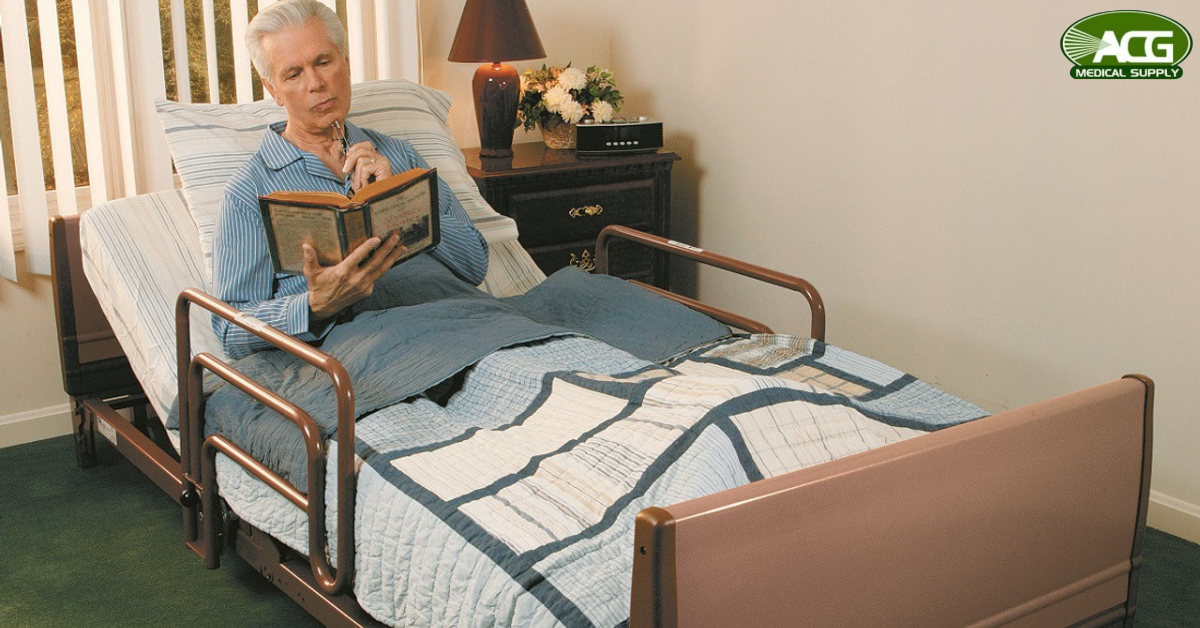
Now, let’s be clear, this isn’t the cold, squeaky bed frame you probably remember from hospital visits. These are made with home life in mind. They’re comfortable, practical, and, honestly, they give back a lot of independence to the person using them. And for caregivers? They can take a load off their shoulders too.

In this guide, we’ll walk you through everything you need to know before making your decision.

Why a Full-Electric Hospital Bed Feels Like a Game-Changer

The phrase “hospital bed” doesn’t exactly make most people light up with excitement. You might think of something clinical, sterile, maybe even intimidating. But here’s the twist: a full-electric hospital bed is nothing like that. It puts the power—literally—right in your hands with a simple remote control.

Think about this:

  • You want to sit up and read without stacking pillows? Push a button.
  • Do you need to elevate your legs after a long day or to reduce swelling? Push a button.
  • If you are struggling to stand up from a low position? You can raise the whole bed (yep, by pushing a button).

For someone who’s been relying on others for every little adjustment, the ability to move on their own is huge. You can actually see the relief (and even pride) on someone’s face the first time they adjust the bed themselves.

The Details That Really Make a Difference

When you start shopping for Hospital Beds, it quickly becomes obvious that they’re not all built the same. Some are bare-bones, some are semi-electric, and then there are the fully electric ones that feel almost tailor-made for comfort and safety.

Here are the features worth paying attention to:

  • Adjustable Height – This feature is a total game-changer for caregivers. It saves your back and makes things like grooming or dressing so much easier. And for the person in bed, getting to a walker or wheelchair also becomes far less scary.
  • Head and Foot Adjustments – These aren’t just nice-to-have features; they can improve breathing, reduce acid reflux, or simply let someone find their sweet spot for a nap.
  • Safety Rails – They help with stability and give peace of mind, especially at night.
  • Remote Control – Forget fiddly cranks and levers. A remote keeps things simple—just a couple of buttons, and you’re set.

And here’s something many people forget: the accessories. Hospital Beds and Accessories go hand in hand. A great Hospital Bed Mattress, a handy tray table, or even supportive Medical Pillows can transform the bed from “functional” to “actually cozy.”

Manual vs. Semi-Electric vs. Full-Electric: The Quick Breakdown

Bed TypeAdjustabilityEase of UseCaregiver EffortBest For
Manual BedHand-crankLowHighShort-term or tight budgets
Semi-ElectricHead/foot motorized, height manualModerateMediumPatients needing partial support
Full-ElectricFully motorized (head, foot, height)HighMinimalLong-term comfort and care

If you’re caring for someone at home, that last row pretty much explains why so many families go for full-electric.

Choosing Your Perfect Bed (And Why It Doesn’t Have to Be Overwhelming)

Let’s be real for a moment, buying a hospital bed probably isn’t something you ever thought you’d be doing. But here you are, and the good news is, it doesn’t have to feel extremely clinical or stressful. In fact, finding the right bed can actually feel empowering. You’re making life easier for your loved one, and for yourself too.

At ACG Medical Supply, we understand this isn’t just a random purchase; it’s a big and scary step. That’s why we don’t rush you into a decision; we walk you through options. You’ll see everything from the popular adjustable electric hospital bed to extras like trapeze bars, specialized mattresses, and more. You’re never left to figure it out on your own. Our team is here to answer questions, share real guidance, and help take a big chunk of the stress off your plate.

Conclusion

Every family’s situation is unique, but one thing always holds true: having the right hospital bed at home can completely change the day-to-day. It eases some of the constant struggles and makes the space feel safer and more peaceful. And when you’re looking after someone you love, those little wins? They matter more than anything.

FAQs

1. Are full-electric hospital beds hard to use?
Nope. They’re designed for simplicity. If you can use a TV remote, you can use one of these.

2. Do I need a special mattress?
Yes, you’ll want a proper Hospital Bed Mattress. Regular mattresses don’t always fit well, and they won’t give the needed support.

3. Can I add accessories?
Definitely, things like rails, tables, or Hospital Bed Accessories make a huge difference day-to-day.

4. Are these only for long-term care?
Not at all. They’re just as helpful for short recovery periods after surgery or illness.

5. Where can I buy one?
Check out ACG Medical Supply—we’ve got a wide range and friendly staff who actually care about finding you the right match.

Mobility Scooter

Checklist for Finding Reliable Mobility Scooter Providers Near Me

Finding a reliable mobility scooter provider isn’t always about star ratings or the flashiest ads. It’s about trust, guidance, and support that lasts long after the purchase. 

This blog isn’t about the usual “top 5 reasons” list. It’s about what to look for, the red flags to avoid, and why choosing the right provider can be the difference between a scooter that collects dust and one that truly brings back your freedom.

Reputation and Customer Feedback

Yes, star ratings are useful, but the real insights come from reviews and feedback. Do customers praise delivery and service? Are complaints resolved quickly or ignored? Repeat customers are usually a strong indicator of trustworthiness.

Pro tip: Search their name in community forums or local Facebook groups for honest, unfiltered feedback.

Look Beyond the Price Tag

It’s tempting to focus on numbers, especially when mobility scooters can range widely in cost. But here’s something people often realize too late: the cheapest option upfront may not be the cheapest in the long run. Imagine getting a scooter that fits your budget today, only to have it break down after six months with no support in sight. Suddenly, those “savings” don’t feel like savings anymore.

A reliable provider won’t just throw you the lowest (or highest) price. They’ll help you weigh cost against durability, comfort, long-term value, and most importantly, your needs. For a reliable provider, it’s not about making a sale; it’s about making sure the scooter meets your needs and becomes a part of your life for years, not months.

Pay Attention to the Support

Here’s a little secret: anyone can sell you a scooter, but not everyone will stand by you after the sale. What happens when the battery gives you trouble? Or when you’re not sure how to get it serviced?

This is exactly when having the right provider matters most. Reliable providers either have in-house technicians or trusted service partners, and they don’t leave you waiting weeks for repairs. Stocked parts for your exact model ensure faster turnaround and peace of mind.

Watch for Genuine Care

A reliable provider shows it in more than just their showroom—they show it in how they treat you. Do they take the time to listen? Ask about your daily routines, comfort, and real needs? Or are they simply steering you toward the “best-seller” because it’s convenient for them?

Trust your gut here. The right provider acts like a partner, not just a salesperson. They’ll share in your excitement when you find the scooter that fits, because they understand what it really means: you’re getting a tool that makes moving through life easier.

Quick Tips for Choosing a Mobility Scooter Provider

TipWhy It Helps
Visit the Store in PersonSee the scooters up close and test comfort
Ask About Service OptionsEnsures repairs and maintenance are easy
Check for Spare PartsAvoid long wait times if something breaks
Look for Personalized AdviceEnsures the scooter fits your lifestyle
Consider AccessoriesSmall additions improve safety and comfort

Why Choose ACG Medical Supply?

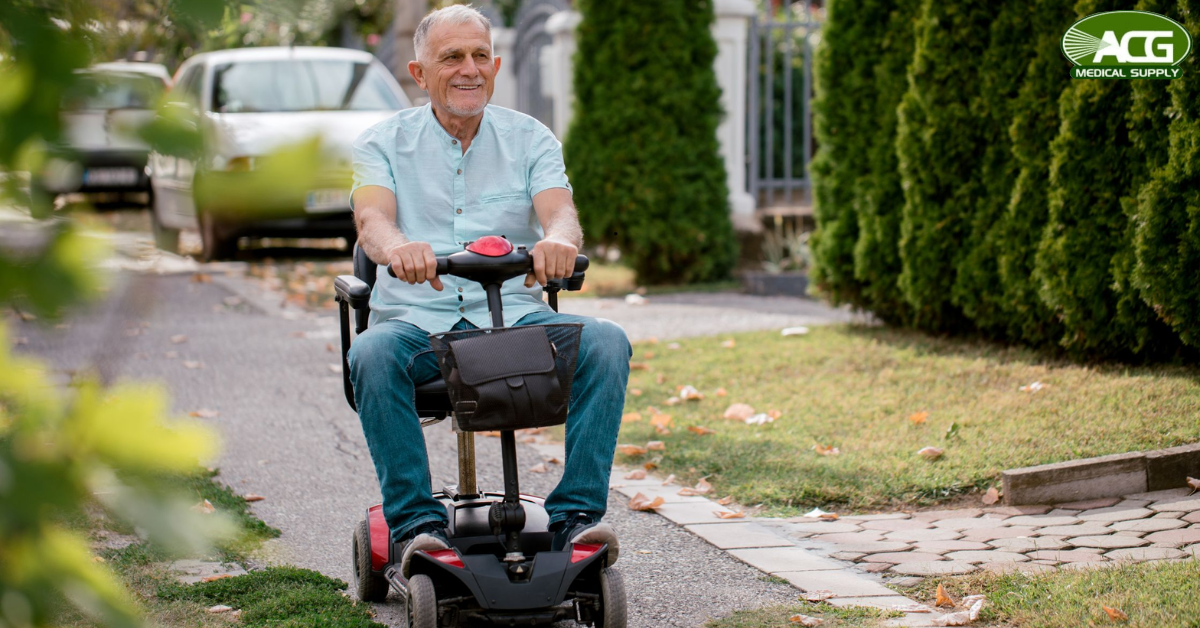
We’re known at ACG Medical Supply for selling trustworthy, top-notch items that make a difference. Just like our other products, our selection of electric mobility scooters has options to meet a wide range of needs, whether you need a 3-wheel electric scooter or a foldable mobility scooter. We make sure you get a mobility scooter and mobility scooter accessories that work for you. And our team of experts is always available to help you find the right scooter.

Finding ACG Medical Supply is easy, with welcoming locations across Texas:

Conclusion

When it comes to owning a mobility scooter, you’re not just getting a helpful tool – you’re gaining a ticket to more independence! It’s your key to cruising around town, meeting up with pals, and embracing your independence with a smile. A great provider gets this wholeheartedly. They won’t just hand you any scooter; they’ll match you with one that fits your lifestyle.

FAQs

Q: Can I try a mobility scooter before buying?
Yeah, you really should. Taking a mobility scooter for a test ride is the only way to know if it actually works for you.

Q: How many times should I get my scooter checked out?
Once a year is usually enough. If you use it a lot, then a bit more often, just to be safe.

Q: Are foldable scooters strong enough for daily use?
Yep. They’re designed to handle daily use and still fold up easily when you need to take them outside.

Q: Do accessories actually help?
Oh, for sure. Things like mobility scooter baskets, cup holders, or a little extra padding can make your ride way more comfortable and safer.

Q: What is the most important quality to look for in a scooter provider?
Honestly? Someone who actually listens. If they get what you need, everything else—warranty, service, advice—usually falls into place.

Stair Lifts

Home Stair Lifts Installation and Service: A Simple Guide

Stairs are just stairs, until they aren’t. For many people, stairs start to feel like something that’s more of a barrier than a way through. Suddenly, stairs stand between them and their own bedroom, or the backyard they used to love hanging out in. Every step starts to feel like a battle, which is part worry, part pride, part pure exhaustion. 

But there are simple solutions like stair lifts that can make all of that go away (without taking away your independence). A stair lift can greatly improve the quality of life. And this guide breaks it all down clearly, without fluff or false promises. Whether you’re buying for yourself, a parent, or a client, here’s what truly matters.

Stair Lifts: Why They’re More Than a Machine

It’s easy to think of stair lifts as just motorized chairs. But ask anyone who’s had one installed, and they’ll tell you it’s something else entirely: it’s relief.

A stair lift restores your control. The user doesn’t need to wait for assistance. They don’t need to cling to railings or count steps. They sit, press a button, and move safely. That’s dignity.

And what’s even better is that stair lifts today aren’t what they used to be. Take the Pinnacle Stair Lift SL300; it’s not big or bulky. It’s slim, quiet, and folds up nicely, so it stays out of the way. And because it runs on a low-maintenance drive, you don’t have to think about it much. It just works—day in, day out—giving you one less thing to worry about.

If you have steps outside, then the Harmar Outdoor Stair Lift is made for that. It can handle any weather, be it rain, heat, or wind, without slowing down, so getting to your porch or backyard isn’t a hassle anymore. And if someone needs a bit more support, the Harmar Pinnacle Heavy Duty Stair Lift is up for the job. It’s strong and steady, but still comfortable.

So yes, a stair lift is a machine, but the freedom it offers is deeply personal.

What the Installation Really Looks Like

If you’ve been picturing drills, drywall damage, and a week of noise—forget that. Installing a stair lift is surprisingly clean and fast.

Here’s how it usually works:

  1. Evaluation: A professional from ACG Medical Supply visits the home. They take measurements, look at the stair structure, and check clearances.
  2. Model Selection: Straight stairs? Curved? Outdoor? ACG helps match the right model to the user’s mobility needs and home layout.
  3. Mounting the Rail: Contrary to what most think, the rail mounts to the steps, not the wall. No hammering into plaster or tiles.
  4. Install Day: For straight lifts, the setup takes a few hours. Curved installations take longer since the rail is custom.
  5. Training: The installer shows you how to use the lift, test controls, and charge the battery. It’s all simple stuff—no manual memorization required.

And if you’re wondering whether the work that gets done is reversible, then yes, it is. If down the line you don’t need the lift anymore, it can be removed without leaving your staircase in ruins.

Stair Lift Quick Facts

WhatWhy It MattersHow It Helps
Fast InstallationNo wall drilling neededClean setup, done in a day
Compact DesignFolds away when not in useKeeps the stairs open for others
Keeps the stairs open for othersSimple buttons or a remoteNo learning curve
Weather-Ready OptionOutdoor models availableAccess the backyard or porch easily
Regular ServiceQuick checkups & tune-upsLong-lasting, worry-free use

Servicing Your Stair Lift Without Headaches

Here’s the truth—stair lifts are dependable, but they’re still machines. And like all machines, they run better with a little care.

ACG Medical Supply offers regular servicing, which keeps the system working safely and quietly. No sudden lurches. No surprises when you need it most.

A typical service appointment includes:

  • Checking and replacing the battery if it’s ruined 
  • Lubricating the rail and gears
  • Testing the motor and remote
  • Making sure all safety sensors respond properly

Why ACG Medical Supply Is the Name You Should Know

There are stair lift retailers, and then there’s ACG Medical Supply. We aren’t just another equipment vendor. We’re known for providing premium stair lifts for home use, yes, but it’s our people-first mindset that sets them apart.

We don’t push what’s expensive. We only recommend what’s appropriate, whether it’s straight or curved, compact or heavy-duty. ACG focuses on real-life use, not showrooms.

We also carry reliable brands like Harmar Stair Lifts, and we’re there for you long after the install. 

Conclusion

Stair lifts make a person’s life really easy, it’s as simple as that, they help people who have trouble walking up the stairs move freely and stay safe and feel more at home. And when you get a stair lift from ACG Medical Supply, the whole process is simple and stress-free.

FAQs

1. Can more than one person in the home use the same lift?
For sure. As long as each person can sit comfortably and safely, and the user’s weight is within the lift’s limit.

2. Will my home be too small or narrow to get a stair lift installed?
It’s highly unlikely. Many models, including the SL300, are built for narrow staircases and fold neatly when not in use.

3. How much does one usually cost?
It depends. Straight stair lifts start at lower ranges, while curved or outdoor models cost more due to customization. ACG Medical Supply provides honest quotes tailored to your setup.

4. Is the installation process of a stair lift noisy or messy?
Nope. It’s a fairly clean process, it usually gets done in one day, and there’s also no need to drill into walls or tear up floors.

5. Will it work during a power outage?
Absolutely. Most units come with backup batteries that charge automatically.

Compression Garments

Beginner’s Guide to Medical Compression Garments

There’s no loud advertisement or dramatic before-and-after story behind compression garments. In fact, most people only hear about compression garments when they need them, after surgery, during treatment, or through someone quietly managing swelling or circulation issues.

And that’s part of their value. They don’t draw attention. They do their job.

Unlike many wearable health aids, compression isn’t about high-tech sensors or trends. It’s about consistent, carefully applied pressure that supports the body’s natural circulation, helps reduce swelling, and adds stability where needed.

At ACG Medical Supply, these garments aren’t treated as just another product. They’re part of a broader focus on practical solutions that help people live and move better, day by day.

Understanding Compression Garments

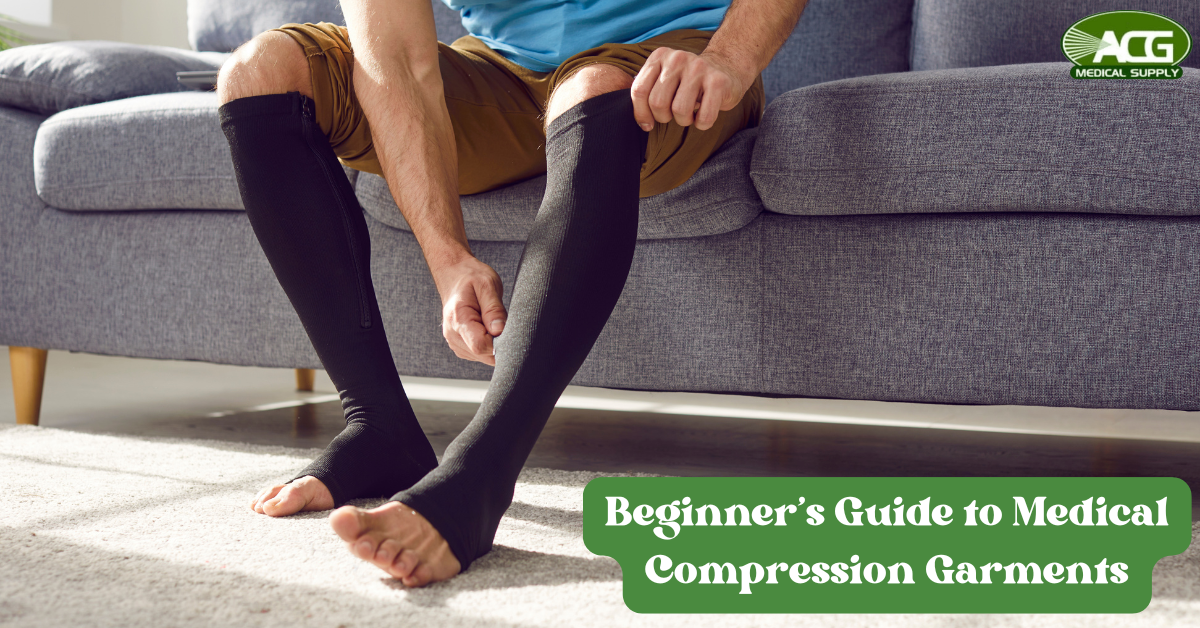
The purpose of compression garments is straightforward: apply controlled pressure to help with circulation and reduce swelling.

Common types you will come across while researching include:

  • Sleeves are for arms
  • Socks and compression stockings are for legs
  • Wraps and bodysuits are for torso support

Doctors often recommend these for people who are recovering from a major abdominal surgery, dealing with varicose veins, or are suffering from chronic swelling. In cases like lymphedema support, they’re absolutely necessary.

And sometimes, people use them simply because standing for 10 hours a day takes a toll on their legs.

Who Are They For?

You don’t need to have a medical condition to benefit from compression garments. People who turn to medical compression garments come from all kinds of backgrounds:

  • People who work in a warehouse, nurses, and other people who are on their feet all day
  • People who run or go to the gym, as they most probably have sore or inflamed muscles
  • People who have had a recent surgery
  • Frequent travelers dealing with circulation issues
  • Those managing lymphoedema treatment for the legs

And of course, those under medical care for venous insufficiency or DVT risk rely on these garments long-term.

Types of Compression Garments

Not all compression garments are the same. There are specific garments made to support specific areas and needs. 

You’ll see compression stockings used mostly on the legs, ankle up to the thigh. They’re not fancy, but they help more than you’d expect. If your calves tend to swell up by the end of the day, stockings can really take the edge off. Then there are arm compression sleeves, they are less talked about but they are just as useful, mostly for people who are healing from surgery or people who are managing lymphedema, post-surgery compression garments also help in recovery after surgery, for example, surgical bras or full-body suits, offer that extra bit of support the body needs to heal without any complications while helping keep fluid buildup in check.

Choosing the Right Compression Level

There are several levels of compression a garment can provide. Fair warning, compression levels are measured in mmHg, which sounds like medical jargon, but it really only means how much pressure the garment puts on your body. 

8–15 mmHg (Mild)

Light support. This compression level is ideal for tired legs, mild swelling. No medical reason is needed for this level of compression.

15–20 mmHg (Moderate)

A bit stronger. This level of compression is great if you are pregnant, stand a lot at work, or have noticed early signs of varicose veins. This level also can be used without a prescription.

20–30 mmHg (Firm)

More structured support. This level is supposed to be used after suffering through a surgery or for issues like mild lymphedema. Check with a doctor before use.

30–40 mmHg (Extra Firm)

Medical-grade pressure. This level of compression is usually prescribed for serious vein or lymph issues. Use extra firm compression only when a doctor prescribes it.

Tips for Care and Comfort 

Here are a few small changes and habits that can make getting used to wearing medical compression garments every day a lot easier:

  • Wear them right after waking up; that’s when the swelling is at its lowest
  • Use gloves, they help grip the fabric and avoid damage while pulling them on
  • Wash regularly, either by hand or using cold cycles. Air drying preserves the elastic fibers
  • Replace them every 3 to 6 months or as soon as they feel loose or stretched

And here’s a detail that is really important to follow: if something feels off—too tight, too itchy, or just wrong—it’s okay to stop using it and get a refit. Compression should support you, not restrict you.

Conclusion

Compression garments are not really a flashy purchase when it comes to garments, but for those who need them, they’re absolutely life-changing. They do their job quietly and help people feel stronger, move more easily, and recover faster.

And with providers like ACG Medical Supply, finding the right fit is just a few clicks away.

FAQs

Q1: Do I need a prescription?
Not for all garments. Light and moderate pressure levels can often be bought over the counter.

Q2: Can I sleep in them?
Unless your doctor says so, it’s better to remove them at night. Body position changes while lying down.

Q3: How long should I wear compression garments?
Preferably all day, you should put them on first thing in the morning and remove them before going to bed at night, unless told otherwise.

Q4: Are they hard to put on?
They can be, especially higher-pressure ones. But gloves or a simple plastic aid can help a lot.

Q5: Are compression garments only for older adults?
No. People of all ages use them for work, travel, recovery, and comfort.

Foot Care Products

7 Best Medical Foot Care Products for Diabetics

Living with diabetes isn’t exactly a walk in the park. Some days are easy, and others? Not so much. And while there’s a lot to manage (blood sugar, food, meds), foot care often slips through the cracks. But here’s the thing: even something as small as a blister or dry patch can turn into a big deal if you don’t catch and treat it early. That’s why using the right foot care products is essential—they help you stay ahead of problems before they start.

The good news is that ACG Medical Supply has made it a whole lot easier. If you’re dealing with cracked heels, stubborn bunions, or just looking for some solid support to get through the day, we have a lineup of diabetic-friendly tools that are practical, easy to use, and actually make a difference.

1. Gentle Foot Cleansers

A good cleanser doesn’t just wash off the day’s dirt; it protects your skin. If you’ve got diabetes, then harsh soaps, strong fragrances, and drying ingredients are a no-go. They usually end up doing more harm than good. What your feet really need is something that gets the job done but gently, without stripping away your skin’s natural barrier or leaving things feeling tight and dry.

So, you should look for cleansers that are:

  • pH-balanced to keep your feet’s skin calm and does not further irritate it
  • Antibacterial but still gentle, to reduce infection risk
  • Moisturizing, so your feet don’t feel tight and dry afterward

2. Deeply Nourishing Foot Moisturizers

Once your feet are clean, it’s all about locking in that moisture. This is where the PediFix Diabetic Defense Daily Therapy Foot Moisturizer comes in. And trust us—it’s a game-changer.

This stuff is lightweight but super effective. It contains tea tree oil (which helps in fighting bacteria and odor) and ginger (to stimulate circulation). It is also non-greasy, so you won’t be slipping and sliding around after you have applied it.

If you want more out of the moisturizer then slather it on your feet before bed and wear a pair of cotton socks. You’ll wake up with noticeably softer feet.

3. PediFix Visco-GEL Bunion Guard

Bunions are painful, ugly, and stubborn. But instead of jumping straight to surgery, try giving this little gadget a go: the PediFix® Visco-GEL® Bunion Guard. It cushions the bunion area, reduces pressure, and fits easily into your shoes.

It won’t cure the bunion, but it will help you walk without wincing. Which, honestly, is a huge win.

4. Toe Care Products to the Rescue

Let’s be real for a minute, toes get weird. Corns, overlapping toes, blisters, diabetes can turn your toes into little troublemakers. That’s why toe care products are so handy. These small tools can help relieve pressure, straighten toes, and protect against friction.

Toe separators, gel caps, toe sleeve, there’s a lot to love. They’re the unsung heroes of diabetic foot care.

5. Spenco Total Support Insoles

We’ve all been there—those thin, floppy insoles that come with new shoes and feel like, well… nothing. Seriously, who are those even helping? That’s why Spenco Total Support Insoles feel like such a revelation. These aren’t your average shoe insoles, they actually do something, they offer arch support that actually arches and has incredible shock-absorbing layers your joints will absolutely love. 

Seriously, they do wonders to reduce foot fatigue, making you feel more balanced just walking to the fridge. They’re also ideal for anyone who spends a lot of time on their feet, or frankly, just wants significantly better support from their footwear.

6. Heel Cups for Extra Support

Heel pain isn’t fun for anyone, and diabetics often deal with plantar fasciitis or pressure point pain. If you don’t want to go for full insoles, then that’s exactly where Heel Cups become your saviour. They add cushioning under your heels and help take the stress off your feet. It’s easy to use, and slips easily into all types of shoes.

They don’t cost much either, but they do make a big difference by the end of the day when your feet would normally be screaming in pain.

7. Cushion & Protect: PediFix FelTastic Callus Protectors

Calluses and blisters can really mess with your day, especially if you’re already dealing with sensitive feet. That’s why PediFix FelTastic Callus Protectors are such a great little fix. They’re soft, stretchy, and stick right where you need them, on your heel, the ball of your foot, or wherever things start to rub and irritate. They help take the pressure off the calluses and blisters, so you’re not wincing with every step. 

Conclusions

Managing diabetes is a full-time job most days. It’s a lot—meals, meds, numbers… it adds up fast. But here’s the good news: foot care doesn’t have to be another stressor. With the right essentials—like the foot moisturisers and cleansers, and other foot care products we’ve talked about—you’re not just checking a box. You’re giving your feet the support and care they need. 

So don’t wait for a blister or a sore to pop up. Start small. Moisturize. Use the good clippers. Pick the shoe inserts that make walking fun again. Your feet carry you through life—give ‘em something back.

FAQs

Q1. Can I just use regular lotion on my feet?
It is not recommended. Diabetic skin is more prone to cracks and infections. 

Q2. How many times should I apply the foot lotion?
Daily! Make it part of your night time routine. Just skip between the toes (too much moisture there = bad news).

Q3. Can I use regular insoles or do I need diabetic ones?
While any insole is better than none, diabetic insoles like Spenco Total Support Insoles are designed to reduce pressure and risk of injury more effectively.

Q4. Can I wear bunion guards and toe spacers with shoes on?
Yep! Most are designed to be worn inside regular footwear. You might just need a bit of wiggle room.

Q5. Where can I buy all of this stuff easily? You guessed it, ACG Medical Supply.
We carry everything on this list and more. We’ve kind of mastered the art of being useful without being complicated.

Mobility Ramps

5 Ways Mobility Ramps Enhance Daily Life

Have you ever tried watching someone navigate a small step with a walker or a wheelchair? It’s a really tough sight. A simple bump in the floor or a high door threshold can be a massive obstacle for individuals who rely on wheelchairs and walkers. But guess what? There’s a super simple solution that can truly change everything: Mobility Ramps.

Most of our homes weren’t exactly built with wheelchairs or scooters in mind. But the good news is you don’t have to do a full-blown remodel to make your home easier and safer for everyone. Sometimes, a well-placed ramp can change the game entirely.

In this blog, we’ll explore five practical ways Mobility Ramps make life easier and a whole lot better. If you’re thinking about buying one (or still unsure if mobility is even necessary), read on. 

1. Easy Access to Every Corner of Your Home

What if you don’t have to strategize how to get over that pesky threshold every time you want to go outside? It sounds liberating, right? That’s exactly what Threshold Ramps bring to the table – or, well, to your doorstep! Ramps remove those small obstacles that can make moving around the house feel like a chore for people with mobility issues. 

Just think about it: a small lip at the bathroom door, a step down into the garage, or even just getting onto the porch, each one is a mini-challenge of its own. But with a well-placed mobility ramp, these obstacles become complete non-issues. 

What’s great is that ramps today are super versatile:

  • Portable models you can move around
  • Folding designs for space-saving
  • Heavy-duty options for outdoor or garage areas

And if you’re shopping with ACG Medical Supply, we’ve got a wide selection to choose from, all suited to different needs and homes.

2. More Independence, Less Asking for Help

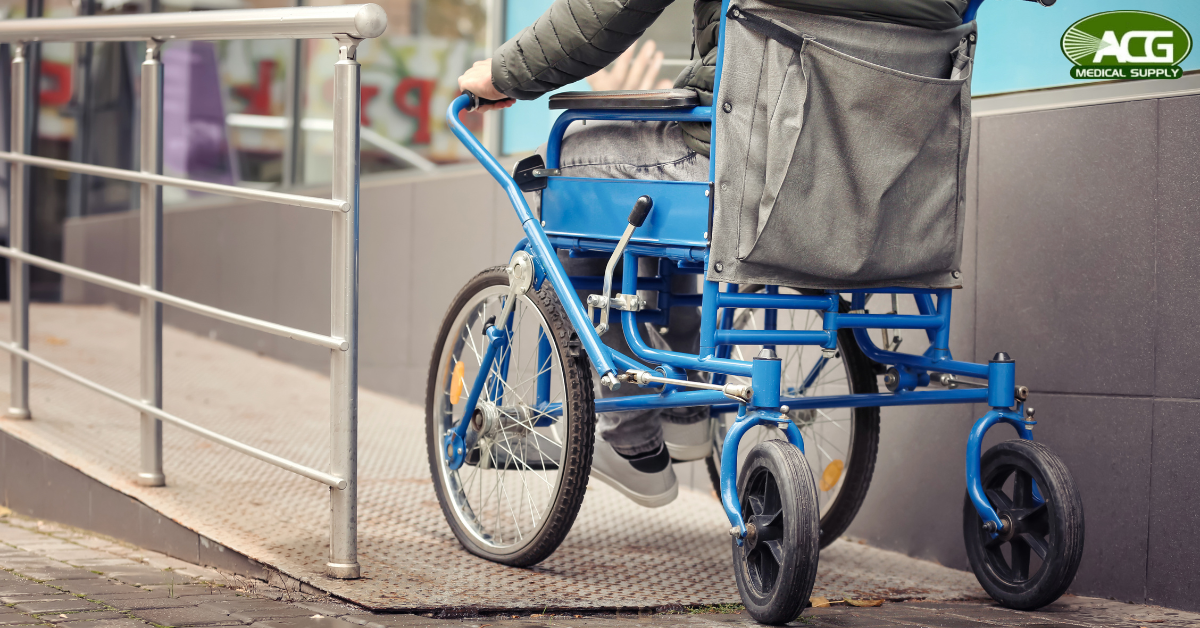
One of the most meaningful, as well as overlooked, benefits of installing even a basic wheelchair ramp in your home is the increased self-assurance it brings.

When you have a mobility ramp installed, you (or your family member with mobility problems) can head right out the door without getting stuck at the threshold and head into the backyard, all without needing any help from another person. And honestly, that kind of autonomy is completely priceless.

At ACG Medical Supply, we’ve seen firsthand how installing even a single ramp can change a person’s entire outlook. It’s not just hardware, it’s hope and empowerment and dignity all wrapped in a sturdy mobility ramp.

3. Safer Movement for Everyone (Not Just for Wheelchair Users)

Let’s help you break a common myth here: mobility ramps are not just for wheelchair users. Honestly, anyone in the house can benefit from a stable, slip-resistant surface, especially when it’s rainy or icy outside. Think about it, if you have older parents, someone recovering from surgery, a pregnant partner, little kids running around… and a family dog, they all can move around more safely when there’s a ramp in place.

Key safety benefits:

  • Reduced risk of falls
  • A mobility ramp provides a stable and even surface for movement
  • Ideal for both temporary and permanent needs

If you’re someone who values security at home (and who doesn’t?), a Mobility Scooter Ramp might be the solution you didn’t know you needed all along.

4. Makes Transport In and Out of Vehicles Easier

Getting a wheelchair or scooter into a car is not exactly a graceful moment. You’re lifting, twisting, possibly sweating, and doing your best not to dent the bumper (or throw out your back while lifting the wheelchair). 

With Power Scooter Lifts and Vehicle Mobility Lifts, you don’t have to wear yourself out anymore. You just pull up to the car, push a couple of buttons, and let the lift do the heavy stuff. Seriously, it takes a load off—literally.

With the help of mobility lifts, getting a wheelchair into the car isn’t this big, exhausting task anymore. It’s faster, way less stressful, and honestly, your back will thank you. Once you’ve done it this way, going back to lifting by hand just won’t make sense.

5. They’re Safer Than Carrying Someone

This one might sound obvious, but it’s worth saying.

Trying to carry someone upstairs or over thresholds is risky for both of you. It’s how back injuries happen. It’s how major accidents happen. A ramp provides a safe and sturdy solution for everyone involved.

Especially for caregivers, having a proper ramp removes the pressure of physically lifting or straining. And if you’re thinking long-term (perhaps looking into Mobility Scooter and Wheelchair Ramps), know that you’re not just adding safety to your home, you are adding ease to someone’s daily life.

Conclusion

Honestly, home should be the one place where you don’t have to think twice about moving around and getting from one place to another. If a mobility ramp can help make life a little easier or take some stress off your shoulders, it makes complete sense. 

It’s not necessarily a big thing, but it feels big when it gives a person back their independence. That kind of change is completely worth it.

FAQs

Q1: Can I set up a mobility ramp all by myself?
Small mobility ramps are easy to install, but with larger ones, you may need professional help.

Q2: Are ramps only for wheelchairs?
Not at all. They’re great for walkers, strollers, or anyone needing steady access.

Q3: What’s the difference between home and car ramps?
Home ramps help with steps and thresholds. Car ramps assist with loading into vehicles.

Q4: Do I really need a lift if I have a ramp?
Not always. But Power Wheelchair Lifts or Power Scooter Lifts can make transport easier.

Q5: Where should I buy a ramp?
You’ll find safe and trusted options at ACG Medical Supply.

Manual Wheelchairs

Manual Wheelchairs: An Affordable Way to Keep Moving

Having limited mobility does not change who we are, but it definitely changes the way we move through the day. For people with limited mobility, getting from one place to another in their home, stepping out for a regular cup of coffee, or attending a family function isn’t just routine; it’s a really big challenge. And yet in those quiet battles, Manual Wheelchairs emerge as incredibly useful tools.

If you are recovering from any kind of surgery or you have an elderly person at home who has limited mobility, a Manual Wheelchair becomes more than just a piece of equipment (for you or for them). It’s your key to freedom, freedom to move around, to be part of the little moments that matter, and to go through each and every day with confidence as well as ease.

So, let’s take a look at how a manual wheelchair can make life a whole lot easier for you or someone you love.

Why Manual Wheelchairs Still Make So Much Sense

With everything these days running on batteries or screens, you might wonder: Why should you even bother with a manual wheelchair?

Because simplicity still works. No wires, no waiting for a charge, and no system error messages blinking at you at 2 a.m.

Manual Wheelchairs allow you to just move. No noise. No fuss. And more importantly, they respond to you. Do you want to turn, slow down, pick up speed, or stop? You’re in charge. You can self-propel or have someone assist you, but the rhythm of your day stays in your hands.

They’re ideal for:

  • People dealing with short or long-term mobility issues
  • Caregivers who want something easy to manage
  • Folks who like being in control, without all the tech fuss
  • Anyone who doesn’t want to wait on their wheels to “boot up”

So yes, in a world chasing the next upgrade, Manual Wheelchairs remind us that some things don’t need reinventing. They just need to be right.

Lightweight, Yet Life-lifting: The Convenience of Travel-friendly Options

Have you EVER tried lifting a traditional wheelchair into a car trunk? If yes, then you definitely know it’s not an easy task. You end up sweaty and frustrated. 

This is why Lightweight Manual Wheelchairs are such a gift. They’re designed to make your life (and your caregiver’s) a lot easier. Most of the manual wheelchairs fold up in seconds, and they are light enough to carry without turning the whole thing into a workout.

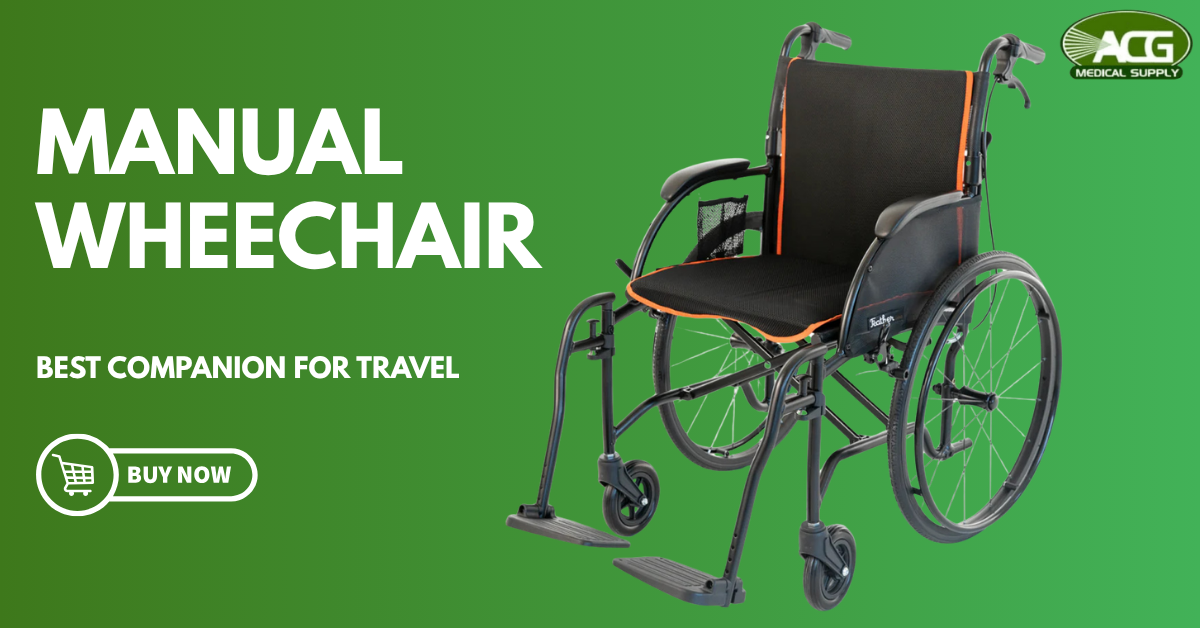
For example, the Featherweight Foldable Lightweight Wheelchair is a lifesaver. It’s so compact you could actually mistake it for a folded stroller. But when you open it up, it’s sturdy, comfortable, and surprisingly sleek. 

Here are a few more benefits of Lightweight Wheelchairs:

  • Easier on joints and hands
  • Less bulk, making them just right for small living spaces
  • Makes travel (even flying) really easy and stress-free
  • You don’t feel like you’re hauling furniture around

And despite being light, these wheelchairs are not flimsy. They are built to hold up.

Going Places? These Wheelchairs Are Up for It

You were not made to stay still and in one place. And neither should your chair. Below are two solid options that make it easy to get out and about:

1. The Journey Air Elite Manual Wheelchair

This one is sleek and lightweight (it only weighs 26lbs.) and strong. Think of it as the Tesla of Power Wheelchairs—quiet, clean, and intuitive. The Journey Air Elite Wheelchair folds in mere seconds and feels weightless when you are lifting it to put inside the car or storage. It’s perfect for short trips, visits to doctors, or long-awaited vacations.

2. The Featherweight Foldable Lightweight Wheelchair

It does what the name promises—and then some. It’s ideal for those who value both form as well as function. When folded, it barely takes up space, and when opened, it feels like freedom.

When you add some wheelchair accessories, like a soft back cushion, a side pouch for your essentials, or a clip-on tray for your tea or book, your wheelchair starts to feel less like a piece of equipment and more comfortable and familiar and just right for everyday life.

Why ACG Medical Supply Is Worth Bookmarking

With a whole lot of wheelchair vendors available, why should you choose ACG Medical Supply? The answer is really simple: we care about quality, affordability, and we make sure you get exactly what you need. Our range of manual wheelchairs includes the trusted Featherweight Foldable Lightweight Wheelchair as well as the Journey Air Elite Manual Wheelchair. We also offer important wheelchair accessories as well. At ACG Medical Supply, we believe everyone deserves access to mobility solutions that fit their needs.

Conclusion

A manual wheelchair may seem like a simple tool, but for people with mobility issues, it means so much more. It represents the freedom to get out of the house, meet up with a friend for coffee, or just enjoy a walk around the block without relying on someone else every time.

And with support from places like ACG Medical Supply, finding the right manual wheelchair doesn’t have to be hard. 

FAQs

Q1: Are Manual Wheelchairs difficult to use alone?

Not at all. A lot of manual wheelchairs are built so you can move yourself around with ease. And if that’s not an option for you, there are several models that make it easy for a family member or caregiver to help out.

Q2: What’s the benefit of lightweight models?

Lightweight Manual Wheelchairs are easy to transport, fold, and store. 

Q3: Is the Journey Air Elite Wheelchair suitable for travel?

Yes, it’s built for it! The Journey Air Elite Wheelchair is compact, light, and easier to load in cars.

Q4: Are manual wheelchairs customizable?

Yes, manual wheelchairs are very customizable. You can add several accessories like coccyx cushions, cane holders, arm trays, and cup holders to the wheelchair.

Q5: How to take care of a manual wheelchair? Taking care of a manual wheelchair is actually really simple. All you have to do is keep the wheels of the chair clean, check the tires for punctures or other issues as often as possible, and oil the moving parts if they get stuck or stiff.

Bed and Body Wedges

7 Ways Bed and Body Wedges Boost Comfort and Circulation

If you’ve ever struggled to find that “just right” position in bed, you’re not alone. A sore back, swollen legs, or even just trouble breathing at night can turn rest into a real struggle and that affects more than just your sleep. But what if a simple support pillow could change all that? Say hello to bed and body wedges, your new best friend for better sleep and better health.

At ACG Medical Supply, people just like you are finding real relief with these helpful cushions. So, let’s take a look at how these wedges work their magic and why so many people are turning to them for everyday relief.

1. Elevates for Better Blood Flow

Ever had that pins-and-needles feeling after sitting too long? That’s poor circulation kicking in. Using a leg elevation wedge for swelling relief helps reduce fluid build-up in your lower limbs, when your legs are gently raised above heart level, gravity steps in to help your veins move blood back up.

This is especially helpful for people with varicose veins, post-surgery patients, pregnant women, and anyone who spends long hours on their feet.

By simply propping up your legs with a wedge, you’re giving your circulation a much-needed boost and making life a little more comfortable.

2. Supports a Restful Night’s Sleep

We all crave that deep, uninterrupted sleep, the kind that leaves you feeling refreshed. But snoring, acid reflux, and sinus congestion often get in the way. A comfortable wedge pillow for breathing keeps your upper body elevated, making it easier for air to flow in and out.

It’s like giving your lungs extra room to breathe. And that makes a world of difference for anyone dealing with sleep apnea, post-nasal drip, GERD, or allergies.

You can rest easy, knowing you’ve got the support you need—literally.

3. Eases Pressure on Joints and Muscles

Lying flat on your back can put pressure on your lower spine, hips, and knees and cause discomfort. That’s where a memory foam body positioner wedge really comes in handy. It gently conforms to your body shape, supporting the natural curves of your spine and reducing the tension on joints.

You can place it under your knees, back, or sides, and it will help distribute weight evenly and take the strain off areas that often ache.

4. Ideal for Post-Surgery Recovery

If you are recovering from surgery or an injury, then a wedge pillow can be your best friend. It helps keep your body in the right position (whether it’s your legs, back, or upper body) so you can heal faster without fidgeting all night.

A multi‑purpose medical wedge cushion is designed for this very reason. Doctors often recommend them after hip or knee surgeries, C-sections, back operations, and cosmetic procedures.

These multi-purpose wedges are simple, non-invasive, and offer steady support that helps you rest and recover without discomfort.

5. Improves Breathing and Reduces Congestion

Breathing should be easy, right? But if you’re dealing with asthma, colds, or even just seasonal allergies, lying flat can make things worse.

An elevating pillow for the head and upper body helps you find some relief and improves breathing. It tilts your torso slightly, keeping nasal passages clearer and lungs more open. 

With the help of these wedges you’ll be able to breathe easier and sleep better, with no extra medication or gadgets required.

6. Encourages Healthy Posture

Think of your spine like a Jenga tower, it only works when everything’s stacked just right. Slouching or lying awkwardly can mess with your alignment, leading to stiffness and fatigue.

With bed and body wedges, you can train your body to sit, lie, and rest in healthier positions. The right wedge helps you stay upright and aligned, whether you’re reading, watching TV, or working from bed. 

Small change. Big difference.

7. A Versatile Tool for the Whole Family

What’s better than a one-trick pony? A wedge pillow that works for everyone! These handy cushions aren’t just for seniors or people recovering from surgery. Kids with colds, moms-to-be, tired dads, and even your snoring partner can all find a little relief.

A medical bed wedge for circulation is one of those things you’ll wonder how you lived without. And with options like memory foam, breathable covers, and compact sizes, you can even travel with them.

Conclusion

Sometimes, small changes bring big comfort. Bed and body wedges offer simple, effective support for better sleep, circulation, and pressure relief. With trusted options from ACG Medical Supply, finding your perfect fit has never been easier.

FAQs

Q1: Can bed wedges help with snoring?
Yes! A wedge that raises your upper body can reduce snoring by improving airflow and keeping airways open.

Q2: Are these wedges suitable for pregnancy?
Absolutely. Wedges can support the belly, back, or legs, making sleep more comfortable during pregnancy.

Q3: Can kids use wedge pillows too?
Yes! Wedges can help kids sleep better when they’re congested or need a little extra lift—just pick the right size.

Q4: How do I clean my wedge pillow?
Most come with a removable, washable cover. Check product details for specific care instructions.

Q5: How long will the wedge pillow last?
With proper care, high-quality foam wedges can last for several years without losing shape.

Search Articles

Medical Tips in Your Inbox

Get expert recovery advice, equipment guides, and caregiver tips — delivered weekly. No spam, unsubscribe anytime.

Need equipment today?

Same-day or next-day delivery in the DFW area. Call us now for immediate assistance.