
Blog
Bathrooms fool us. Everything looks clean and harmless until the floor gets wet, and suddenly it’s a mini obstacle course. For someone with shaky balance or tired legs, that “quick shower” becomes something they have to mentally brace for. Most families don’t notice the danger until there’s that one scary slip.
Bath chairs cut through all that. They are nothing fancy just a solid place to sit so the person isn’t grabbing the wall or hoping their feet don’t slide. The stress drops instantly.
Bath chairs, sometimes called medical bath chairs, safety bath stools, or adjustable bath chairs, are widely used in homes, hospitals, and rehabilitation centres. ACG Medical offers several versions, from lightweight bath chairs to non-slip bath chairs designed for daily use. But let’s look beyond the obvious. It’s not just about “sitting while bathing.” It’s about making the whole experience less stressful and much safer.
Why Bathroom Slips Happen So Easily
Bathroom accidents don’t usually come out of nowhere. There are a few repeat offenders:
- Wet floors
- Soap residue
- Limited balance
- Difficulty bending or standing for long periods
- Tight shower spaces with nothing to hold onto
When you put all of this together, the chance of slipping goes up—fast. And for seniors, falls don’t just leave bruises. They can lead to long recovery periods or a sudden loss of confidence. That’s why elderly bath chairs are becoming common household safety tools.
How Bath Chairs Reduce Slips and Falls
1. They Provide a Stable Surface to Sit On
Standing in a shower is fine when you’re young and steady. But add fatigue, joint pain, or age, and suddenly you’re gripping walls to stay upright. A bath chair removes that struggle.
Instead of balancing on wet tiles, you sit. Your legs aren’t fighting to keep you vertical. It’s that simple. People mention it all the time—showering actually feels relaxing again instead of like a race against tired muscles.
2. Non-Slip Features Make a Big Difference
A bath chair is only safe if it doesn’t slide around itself.
Good ones have rubber feet that grip the tub, textured seats so you don’t slip off, and a wide frame that won’t tip. These aren’t fancy—you won’t notice them until they’re missing and the chair’s moving beneath you.
That’s why non-slip bath chairs work. They’re built for wet environments, which is the whole point.
3. Adjustable Height Supports Safer Posture
If a chair is too low, users may struggle when getting up. If it’s too tall, they feel unstable. Adjustable bath chairs solve this by allowing height customisation so the user can sit and stand without twisting awkwardly.
4. They Reduce Fatigue During Bathing
People rarely think about bathing as “tiring,” but for seniors or patients, it can be. When someone’s legs get tired, balance drops quickly. Sitting takes the pressure off and helps the person finish bathing safely.
5. They Help People Stay Independent
This might sound emotional, but it’s true. A simple bath chair for home use often lets someone bathe without constant assistance. That sense of control reduces fear and helps them keep their daily routine intact. And honestly, independence is a huge part of safety.
6. Portable Options Fit Smaller Spaces
Small bathrooms don’t leave much room to work with, and big equipment just gets in the way. Portable and lightweight bath chairs solve that problem. You can pull them in when needed, move them aside when you’re done, and even take them along when travelling. They’re simple, flexible, and easy for families to share without rearranging the whole bathroom.
Types of Bath Chairs
Here’s a quick comparison of common options available through ACG Medical
| Type of Bath Chair | Best For | Key Features |
| Standard Bathroom Safety Chairs | Everyday use | Wide seat, sturdy frame, non-slip tips |
| Adjustable Bath Chairs | People with height or mobility variations | Custom height settings, stable base |
| Medical Bath Chairs / Medical Bath Seats | Seniors and patients recovering from injury | Backrest options, strong support, designed for long-term use |
| Safety Bath Stools | Small bathrooms or quick showers | Compact, easy to move, open design |
| Portable Bath Chairs | Travel or shared bathrooms | Lightweight, foldable, easy to store |
| Non-slip Bath Chairs | Users with balance issues | Textured seat, rubberized legs, high stability |
Choosing the right type really depends on the user’s mobility level, bathroom layout, and how frequently the chair will be used.
Tips for Choosing the Right Bath Chair
A few things to look out for (nothing complicated):
- A non-slip base is a must. If the feet slide even a little on tile, that’s a red flag.
- If more than one person will use it, go for adjustable height. Saves everyone a lot of bending and balancing.
- Check the weight capacity. People skip this step all the time, and it does matter.
- Lightweight bath chairs are great if you need to shift them around or store them between uses.
- For seniors, a backrest just makes everything easier. It gives a feeling of security that a plain stool can’t.
- And yes, measure the space. It’s not fun buying a new chair only to realise it bumps into the faucet or doesn’t sit flat.
None of this is fancy. But small details can be the difference between a chair that feels safe and one that makes someone anxious every time they step into the bathroom.
Conclusion
A bath chair may seem simple, but it cuts down a lot of the risk that comes with slippery bathrooms. Pair it with a few basic safety tweaks, and bathing becomes far less stressful for everyone involved.
FAQs
1. What makes bath chairs safer than regular stools?
Regular stools aren’t built for wet, slippery floors. Bathroom safety chairs have rubber feet, wider frames, and seats that don’t get slick when they’re wet.
2. Can I adjust the height of all bath chairs?
Not all, but many modern adjustable bath chairs allow height customisation. This helps the user sit and stand comfortably.
3. Are portable bath chairs strong enough?
Portable options may look light, but when purchased from reliable providers like ACG Medical, they’re built to support daily use and are tested for stability.
4. How do I clean a medical bath seat?
Most medical bath chairs are aluminum or plastic, so they don’t rust. A quick rinse, mild soap, and letting it air dry is usually all it needs.
5. What are the different types of bath chairs?
There are medical bath seats, safety bath stools, non-slip bath chairs, portable bath chairs, adjustable bath chairs, and even hybrid versions. Each works for a slightly different situation.
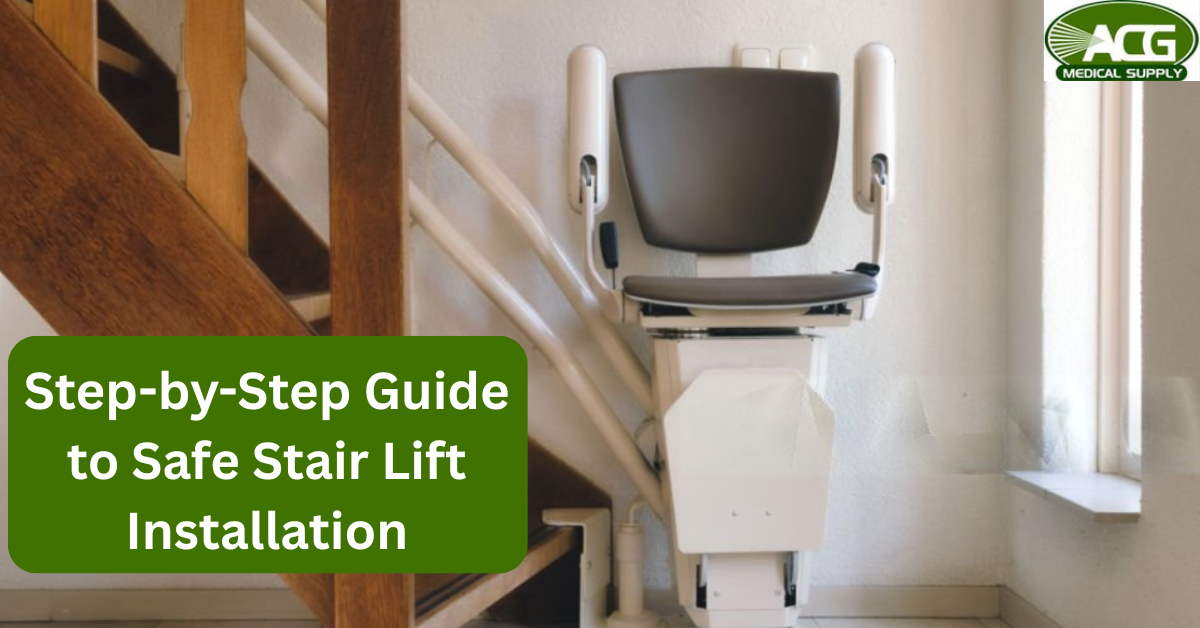
So, you’ve decided to get a stair lift – or you’re at least seriously thinking about it. Good call. But before installation day rolls around, you should be aware of what actually happens when the technicians show up.
Most people know stair lifts make life easier, but not many realise what goes into getting one set up safely and properly.
Don’t worry, it’s not as complicated as it sounds. Here’s a simple walk-through of what really happens during the stair lift installation process.
Step One: Pre-Installation Assessment
It all begins with a quick home check. A technician drops by to take a look at your staircase and see what they’re working with. They’ll measure the steps, check the angle, look for nearby power outlets, and decide whether a straight or curved stair lift fits best.
Straight ones are the easy kind – they use pre-made rails, so they’re quicker to set up and usually lighter on the wallet. Curved lifts take a bit more time since everything has to be custom-fitted to your staircase’s twists and turns.
Step Two: Discussing Budget and Options
This is the planning stage, where you go over details, pricing, and setup timelines. The stair lift installation cost usually includes more than you think – rail, seat, controls, wiring, and sometimes even future service visits.
A basic straight model, like the Harmar Pinnacle Stair Lifts, can often be installed in a few hours. A curved or heavy-duty version, as those ACG Medical offers, requires extra prep time and higher costs since they’re custom-built. Outdoor models are another category – they’re weatherproof, designed to handle sun, rain, and dust without wearing out quickly.
If your home already has nearby power outlets, great—it speeds things up. If not, your installer might coordinate with an electrician to make sure everything’s ready before the big day.
Step Three: Installation Day
When installation day arrives, expect a small crew. They’ll bring in tools, rail sections, and safety gear. You’ll want to clear the stairway area and any furniture nearby. Most installs, unless it’s a curved model, finish within the same day.
The process usually goes something like this:
- Rail and Mounting Setup – Technicians anchor the rail base along your steps or wall (depending on design).
- Chair Assembly and Wiring – The lift chair, motor, and electronics come next, ensuring smooth travel along the rail.
- Testing the Ride – Once power is connected, the lift goes through several full rides for calibration.
- Safety and User Training – You’ll get a short walkthrough on controls, folding the seat and footrest, and what to do if it stops midway.
Step Four: Safety Checks (The Stuff You Shouldn’t Skip)
Before the installer packs up, they’ll run through a few important checks to make sure everything’s solid and safe to use. Stair lift safety checks protect you long after the installation is done.
Here’s what technicians typically verify before sign-off:
- Rail Stability: The rail should feel firm and stay put when you’re on it—no shifting or odd squeaks.
- Battery Backup: They’ll make sure it can still go up and down once if the power ever cuts out.
- Seat Locks and Sensors: The seat should feel secure before it moves, so you get a steady, comfortable ride every time.
- Footrest Safety Edges: If anything blocks the path (like a pet or a dropped object), the lift should automatically stop.
- Emergency Stop Function: Every stair lift has one – make sure you know where it is and how to reset it.
Think of this as your “final inspection.” If something feels off or louder than normal, speak up before the crew leaves.
Post-Installation Maintenance
Nobody talks about maintenance until something breaks. But stair lift safety checks are important and should be done year-round. Weekly? Just wipe down the seat and rails. Nothing complicated. But annually (or closer if you use it a lot), a professional needs to check the brakes, inspect electrical connections, lubricate moving parts, and verify that bolts haven’t loosened.
Ignoring this? Motors wear out faster. Brakes degrade. Battery backup fails when you need it most. It’s not dramatic stuff, but it’s real.
How Installation Timelines Usually Compare
| Stair Lift Type | Typical Installation Time | Cost Range (approx.) | Notes |
| Straight Stair Lift | 2–3 hours | Lower cost | Pre-fabricated rail |
| Curved Stair Lift | 3–4 weeks (custom rail) | Higher cost | Custom design |
| Heavy Duty Stair Lift | 3–5 hours | Mid to high range | For higher weight capacities |
| Outdoor Stair Lift | 3–6 hours | Variable | Weatherproof components |
Conclusion
Installing a stair lift isn’t rocket science, but it deserves respect. Get a professional assessment. Understand what you’re choosing – straight or curved, regular or heavy-duty, indoor or outdoor stair lifts. Understand the cost upfront.
And then once it’s in? Maintain it. Seriously.
Suppliers like ACG Medical handle this stuff day in, day out. They know what works. If you’re ready to get this sorted, reach out to them. Get an evaluation. See what a Harmar Pinnacle Stair Lift or a different model looks like in your specific staircase.
Independence shouldn’t feel complicated. With the right stair lift and solid installation, it isn’t.
Frequently Asked Questions
Straight lifts are often done in a few hours. Curved ones? A couple of days is normal.
Yes. Made for rain, sun, and snow with materials that won’t quit.
Nope. Professionals ensure it’s safe, secure, and runs right.
Clean regularly, charge batteries weekly, and get pro checkups every 6-12 months.
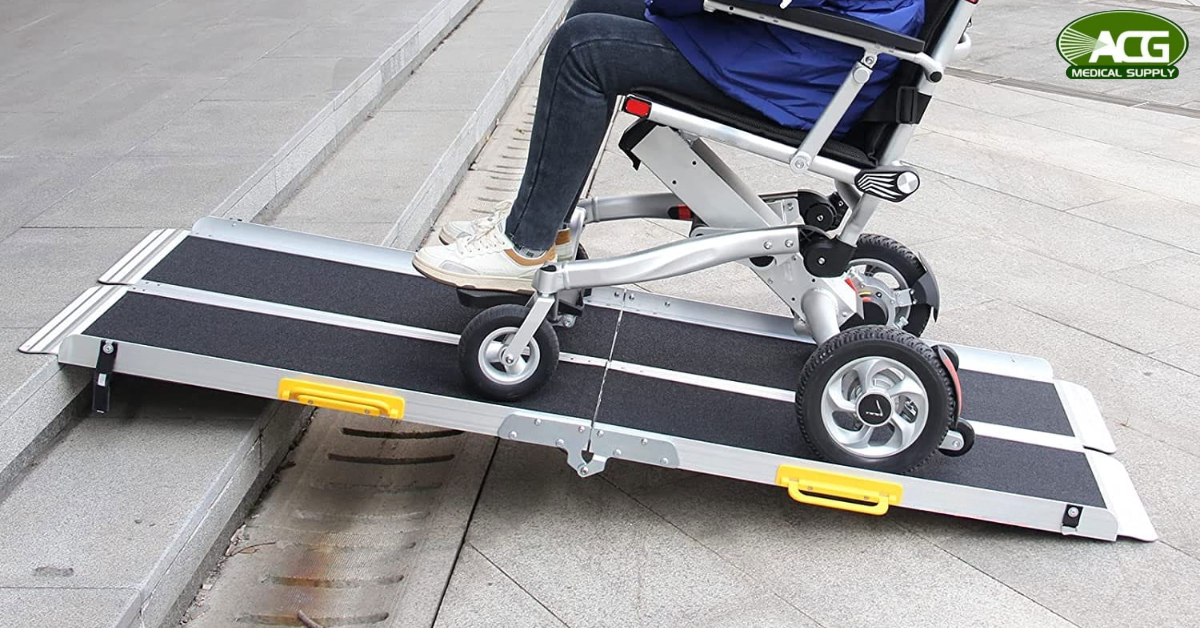
Most people don’t wake up excited about buying a ramp. Usually it goes like this: you’ve got a step or threshold that’s become a problem, you search online, and boom — 47 different ramp options with specifications that might as well be written in another language. Let’s fix that. Here’s what you actually need to know about choosing a mobility scooter or wheelchair ramp.
Start Simple: How to measure rise for a ramp?
Here’s where everyone starts. You need to know the “rise” — that’s just the vertical height from ground to wherever you’re going. A doorway, a porch, the back of your van. Grab a tape measure and measure straight up. That’s it.
Write that number down. Inches. Let’s say… 18 inches. That one little number? Yeah, it basically decides everything else. Doesn’t sound exciting, we know. But honestly, we just can’t skip it; it’s the most important part.
The 1:12 rule (And why it matters)
So once you’ve got your rise, there’s this rule that’s very popular and everyone keeps mentioning: the 1:12 rule. Basically, for every inch of height, you need a foot of ramp. So 18 inches up? That’s an 18-foot ramp. And it meets the ADA ramp slope requirements.
The ADA came up with this standard for a reason. That gentle slope means you’re not fighting gravity the whole way up. It means you can control your speed on the way down. If you’ve ever pushed a wheelchair up something too steep, you get why this matters.
Now, some people say “but I don’t have 18 feet of space.” Totally fair. If you’ve got a power scooter, you might be able to go a bit steeper. Like 1:10, 1:8 maybe. Shorter ramp, less space used. But then you’re trading off a little safety and control. It’s a balance.
Width: It’s Not Just a Number
The law says 36 inches minimum. That’s the legal baseline. But here’s the thing — when you’re actually using the mobility ramp, you want more breathing room than the bare minimum. A power wheelchair? A scooter with attachments? Aim for 42 to 48 inches if you can swing it.
Why? Because you need room to move safely. If you drift to one side, you need space to adjust. If you turn too quickly, extra width keeps you from feeling cramped. Those extra inches can make the ramp feel a lot safer.
Oh, and don’t forget about what happens at the top and bottom. You need flat landing space on both ends. That’s where you pause, turn, figure out your next move. It sounds obvious, but a lot of people forget this part.
Pick Your Ramp Type
Not all ramps are the same.
Threshold ramps are small. We’re talking 1-2 inches usually, for doorways and sliding glass doors. Rubber or aluminum, lightweight, affordable. If you just need to get over a door lip, grab one of these.
Portable ramps fold up. Seriously useful if you travel or visit places. Not a permanent solution, but they work when you need flexibility.
Modular ramps are a full commitment. Interlocking pieces that snap together. ACG Medical Supply sells these, and they’re solid. You can configure them for corners, different heights, whatever your space throws at you. They look professional. They last.
Materials: What Works and What Doesn’t
This part’s pretty practical. Different materials behave differently, especially outdoors.
| Material | Pros | Cons | Best For |
| Aluminum | Lightweight, rustproof, durable | Can get slippery without texture, pricier upfront | Outdoor use, modular systems, portable ramps |
| Steel | Incredibly strong | Heavy, rusts without coating | Commercial or high-traffic permanent installs |
| Wood | Looks natural, can be custom-built | Needs sealing every year, can warp or splinter | Custom residential ramps where appearance matters |
| Rubber | Quiet, grippy, absorbs shock | Heavy for its size | Threshold Ramps, indoor transitions |
Making It Work in Real Life
Okay, real scenario. You measure your porch and it’s 24 inches high. The 1:12 formula says you need 24 feet of ramp. Problem is, you don’t have 24 feet of space. Now what?
Option one: Use a steeper slope if the user has a power scooter. A 1:8 slope cuts that down to 16 feet. Still long, but manageable.
Option two: go modular with a turn. Instead of one straight shot, ACG Medical Supply and similar providers can design an L-shaped ramp with a landing in the middle. It takes up less linear space and still meets safety standards.
Or maybe you’re just trying to handle a threshold. In that case, forget the math — grab a 2-inch rubber wedge ramp and call it done. It’s not always complicated.
The key is matching what size ramp for a wheelchair or scooter to the actual user and space. Cookie-cutter advice doesn’t always work.
It Doesn’t Have to Look Bad
Look, there’s a reason people avoid accessibility equipment sometimes. A lot of it looks like it came straight out of a hospital supply catalog from decades ago. That generic institutional vibe nobody asked for.
But that’s changing. Modern aluminum ramps? Clean lines. Look intentional. They blend into a home instead of sticking out. When something looks like it belongs, people feel different about using it. It stops being “the accessibility thing” and becomes just part of your space.
ACG Medical Supply gets this now. Our products meet every technical requirement but don’t scream “medical.”
Conclusion
Get your rise measurement right. Calculate your slope. Pick materials that work where you live. That’s really it. Everything else is just details.
A good ramp means you’re not thinking about logistics when you want to leave your house. You’re just going. That’s the whole point.
FAQs
1. How do I actually measure rise for a ramp?
Measure from ground level straight up to the top of the step or landing. Use inches. That number is your rise.
2. What’s the length I need for a 12-inch rise?
Using 1:12 standard, you’re looking at 12 feet. For a powered scooter at 1:8, you’d get by with 8 feet.
3. Can a ramp elevate home design?
Absolutely. Minimalist aluminum and modular ramps can complement any modern aesthetic.
4. Why does slope matter so much?
Because gravity never negotiates. ADA’s ramp slope requirements keep it in check.
5. Is it possible to use Threshold Ramps indoors?
Yes — they’re perfect for subtle transitions in doorways or uneven flooring.

Half of all cane users are doing it wrong. They’re hunched over, shoulders elevated, or leaning awkwardly—turning what should be a stability tool into a source of chronic pain. The culprit? A cane that’s two inches too long or three inches too short. When it comes to choosing a walking cane, most people eyeball it, they grab something that looks reasonable, and wonder why their neck hurts after a week.
The problem isn’t that sizing information doesn’t exist—it’s that the stakes are rarely explained. A cane that’s off by just a little can throw your posture out of whack, strain your shoulders and spine, and ironically make slipping or falling more likely. Understanding why the right measurements are so important turns picking a cane from a shot in the dark into an intentional decision.
The Physics of Support Most People Ignore
When someone places weight on a cane, load transfers through the arm, into the shaft, and finally to the ground. This redistribution matters enormously.
Too long? Your shoulder hikes up without you even noticing. That awkward angle means you can’t transfer weight properly, so your neck and upper back start to ache. The cane ends up pointing out instead of straight down, making you feel wobbly instead of supported.
Too short’s just as bad. Now you’re hunched forward, jamming extra pressure into your lower back, knee, and hip—especially on the side that’s already weak. Your elbow locks straight. Every step feels stiff, jarring, like you’re walking on a peg leg. What should help your stride actually messes it up.
A good cane? Feels like your arm just got longer. Natural. Easy. That’s what we’re after.
The Wrist Crease Method Nobody Uses Correctly
Here’s where most walking cane sizing guides stop short: they mention the wrist crease method but never explain why self-measurement fails. When someone tries to measure themselves, they twist the torso, shift weight, and elevate the shoulder—destroying posture in the process. The measurement ends up two inches off, and six months later, you’re in physical therapy for “unexplained” shoulder pain.
Here’s how to actually do it:
- Throw on your regular walking shoes (heels throw everything off, so no slippers or bare feet)
- Stand naturally, arms hanging loose, slight bend in the elbow—like you’re waiting for the bus
- Have someone else measure from the floor to that wrist crease where your hand meets your forearm
- Got 33.2 inches? Round up to 33.5
That half-inch matters more than you’d think for getting a proper walking cane fit for comfort and balance.
But what if no one’s around? No worries! You can use the height-division method. Just take your height in inches, divide it by two, and then add half an inch. So, if you’re 5’8″ (68 inches), you’d need a cane that’s about 34.5 inches. It’s pretty close, but not always perfect, especially if you have shorter arms or posture issues.
Adjustable vs Fixed Walking Cane: Which One’s Right?
Adjustable aluminum canes are forgiving. Made a measurement mistake? Just twist the collar, tweak the height, you’re good. This one is actually really perfect when you’re still figuring things out or recovering from surgery or injury.
Wooden canes look great—classic, solid, stylish. But once you cut them, they’re done. No going back. Measure twice (actually, have someone else measure twice).
Carbon fiber? Lightweight, often adjustable, feels premium. Nice middle ground.
Quad Canes (sometimes called Quad Walking Canes) have four legs on the base instead of one. Way more stable. Heavier, sure, and a bit clunky on stairs, but if balance is shaky? Total game-changer. Most come adjustable, which is clutch for post-surgery when things keep changing.
ACG Medical Supply offers a wide range of walking canes in various materials to ensure you find the perfect fit for your needs.
The Rubber Tip Test Almost Everyone Skips
Before purchasing, flip the cane upside down and shake it. If the rubber tip falls off, put it back on the shelf. That tip creates friction and prevents slipping—it’s the only component touching the ground. A loose, low-quality tip transforms a $60 cane into a liability. Replacement tips cost three dollars and should be checked monthly for wear.
Walking Cane Height Chart
| Cane Height | What You’ll Notice | Why It’s a Problem | What to Do |
| Too Short | You’re stooping, leaning forward | Back/knee pain, wobbly steps | Go a size longer |
| Too Tall | Shoulder hikes up, arm feels awkward | Neck/shoulder tension | Try a shorter cane |
| Just Right | Elbow bent 15–20°, arm relaxed | Smooth, stable walk | You nailed it—stick with it |
Conclusion
Ignore the static about “universal” sizes or perfect charts. Your comfort and stability beat rules and formulas every time. Measure well, test how you walk, tweak if something feels off, and swap out tired parts. A cane should help you move better, not create new aches to solve.
FAQs
Q: What if my cane feels off even when I measured carefully?
A: Take a short walk. If you’re scrunching any body part, recheck the measurement or try a handle with a different angle—your body’s feedback is your best guide.
Q: Are those four-legged (quad) canes really tougher to use?
A: They’re heavier and sometimes clunky on stairs, but they’re a lifesaver for balance issues. Lots of folks alternate between standard and quad canes depending on what they’re doing that day.
Q: How do I know if my cane’s too long in real life?
A: If your shoulder hikes up every time you lean on it, or your elbow’s locked straight, it’s too tall.
Q: Do adjustable canes get loose over time?
A: Some do. Check the locking mechanism regularly. If it wobbles, tighten it up.
Q: Can I switch out the tip or grip?
A: Absolutely. Just make sure the replacement tip or grip doesn’t raise the height. Comfort and safety come first.
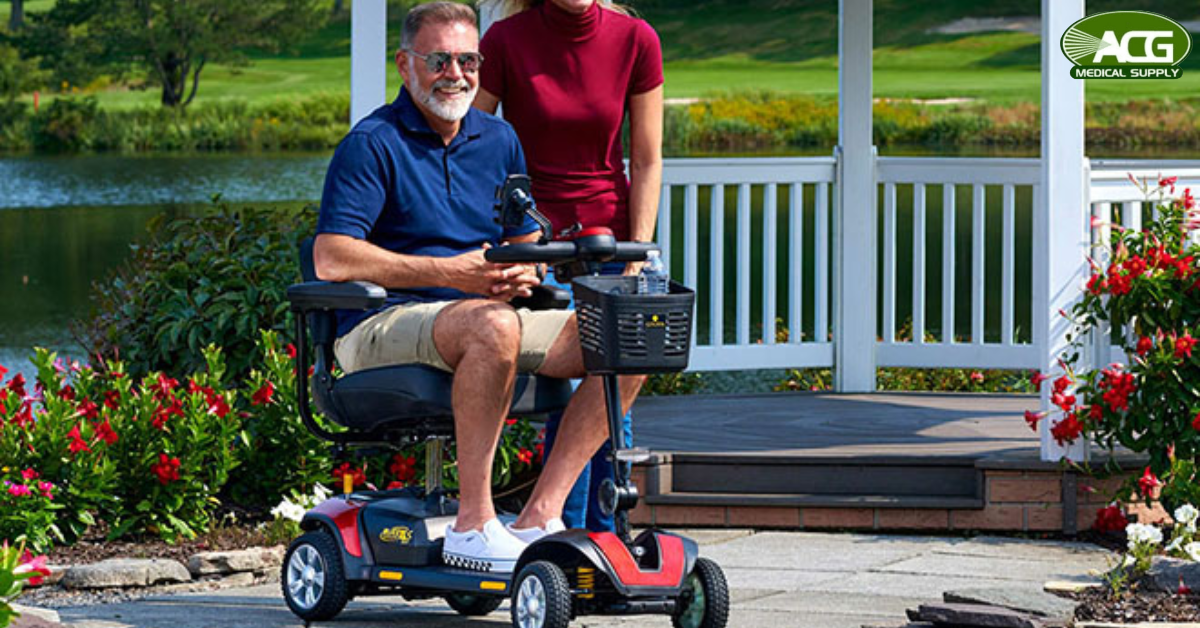
The world shouldn’t shrink for someone just because walking is tough for them. Everyone deserves to move around on their own terms, and mobility scooters help with that. At ACG Medical Supply, we’re dedicated to providing real solutions, not just selling products. This guide cuts straight to the information you need, breaking down what actually matters when shopping for a scooter—no fluff, just facts—so you can find the perfect match and reclaim your independence.
Size
Here’s where most folks mess up. They assume bigger equals better, or that a compact model will magically fit anywhere. Neither’s quite right.
The Compact Travel Models
These are the lightweight ones that break apart into a few pieces. They’re designed to fit in your car trunk or come with you on the bus. If your days involve short trips to the grocery store, a doctor’s appointment, maybe wandering around the mall, these will work perfectly. They’re also great for people who don’t have much storage space at home.
But here’s the catch: Travel mobility scooters sure offer portability, but opting for portability often means sacrificing power and range. These scooters are meant to cover short ranges.
Mid-sized Options
This is where things get interesting. Mid-sized scooters offer more cushioning in the seat, batteries that last longer, and suspension that actually absorbs bumps. They’re heavier than travel models, sure, but they’re still quite manageable. Most people who use their scooters both inside as well as outside tend to choose the mid-sized power scooter for indoor and outdoor use. You get enough muscle for sidewalks and outdoor paths, but they’re not so bulky that you can’t navigate your kitchen or bedroom. Figuring out how to choose a mobility scooter often leads people right here.
The Heavy-duty Options
Now we’re talking about the big guns. These scooters are for those who need a higher weight capacity (500+ pounds) and want to cover long distances — think 20 to 30 miles on a single charge.
If you live somewhere with rough terrain, like cracked sidewalks or gravel paths, or you just want to spend an afternoon out without worrying about the battery, this might be your best bet. But they’re wide. Really wide. Small apartment with narrow hallways? This probably isn’t your match.
Style & Comfort Choices
Once the size is sorted, let’s talk about features and flair. You’re not just buying utility; you’re buying something you’ll be using daily. Brands like Pride Mobility electric scooters and Golden Technologies mobility scooters put serious thought into design, offering models that are both aesthetically pleasing and exceptionally comfortable.
Here’s where you get to personalize things:
Seating Comfort: Look closely at the seat. Some swivel, others recline. The padding and width should match your body perfectly—remember, you’ll be sitting here for extended periods.
The Little Details: Do you need simple, intuitive controls? How about a charging port for your phone? Don’t forget mobility scooter accessories! As these can make a world of difference to your day-to-day use.
Budget Reality
Here’s the thing about money and mobility scooters — you don’t need to empty your savings. There are plenty of affordable mobility scooters in the USA that work just fine without the premium price tag.
Here’s a break down:
| Category | Price Range | What You’re Getting |
| Travel/Compact | $800–$1,500 | Short trips, easy storage, lightweight |
| Mid-Range/Hybrid | $1,200–$2,500 | Daily use, indoor and outdoor capability |
| Heavy-Duty | $2,000–$4,000+ | Distance, durability, rough terrain |
Don’t buy features you won’t use. Mostly indoors? Skip the all-terrain models. But if getting outside equals independence, spending more now beats paying for repairs every three months.
ACG Medical Supply carries options across every budget… no pressure, just honest pricing.
Before You Buy — A Simple Checklist
Use this mobility scooter buying checklist to avoid headaches later:
- Measure your doors and typical routes (don’t guess)
- Know your weight plus what you typically carry
- Think about battery range, how far do you actually go?
- Consider transport needs (does it fold? Fit in your car?)
- Test the seat, comfort is more important than you think
- Check battery type (lithium-ion charges faster, lasts longer)
- Read the warranty fine print
- Ask about local service support
Test it if you can. Pictures lie. You won’t know if the seat’s comfortable or the controls are weird until you’ve actually driven it.
Conclusion
Nobody wakes up excited about buying medical equipment. But here’s what happens when you get the right mobility scooter: life opens back up a little. Maybe it’s finally getting to that bookstore across town. Or not having to skip family gatherings because the walking’s too much.
Picking the right Mobility scooter is just the first step; finding someone you can trust to buy it from is the second. To help you navigate the process, we’ve put together a checklist for finding reliable mobility scooter providers so you can shop with total peace of mind.
FAQs
Q1. Can you actually fly with one of these?
Yeah. The folding ones with lithium batteries that pop out? Those usually work.
Q2. What happens if I get caught in the rain?
Drizzle, you’re probably fine. But a real downpour? That’s pushing it. These things say “water-resistant” but that doesn’t mean waterproof.
Q3. Is it okay to just leave it on my porch?
Not really, no. Even with one of those heavy covers, moisture finds its way in. Cold nights, hot days…that stuff wears down the battery faster than you’d think. Garage is the best.
Q4. How much maintenance are we talking about here?
Get someone to look at it properly at least once a year.
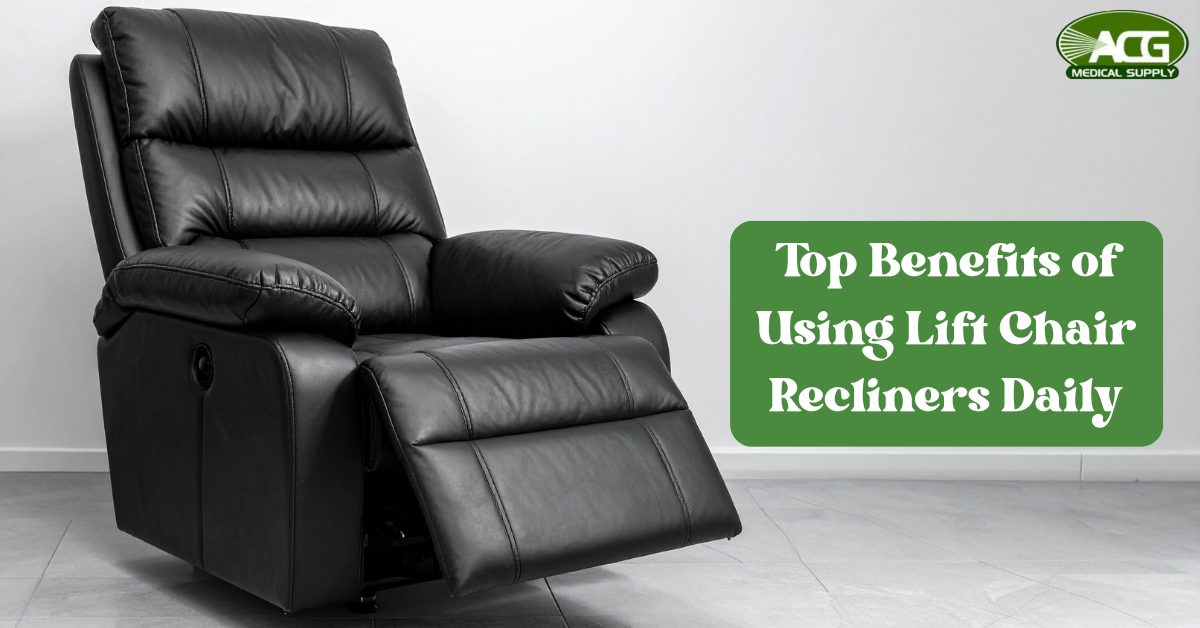
The thing about getting older, or even just getting banged up a bit, is how quickly the simple stuff starts feeling not so simple anymore. Standing up from the living room chair, for instance. It shouldn’t be a project. For the person looking at a menu at ACG Medical Supply, wondering if lift chair recliners are a lifeline or just another piece of furniture, there’s a real conversation to be had. This is about daily life, not just product specs.
When Standing Up Feels Like the Hardest Part of the Day
If you’ve ever seen someone wince as they push up from a chair (the careful grabbing of armrests, the slow unrolling of a stiff back), you know that “relaxing” isn’t always relaxing. Lift chairs don’t just change the view from the window; they change how a person starts in the morning.
That soft hum as the chair leans forward, helping someone stand without the usual groan or grunt, it’s a small but real revelation.
Some people think these chairs are just oversized recliners. They’re not. They’re safety nets for hips, shoulders, and knees. There are models like the Pride Mobility lift chairs or the Golden Technologies lift chairs that fit into the corner of an apartment or the center of a living room, and each one is designed to help with mobility. They’re made for people who want to be at home, without “needing help” becoming the daily theme song.
The Ripple Effect of a Power Recliner Chair
The obvious benefit? Not falling. But say that out loud, and it feels flat. The real change is what happens after, the ability to walk across the room, to answer the door, to fix a cup of coffee, without that edge of worry. Power recliner chairs restore these small freedoms, and over time, they add up. Family members also feel less anxious, knowing they don’t have to hover every time an elderly or injured person tries to stand on their own. Making this investment early is a proactive step toward safety, preventing the necessity of the purchase after a serious fall.
And comfort isn’t just plush seats. The LUMEX three-position recliner or the Raizer II by Liftup feature options like heat, massage, and zero-gravity tilt. These aren’t just extras, they’re daily relief for bodies that have forgotten what it feels like to take a day off from all the pain and discomfort. Elevating the legs isn’t a luxury when it helps walk to the mailbox without swelling. That’s the kind of detail that matters.
It’s easy to miss how much pain saps energy, or how much pride people have in doing things for themselves. A lift chair recliner doesn’t make someone young again, but it cuts out a lot of the hassle. You can plan lunch, not just “figure out how to stand up after lunch.”
Why Choose ACG Medical Supply
At ACG Medical Supply, the focus is on quality, variety, and customer support. Their collection of lift chair recliners ensures that every individual finds a chair that meets their unique requirements. From daily comfort to medical recovery, their range supports a wide spectrum of users.
Real-Life Benefits, At a Glance
Here’s a quick chart showing what these chairs can do—no fluff, just stuff that matters:
| Feature | What It Means |
| Lift Mechanism | Stand up without a struggle or worry |
| Recline Options | Watch TV, nap, or read, all with spine support |
| Heat & Massage | Soothing relief for stiff muscles and sore joints |
| Leg Elevation | Reduces swelling, helps with circulation |
| Battery Backup | Power goes out, but safety doesn’t |
| Compact Design | Fits in small spaces, even apartments |
Conclusion
There’s no magic here—just smart design and a little empathy. Lift chair recliners aren’t about surrendering independence; they’re about safeguarding it.
For anyone tired of trading comfort for safety, or dignity for help, these chairs make a case for a different kind of life at home. Not perfect, but definitely easier. And isn’t that what good tools do? They make the hard parts simpler, so you can focus on living, not just getting by.
FAQs
Who actually needs one of these?
If getting up from a chair is painful, scary, or just plain exhausting, it’s worth looking at. That goes for both older adults and anyone healing from surgery or dealing with chronic pain.
Will it look like a hospital chair?
No. Lift chairs come in styles that look at home in any living room—some even have cup holders and USB ports. Style matters, especially when you’re hosting family.
Are they complicated to use?
They’re designed for people who want simplicity. Most remotes have big, easy-to-press buttons. If you can work a TV remote, you’ve got this.
What’s the difference between two- and three-position chairs?
Two-position chairs are fine for sitting and relaxing. Three-position models, like the LUMEX three-position recliner, let you lie almost flat—better for napping or serious leg elevation.
Will insurance help pay for it?
Sometimes, yes. Some models qualify as medical equipment. It never hurts to ask the folks at ACG Medical Supply about coverage.
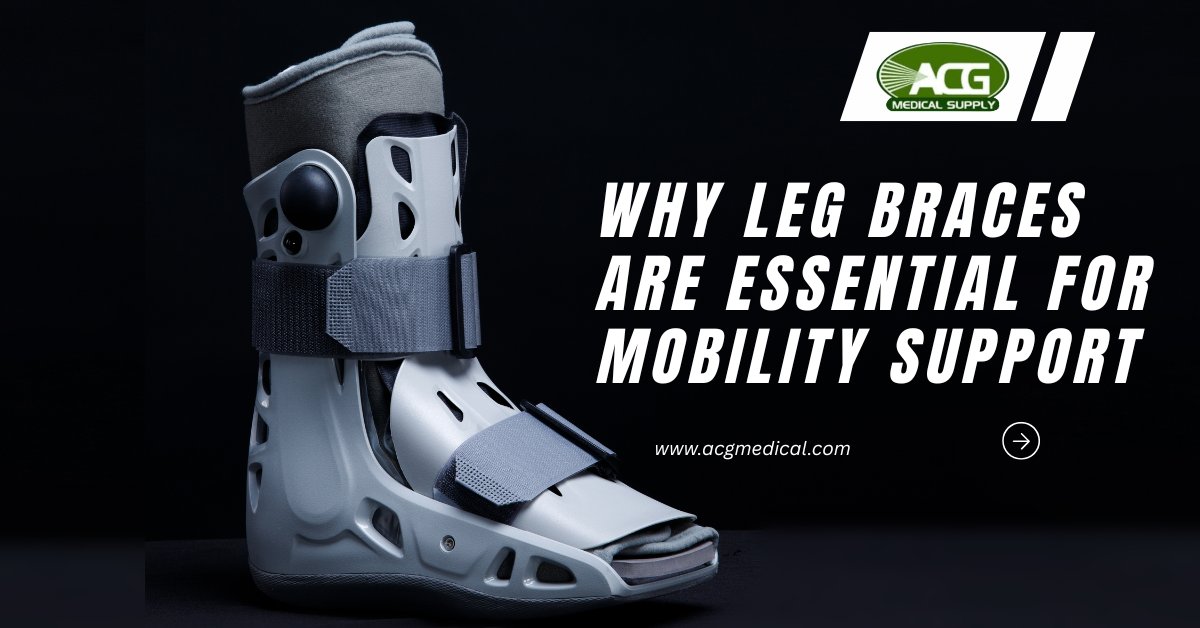
Mobility is one of those precious assets we barely acknowledge until it vanishes. Think about it: a quick, dumb twist playing pickup basketball, and all of a sudden you are miserably hobbling around, every move a painful negotiation with the floor. Worse still, maybe it’s the slow, sneaky progression of arthritis, making the simple act of climbing stairs feel like summiting a mountain every single morning. That is the moment when the concept of Leg Braces shifts entirely, they’re no longer abstract “medical gear,” they become this tangible promise, a tool that might just hand you a meaningful piece of your normal life back.
Now, let’s be totally clear: today’s Leg Braces are nothing like the rigid, clunky, terrible contraptions of the past. These new designs? They’re lighter, unbelievably smarter, and genuinely comfortable enough to wear all day long. They do way more than just immobilize you; these accessories are engineered to actively facilitate movement, dial back the nagging pain, and restore the critical ingredient: confidence. Millions rely on them daily, and their use case has expanded far beyond just injury recovery. This is about maintaining activity, preserving independence, and simply refusing to let some issue slow your stride down more than absolutely necessary.
The Purpose of Braces and Support
Orthopedic braces are there to give your joints and muscles a bit of backup. They come in all kinds of shapes and sizes, each made for a different reason or for a different body part, but the main idea is always the same… keep things stable, protect what needs it, and make movement a little easier.
Essentially, they do three main things really well:
- They keep the joint perfectly steady, preventing accidental movements that could re-injure the area.
- They redistribute weight and intense pressure away from sore or healing spots, minimizing pain.
- They give you back confidence, allowing you to move without the constant fear of instability.
This added stability and confidence? Honestly, it changes everything.
Here’s a quick rundown of the main types:
| Type of Brace | Primary Support Area | Key Benefit |
| Knee Braces | Knee joint | Stability and pain relief |
| Ankle Braces | Ankle | Prevents sprains, aids healing |
| Full-leg Braces | Entire leg | Comprehensive support post-injury |
| Walker Systems | Foot & ankle | Reduces weight-bearing stress |
How Leg Braces Improve Quality of Life
Using a leg brace isn’t just about recovery; it’s about regaining freedom. A well-fitted brace can:
- Reduce pain during movement
- Prevent injuries from getting worse
- Improve posture and alignment
- Help the body heal properly
- Boost confidence when walking or standing
For someone who enjoys staying active, extra leg support or braces ensure that recovery doesn’t mean giving up movement. For others managing chronic conditions, they provide long-term relief and reassurance.
What Makes a Great Leg Brace And Why Choose ACG Medical Supply
Finding a leg brace that actually works can be tricky—there are so many out there, and not all of them feel right. A good one supports you without getting in the way, feels comfortable even if you wear it all day, and just… makes moving around easier. Some are heavy-duty and sturdy, others are light and barely noticeable. The key is finding the one that actually fits you and your life.
Sounds confusing? Don’t worry, at ACG Medical Supply we offer a wide selection, clear guidance, and quality products. The team at ACG Medical Supply is dedicated to helping you find the right fit—literally. Sometimes, you’ll need a prescription from your doctor, especially for more specialized braces and support items; don’t worry, they make it easy to send that in if needed.
Conclusion
Mobility shouldn’t be limited by pain, injury, or recovery. With the right brace, people can continue living their lives with fewer restrictions. From knee braces to advanced walking aids like the Aircast XP Diabetic Walker System, modern designs are all about blending protection with comfort. And with trusted providers like ACG Medical Supply, users can feel confident knowing they’re choosing braces that truly support their lifestyle.
FAQ’s
Do I need a prescription for a brace?
Sometimes, yes. For basic stuff, you can usually order online. For medical-grade or advanced supports, a doctor’s note helps. ACG Medical Supply can guide you through this.
How do I know what size to get?
They have guides and customer service to help. It’s usually best to measure carefully—fit matters.
Are braces comfortable to wear every day?
Most modern ones are light and breathable, but it depends on the type. There’s a variety, so if one doesn’t feel right, there’s probably another option.
Can kids use these?
Absolutely. There are sizes and styles for all ages and needs.
How to clean a brace?
The easiest way to clean your brace is by hand, using mild soap and lukewarm water. Rinse it gently and don’t twist or wring it, so it stays in good shape.

Checking your blood pressure should be as simple as grabbing a coffee. And in 2025, it really is. Across the U.S., more places are offering free screenings, making it easier than ever to keep tabs on your health without spending a dime.
Regular monitoring is important not just for people with high blood pressure; everyone should know their numbers, because catching changes early is way better than dealing with a surprise down the road.
If you’ve ever searched for a free blood pressure check near me, then this guide is for you, as it lays out all your options and explains why checking in on your stats is one of the simplest, smartest things you can do for your health.
Why free blood pressure checks are a must-have
Blood pressure is the “silent indicator” of underlying heart problems. You don’t always feel when something’s off, but ignoring it can lead to long-term health issues. That’s why free checks can be such a helpful accessory in daily life. They give people quick access to data without having to book a doctor’s appointment or buy equipment upfront.
Free checks are about creating awareness, not just about saving money. By getting a reading at a local pharmacy or community event, you build a habit of monitoring your health.
Free checks like these are especially handy for people who don’t have regular insurance, who don’t want to bother their doctor with a simple measurement, or who just feel unsure about those grocery store machines (which, by the way, are fine, but a real person is always a plus).
ACG Medical Supply: More than just a store
Located in three bustling Texas cities—Rowlett, Plano, and Bedford—ACG Medical Supply is more than just a medical gear shop. Sure, we’ve got everything from mobility aids to diagnostic tools, but what really turns heads is our regular free blood pressure check events. You can stop by any of our three showrooms, and we offer complimentary blood pressure checks with our knowledgeable staff on hand to guide you through the process.
The best part is these aren’t just one-off events. ACG Medical Supply hosts these free checks every single month, so you can keep a routine eye on your heart health.
Other places to get free blood pressure checks
Okay, so maybe you’re not in Texas, or you’re just curious about other options. There are a few other solid picks for where to get blood pressure checked for free. Big chain pharmacies like CVS sometimes run ‘CVS free blood pressure screening’ events, especially for heart health awareness months. But these are often limited-time offers, not year-round services.
Local community health fairs, wellness events, and even clinics sometimes set up shop for free screenings, too, with nurses and volunteers ready to help. If you’re really curious about ‘free health screenings 2025 USA,’ a quick online search with your city and ‘free blood pressure check’ will usually get you the information on the latest events in and around your city.
The essential home tool: Invest in your own monitor
Here’s a thought. Why not check your blood pressure at home? ACG Medical offers the essential wireless blood pressure monitor, a sleek, user-friendly device that syncs with your phone, so you can track your numbers over time without scribbling them down on napkins. It’s accurate, easy to use, and, once you buy it, checks are free forever.
Other popular monitors, like the One Touch blood pressure monitor, do much the same, storing your readings and making it easy to share them with healthcare providers. Having a good monitor at home means you’re never far from your numbers, and honestly, isn’t it nice to have one less thing to worry about?
Quick comparison: Free checks vs. At-home monitors
| Feature | Free checks | At-home monitors |
| Cost | Always free | One-time purchase required |
| Convenience | Available at pharmacies, events, or showrooms | Check anytime at home |
| Accuracy | Reliable, performed by trained staff | High accuracy with proper use |
| Frequency | Limited to when screenings are offered | Daily or multiple times a day if needed |
| Record keeping | Usually, no history is provided | Stores readings for long-term tracking |
| Best for | Occasional checks, quick reassurance | Consistent monitoring and condition management |
Both approaches have their place. Free checks offer convenience when you’re out and about, while at-home monitors give consistency for daily tracking.
Conclusion
Finding a free blood pressure check near me in 2025 isn’t hard—what matters is making the most of it. Free screenings at pharmacies, community events, and medical supply showrooms are more than a convenience; they’re a way to stay connected to your health.
Visit any of ACG Medical Supply’s three showrooms and enjoy free blood pressure checks year-round.
FAQs
Why bother checking if I feel fine?
High blood pressure mostly goes unnoticed because it usually has no symptoms. Regular checks can catch problems early, when they’re easiest to manage.
Where else can I get a free blood pressure check?
Pharmacies (CVS, Walgreens) sometimes offer free screenings during awareness months or special events, and community health fairs are another great source.
Do I need to make an appointment to get a free check?
Nope, just walk in during the event, it’s that simple at ACG Medical Supply showrooms.
Are these screenings accurate?
Yes, ACG Medical Supply checks are performed by trained staff, just as reliable as any doctor’s office.

Mobility really is freedom. For so many older adults, that freedom doesn’t come from something fancy; it’s often just a simple walker or rollator. These sturdy aids carry a lot of responsibility, giving seniors the confidence to stay independent. But here’s the part that slips under the radar for a lot of families: even the toughest mobility aid isn’t built to run forever without care. They need a little routine attention if they’re going to stay safe and reliable.
Why routine safety checks matter
The truth is, walkers and rollators take a beating. They go over curbs, bump down cluttered hallways, and sometimes get dragged across damp sidewalks. Bit by bit, certain elements of the walker or rollator start to wear down. For example, wheels lose their smooth roll, bolts get a little loose, and brakes don’t feel as sharp. And you don’t need a big failure for trouble—sometimes it’s just one wobbly wheel, and suddenly that quick walk to the kitchen turns into a scary slip or even a fall. If you catch those little issues early, before a wheel sticks or a cable gives out, you can avoid a lot of that risk.
And here’s the best news for North Texans: Visit ACG Medical Supply—any one of its three showrooms in Plano, Rowlett, or Bedford—and you’ll get free safety checks on walkers and rollators, mobility scooters (mobility devices) by certified technicians. That’s a zero-cost safety net.
How a pro checks your walker or rollator
A thorough inspection takes less than ten minutes and targets the five parts most likely to fail:
| Checkpoint | What the tech looks for | Why it matters |
| Wheels & tires | Flat spots, wobble, debris | Smooth rolling prevents stumbles |
| Brakes & cables | Pad wear, cable tension | Reliable stops on inclines |
| Frame & joints | Cracks, bent tubing | Structural strength |
| Handles & grips | Looseness, torn rubber | Steady handhold and posture |
| Seat & basket (rollators) | Tears, loose bolts | Safe resting spot & storage |
Technicians tighten hardware, adjust brake tension, and recommend replacements when parts are past their prime. Many fixes happen on the spot.
Quick DIY checklist between pro visits
Seniors and caregivers can keep problems from snowballing with a once-a-week glance:
- Wipe the frame with mild soap and water—grit shortens the life of moving parts.
- Spin each wheel; it should turn freely and silently.
- Squeeze the brake levers. They should lock the wheels without pulling to one side.
- Check rubber tips or tires for cracks.
- Make sure handles sit at wrist height when the user stands tall—no hunching.
If anything feels off, book the showroom for help or search for ‘free walker safety check near me’ to find community clinics. Simple steps like these mean seniors can use their aid with confidence instead of hesitation.
Senior mobility aid maintenance guide—How often?
- Daily: Quick visual once-over before leaving home.
- Weekly: Full DIY checklist above.
- Every 3–6 months: Professional tune-up (or sooner after a fall or trip).
- Immediately: After exposure to rain or extreme heat, dry it and check the brakes.
Spot-on brake care
Rollator stoppers are lifesavers on ramps. Keep them crisp with these rollator brake inspection tips:
- Test on a gentle slope. Levers should halt motion without max hand strength.
- Inspect cables for frays. Replace if any wire strands show.
- Lightly lubricate pivot points, never the pads.
- If wheels still creep, a tech at ACG Medical can adjust tension in minutes.
Conclusion
A walker or rollator is tough, and they are built to last, but like anything that’s used every day, they also need a little care. A quick look over at home—or even better, a check by a professional, can be the difference between something that’s perfectly safe to use and something that could put someone at risk.
Thanks to ACG Medical Supply, seniors in North Texas can get free safety checks on walkers and rollators at any of the three showroom locations. That small step means fewer falls, greater confidence, and the kind of independence that every senior deserves.
Because when mobility is safe, freedom follows.
FAQs:
How often should I book a professional safety check?
Every six months – or sooner if you hear grinding, feel a wobble, or notice brake slippage.
Can I adjust rollator brakes myself?
Yes, minor tweaks are doable, but over-tightening can ruin cables. If in doubt, let a tech handle it, ACG’s checks are free.
What’s the lifespan of a walker?
Walker frames can last for years, but tips, wheels, and grips often need swapping annually, depending on mileage and terrain.
Does insurance cover maintenance?
Health plans rarely pay for upkeep, but the no-cost service at ACG removes that hurdle entirely.
Do safety checks include scooters?
Absolutely. ACG’s teams also look over batteries, tires, and throttles on mobility scooters during the same visit.
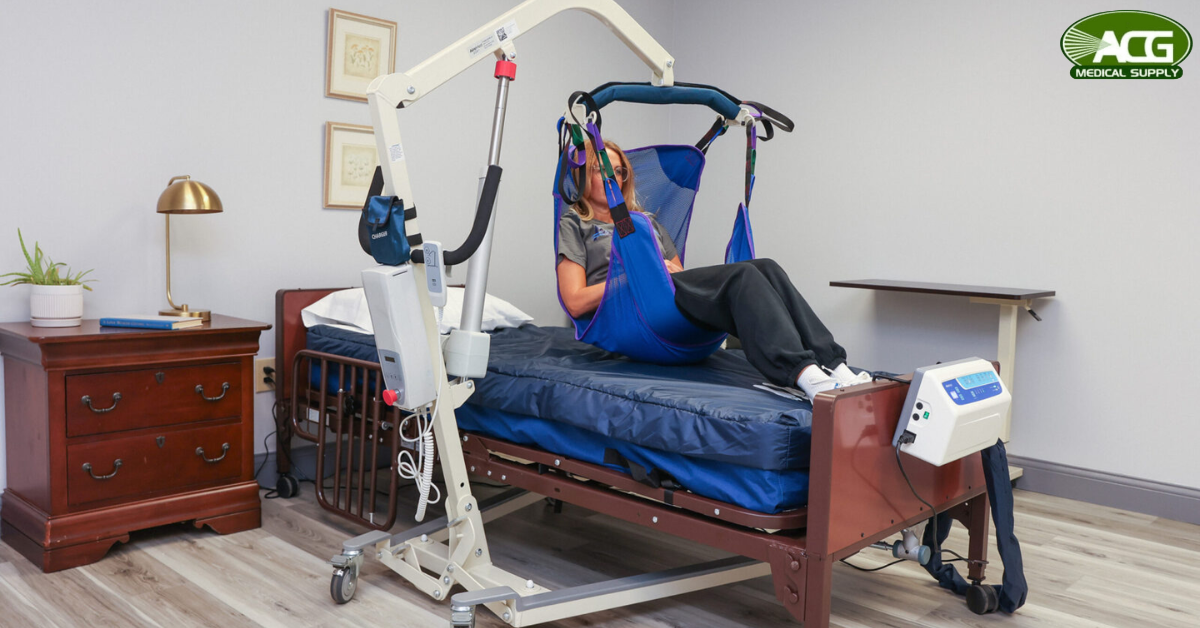
Caring for a loved one who has limited mobility is a big act of love, but it can take a toll on shoulders, backs, and peace of mind. ACG Medical Supply stocks an entire lineup of patient transfer lifts that lower the physical strain on caregivers while keeping transfers secure and dignified for the person in the sling. This guide breaks down what today’s lifts can do, types of lifts available, and—most importantly—how to use a patient lift the safe, confidence-building way.
Why a Patient Lift Belongs in Every Home-Care Toolbox
Lifting an adult isn’t just heavy; it’s downright awkward. Twisting while supporting weight places up to 1,200lbs of force on a caregiver’s spine.
Here’s why every home-care setup benefits from a lift:
- Saves your back (and shoulders). Lifts take the heavy strain off, so you’re not twisting or overexerting yourself every time you help someone move.
- Ensures patients are transferred from one to another comfortably without feeling pulled or dragged.
- Creates safer environments by lowering the chance of falls or skin tears.
- Saves time and energy, leaving more room for quality interactions instead of stressful lifting.
And it’s not just about muscles and joints. Safe transfers mean fewer skin tears, less chance of falls, and none of that unsettling “being manhandled” feeling. In short, a lift protects bodies and relationships.
Types of Patient Transfer Lifts
Different households and care needs call for different styles of lifts. Here’s a breakdown of common types:
| Lift Style | Best For | Key Benefits |
| Manual Hydraulic Lift | Budget-conscious homes or occasional transfers | No batteries required, simple to use, reliable |
| Electric Sit-To-Stand Patient Lift Chair | Users who can bear some weight and follow cues | Encourages leg strength, supports quick bathroom trips |
| Full-Body Electric (Hoyer-style) | Individuals with no weight-bearing ability | Quiet motor, smooth and steady lifting |
| Bariatric Models | Patients over 400 lbs | Reinforced frames, wider booms for added stability |
Each type of lift has its place. Some families go with a manual patient lift because it’s budget-friendly and dependable. Others lean toward using a Hoyer Lift at home when patient transfers are more frequent and comfort is the utmost priority.
How to Use a Patient Lift: Step-by-Step Guide
Using a lift isn’t that difficult, but like most new things, using the lift feels easier after a little practice. The trick is to take it slow and follow the same pattern each time. Here’s a step-by-step patient lift guide:
1. Prep the Lift and Sling
Before anything else, give the lift a once-over. Are the wheels rolling smoothly? Brakes locking in place? If it’s electric, check that the battery isn’t on its last leg because you don’t want it dying halfway through. Lay the sling out flat and untangled; a twisted sling is a headache you don’t want mid-transfer.
2. Position the Sling
This part feels tricky at first, but gets easier. Gently roll your loved one onto their side, slide the sling under them, then roll them back. Smooth it out under the shoulders and thighs so there’s no bunching or pinching; comfort matters more than speed here.
3. Attach and Begin the Lift
Clip the sling straps into the hooks, then pause and double-check every single one. Nothing’s worse than realizing a strap isn’t secure once you’re mid-air. When you start lifting, go really slow. If the person looks anxious, take a minute and reassure them.
4. Move with Care
Don’t unlock the brakes until you are actually ready to move, and when you do, take it easy around rugs, furniture, or whatever clutter’s in the way. Always keep an eye on how the person in the lift is feeling, and talk to them through it. Saying simple things like “We’re moving now” or “almost there” can make them feel safer and more involved.
5. Lower and Settle
Lock those brakes again before lowering the patient. Guide them gently into the chair, bed, or wherever they’re headed. Only unclip the sling once they’re sitting safely and securely.
Patient Lift Safety Tips for Every Caregiver
A patient lift certainly makes things a lot easier, but safety still comes first. A few golden rules:
- Read the manual. Is it boring? Yes. But is it necessary? Also yes.
- Take your time. This isn’t a race. Rushing usually ends in mistakes.
- Double-check every strap and clip before lifting.
- Clear the floor. Even a stray sock can turn into a hazard.
- Keep talking. Let the patient know what’s happening so there are no surprises.
- Stick to the weight limits. No exceptions.
- Practice first. Run through it with a friend, a pillow, or even just on your own before trying it with the patient.
Conclusion
Patient transfer lifts really are lifesavers, for both the person doing the lifting and the one being lifted. They take away so much of the stress and strain that usually comes with patient transfers. Instead of worrying about your back giving out or whether you’ll lose balance and fall, you can actually relax. And honestly, once you’ve practiced a few times, using a lift feels easier than ever. It just becomes part of the routine, like second nature.
FAQs:
Q1: Manual vs. electric—what’s the difference?
Manual lifts use a pump handle and they are more affordable. Electric lifts run on a motor, less effort, smoother motion.
Q2: Sit-to-Stand or full-body?
If the person can bear some weight, go Sit-to-Stand. If not, a full-body (Hoyer) is safer.
Q3: How do I transfer safely at home?
Take it slow, check straps and brakes, and walk them through each step.
Q4: Do lifts need maintenance?
Yes, you should check brakes, wheels, and slings regularly. If you using an electric one, then recharge or replace batteries when needed.
Q5: Are they hard to learn?
Not really. The first time might feel a little awkward and tricky, but after a couple of times you’ll get the hang of it.
Search Articles
Popular Categories
Categories
Medical Tips in Your Inbox
Get expert recovery advice, equipment guides, and caregiver tips — delivered weekly. No spam, unsubscribe anytime.

Need equipment today?
Same-day or next-day delivery in the DFW area. Call us now for immediate assistance.
Not Sure What You Need?
Call us and we’ll walk you through the best option for your situation. Our experts help hundreds of families find the right fit every week.