Arthritic Relief

Heat or cold therapy for arthritis

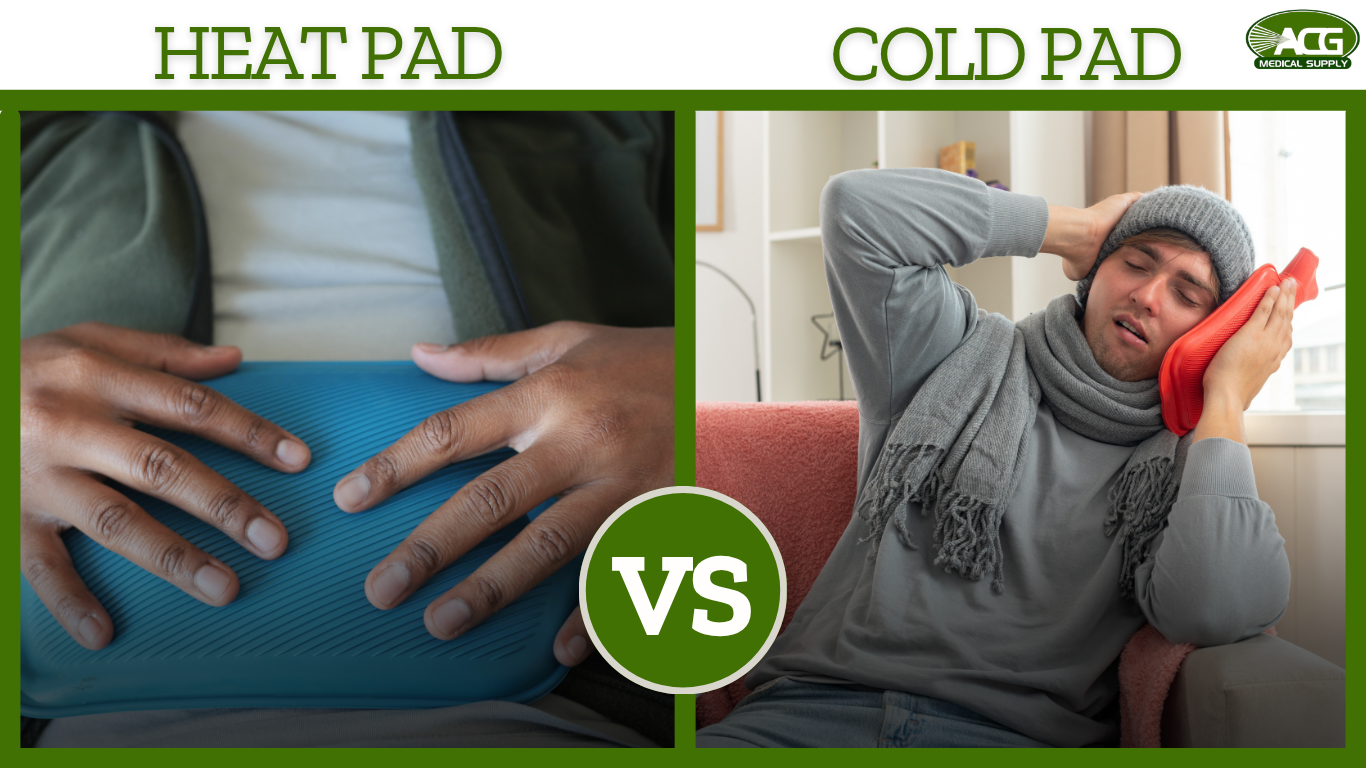
Heat or cold therapy for arthritis: Which is Best for Your Pain?

Mornings are supposed to be slow coffee, maybe a stretch before anything else. Stiff joints don’t care about that plan. A shoulder that won’t budge, knees that complain on the first step, fingers that can barely grip a mug, getting out of bed turns into its own ordeal.

People spend a small fortune on gadgets and real time on stretching routines and still skip the thing that actually works. Temperature therapy isn’t new or exciting, but that’s kind of the point. Pressing warmth or cold against an aching joint changes how the body processes pain, and it costs almost nothing.

The warm towel vs frozen peas debate is an important one to have. Each temperature has a specific job when it comes to arthritis stiffness, and using the wrong one at the wrong time can backfire. Heat or cold therapy won’t cure anything, but knowing which one to grab, and why, is often what turns a rough morning into a manageable one.

The benefits of heat therapy for arthritis

Heat is incredibly comforting; it feels just like wrapping a thick, warm blanket around a tired, overworked body. The actual process beneath the surface of the skin is fascinating. When someone applies a heating pad for arthritis pain, the warmth immediately gets to work on the blood vessels. It opens them up wide. This sudden rush of fresh blood brings oxygen and vital nutrients straight to the aching area. It also thins out the fluid inside the joints. Arthritic joints get stiff specifically because the fluid becomes thick and sluggish overnight. Heat gets it moving again. It practically melts the stiffness away.

If you want to understand how arthritis heating pads help, the best way to answer that is by looking at how heat physically improves circulation. It relaxes the muscles that constantly tense up around a hurting joint. When a joint hurts, the muscles around it try to guard it by tightening up. Heat tells those muscles to finally let go and relax.

There are a few different ways to deliver this soothing warmth. An electric heating pad for arthritis is incredibly popular because it provides a steady, controllable stream of warmth. You simply plug it in, set the perfect temperature, and let it do its job while sitting on the couch reading a book. 

On the flip side, some people completely swear by moist heat therapy for arthritis. Moisture actually conducts heat through the skin and deep into the tissue much faster than dry air ever could. A damp, warm towel or a specialized moist heat pack can feel like a godsend for deep, nagging aches that refuse to fade.

The benefits of cold therapy for arthritis

Now, let’s shift gears completely and look at cold. Cold therapy does the exact opposite of heat. Instead of opening blood vessels up, it tightly constricts them. That sounds a bit alarming at first glance. But it’s really not.

When a joint is actively inflamed, it feels hot to the touch, swollen, and just painful. Sending more blood to that area with a warm pad would actually just make the swelling much worse. That is exactly where cold therapy saves the day. Applying an ice pack for arthritis slows down the heavy blood flow to the inflamed joint. This acts as a highly effective, localized numbing agent. It quickly dulls the sharp nerve pain and visually brings down the puffy swelling.

The true benefits of cold therapy for arthritis shine their brightest after a long, highly active day. Maybe someone spent the entire afternoon gardening, walking around a large grocery store, or playing outside with grandchildren. If a joint flares up after all that wonderful activity and feels tender, cold is definitely the answer. A simple session of cold therapy for arthritis, lasting for about fifteen to twenty minutes, takes the sharp edge off that acute flare-up.

Some people disagree, but cold therapy can actually feel just as incredibly soothing as heat when it is timed perfectly. From a practical standpoint, anyway, it just serves a completely different, but equally important, purpose. It calms the violent storm inside the joint rather than loosening the morning stiffness.

Heat vs ice for arthritis pain: how to choose

Choosing which one to grab from the closet can be tricky. Heat or cold therapy for arthritis usually comes down to timing and paying close attention to the specific type of ache.

Morning stiffness almost always calls for heat. When joints feel entirely locked up after eight long hours of sleep, heat acts exactly like oil for a rusty door hinge. It preps the body for the day’s movement. Using arthritis heating pads right before a workout, a long morning walk, or even just a busy morning in the kitchen is also a fantastic strategy to prevent pain before it even starts.

On the other hand, ice absolutely belongs at the end of the day or directly after a strenuous physical activity. If a joint is actively throbbing, feels warm to the touch, or is visibly swollen, ice therapy is the priority. Heat would be a massive mistake in this specific situation.

Many physical therapists highly suggest alternating the two methods throughout the day. A gentle morning heat session gets the body moving freely, and an evening ice session calms everything right down before getting into bed. It is all about closely listening to what the joint actually needs in that exact moment. If it feels stiff and tight, warm it up. If it feels angry and swollen, cool it down.

Which option fits the moment?

What the joint feels likeBetter choiceWhy
Stiff, tight, sluggishHeatHelps relax muscles and loosen movement
Hot, swollen, irritatedColdHelps reduce swelling and numb pain
Worse after activityColdGives overworked tissue a break
Worse first thing in the morningHeatHelps movement feel less stiff
Needs gentle daily supportHeat or cold, depending on symptomsThe joint usually decides the answer

That chart is the simplest version of the decision. 

Integrating therapies into a daily routine

Building a new habit takes a little bit of time. But once temperature management becomes part of a daily schedule, it feels completely natural. Keep a warm pad near the favorite reading chair in the living room. Leave an ice pack permanently in the freezer so it is always ready to go when a flare-up happens. Convenience is truly everything here. If the tools are hard to reach, people will not use them.

This is exactly why having dedicated arthritis pain relief supplies readily accessible throughout the house is a brilliant idea. A small pad on the office desk can keep stiff shoulders relaxed during long computer sessions. A larger pad by the bed ensures a warm, soothing start to the day. Small, easy lifestyle tweaks like this add up to massive improvements in daily comfort.

Finding the best heating pad for arthritis

Having reliable tools makes this whole routine so much easier. If you are asking yourself, How do I choose the right heating pad for arthritis? The most important factor is consistent temperature control. A cheap, flimsy pad usually cools off… right when your muscles finally start letting go. And that’s incredibly frustrating. That is exactly why ACG Medical Supply is such a great place to look. We carry heavy-duty arthritis heating pads that actually hold their temperature and provide the consistent warmth or cold your joints crave

Conclusion

Joint stiffness doesn’t have to ruin your day. Warmth in the morning and cold after a long afternoon take no more than a few minutes. Some days are rougher than others; that’s just how it goes. Try both, see what your body responds to, and keep whatever works somewhere you’ll actually reach for it. 

Frequently Asked Questions

Is heat or cold better for morning stiffness?

Heat is generally better for morning stiffness because it relaxes muscles and lubricates the joints.

How long should an ice pack be applied?

Apply cold for 15 to 20 minutes at a time to effectively numb the pain without irritating the skin.

Can an electric heating pad be used every day?

Yes, they can be used daily, but always utilize a timer or auto-shutoff feature for safety.

Does moist heat work better than dry heat?

Moist heat often penetrates deeper into the muscles, providing faster and more effective relief.
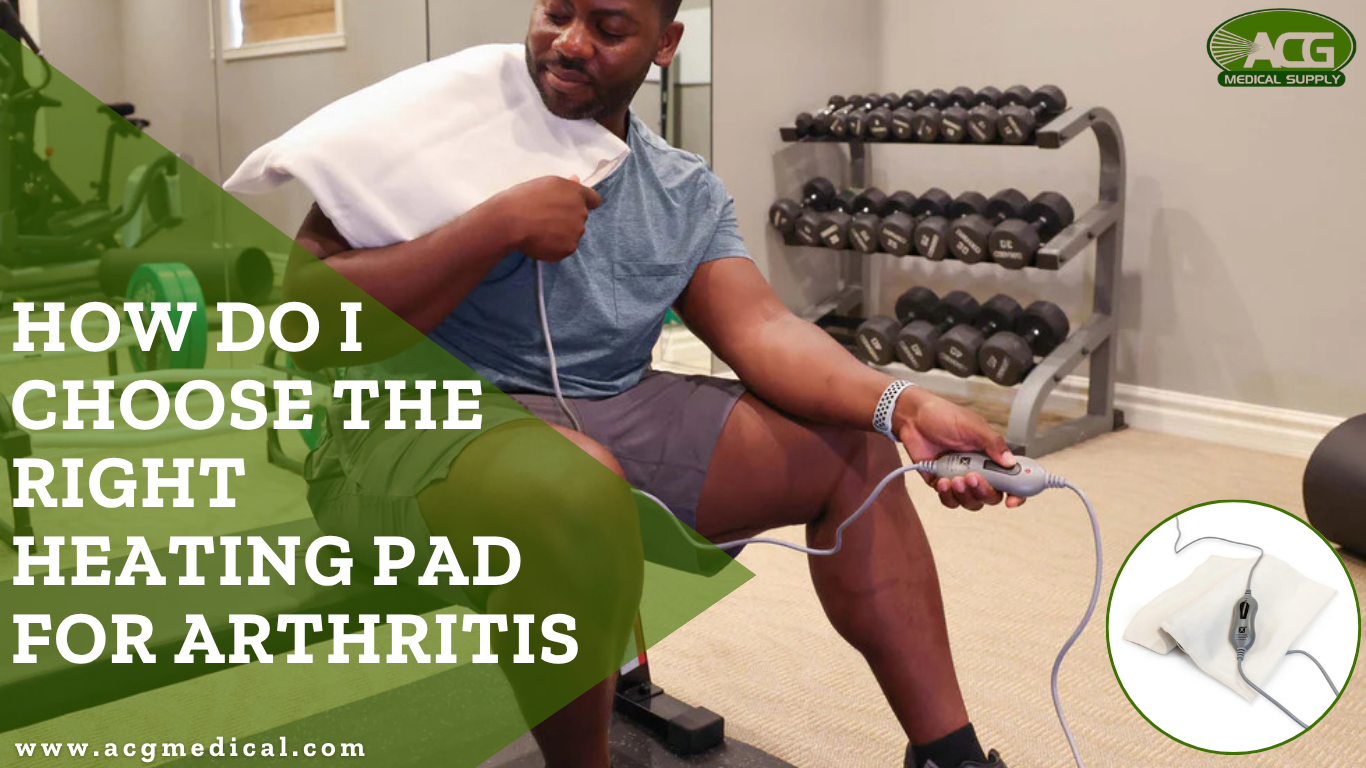
Heating Pad for Arthritis

How to Choose the Right Arthritis Heating Pad for Your Joints

The body moves better when the joints move freely. But Arthritis takes away that freedom little by little. Once Arthritis hits, every small action requires extra effort and patience. It feels as though the joints are stuck in slow motion until they finally warm up and the stiffness is gone. Applying targeted heat helps alter this physical state by thinning the heavy fluid around the bone. However, a flimsy retail arthritis heating pad cannot really hold the steady temperature that’s needed to reach the deep source of the ache in the joint. Real relief from joint pain and stiffness requires a specialized medical device that perfectly fits the shape of the sore area.

This guide covers types of Arthritis heating pads, sizing, features, and portable options that work for people who are out of the house most of the day.

Benefits of heat therapy for arthritis

Arthritic joints stiffen when they sit still. Synovial fluid, the liquid that keeps joints moving without friction, thickens during periods of inactivity. A cold morning after eight hours of sleep is about the worst condition for it. The joint feels locked, slow, and painful to start. Heat reverses that. It thins the synovial fluid, brings blood flow back to the surrounding tissue, and loosens the muscles that tighten up around a sore joint.

The benefits of heat therapy for arthritis show up most clearly in that window before movement begins. A 15 to 20-minute session with a therapeutic heating pad before morning activity changes how that activity feels. The joint moves with less resistance. The first steps are not as sharp. For people in colder climates, applying heat before heading outside is a practical way to keep joints from seizing up when the temperature drops. Before bed, heat can reduce the residual aching that builds up in joints after a full day of use, which often makes sleep easier to come by.

Types of Arthritis heating pads

Electric heating pads for arthritis run on a standard wall outlet and stay at a set temperature for as long as they are plugged in. The heat is consistent, the controls are simple, and most models cut off automatically after a set time… this feature is useful for anyone who tends to doze off mid-session. For the lower back or shoulders, a flat electric pad works well because it covers a wide surface area without needing to be held in place.

A moist heating pad for arthritis works on a pretty straightforward physical principle: moisture conducts heat through tissue faster than dry air does. That difference becomes apparent when the target is a joint rather than a sore muscle. Dry heat warms what it touches. Moist heat keeps going past the skin and into the joint tissue. Some designs pull moisture directly from the air around them, so the pad generates this effect on its own with no preparation needed. Physicians who treat arthritis often recommend moist heat over dry specifically because of how much further the warmth reaches.

An infrared heating pad for arthritis skips the surface entirely. Instead of warming the skin and letting that heat travel inward, infrared uses light wavelengths that pass through the skin and generate heat directly in the tissue underneath. For the hip or knee joints that sit too far below the surface for standard heat to reach effectively, this is crucial. People who have used electric pads for years without enough relief and then switched to infrared often notice the difference within a few sessions. It is a fair amount more expensive than a standard pad, but for deep joint pain that has not responded well to other heat options, it tends to be the best heating pad for arthritis at that level of need.

Portable heating pads are battery-operated, USB-rechargeable, or air-activated disposable packs. They exist for situations where a wall outlet is not available. More on this in the dedicated section below.

Getting heating pad size for arthritis

Size affects how well the therapy actually works. A pad that covers too small an area leaves part of the joint without heat. One that is too large for a small joint is awkward to position and uncomfortable to keep in place. The right heating pad size for arthritis should cover the full joint area without requiring constant readjustment.

Joint or Body AreaSuitable Pad Size
Fingers, hands, wristsSmall, approx. 6″ x 12″, or a contoured wrap design
Elbows, feet, anklesSmall to medium, approx. 10″ x 12″
Knees, shouldersMedium, approx. 12″ x 15″
Lower back, hips, full legLarge, 14″ x 27″ or bigger

Essential features of a high-quality heating pad

Beyond heat type and size, there are a few specific features that separate genuinely useful products from ones that cause frustration after a few uses.

1. Adjustable heat settings

With arthritis, pain levels can change throughout the day. So get a heating pad that has multiple heat settings, as that allows users to switch between gentle warmth and stronger heat when needed.

2. Automatic shut-off

This is one of the most useful safety features. Heating pads with automatic shut-off timers reduce the chance of overheating during longer sessions or when you accidentally doze off.

3. Soft fabric covers

Rough or stiff materials can feel uncomfortable against sore joints. Soft covers usually feel better during daily use.

4. Flexible design

Flexible heating pads sit more naturally against the body. This helps the warmth spread evenly across the painful area.

5. Washable covers

Heating pads are used frequently, especially during colder months. Removable washable covers help keep them clean and comfortable.

Portable heating pads for life outside the home

A heating pad for arthritis pain relief is pretty straightforward to use at home. Managing joint pain during a workday, a long drive, or travel is a harder situation, and that is where portable heating pads serve a real purpose.

Three formats that you need to know:

USB or battery-powered wrap pads strap around the knee, wrist, or shoulder. They are rechargeable and provide 45 to 90 minutes of heat depending on the model. These are the most practical portable options for someone dealing with arthritis in a joint during a regular workday.

Microwave gel packs need to be heated before leaving the house, and they can stay warm for 30 to 45 minutes. They are simple, reusable, and inexpensive, and are especially useful for shorter trips or situations where recharging is not convenient.

Air-activated disposable packs need no power source at all. Opening the packaging activates them. Single-use, but very convenient for travel days or situations where neither a microwave nor a charger is available.

Before choosing any portable option, check the heat retention time. A pad that cools within 15 minutes provides no real benefit for arthritis. Arthritic pain and stiffness need sustained warmth over a full session to produce any change in the joint.

Conclusion

Arthritis pain does not behave the same way every day. Some mornings are harder. Some joints need more attention than others. A properly chosen arthritis heating pad, used at the right time and in the right size, works with that reality rather than against it. For anyone who’s managing joint pain daily, the arthritis support products available at ACG Medical Supply are built for exactly that kind of consistent, long-term use.

Frequently Asked Questions

What is the best heating pad for arthritis?

A moist heat electric pad with adjustable settings and a 20 to 30 minute auto-shutoff timer
suits most arthritis needs well.

Can a heating pad be used on a swollen joint?

No. Active swelling needs cold therapy. Heat is for stiffness and chronic aching only.

How long should each session last?

15 to 20 minutes per session; no longer than 30 minutes without a break.

Does an infrared heating pad work better than a standard one?

For deep joints like hips or knees, yes. Infrared penetrates further than surface-level
electric heat.

Heating Pad for Arthritis

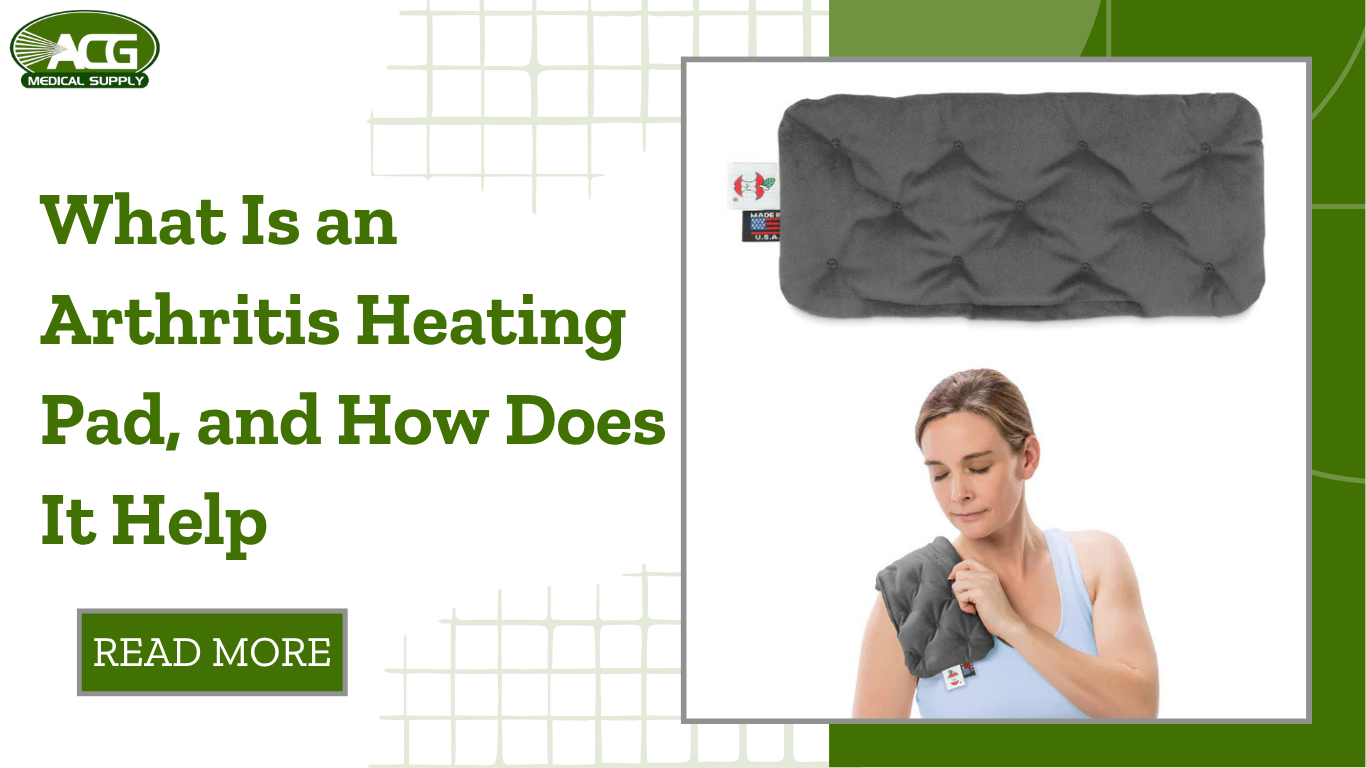
What Is an Arthritis Heating Pad, and How Does It Help?

Very few things in healthcare stay basically the same across decades.

Heat is one of them, and honestly, not because anyone is out here championing it. Heating pads are about as unglamorous as pain relief gets. No sleek app integration, no subscription model, no before-and-after testimonials with dramatic lighting. They just sit there, warm up the stiff joints, and do their job. That’s probably why they’re still in people’s homes, physical therapy clinics, and arthritis care routines after all this time.

An arthritis heating pad won’t cure anything. It won’t reverse joint damage or replace whatever your doctor has you doing. What it can do is make painful or stiff areas feel more manageable for a while. And if you’re someone who wakes up every morning feeling like your hands aged thirty years overnight, “manageable for a while” is genuinely worth something.

What an Arthritis heating pad does

An arthritis heating pad applies warmth to areas where joints are stiff or uncomfortable. The heat source can be an electric coil, microwaveable grain fillings, infrared technology, moist heat systems, or reusable gel packs, but the core idea doesn’t change much between them. 

Warmth relaxes the muscles around a joint and helps the joint itself move with less resistance. That’s it. No complicated mechanism or terminology required. 

People reach for a heating pad for arthritis pain at specific moments: right before getting out of bed in the morning, after sitting at a desk for hours, before a walk or some gentle stretching, on cold days when everything feels worse, or at the end of a physically draining day.

The point isn’t to eliminate pain. It’s to make movement easier.

Why does heat work on stiffness specifically

Arthritis doesn’t produce the same symptoms for everyone. Some days it’s pain. Some days it’s swelling. Some days, joints just feel slow and reluctant, like they need five minutes to warm up before they’re willing to cooperate. 

That last thing, stiffness, is what most people describe as their most consistent complaint, especially in the morning or after long stretches of sitting still.

Here’s why heat helps with that specifically: inside every joint, there’s synovial fluid that keeps bone surfaces lubricated and delivers nutrients to cartilage. When a joint sits cold and still for hours, that fluid thickens up, and motion becomes resistant. When you apply warmth, the fluid loosens back up, and movement becomes easier for you. 

That’s a big part of why heat before movement is more useful than heat after you’ve already pushed through the discomfort.

There’s also the muscle piece. The muscles surrounding a painful joint will often tighten up involuntarily, a kind of protective bracing response. It makes sense as a short-term reflex, but over time, that chronic tension makes stiffness worse, not better. Heat interrupts the cycle by getting those muscles to let go a little.

Worth saying clearly: if a joint is actively swollen, red, or already warm to the touch, heat is the wrong call. Cold therapy handles acute inflammation. Heat is for stiffness and tension; the two are different problems.

Benefits of heat therapy for Arthritis

A lot of arthritis content online either oversells heating pads or talks about them so vaguely that the information becomes meaningless.

The actual benefits of heat therapy for arthritis are more practical than dramatic.

Temporary relief from stiffness. Warmth helps synovial fluid thin out and connective tissue loosen. The joint moves more freely for a while. That window matters if you’re trying to get out the door in the morning or get through a workout.

Better movement before activity. Using a heating pad before walking, stretching, or exercising lets the joint work through a wider range of motion with less pain. It’s preparation rather than damage control, which is a different way of thinking about pain management than most people are used to.

Muscle relaxation that actually sticks. People who use heat therapy regularly tend to notice more benefit than those who only use it during a bad flare. Consistent warmth keeps the surrounding muscles from staying locked in that protective tension. It’s not glamorous, but it compounds.

Ordinary-day comfort. This one gets skipped in clinical discussions, but it’s kind of pivotal. Feeling slightly less stiff while chopping vegetables, typing a long email, or walking up a flight of stairs changes how a day feels. That’s nothing.

Common types of arthritis heating pads

TypeWhat It UsesCommonly Chosen For
Electric heating pad for arthritisPlug-in electric heatRegular home use
Moist heat pad for arthritisDamp heat or humid warmthDeep-feeling warmth
Infrared heating pad for arthritisInfrared heat technologySteady radiant heat
Portable heating pad for arthritisRechargeable or travel-friendly heatWork, commuting, travel
Rheumatoid arthritis heating padGeneral heating supportMorning stiffness and joint discomfort

What makes the best heating pad for Arthritis

There’s no single right answer here because the joint matters, the routine matters, and personal preference matter more than basic product descriptions admit.

An electric heating pad works well for people who want something reliable. Plug it in, pick a temperature, and leave it on for 15 to 20 minutes. Simple. A moist heat pad delivers damp warmth that conducts heat more efficiently into the tissue, which some people find feels more substantial against a stiff knee or shoulder than dry heat does. A few physical therapists prefer recommending moist heat for arthritis, specifically for that reason.

Infrared pads have gotten more attention recently. They emit far-infrared radiation that penetrates a few centimeters below the skin without overheating the surface. There’s some research suggesting benefit for osteoarthritis discomfort, though the evidence is still being built out. They’re not a medical treatment. They’re just a different way of delivering heat that some people find more effective.

Portable pads fill a gap that the others don’t. Arthritis doesn’t schedule itself around when you’re home and near an outlet. A rechargeable wrap for a long drive or a day in the office actually gets used, and that’s the whole game with pain management tools.

For fit: someone dealing with shoulder or back stiffness probably wants a larger wrap-style pad. Someone with hand or wrist problems needs something smaller and easier to position without help. Moist heat tends to suit deeper joints. Lightweight electric options work better for people who want minimal fuss.

Consistency is more important than intensity

One honest thing about heating pads that doesn’t get said enough: a single session does relatively little. It helps in the moment, but the real value shows up for people who build it into a daily habit, heat in the morning before movement, heat in the evening after activity. The body responds differently to consistent input than it does to occasional intervention.

ACG Medical Supply carries electric, moist heat, infrared, and portable arthritis heating pads from established manufacturers, available online and in Texas showrooms. Their staff can help figure out which type suits a specific joint or situation without the sales pressure.

Conclusion

An arthritis heating pad is a comfort tool. Use it consistently, pick the right type for your joint and routine, and it can make stiffness feel more manageable day to day. That’s the whole pitch, and sometimes, that’s enough.

FAQ

Can an arthritis heating pad cure arthritis?

No. It provides temporary symptom relief and is not a medical treatment.

Is heat or cold better for arthritis?

Heat works better for stiffness and muscle tension. Cold is the better choice when a joint is
actively swollen or inflamed.

How long should a heating pad be used per session?

Around 15 to 20 minutes for most joints, long enough for warmth to reach the tissue,
short enough to avoid skin irritation.

Are infrared heating pads different from regular heating pads?

They deliver heat differently and penetrate slightly deeper into tissue, but both are forms
of heat therapy, not medical treatments.

Can people with rheumatoid arthritis use heating pads?

Many do, particularly for morning stiffness. During an active flare with visible swelling,
cold therapy is usually the better option.

Seniors Life Medical Aids

7 Must-have Gadgets to Simplify Senior Life: 2024 Edition

As we get older, staying independent and comfortable becomes really important. Luckily, nowadays, seniors have lots of cool gadgets to help make life easier and more fun. Whether you need stuff to help you walk, keep you safe, or just stay organized, there are plenty of options out there for seniors in 2024.

In this guide, we’ll introduce you to seven gadgets and gifts that are perfect for seniors. These items are not only useful but also fit right into your daily routine without any fuss.

Walking Canes

Walking canes have come a long way from being merely functional tools. Today’s walking canes are designed to provide optimal support while also being stylish accessories. Modern canes feature ergonomic handles that reduce hand strain, and adjustable heights to suit individual needs. Some canes also come with foldable designs, with attached seats making them easy to carry and store. 

Bath and Shower Chairs

The bathroom is one of the most hazardous areas in the home, especially for seniors. Bath and shower chairs provide a safe and comfortable solution for those with mobility issues. These chairs are equipped with skid-resistant tips and sturdy frames to prevent falls. Many models are adjustable in height and have reclining options to cater to individual comfort needs. Some even come with padded seats and backrests for extra comfort. By providing a secure place to sit while bathing, these chairs and stools help seniors maintain their hygiene routine with ease.

Grab Bars

Grab bars are a simple but highly effective way to enhance safety in the home. Installed in key areas such as bathrooms, hallways, and near stairs, grab bars offer extra support to prevent falls. Learn exactly how to Install Grab Bars in Your Bathroom to ensure maximum security. They come in various sizes and designs. Made from durable materials like stainless steel, grab bars can support substantial weight and are easy to clean. This small investment can significantly improve a senior’s safety and provide peace of mind for both them and their caregivers.

Freedom Alert Emergency Wall Communicator

The Freedom Alert Emergency Wall Communicator is a lifesaving gadget that provides seniors with instant access to emergency assistance at the touch of a button. This wall-mounted two-way voice communicator device allows seniors to contact emergency services or family members in case of a fall or medical emergency, ensuring prompt help when it is needed most. With easy installation, this gadget offers peace of mind and reassurance for both seniors and their loved ones.

Apex 7-Day MediPlanner

Managing multiple medications can be challenging for seniors, but the Apex 7-Day MediPlanner simplifies the process with its organized and easy-to-use design. This pill organizer features seven removable daily pill cases with compartments for morning, noon, evening, and bedtime doses. With clear labeling and compact size, the Apex 7-Day MediPlanner from ACG Medical Supply is a handy gadget that can help seniors stay on track with their medication regimen and avoid missed doses.

PVI Rubber Threshold Ramp

Navigating doorways and small steps can be challenging for seniors, especially those using mobility aids. The PVI Rubber Threshold Ramp provides a smooth transition over thresholds, making it easier to move around the house or enter and exit. Made from durable, slip-resistant rubber, this ramp is a safe and practical addition to any home.

Mobility Electric Scooter

For seniors who love to stay active and independent, a mobility electric scooter is a game-changer. These scooters are designed for comfort and ease of use, featuring adjustable seats, easy-to-use controls, and long battery life. Whether running errands or enjoying a day out, a mobility scooter provides freedom to the elderly to move around without fatigue.

Choosing the Right Products

When it comes to selecting gadgets and gifts for seniors, one size certainly does not fit all. Each individual has unique needs, preferences, and challenges, which is why it’s crucial to consider these factors when making purchasing decisions. At ACG Medical Supply, we understand the importance of finding products that cater to specific requirements while also providing comfort and convenience.

Our extensive range of products is carefully curated to enhance senior living in every aspect. From mobility aids to home safety devices, we offer a diverse selection designed to address a variety of needs. 

Conclusion At ACG Medical Supply, we believe that aging should be a journey filled with comfort, safety, and independence. The seven innovations highlighted in this guide are just a glimpse of the possibilities available to seniors today. By incorporating these gadgets and gifts into their daily lives, seniors can enjoy a higher quality of life and continue to pursue their passions with confidence. 

Back Pain Relief

Back Pain May Impede on Your Line of Work

Are you constantly battling with back pain that hampers your ability to work efficiently? You’re not alone. Back pain is a prevalent issue that affects millions of individuals worldwide, often resulting in decreased productivity and a lower quality of life. Whether you’re working at a desk, on your feet, or even in a physically demanding job, the impact of back pain can be significant. However, with the right strategies and support from ACG Medical Supply, you can manage your back pain effectively and regain control over your work life.

Understanding Back Pain

Before diving into solutions, it’s essential to understand the common causes of back pain. Poor posture, sedentary lifestyles, heavy lifting, and underlying medical conditions such as arthritis or herniated discs are just a few factors that can contribute to back pain. Additionally, stress and anxiety can exacerbate muscle tension, further intensifying discomfort.

Back Pain Exercises

One of the most effective ways to alleviate back pain is through targeted exercises that strengthen the muscles supporting the spine. ACG Medical Supply offers a range of back pain exercise equipment designed to improve flexibility, stability, and overall spine health. From foam rollers and resistance bands to inversion tables and stability balls, incorporating these exercises into your daily routine can provide significant relief.

Back pain exercises play a crucial role in alleviating discomfort and strengthening the muscles that support the spine. These exercises help in reducing the risk of future injuries and manage existing pain more effectively.

  • Stretching: Gentle stretching exercises help loosen tight muscles and improve flexibility in the back and surrounding areas. Common stretches include hamstring stretches, cat-cow stretches, and trunk rotations. These exercises help relieve tension and improve range of motion, promoting better posture and reducing the strain on the spine.
  • Core Strengthening: A strong core is essential for supporting the spine and maintaining proper alignment. Core exercises such as planks, bird dogs, and pelvic tilts target the muscles in the abdomen, lower back, and hips. Strengthening these muscles helps stabilize the spine and reduce the risk of injury.
  • Low-Impact Aerobic Exercise: Activities like walking, swimming, and cycling can help improve cardiovascular health and promote weight loss, which can alleviate pressure on the spine. Low-impact aerobic exercise also increases blood flow to the muscles, delivering essential nutrients and oxygen for healing and recovery.
  • Strength Training: Targeted strength training exercises focus on building muscle in the back, abdomen, and legs, providing additional support to the spine. Resistance exercises using body weight, resistance bands, or free weights can help improve muscle tone and overall strength, reducing the risk of strain and injury.
  • Yoga and Pilates: Yoga and Pilates incorporate a combination of stretching, strengthening, and relaxation techniques that are beneficial for back pain relief. These practices help improve posture, increase flexibility, and promote relaxation, reducing muscle tension and stress in the spine.

High-Quality Braces and Supports for Back Pain Relief

In addition to exercises, there are several products available that can provide additional support and relief for back pain.

  • Aspen Lumbar Support: It is designed to stabilize and support the lower back, reducing strain and promoting proper alignment. This brace is ideal for individuals who experience discomfort or instability in the lumbar region and need extra support during daily activities or exercise.
  • Compression Therapy Wrap: It applies targeted compression to the back muscles, helping to reduce inflammation and alleviate pain. This wrap is particularly beneficial for individuals with muscle strains or sprains, providing gentle compression to promote healing and reduce discomfort.
  • Back Posture Corrector: For those looking to improve their posture and prevent back pain, this product can be an excellent solution. This device gently pulls the shoulders back and aligns the spine, promoting proper posture and reducing the risk of strain or injury. By wearing a posture corrector regularly, individuals can train their muscles to maintain proper alignment, leading to improved posture and reduced back pain over time.
  • Wheelchair Back Cushion: For individuals who spend extended periods sitting, whether at work or in a wheelchair, investing in a quality back cushion is essential. ACG Medical Supply offers a range of wheelchair back cushions designed to provide optimal comfort and support. The right cushion can help alleviate pressure points, improve posture, and prevent the development of pressure ulcers.

Back pain can be a significant barrier to productivity and overall well-being, but it doesn’t have to control your life. With the right combination of exercise, support devices, and ergonomic practices, you can effectively manage your back pain and maintain a high level of productivity at work. ACG Medical Supply provides a comprehensive range of products and expert guidance to help you overcome back pain and live your best life.

Medical Gifts for Parents

Caring Beyond Gifts: A Healthful New Year Pledge for Parents

As the new year unfolds, it’s the perfect time to reflect on the well-being of those who mean the most to us – our parents. The invaluable love and care they have showered upon us deserve to be reciprocated, and what better way to express our gratitude than by investing in their health? This year, let’s make a commitment to give health to our parents – a promise that transcends material possessions and echoes the sentiment of genuine care.

ACG Medical Supply: Your Partner in Health

To kickstart this health-centric journey, consider exploring the wide array of medical supplies offered by ACG Medical Supply. This one-stop-shop provides a comprehensive selection of products designed to enhance the well-being of your loved ones. From mobility aids to personal care items, ACG Medical Supply has everything you need to make your parents’ lives more comfortable and convenient.

Moreover, as a token of appreciation for choosing health, ACG Medical Supply offers an exclusive discount. Use code ‘9267’ during checkout to enjoy a 5% discount on all medical supplies, making it easier to prioritize your parents’ health without breaking the bank.

Unlock Exclusive Savings for New Beginnings

For those embarking on this health-focused journey for the first time, ACG Medical Supply welcomes you with open arms and an exclusive offer. Use Code 10OFFNEW for 10% Off For New Customers. This not only makes it more affordable to invest in your parents’ well-being but also encourages you to take that important first step toward a healthier lifestyle for your loved ones.

Healthy Gift Ideas for Parents

Now that you’re equipped with the right resources, let’s explore some thoughtful and practical healthy gift ideas for parents.

  • Personalized Fitness Equipment:

Encourage an active lifestyle and invest in your parents’ health by giving personalized fitness equipment. Whether it’s resistance bands, a set of dumbbells, or a yoga mat, these gifts can inspire your parents to incorporate regular exercise into their routine.

  • Nutrient-Packed Gift Baskets:

Show your love through a carefully curated gift basket filled with nutritious snacks, organic teas, and superfood supplements. This not only promotes a healthy diet but also introduces new flavors and ingredients to their culinary repertoire.

  • Stress-Reduction Gifts:

Help your parents unwind and relax with stress-reduction gifts for parents. Consider items such as aromatherapy diffusers, soothing essential oils, or a cozy weighted blanket. These thoughtful presents can contribute to mental well-being and create a calming atmosphere at home.

  • Comfortable and Supportive Shoes:

Invest in your parents’ comfort by selecting footwear that prioritizes both style and support. Consider brands known for their orthopedic shoes, ensuring comfortable and supportive shoes for parents while still looking fashionable.

  • Smart Health Devices:

Embrace the digital age by giving smart health devices. From fitness trackers to smart scales and blood pressure monitors, these gadgets empower your parents to take charge of their health with real-time insights and personalized data.

Show Your Parents You Care About Their Health

Beyond material gifts, the most meaningful way to show your parents you care about their health is through actions that prioritize their well-being.

  • Regular Health Checkups:

Schedule regular health checkups for your parents, including screenings for common health concerns. Proactive healthcare can identify potential issues early, allowing for timely intervention.

  • Cook Healthy Meals Together:

Share quality time in the kitchen preparing nutritious meals. Cooking together not only promotes a healthy diet but also fosters a sense of togetherness and joy.

  • Encourage Physical Activities:

Plan family outings that involve physical activities, such as hiking, biking, or simply taking a leisurely stroll in the park. Making exercise a family affair strengthens bonds while promoting health.

  • Educate on Healthy Habits:

Empower your parents with knowledge about healthy habits, such as proper nutrition, adequate sleep, and stress management techniques. Small lifestyle changes can lead to significant improvements in overall well-being.

In conclusion, this new year, let’s make a promise to prioritize our parents’ health. ACG Medical Supply is here to support you on this journey with a range of medical supplies, and the exclusive discount codes ‘9267′ and ’10OFFNEW‘ make it even more accessible. By choosing thoughtful and health-focused gifts, as well as adopting positive habits, you can truly show your parents that their well-being is your top priority. After all, the gift of health is the most precious gift of all.

Senior Healthcare

Enhancing Senior Healthcare: The Vital Role of Transportation in Improving Quality of Life

As we age, the importance of senior healthcare becomes ever more evident. Ensuring high quality of life for elderly loved ones is our duty and a sign of respect for all the wisdom they’ve contributed during their lifetimes. Together we must work toward their well-being – transportation can play an essential role here.

Transportation plays an integral role in improving seniors’ overall well-being. Beyond simply moving them from point A to B, transportation plays a pivotal role in enhancing independence, social engagement, and mental health – providing accessible and reliable solutions can make an immense difference in how they experience daily life.

At ACG Medical Supply, we know they can rely on us as their reliable partner to address senior mobility needs with various mobility aids explicitly tailored to seniors’ unique requirements. This blog post will examine how transportation is essential in senior healthcare and what medical supplies can help them. Let’s discover how we can create positive changes within our senior community.

Understanding the Mobility Challenges Faced by Seniors

As we age, our bodies undergo natural changes that can impede mobility. Common mobility challenges faced by seniors include:

  • Arthritis and Joint Pain: Arthritis is a prevalent condition among seniors, leading to inflammation and joint pain and making daily tasks such as walking difficult. As such, this makes life increasingly challenging.
  • Muscle Weakness: As people age, muscle strength tends to decline, decreasing balance and stability and making seniors more prone to falls.
  • Balance and Gait Issues: Aging can have devastating repercussions for seniors as their balance and gait become compromised, increasing the risk of accidents or falls and potentially having catastrophic repercussions.
  • Chronic Health Issues: Unfortunately, many older adults have chronic medical issues such as cardiovascular disease, diabetes, or respiratory conditions that impede mobility and energy levels.
  • Reduced Flexibility: With age comes decreased flexibility, restricting the range of motion and making specific movements more challenging for seniors.

Importance of Accessible and Reliable Transportation Solutions:

Accessible and reliable transportation solutions are vital for seniors to maintain independence, social engagement, and overall well-being. Seniors rely on these solutions to move freely around their environments while participating in activities and remaining connected with their communities. By decreasing the risk of accidents while supporting physical and mental well-being, accessible transportation solutions enhance the quality of life for our elderly loved ones and ensure they continue leading active lives that fulfil them fully.

The Versatility of Mobility Aids

The versatility of mobility aids offers invaluable support to seniors, enhancing their daily lives and overall well-being.

  • Knee Walker: A practical alternative to crutches, knee walkers provide excellent stability and manoeuvrability, ideal for those recovering from foot or ankle injuries or surgeries.
  • Lift Chair: Lift chairs gently lift seniors into standing, offering seamless transitions and easing mobility for individuals with limited strength or mobility challenges.
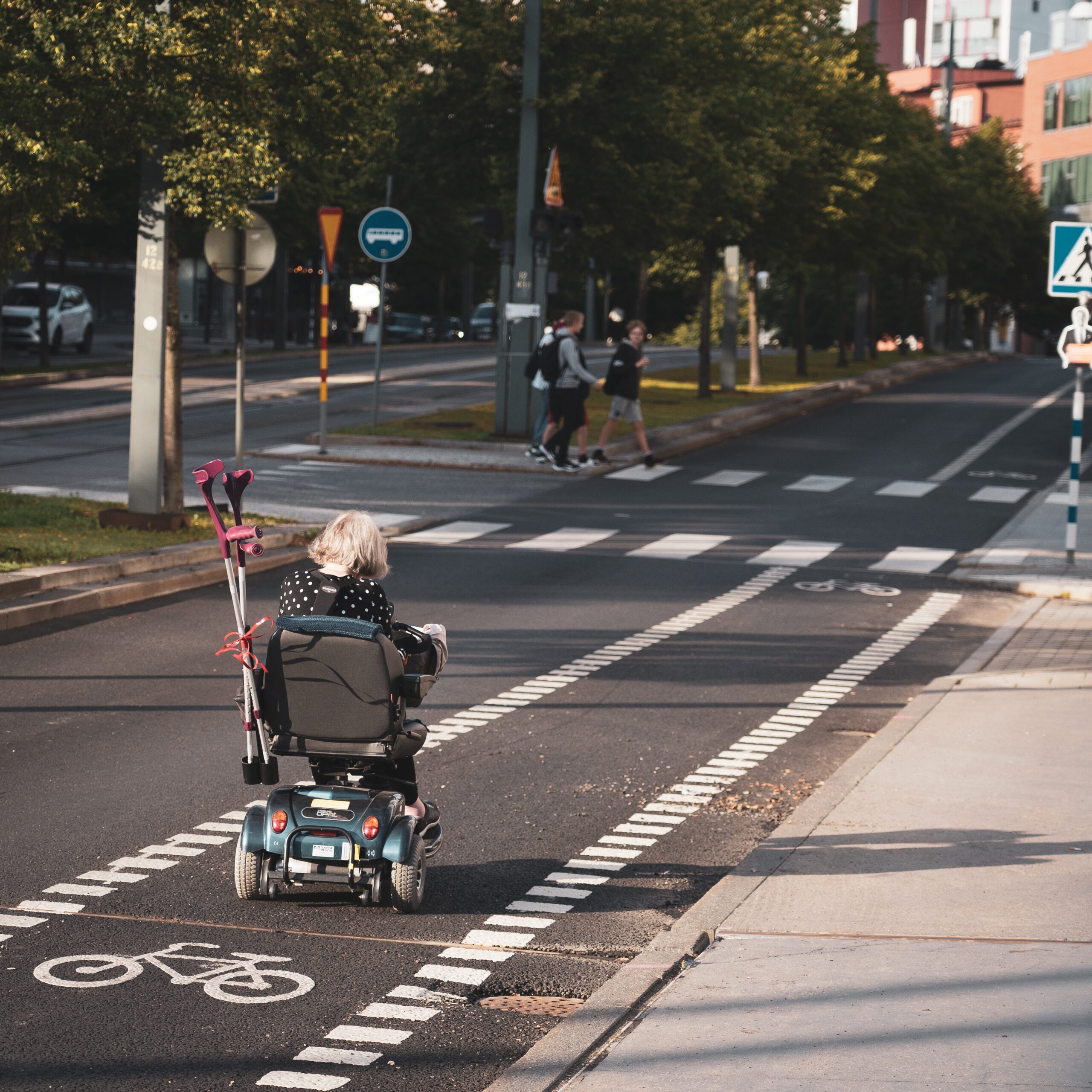
  • Electric Scooters: Electric scooters grant seniors the freedom to move independently over longer distances, promoting empowerment and enabling them to remain socially engaged.
  • Power Wheelchair: Essential for seniors with severe mobility challenges, power wheelchairs offer greater independence and mobility, allowing them to navigate both indoors and outdoors effortlessly.
  • Transport Wheelchair: Designed for ease of transport, these lightweight and compact transport wheelchairs provide practical solutions for outings and travel, ensuring seniors can participate in various activities comfortably.
  • Bathroom Care Accessories: Crucial for maintaining safety and accessibility in the bathroom, these aids, such as grab bars and shower chairs, prevent accidents and promote independence.
  • Quad Canes: Quad canes provide added stability and support during walking, offering seniors enhanced balance and confidence, especially if they have mild to moderate balance issues.

Each mobility aid caters to specific needs, ensuring seniors can lead active, engaged lives and easily overcome mobility challenges. By embracing the versatility of these aids, seniors can enjoy improved independence, confidence, and overall quality of life.

The Role of Transportation in Improving Senior Quality of Life

Accessible and reliable transportation solutions significantly impact seniors’ quality of life. Increased mobility boosts confidence, promotes social engagement, and improves physical and mental health – especially among the frail elderly who may rely on mobility aids for increased independence and a sense of empowerment; stays active while experiencing reduced stress resulting in overall well-being for this population group. Providing seniors with accessible transportation options ensures they continue thriving within their communities.

Conclusion

In conclusion, accessible transportation is essential in improving senior healthcare and quality of life. At ACG Medical Supply, we understand this is important and are dedicated to offering reliable mobility aids such as knee walker, lift chair, electric scooters, power wheelchair, transport wheelchair, and bathroom care accessories explicitly tailored to elderly needs. By adopting these solutions, we enable our elderly loved ones to remain independent, socially engaged, and lead fulfilling lives – together, let’s create positive change among senior communities by showing our senior loved ones the care and respect they deserve.

Deep Vein Thrombosis

Seven Crucial Steps to Avoid Deadly Deep Vein Thrombosis

Deep Vein Thrombosis is one of the most fatal diseases that anyone can ever encounter in their lives. A deep venous thrombosis (DVT) is a clot in the blood, that develops deep within veins, most frequently in the thigh. It can restrict blood passage to the heart, completely or partially, and cause injury to the single-directional valves that are found in the veins. It is also possible for it to detach and move to important organs in the body, such as the lungs, which is a very hazardous possibility. About one in ten individuals who have deep vein thrombosis in the US will pass away as a result of repercussions from their condition.
There are some of the common DVT causes of these clots like a sedentary lifestyle or sitting still for an extended period of time, such as following surgery, or flying for a long distance, While the less prevalent causes include pregnancy and inherited blood clot disorder. The likelihood of DVT rises in people who are overweight or who smoke cigarettes and DVT symptoms include leg swelling, leg pain, change in skin color, etc.

However, there are ways you can lessen the risks of DVT by following the steps mentioned below.

  1. Avoid Sitting For Long Hours While Traveling

While traveling for an extended period of time, it is advisable to get out of your seat every so often to stretch your legs and get those blood pumping. Keep your body functional and active while flying by walking around the plane’s aisles. Relax and stretch the legs, calves, and ankles. Stop every 60–90 minutes on a long car trip for a chance to stretch your legs and get a little exercise. The stimulation of leg muscles increases blood flow and reduces blood clot risk. Even if you’ve never had a blood clot, get up and move occasionally. Even when not driving. Medical professionals discourage prolonged sitting. Walk around while working or watching TV.

  1. Keep Yourself Hydrated To Lower The Risks Of Blood Clotting

Keep track of your fluid intake because lack of water is a significant contributor to the risk for DVT. Doctors often emphasize the need of drinking enough water because it reduces the thickness of the blood. Keep in mind that drinking a lot of caffeine or alcohol-based drinks may put you at risk of dehydration.

  1. Use Compression Stockings To Allow Better Circulation

Compression stockings may reduce DVT risk. They increase blood flow by pressing on the legs and calves. They come in all shapes, sizes, and pressures. It is advisable to wear them regularly. People with a history of DVT and hypertension are especially recommended to wear them. You can buy high-quality compression stockings on ACG Medical Supply for a healthy blood circulation.

  1. Quit Smoking To Lower Your Chances Of Developing Persistent And Chronic Health Conditions.

Because of its effects on blood clotting and circulation, cigarette smoking increases the risk of developing deep vein thrombosis (DVT). Despite its many negative effects, smoking is one of the substantial changeable hazards for DVT. Quitting it reduces the risk of developing DVT.

  1. Retain a Healthy Body Mass Index and Exercise regularly

Obesity raises leg vein blood pressure, another modifiable risk factor. and increased pressure on the large veins in the pelvis from internal fat slows blood flow. DVT risk increases with BMI. BMIs over 25 increase risk. People with BMi around 30-35 have a greater risk of DVT. It is extremely crucial to maintain a healthy BMI. Exercise on a consistent basis, preferably every day. Physical activities include going for walks, sunbathing, and riding bicycles. You can better control your weight by engaging in physical activity and consuming a diet that is nutritious, high in fiber, and features a lot of fruits and vegetables.

  1. Take Your Medication Even If You’re on Vacation

Take your medication while on vacation. Take low-dose aspirin or other anticoagulants as prescribed by your doctor to reduce blood clot risk. Vacations may cause you to relax and do less exercise. Set a phone alarm in case you forget to take your medication.

  1. Staying Active During Pregnancy Helps Blood Flow

Physiological changes slow blood flow and increase clotting during pregnancy. Pregnancy hormones increase the risk of DVT. Staying active is important as the infant grows. Pregnant women are more likely to get left-leg DVT. The uterus’s extra weight compresses the vein. To improve circulation, sleep on your left side. Lift your legs at night, and if you get varicose veins, buy compression stockings.
March month is dedicated to being DVT awareness month and it is important for people to be aware of the causes, symptoms, and Deep Vein Thrombosis treatments available for such fatal diseases.

Deep Vein Thrombosis

Deep Vein Thrombosis (DVT) Awareness Month in 2023: What You Need to Know

Deep vein thrombosis (DVT), a highly unsafe condition which develops when a blood clot forms in a deep vein of your body. Blood clots can affect anyone, regardless of age or gender. These blood clots are formed in one of the big veins, usually in the arm, pelvis, lower leg, or thigh and can completely or partially hinder blood circulation in the veins.

What Is Deep-Vein Thrombosis Awareness Month?

Blood clots are estimated to affect 900,000 Americans annually, although they are frequently underdiagnosed. Every year in March, Deep-Vein Thrombosis Awareness Month is held in the United States where the public health campaign seeks to develop a deeper understanding on blood clot awareness. If a DVT is left untreated, a piece of the clot may separate and go to the lungs, where it may restrict airflow and result in a condition known as a pulmonary embolism (PE).

According to the American Heart Association, blood clots, or DVT as it is more often known, affect up to two million Americans each month. Knowing the warning signs and symptoms of a blood clot will help you decide when to seek medical attention.

What Are the Primary DVT Symptoms?

Swelling, discoloration, pain, tenderness, skin redness, heaviness, or unusual warmth near the blood clot are few of the common signs of DVT. And several conditions, including muscle strain, skin inflection, and vein inflammation, share indications of D.V.T., making the diagnosis even more challenging.

Identifying Causes and Risk Factors
Several factors or elements may contribute to a DVT or may increase the risk of it over time. Here are few of them:

Limited Mobility: People with restricted mobility have a higher risk of getting affected by DVT. When you sit for a long time, blood can build up in the legs at one specific area. It can halt the blood circulation and can certainly lead to the formation of a clot.

Injury or Surgery: Previous injuries can also be one of the major DVT causes to develop the risk of venous thrombosis in a human body. The damage to the blood vessel wall can block the blood flow in the veins, resulting in a blood clot. After surgery, bed rest with minimal mobility may potentially raise your chance of developing a blood clot.

Smoking: If you smoke regularly, put that cigarette out right away! Smoking has an impact on blood clotting and flow, which adds to the risk of DVT. According to the National Heart, Lung and Blood Institute, smoking has a substantial and detrimental effect on the heart and blood vessels. The nicotine in cigarettes makes blood platelets stickier, which can cause them to clump together.

Obesity: Another significant risk indicator for DVT in both men and women is obesity. Being overweight can put more pressure on the legs and pelvis, which can cause stagnation of blood in the vein. Obese people in the US have a nearly twofold increased risk of DVT, according to studies.

Suggested Deep Vein Thrombosis Treatments

The DVT treatment focuses on preventing the clot from spreading throughout the body. This can reduce your chance of developing additional clots and possibly prevent a pulmonary embolism.

Blood-Thinning Medications:
You might be given blood-thinning medicine by your doctor. This medication makes it difficult for your blood to clot and potentially keep existing clots as small as possible.

Medical Supplies:
Using medical compression stockings can minimize swelling and may reduce your risk of getting clots if you have a high risk of DVT. Your doctor could advise you to wear these all the time. You can find comfortable and durable compression stockings at ACG Medical Supply.

Move More Frequently:
If you sit for a long period with your feet in the same posture, blood will begin to collect in one area of the body and may lead to clogs. You can keep your legs elevated utilizing leg rest or lifter from ACG Medical Supply. Regular walks using our walkers can significantly help you to increase your blood flow.

Concluding Thoughts…
DVT is one such serious condition with a high mortality risk. DVT awareness month is all about raising awareness about the issue, causes, symptoms, and self-prevention techniques. Please call your doctor as soon as you notice any of the symptoms. Also, your doctor could advise using medical equipment that you can purchase from ACG Medical Supply to lower the risk of DVT.

mobility aid

Your One-Stop Guide to Selecting the Ultimate Mobility Aid

Life as we know it is unpredictable. No one is immune to accidents and injuries. That certainly doesn’t mean that we have to give up on our normal way of living. The elderly, differently abled, and injured can still enjoy the ease of moving around freely with a mobility aid. Modern mobility equipment is not difficult to find with the likes of ACG Medical Supply. However, selecting the suitable one can often seem to be challenging. To begin with, let us know what exactly these modern marvels are. A mobility aid is a device designed with advanced technology to assist older, disabled, and injured individuals, get around on their own without being dependent on others. Scooters, wheelchairs, canes, and walkers are all types of mobility aids. While a few of them might be built for aiding short-term injuries other mobility aids are developed to assist people for longer durations. Choosing between two mobility devices, for instance, walking canes and Rollator walkers for seniors can frequently confuse you unless you research and plan your budget before buying. This guide will help you in choosing the appropriate mobility equipment based on your needs.

Though every individual has unique needs, mobility devices can often be customized to meet those. Regardless of customizations, all mobility equipment can be classified into:

• Minimal mobility aids for individuals with slight walking instability
• Moderate mobility aids for individuals needing support to walk.
• Maximum mobility aids for individuals who cannot walk.

Minimal mobility aids include walking canes. Canes are designed to assist in maintaining your balance or support an injured leg. A lot of canes come with flexible heights to meet the user’s needs. Individuals prone to falling can make use of a cane to deal with foot imbalance. The main objective of walking canes is to decrease effort and make walking less tiresome. You can also steer clear in congested places with the help of a cane. A good choice for arthritis patients is often offset walking canes as they provide more comfort and a better hand-grasp. A range of compact and travel-friendly folding canes are also available in the market. The specialty of these canes is that they can be fitted into bags or beneath seats. If you are someone looking for a cane with slightly increased stability than regular canes, go for a 4 feet-ended quad cane. The most popular choice in canes is still a single rubber-tipped one which can be easily obtained through ACG Medical Supply.

Moderate mobility aids are halfway between minimal and maximum mobility aids and can be of help to people who need a little more support than canes but a little less support than wheelchairs. Rollator walkers for seniors are one of the more popular medium assistance mobility equipment. With age, people tend to need support for walking and a rollator walker which has an inbuilt seat and 3 to 4 swiveling wheels is ideal for most senior citizens. These ensure maximum support and come with handle brakes. You would have to maneuver these brakes to control them from rolling around freely so it is not recommended for individuals who might forget how and when to use the brakes. Rollators and walkers are good for people with balance issues and weaker legs. Choosing the right walker is essential to avoid falling and getting hurt. All walkers including ones available at ACG Medical Supply aid in supporting a part of bodyweight while you are standing or walking. Some other types of moderate mobility aids include Standard walkers and Power scooters, which assist people in traveling long distances without walking. Power scooters are the way to go when you are shopping as they are equipped with a front section to carry storage baskets.

Maximum mobility aids like wheelchairs assist individuals who face challenges while walking great distances or can barely walk a few steps in one go. Wheelchairs that need to be operated by the user or moved around by people accompanying them are called Manual wheelchairs. Some other types of wheelchairs are Standard, Transport, and Power wheelchairs. The primary difference between Manual wheelchairs and Power wheelchairs is that while the former is self-operated or needs another person’s assistance to be moved around, the latter is battery-operated and doesn’t require to be pushed around by someone.

Sometimes moving around is not the only time an individual needs support. When you have undergone an injury or are a person who needs stability and aid to stand while bathing. There is help available in the form of bariatric bath chairs. These chairs are best for people whose safety and comfort need to be ensured while showering. An individual doesn’t have to worry about maintaining their balance or falling while bathing and can sit relaxed on these heavy-duty chairs which are designed to endure their weight. Most bariatric bath chairs are also apt for overweight people who are susceptible to falls.

Now that you know all about the various types of mobility aid and their uses you can easily select one that fits your needs but always remember to check out the warranty on offer and any maintenance requirements for the device while researching. If you’re still unable to decide, try ACG Medical Supply for browsing the latest mobility equipment with great deals.

Search Articles

Medical Tips in Your Inbox

Get expert recovery advice, equipment guides, and caregiver tips — delivered weekly. No spam, unsubscribe anytime.

Need equipment today?

Same-day or next-day delivery in the DFW area. Call us now for immediate assistance.