Mobility

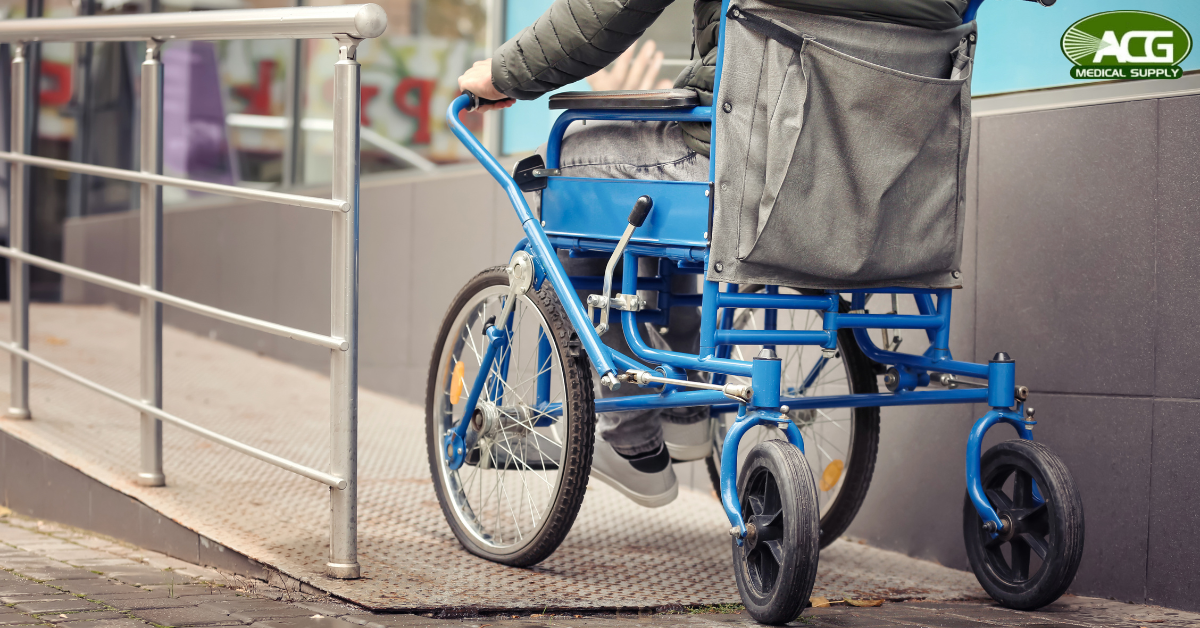
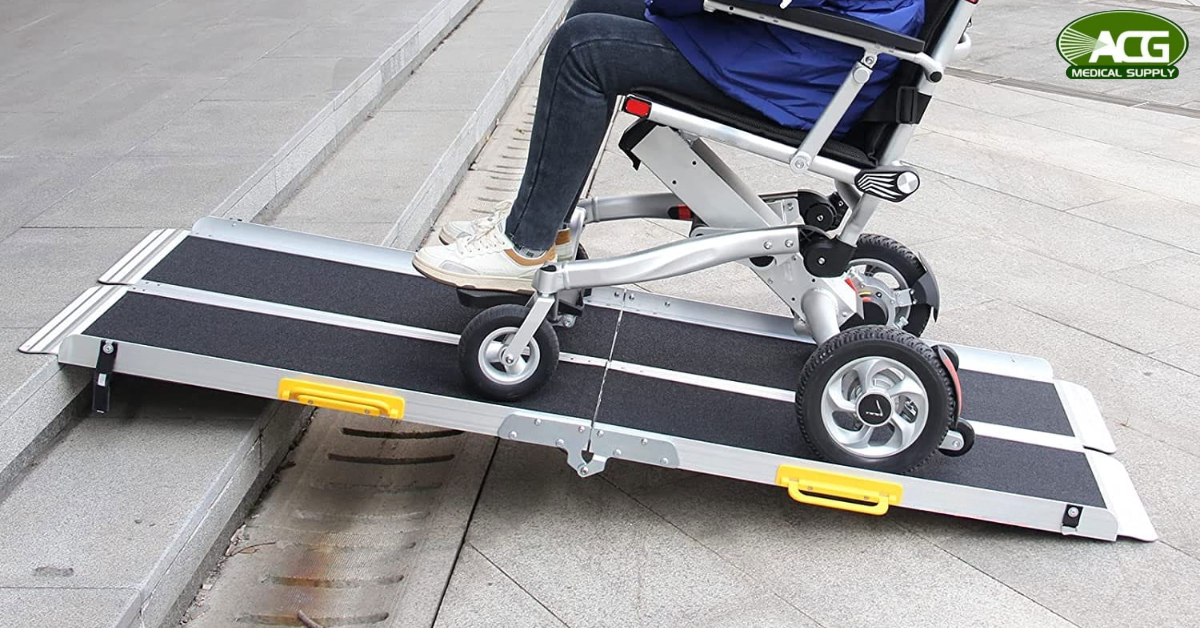
Mobility Scooter and Wheelchair Ramps

How to Choose the Right Size for Mobility Scooter or Wheelchair Ramp

Most people don’t wake up excited about buying a ramp. Usually it goes like this: you’ve got a step or threshold that’s become a problem, you search online, and boom — 47 different ramp options with specifications that might as well be written in another language. Let’s fix that. Here’s what you actually need to know about choosing a mobility scooter or wheelchair ramp.

Start Simple: How to measure rise for a ramp?

Here’s where everyone starts. You need to know the “rise” — that’s just the vertical height from ground to wherever you’re going. A doorway, a porch, the back of your van. Grab a tape measure and measure straight up. That’s it.

Write that number down. Inches. Let’s say… 18 inches. That one little number? Yeah, it basically decides everything else. Doesn’t sound exciting, we know. But honestly, we just can’t skip it; it’s the most important part.

The 1:12 rule (And why it matters)

So once you’ve got your rise, there’s this rule that’s very popular and everyone keeps mentioning: the 1:12 rule. Basically, for every inch of height, you need a foot of ramp. So 18 inches up? That’s an 18-foot ramp. And it meets the ADA ramp slope requirements.

The ADA came up with this standard for a reason. That gentle slope means you’re not fighting gravity the whole way up. It means you can control your speed on the way down. If you’ve ever pushed a wheelchair up something too steep, you get why this matters. 

Now, some people say “but I don’t have 18 feet of space.” Totally fair. If you’ve got a power scooter, you might be able to go a bit steeper. Like 1:10, 1:8 maybe. Shorter ramp, less space used. But then you’re trading off a little safety and control. It’s a balance.

Width: It’s Not Just a Number

The law says 36 inches minimum. That’s the legal baseline. But here’s the thing — when you’re actually using the mobility ramp, you want more breathing room than the bare minimum. A power wheelchair? A scooter with attachments? Aim for 42 to 48 inches if you can swing it.

Why? Because you need room to move safely. If you drift to one side, you need space to adjust. If you turn too quickly, extra width keeps you from feeling cramped. Those extra inches can make the ramp feel a lot safer.

Oh, and don’t forget about what happens at the top and bottom. You need flat landing space on both ends. That’s where you pause, turn, figure out your next move. It sounds obvious, but a lot of people forget this part.

Pick Your Ramp Type

Not all ramps are the same.

Threshold ramps are small. We’re talking 1-2 inches usually, for doorways and sliding glass doors. Rubber or aluminum, lightweight, affordable. If you just need to get over a door lip, grab one of these.

Portable ramps fold up. Seriously useful if you travel or visit places. Not a permanent solution, but they work when you need flexibility.

Modular ramps are a full commitment. Interlocking pieces that snap together. ACG Medical Supply sells these, and they’re solid. You can configure them for corners, different heights, whatever your space throws at you. They look professional. They last.

Materials: What Works and What Doesn’t

This part’s pretty practical. Different materials behave differently, especially outdoors.

MaterialProsConsBest For
AluminumLightweight, rustproof, durableCan get slippery without texture, pricier upfrontOutdoor use, modular systems, portable ramps​
SteelIncredibly strongHeavy, rusts without coatingCommercial or high-traffic permanent installs
WoodLooks natural, can be custom-builtNeeds sealing every year, can warp or splinterCustom residential ramps where appearance matters​
RubberQuiet, grippy, absorbs shockHeavy for its sizeThreshold Ramps, indoor transitions​

Making It Work in Real Life

Okay, real scenario. You measure your porch and it’s 24 inches high. The 1:12 formula says you need 24 feet of ramp. Problem is, you don’t have 24 feet of space. Now what?

Option one: Use a steeper slope if the user has a power scooter. A 1:8 slope cuts that down to 16 feet. Still long, but manageable.​

Option two: go modular with a turn. Instead of one straight shot, ACG Medical Supply and similar providers can design an L-shaped ramp with a landing in the middle. It takes up less linear space and still meets safety standards.​

Or maybe you’re just trying to handle a threshold. In that case, forget the math — grab a 2-inch rubber wedge ramp and call it done. It’s not always complicated.

The key is matching what size ramp for a wheelchair or scooter to the actual user and space. Cookie-cutter advice doesn’t always work.

It Doesn’t Have to Look Bad

Look, there’s a reason people avoid accessibility equipment sometimes. A lot of it looks like it came straight out of a hospital supply catalog from decades ago. That generic institutional vibe nobody asked for.

But that’s changing. Modern aluminum ramps? Clean lines. Look intentional. They blend into a home instead of sticking out. When something looks like it belongs, people feel different about using it. It stops being “the accessibility thing” and becomes just part of your space.

ACG Medical Supply gets this now. Our products meet every technical requirement but don’t scream “medical.”

Conclusion

Get your rise measurement right. Calculate your slope. Pick materials that work where you live. That’s really it. Everything else is just details.

A good ramp means you’re not thinking about logistics when you want to leave your house. You’re just going. That’s the whole point.

FAQs

1. How do I actually measure rise for a ramp?
Measure from ground level straight up to the top of the step or landing. Use inches. That number is your rise.

2. What’s the length I need for a 12-inch rise?
Using 1:12 standard, you’re looking at 12 feet. For a powered scooter at 1:8, you’d get by with 8 feet.

3. Can a ramp elevate home design?
Absolutely. Minimalist aluminum and modular ramps can complement any modern aesthetic.

4. Why does slope matter so much?
Because gravity never negotiates. ADA’s ramp slope requirements keep it in check.

5. Is it possible to use Threshold Ramps indoors?
Yes — they’re perfect for subtle transitions in doorways or uneven flooring.
Lift Chair Recliners

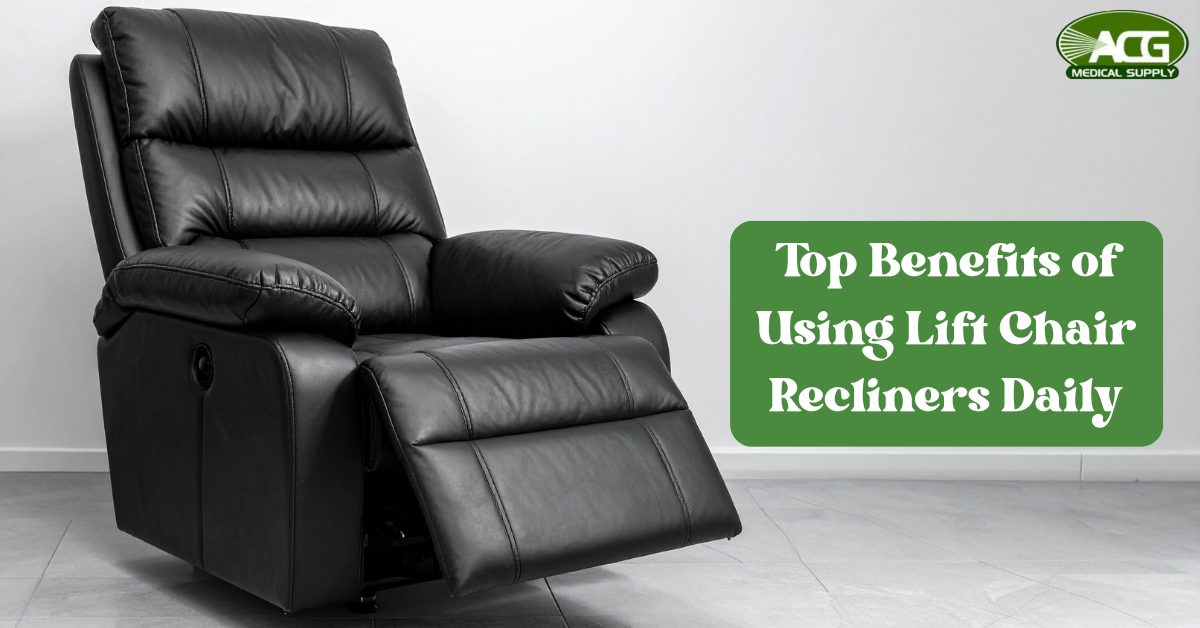
What Are The Benefits of Lift Chair Recliners?

The thing about getting older, or even just getting banged up a bit, is how quickly the simple stuff starts feeling not so simple anymore. Standing up from the living room chair, for instance. It shouldn’t be a project. For the person looking at a menu at ACG Medical Supply, wondering if lift chair recliners are a lifeline or just another piece of furniture, there’s a real conversation to be had. This is about daily life, not just product specs.

When Standing Up Feels Like the Hardest Part of the Day

If you’ve ever seen someone wince as they push up from a chair (the careful grabbing of armrests, the slow unrolling of a stiff back), you know that “relaxing” isn’t always relaxing. Lift chairs don’t just change the view from the window; they change how a person starts in the morning. 

That soft hum as the chair leans forward, helping someone stand without the usual groan or grunt, it’s a small but real revelation.

Some people think these chairs are just oversized recliners. They’re not. They’re safety nets for hips, shoulders,  and knees. There are models like the Pride Mobility lift chairs or the Golden Technologies lift chairs that fit into the corner of an apartment or the center of a living room, and each one is designed to help with mobility. They’re made for people who want to be at home, without “needing help” becoming the daily theme song.

The Ripple Effect of a Power Recliner Chair

The obvious benefit? Not falling. But say that out loud, and it feels flat. The real change is what happens after, the ability to walk across the room, to answer the door, to fix a cup of coffee, without that edge of worry. Power recliner chairs restore these small freedoms, and over time, they add up. Family members also feel less anxious, knowing they don’t have to hover every time an elderly or injured person tries to stand on their own. Making this investment early is a proactive step toward safety, preventing the necessity of the purchase after a serious fall.

And comfort isn’t just plush seats. The LUMEX three-position recliner or the Raizer II by Liftup feature options like heat, massage, and zero-gravity tilt. These aren’t just extras, they’re daily relief for bodies that have forgotten what it feels like to take a day off from all the pain and discomfort. Elevating the legs isn’t a luxury when it helps walk to the mailbox without swelling. That’s the kind of detail that matters.

It’s easy to miss how much pain saps energy, or how much pride people have in doing things for themselves. A lift chair recliner doesn’t make someone young again, but it cuts out a lot of the hassle. You can plan lunch, not just “figure out how to stand up after lunch.”

Why Choose ACG Medical Supply

At ACG Medical Supply, the focus is on quality, variety, and customer support. Their collection of lift chair recliners ensures that every individual finds a chair that meets their unique requirements. From daily comfort to medical recovery, their range supports a wide spectrum of users.

Real-Life Benefits, At a Glance

Here’s a quick chart showing what these chairs can do—no fluff, just stuff that matters:

FeatureWhat It Means
Lift MechanismStand up without a struggle or worry
Recline OptionsWatch TV, nap, or read, all with spine support
Heat & MassageSoothing relief for stiff muscles and sore joints
Leg ElevationReduces swelling, helps with circulation
Battery BackupPower goes out, but safety doesn’t
Compact DesignFits in small spaces, even apartments

Conclusion

There’s no magic here—just smart design and a little empathy. Lift chair recliners aren’t about surrendering independence; they’re about safeguarding it.

For anyone tired of trading comfort for safety, or dignity for help, these chairs make a case for a different kind of life at home. Not perfect, but definitely easier. And isn’t that what good tools do? They make the hard parts simpler, so you can focus on living, not just getting by.

FAQs

Who actually needs one of these?
If getting up from a chair is painful, scary, or just plain exhausting, it’s worth looking at. That goes for both older adults and anyone healing from surgery or dealing with chronic pain.

Will it look like a hospital chair?
No. Lift chairs come in styles that look at home in any living room—some even have cup holders and USB ports. Style matters, especially when you’re hosting family.

Are they complicated to use?
They’re designed for people who want simplicity. Most remotes have big, easy-to-press buttons. If you can work a TV remote, you’ve got this.

What’s the difference between two- and three-position chairs?
Two-position chairs are fine for sitting and relaxing. Three-position models, like the LUMEX three-position recliner, let you lie almost flat—better for napping or serious leg elevation.

Will insurance help pay for it?
Sometimes, yes. Some models qualify as medical equipment. It never hurts to ask the folks at ACG Medical Supply about coverage.

Leg Braces

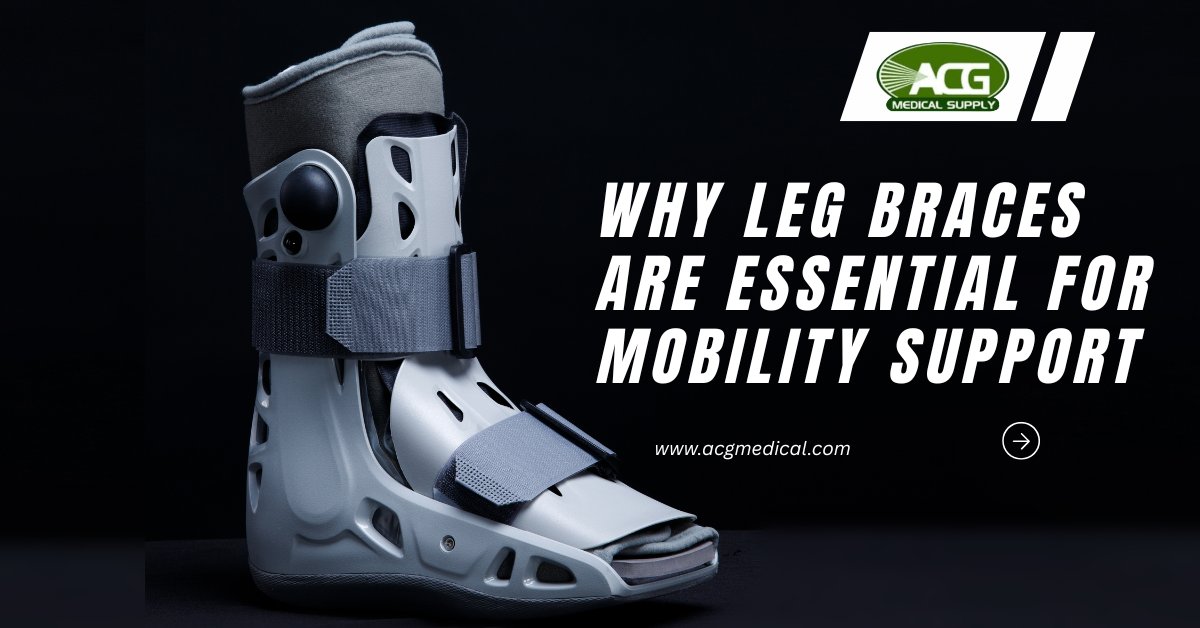
Why Leg Braces Are Essential for Mobility Support

Mobility is one of those precious assets we barely acknowledge until it vanishes. Think about it: a quick, dumb twist playing pickup basketball, and all of a sudden you are miserably hobbling around, every move a painful negotiation with the floor. Worse still, maybe it’s the slow, sneaky progression of arthritis, making the simple act of climbing stairs feel like summiting a mountain every single morning. That is the moment when the concept of Leg Braces shifts entirely, they’re no longer abstract “medical gear,” they become this tangible promise, a tool that might just hand you a meaningful piece of your normal life back.

Now, let’s be totally clear: today’s Leg Braces are nothing like the rigid, clunky, terrible contraptions of the past. These new designs? They’re lighter, unbelievably smarter, and genuinely comfortable enough to wear all day long. They do way more than just immobilize you; these accessories are engineered to actively facilitate movement, dial back the nagging pain, and restore the critical ingredient: confidence. Millions rely on them daily, and their use case has expanded far beyond just injury recovery. This is about maintaining activity, preserving independence, and simply refusing to let some issue slow your stride down more than absolutely necessary.

The Purpose of Braces and Support

Orthopedic braces are there to give your joints and muscles a bit of backup. They come in all kinds of shapes and sizes, each made for a different reason or for a different body part, but the main idea is always the same… keep things stable, protect what needs it, and make movement a little easier.

Essentially, they do three main things really well:

  • They keep the joint perfectly steady, preventing accidental movements that could re-injure the area.
  • They redistribute weight and intense pressure away from sore or healing spots, minimizing pain.
  • They give you back confidence, allowing you to move without the constant fear of instability.

This added stability and confidence? Honestly, it changes everything.

Here’s a quick rundown of the main types:

Type of BracePrimary Support AreaKey Benefit
Knee BracesKnee jointStability and pain relief
Ankle BracesAnklePrevents sprains, aids healing
Full-leg BracesEntire legComprehensive support post-injury
Walker SystemsFoot & ankleReduces weight-bearing stress

How Leg Braces Improve Quality of Life

Using a leg brace isn’t just about recovery; it’s about regaining freedom. A well-fitted brace can:

  • Reduce pain during movement
  • Prevent injuries from getting worse
  • Improve posture and alignment
  • Help the body heal properly
  • Boost confidence when walking or standing

For someone who enjoys staying active, extra leg support or braces ensure that recovery doesn’t mean giving up movement. For others managing chronic conditions, they provide long-term relief and reassurance.

What Makes a Great Leg Brace And Why Choose ACG Medical Supply

Finding a leg brace that actually works can be tricky—there are so many out there, and not all of them feel right. A good one supports you without getting in the way, feels comfortable even if you wear it all day, and just… makes moving around easier. Some are heavy-duty and sturdy, others are light and barely noticeable. The key is finding the one that actually fits you and your life.

Sounds confusing? Don’t worry, at ACG Medical Supply we offer a wide selection, clear guidance, and quality products. The team at ACG Medical Supply is dedicated to helping you find the right fit—literally. Sometimes, you’ll need a prescription from your doctor, especially for more specialized braces and support items; don’t worry, they make it easy to send that in if needed.

Conclusion

Mobility shouldn’t be limited by pain, injury, or recovery. With the right brace, people can continue living their lives with fewer restrictions. From knee braces to advanced walking aids like the Aircast XP Diabetic Walker System, modern designs are all about blending protection with comfort. And with trusted providers like ACG Medical Supply, users can feel confident knowing they’re choosing braces that truly support their lifestyle.

FAQ’s

Do I need a prescription for a brace?
Sometimes, yes. For basic stuff, you can usually order online. For medical-grade or advanced supports, a doctor’s note helps. ACG Medical Supply can guide you through this.

How do I know what size to get?
They have guides and customer service to help. It’s usually best to measure carefully—fit matters.

Are braces comfortable to wear every day?
Most modern ones are light and breathable, but it depends on the type. There’s a variety, so if one doesn’t feel right, there’s probably another option.

Can kids use these?
Absolutely. There are sizes and styles for all ages and needs.

How to clean a brace?
The easiest way to clean your brace is by hand, using mild soap and lukewarm water. Rinse it gently and don’t twist or wring it, so it stays in good shape.

Walker and Rollator Safety Checks

Why Regular Walker and Rollator Safety Checks Matter for Seniors

Mobility really is freedom. For so many older adults, that freedom doesn’t come from something fancy; it’s often just a simple walker or rollator. These sturdy aids carry a lot of responsibility, giving seniors the confidence to stay independent. But here’s the part that slips under the radar for a lot of families: even the toughest mobility aid isn’t built to run forever without care. They need a little routine attention if they’re going to stay safe and reliable.

Why routine safety checks matter

The truth is, walkers and rollators take a beating. They go over curbs, bump down cluttered hallways, and sometimes get dragged across damp sidewalks. Bit by bit, certain elements of the walker or rollator start to wear down. For example, wheels lose their smooth roll, bolts get a little loose, and brakes don’t feel as sharp. And you don’t need a big failure for trouble—sometimes it’s just one wobbly wheel, and suddenly that quick walk to the kitchen turns into a scary slip or even a fall. If you catch those little issues early, before a wheel sticks or a cable gives out, you can avoid a lot of that risk.

And here’s the best news for North Texans: Visit ACG Medical Supply—any one of its three showrooms in Plano, Rowlett, or Bedford—and you’ll get free safety checks on walkers and rollators, mobility scooters (mobility devices) by certified technicians. That’s a zero-cost safety net.

How a pro checks your walker or rollator

A thorough inspection takes less than ten minutes and targets the five parts most likely to fail:

CheckpointWhat the tech looks forWhy it matters
Wheels & tiresFlat spots, wobble, debrisSmooth rolling prevents stumbles
Brakes & cablesPad wear, cable tensionReliable stops on inclines
Frame & jointsCracks, bent tubingStructural strength
Handles & gripsLooseness, torn rubberSteady handhold and posture
Seat & basket (rollators)Tears, loose boltsSafe resting spot & storage


Technicians tighten hardware, adjust brake tension, and recommend replacements when parts are past their prime. Many fixes happen on the spot.

Quick DIY checklist between pro visits

Seniors and caregivers can keep problems from snowballing with a once-a-week glance:

  • Wipe the frame with mild soap and water—grit shortens the life of moving parts.
  • Spin each wheel; it should turn freely and silently.
  • Squeeze the brake levers. They should lock the wheels without pulling to one side.
  • Check rubber tips or tires for cracks.
  • Make sure handles sit at wrist height when the user stands tall—no hunching.

If anything feels off, book the showroom for help or search for ‘free walker safety check near me’ to find community clinics. Simple steps like these mean seniors can use their aid with confidence instead of hesitation.

Senior mobility aid maintenance guide—How often?

  • Daily: Quick visual once-over before leaving home.
  • Weekly: Full DIY checklist above.
  • Every 3–6 months: Professional tune-up (or sooner after a fall or trip).
  • Immediately: After exposure to rain or extreme heat, dry it and check the brakes.

Spot-on brake care

Rollator stoppers are lifesavers on ramps. Keep them crisp with these rollator brake inspection tips:

  1. Test on a gentle slope. Levers should halt motion without max hand strength.
  2. Inspect cables for frays. Replace if any wire strands show.
  3. Lightly lubricate pivot points, never the pads.
  4. If wheels still creep, a tech at ACG Medical can adjust tension in minutes.

Conclusion

A walker or rollator is tough, and they are built to last, but like anything that’s used every day, they also need a little care. A quick look over at home—or even better, a check by a professional, can be the difference between something that’s perfectly safe to use and something that could put someone at risk.

Thanks to ACG Medical Supply, seniors in North Texas can get free safety checks on walkers and rollators at any of the three showroom locations. That small step means fewer falls, greater confidence, and the kind of independence that every senior deserves.

Because when mobility is safe, freedom follows.

FAQs:

How often should I book a professional safety check?
Every six months – or sooner if you hear grinding, feel a wobble, or notice brake slippage.

Can I adjust rollator brakes myself?
Yes, minor tweaks are doable, but over-tightening can ruin cables. If in doubt, let a tech handle it, ACG’s checks are free.

What’s the lifespan of a walker?
Walker frames can last for years, but tips, wheels, and grips often need swapping annually, depending on mileage and terrain.

Does insurance cover maintenance?
Health plans rarely pay for upkeep, but the no-cost service at ACG removes that hurdle entirely.

Do safety checks include scooters?
Absolutely. ACG’s teams also look over batteries, tires, and throttles on mobility scooters during the same visit.

Mobility Scooter

Checklist for Finding Reliable Mobility Scooter Providers Near Me

Finding a reliable mobility scooter provider isn’t always about star ratings or the flashiest ads. It’s about trust, guidance, and support that lasts long after the purchase. 

This blog isn’t about the usual “top 5 reasons” list. It’s about what to look for, the red flags to avoid, and why choosing the right provider can be the difference between a scooter that collects dust and one that truly brings back your freedom.

Reputation and Customer Feedback

Yes, star ratings are useful, but the real insights come from reviews and feedback. Do customers praise delivery and service? Are complaints resolved quickly or ignored? Repeat customers are usually a strong indicator of trustworthiness.

Pro tip: Search their name in community forums or local Facebook groups for honest, unfiltered feedback.

Look Beyond the Price Tag

It’s tempting to focus on numbers, especially when mobility scooters can range widely in cost. But here’s something people often realize too late: the cheapest option upfront may not be the cheapest in the long run. Imagine getting a scooter that fits your budget today, only to have it break down after six months with no support in sight. Suddenly, those “savings” don’t feel like savings anymore.

A reliable provider won’t just throw you the lowest (or highest) price. They’ll help you weigh cost against durability, comfort, long-term value, and most importantly, your needs. For a reliable provider, it’s not about making a sale; it’s about making sure the scooter meets your needs and becomes a part of your life for years, not months.

Pay Attention to the Support

Here’s a little secret: anyone can sell you a scooter, but not everyone will stand by you after the sale. What happens when the battery gives you trouble? Or when you’re not sure how to get it serviced?

This is exactly when having the right provider matters most. Reliable providers either have in-house technicians or trusted service partners, and they don’t leave you waiting weeks for repairs. Stocked parts for your exact model ensure faster turnaround and peace of mind.

Watch for Genuine Care

A reliable provider shows it in more than just their showroom—they show it in how they treat you. Do they take the time to listen? Ask about your daily routines, comfort, and real needs? Or are they simply steering you toward the “best-seller” because it’s convenient for them?

Trust your gut here. The right provider acts like a partner, not just a salesperson. They’ll share in your excitement when you find the scooter that fits, because they understand what it really means: you’re getting a tool that makes moving through life easier.

Quick Tips for Choosing a Mobility Scooter Provider

TipWhy It Helps
Visit the Store in PersonSee the scooters up close and test comfort
Ask About Service OptionsEnsures repairs and maintenance are easy
Check for Spare PartsAvoid long wait times if something breaks
Look for Personalized AdviceEnsures the scooter fits your lifestyle
Consider AccessoriesSmall additions improve safety and comfort

Why Choose ACG Medical Supply?

We’re known at ACG Medical Supply for selling trustworthy, top-notch items that make a difference. Just like our other products, our selection of electric mobility scooters has options to meet a wide range of needs, whether you need a 3-wheel electric scooter or a foldable mobility scooter. We make sure you get a mobility scooter and mobility scooter accessories that work for you. And our team of experts is always available to help you find the right scooter.

Finding ACG Medical Supply is easy, with welcoming locations across Texas:

Conclusion

When it comes to owning a mobility scooter, you’re not just getting a helpful tool – you’re gaining a ticket to more independence! It’s your key to cruising around town, meeting up with pals, and embracing your independence with a smile. A great provider gets this wholeheartedly. They won’t just hand you any scooter; they’ll match you with one that fits your lifestyle.

FAQs

Q: Can I try a mobility scooter before buying?
Yeah, you really should. Taking a mobility scooter for a test ride is the only way to know if it actually works for you.

Q: How many times should I get my scooter checked out?
Once a year is usually enough. If you use it a lot, then a bit more often, just to be safe.

Q: Are foldable scooters strong enough for daily use?
Yep. They’re designed to handle daily use and still fold up easily when you need to take them outside.

Q: Do accessories actually help?
Oh, for sure. Things like mobility scooter baskets, cup holders, or a little extra padding can make your ride way more comfortable and safer.

Q: What is the most important quality to look for in a scooter provider?
Honestly? Someone who actually listens. If they get what you need, everything else—warranty, service, advice—usually falls into place.

Stair Lifts

Home Stair Lifts Installation and Service: A Simple Guide

Stairs are just stairs, until they aren’t. For many people, stairs start to feel like something that’s more of a barrier than a way through. Suddenly, stairs stand between them and their own bedroom, or the backyard they used to love hanging out in. Every step starts to feel like a battle, which is part worry, part pride, part pure exhaustion. 

But there are simple solutions like stair lifts that can make all of that go away (without taking away your independence). A stair lift can greatly improve the quality of life. And this guide breaks it all down clearly, without fluff or false promises. Whether you’re buying for yourself, a parent, or a client, here’s what truly matters.

Stair Lifts: Why They’re More Than a Machine

It’s easy to think of stair lifts as just motorized chairs. But ask anyone who’s had one installed, and they’ll tell you it’s something else entirely: it’s relief.

A stair lift restores your control. The user doesn’t need to wait for assistance. They don’t need to cling to railings or count steps. They sit, press a button, and move safely. That’s dignity.

And what’s even better is that stair lifts today aren’t what they used to be. Take the Pinnacle Stair Lift SL300; it’s not big or bulky. It’s slim, quiet, and folds up nicely, so it stays out of the way. And because it runs on a low-maintenance drive, you don’t have to think about it much. It just works—day in, day out—giving you one less thing to worry about.

If you have steps outside, then the Harmar Outdoor Stair Lift is made for that. It can handle any weather, be it rain, heat, or wind, without slowing down, so getting to your porch or backyard isn’t a hassle anymore. And if someone needs a bit more support, the Harmar Pinnacle Heavy Duty Stair Lift is up for the job. It’s strong and steady, but still comfortable.

So yes, a stair lift is a machine, but the freedom it offers is deeply personal.

What the Installation Really Looks Like

If you’ve been picturing drills, drywall damage, and a week of noise—forget that. Installing a stair lift is surprisingly clean and fast.

Here’s how it usually works:

  1. Evaluation: A professional from ACG Medical Supply visits the home. They take measurements, look at the stair structure, and check clearances.
  2. Model Selection: Straight stairs? Curved? Outdoor? ACG helps match the right model to the user’s mobility needs and home layout.
  3. Mounting the Rail: Contrary to what most think, the rail mounts to the steps, not the wall. No hammering into plaster or tiles.
  4. Install Day: For straight lifts, the setup takes a few hours. Curved installations take longer since the rail is custom.
  5. Training: The installer shows you how to use the lift, test controls, and charge the battery. It’s all simple stuff—no manual memorization required.

And if you’re wondering whether the work that gets done is reversible, then yes, it is. If down the line you don’t need the lift anymore, it can be removed without leaving your staircase in ruins.

Stair Lift Quick Facts

WhatWhy It MattersHow It Helps
Fast InstallationNo wall drilling neededClean setup, done in a day
Compact DesignFolds away when not in useKeeps the stairs open for others
Keeps the stairs open for othersSimple buttons or a remoteNo learning curve
Weather-Ready OptionOutdoor models availableAccess the backyard or porch easily
Regular ServiceQuick checkups & tune-upsLong-lasting, worry-free use

Servicing Your Stair Lift Without Headaches

Here’s the truth—stair lifts are dependable, but they’re still machines. And like all machines, they run better with a little care.

ACG Medical Supply offers regular servicing, which keeps the system working safely and quietly. No sudden lurches. No surprises when you need it most.

A typical service appointment includes:

  • Checking and replacing the battery if it’s ruined 
  • Lubricating the rail and gears
  • Testing the motor and remote
  • Making sure all safety sensors respond properly

Why ACG Medical Supply Is the Name You Should Know

There are stair lift retailers, and then there’s ACG Medical Supply. We aren’t just another equipment vendor. We’re known for providing premium stair lifts for home use, yes, but it’s our people-first mindset that sets them apart.

We don’t push what’s expensive. We only recommend what’s appropriate, whether it’s straight or curved, compact or heavy-duty. ACG focuses on real-life use, not showrooms.

We also carry reliable brands like Harmar Stair Lifts, and we’re there for you long after the install. 

Conclusion

Stair lifts make a person’s life really easy, it’s as simple as that, they help people who have trouble walking up the stairs move freely and stay safe and feel more at home. And when you get a stair lift from ACG Medical Supply, the whole process is simple and stress-free.

FAQs

1. Can more than one person in the home use the same lift?
For sure. As long as each person can sit comfortably and safely, and the user’s weight is within the lift’s limit.

2. Will my home be too small or narrow to get a stair lift installed?
It’s highly unlikely. Many models, including the SL300, are built for narrow staircases and fold neatly when not in use.

3. How much does one usually cost?
It depends. Straight stair lifts start at lower ranges, while curved or outdoor models cost more due to customization. ACG Medical Supply provides honest quotes tailored to your setup.

4. Is the installation process of a stair lift noisy or messy?
Nope. It’s a fairly clean process, it usually gets done in one day, and there’s also no need to drill into walls or tear up floors.

5. Will it work during a power outage?
Absolutely. Most units come with backup batteries that charge automatically.

Mobility Ramps

5 Ways Mobility Ramps Enhance Daily Life

Have you ever tried watching someone navigate a small step with a walker or a wheelchair? It’s a really tough sight. A simple bump in the floor or a high door threshold can be a massive obstacle for individuals who rely on wheelchairs and walkers. But guess what? There’s a super simple solution that can truly change everything: Mobility Ramps.

Most of our homes weren’t exactly built with wheelchairs or scooters in mind. But the good news is you don’t have to do a full-blown remodel to make your home easier and safer for everyone. Sometimes, a well-placed ramp can change the game entirely.

In this blog, we’ll explore five practical ways Mobility Ramps make life easier and a whole lot better. If you’re thinking about buying one (or still unsure if mobility is even necessary), read on. 

1. Easy Access to Every Corner of Your Home

What if you don’t have to strategize how to get over that pesky threshold every time you want to go outside? It sounds liberating, right? That’s exactly what Threshold Ramps bring to the table – or, well, to your doorstep! Ramps remove those small obstacles that can make moving around the house feel like a chore for people with mobility issues. 

Just think about it: a small lip at the bathroom door, a step down into the garage, or even just getting onto the porch, each one is a mini-challenge of its own. But with a well-placed mobility ramp, these obstacles become complete non-issues. 

What’s great is that ramps today are super versatile:

  • Portable models you can move around
  • Folding designs for space-saving
  • Heavy-duty options for outdoor or garage areas

And if you’re shopping with ACG Medical Supply, we’ve got a wide selection to choose from, all suited to different needs and homes.

2. More Independence, Less Asking for Help

One of the most meaningful, as well as overlooked, benefits of installing even a basic wheelchair ramp in your home is the increased self-assurance it brings.

When you have a mobility ramp installed, you (or your family member with mobility problems) can head right out the door without getting stuck at the threshold and head into the backyard, all without needing any help from another person. And honestly, that kind of autonomy is completely priceless.

At ACG Medical Supply, we’ve seen firsthand how installing even a single ramp can change a person’s entire outlook. It’s not just hardware, it’s hope and empowerment and dignity all wrapped in a sturdy mobility ramp.

3. Safer Movement for Everyone (Not Just for Wheelchair Users)

Let’s help you break a common myth here: mobility ramps are not just for wheelchair users. Honestly, anyone in the house can benefit from a stable, slip-resistant surface, especially when it’s rainy or icy outside. Think about it, if you have older parents, someone recovering from surgery, a pregnant partner, little kids running around… and a family dog, they all can move around more safely when there’s a ramp in place.

Key safety benefits:

  • Reduced risk of falls
  • A mobility ramp provides a stable and even surface for movement
  • Ideal for both temporary and permanent needs

If you’re someone who values security at home (and who doesn’t?), a Mobility Scooter Ramp might be the solution you didn’t know you needed all along.

4. Makes Transport In and Out of Vehicles Easier

Getting a wheelchair or scooter into a car is not exactly a graceful moment. You’re lifting, twisting, possibly sweating, and doing your best not to dent the bumper (or throw out your back while lifting the wheelchair). 

With Power Scooter Lifts and Vehicle Mobility Lifts, you don’t have to wear yourself out anymore. You just pull up to the car, push a couple of buttons, and let the lift do the heavy stuff. Seriously, it takes a load off—literally.

With the help of mobility lifts, getting a wheelchair into the car isn’t this big, exhausting task anymore. It’s faster, way less stressful, and honestly, your back will thank you. Once you’ve done it this way, going back to lifting by hand just won’t make sense.

5. They’re Safer Than Carrying Someone

This one might sound obvious, but it’s worth saying.

Trying to carry someone upstairs or over thresholds is risky for both of you. It’s how back injuries happen. It’s how major accidents happen. A ramp provides a safe and sturdy solution for everyone involved.

Especially for caregivers, having a proper ramp removes the pressure of physically lifting or straining. And if you’re thinking long-term (perhaps looking into Mobility Scooter and Wheelchair Ramps), know that you’re not just adding safety to your home, you are adding ease to someone’s daily life.

Conclusion

Honestly, home should be the one place where you don’t have to think twice about moving around and getting from one place to another. If a mobility ramp can help make life a little easier or take some stress off your shoulders, it makes complete sense. 

It’s not necessarily a big thing, but it feels big when it gives a person back their independence. That kind of change is completely worth it.

FAQs

Q1: Can I set up a mobility ramp all by myself?
Small mobility ramps are easy to install, but with larger ones, you may need professional help.

Q2: Are ramps only for wheelchairs?
Not at all. They’re great for walkers, strollers, or anyone needing steady access.

Q3: What’s the difference between home and car ramps?
Home ramps help with steps and thresholds. Car ramps assist with loading into vehicles.

Q4: Do I really need a lift if I have a ramp?
Not always. But Power Wheelchair Lifts or Power Scooter Lifts can make transport easier.

Q5: Where should I buy a ramp?
You’ll find safe and trusted options at ACG Medical Supply.

Diabetic Supplies and Equipment

Must Have Diabetic Supplies: A Complete Guide

Living with diabetes isn’t a one-size-fits-all experience. Some days feel smooth, others, well, not so much. But one thing’s for sure, having the right tools at your side can make every day a little easier. Whether it’s that moment when you realize your glucose monitor needs new batteries right before dinner, or you’re scrambling to find your test strips before a morning meeting, we’ve all been there.

That’s why building a reliable set of diabetic supplies and equipment isn’t just helpful, it’s essential. It’s about peace of mind, staying ahead of the curve, and making your health journey a little less stressful and a lot more empowered. And guess what? It doesn’t have to be complicated or overwhelming. With a few thoughtful choices and a little organization, you can create a daily routine that works with you, not against you.

In this guide, we’ll walk you through the must-haves and where you can find trusted supplies—like at ACG Medical Supply. Let’s make managing diabetes feel a little less clinical, and a lot more human.

Why Having the Right Diabetic Supplies Matters

Managing diabetes isn’t just about numbers, it’s about living well. When you have the right tools by your side, you’re not just checking blood sugar or taking insulin. You’re empowering yourself to prevent complications, stay active, and enjoy your life with confidence.

Just imagine waking up knowing you’ve got everything in place and your Blood Glucose Monitor is ready, your insulin is chilled in your Medicool Diabetic Insulin Case, and Your favorite snacks are packed for any drops in sugar levels. It’s peace of mind, and that matters.

Essential Diabetic Supplies You Should Always Have

Here’s a closer look at the must-haves for every diabetic:

1. Blood Glucose Monitor

Your go-to gadget for daily checks. It helps you understand how your body responds to food, stress, and medication. Some models come with Bluetooth features to sync data with your phone, pretty handy, right?

2. Blood Glucose Test Strips

You can’t check your sugar without these tiny heroes. Always keep extras in your diabetic travel organizer, especially if you’re on the go.

3. Medicool Diabetic Insulin Case

If you’re insulin-dependent, this case is a lifesaver. It keeps insulin cool and safe while you’re out and about without needing a fridge. It’s compact, discreet, and perfect for travel.

4. Diabetic KNEE HI Socks

Yep, socks matter! These are specially designed to improve circulation and reduce pressure on your feet. They help prevent blisters and irritation, something every diabetic wants to avoid.

5. Diabetic Organizers

Staying organized is key. These handy pouches or kits help you keep everything in one place, your strips, lancets, pen needles, and even glucose tablets. They’re perfect for daily routines or spontaneous weekend getaways.

Take It On the Road: Diabetic Travel Must-Haves

Traveling with diabetes? You absolutely can—and should! All it takes is some smart packing. Here’s what to toss into your diabetic supplies kit:

  • Extra insulin pens or vials
  • Your Medicool Diabetic Insulin Case
  • Blood Glucose Test Strips (more than you think you’ll need)
  • Snacks and glucose tablets for sugar dips
  • Spare Diabetic KNEE HI Socks for long flights or walks
  • Copy of your prescriptions and emergency contacts

Travel can get unpredictable, but when you’re prepared, it feels like smooth sailing.

Why Choose ACG Medical Supply?

At ACG Medical Supply, it’s more than just products—it’s people who care. Our wide range of diabetic supplies and equipment is thoughtfully selected to meet real-life needs. You’ll find everything from the basics to the little comforts that make life easier.

  • Easy online ordering
  • Quality customer support
  • Trusted by families, caregivers, and professionals

Conclusion

Managing diabetes isn’t always easy but it doesn’t have to be overwhelming. With the right supplies, some thoughtful planning, and a little help from reliable names like ACG Medical Supply, you’re already one step ahead.

Take it day by day. Celebrate the small wins. And don’t forget: every tool in your kit is there to help you thrive.

FAQs

Q1. How often should I check my blood sugar?

It depends on your doctor’s advice, but many people check 2–4 times a day, especially before meals and bedtime.

Q2. Can I bring my diabetic supplies on a plane?

Absolutely. TSA allows diabetic supplies in carry-ons, but a Diabetic Travel Organizer makes things even smoother.

Q3. How do I store insulin when traveling?

Use a cooling case like the Medicool Diabetic Insulin Case to keep insulin safe and effective.

Q4. What’s the benefit of using diabetic socks?

They improve comfort, reduce swelling, and support foot health—all crucial for those managing diabetes.

Q5.Where can I buy all these supplies?  You’ll find them all in one place at ACG Medical Supply, your trusted source for top-quality Diabetic Supplies and Equipment.

Bed and Body Wedges

7 Ways Bed and Body Wedges Boost Comfort and Circulation

If you’ve ever struggled to find that “just right” position in bed, you’re not alone. A sore back, swollen legs, or even just trouble breathing at night can turn rest into a real struggle and that affects more than just your sleep. But what if a simple support pillow could change all that? Say hello to bed and body wedges, your new best friend for better sleep and better health.

At ACG Medical Supply, people just like you are finding real relief with these helpful cushions. So, let’s take a look at how these wedges work their magic and why so many people are turning to them for everyday relief.

1. Elevates for Better Blood Flow

Ever had that pins-and-needles feeling after sitting too long? That’s poor circulation kicking in. Using a leg elevation wedge for swelling relief helps reduce fluid build-up in your lower limbs, when your legs are gently raised above heart level, gravity steps in to help your veins move blood back up.

This is especially helpful for people with varicose veins, post-surgery patients, pregnant women, and anyone who spends long hours on their feet.

By simply propping up your legs with a wedge, you’re giving your circulation a much-needed boost and making life a little more comfortable.

2. Supports a Restful Night’s Sleep

We all crave that deep, uninterrupted sleep, the kind that leaves you feeling refreshed. But snoring, acid reflux, and sinus congestion often get in the way. A comfortable wedge pillow for breathing keeps your upper body elevated, making it easier for air to flow in and out.

It’s like giving your lungs extra room to breathe. And that makes a world of difference for anyone dealing with sleep apnea, post-nasal drip, GERD, or allergies.

You can rest easy, knowing you’ve got the support you need—literally.

3. Eases Pressure on Joints and Muscles

Lying flat on your back can put pressure on your lower spine, hips, and knees and cause discomfort. That’s where a memory foam body positioner wedge really comes in handy. It gently conforms to your body shape, supporting the natural curves of your spine and reducing the tension on joints.

You can place it under your knees, back, or sides, and it will help distribute weight evenly and take the strain off areas that often ache.

4. Ideal for Post-Surgery Recovery

If you are recovering from surgery or an injury, then a wedge pillow can be your best friend. It helps keep your body in the right position (whether it’s your legs, back, or upper body) so you can heal faster without fidgeting all night.

A multi‑purpose medical wedge cushion is designed for this very reason. Doctors often recommend them after hip or knee surgeries, C-sections, back operations, and cosmetic procedures.

These multi-purpose wedges are simple, non-invasive, and offer steady support that helps you rest and recover without discomfort.

5. Improves Breathing and Reduces Congestion

Breathing should be easy, right? But if you’re dealing with asthma, colds, or even just seasonal allergies, lying flat can make things worse.

An elevating pillow for the head and upper body helps you find some relief and improves breathing. It tilts your torso slightly, keeping nasal passages clearer and lungs more open. 

With the help of these wedges you’ll be able to breathe easier and sleep better, with no extra medication or gadgets required.

6. Encourages Healthy Posture

Think of your spine like a Jenga tower, it only works when everything’s stacked just right. Slouching or lying awkwardly can mess with your alignment, leading to stiffness and fatigue.

With bed and body wedges, you can train your body to sit, lie, and rest in healthier positions. The right wedge helps you stay upright and aligned, whether you’re reading, watching TV, or working from bed. 

Small change. Big difference.

7. A Versatile Tool for the Whole Family

What’s better than a one-trick pony? A wedge pillow that works for everyone! These handy cushions aren’t just for seniors or people recovering from surgery. Kids with colds, moms-to-be, tired dads, and even your snoring partner can all find a little relief.

A medical bed wedge for circulation is one of those things you’ll wonder how you lived without. And with options like memory foam, breathable covers, and compact sizes, you can even travel with them.

Conclusion

Sometimes, small changes bring big comfort. Bed and body wedges offer simple, effective support for better sleep, circulation, and pressure relief. With trusted options from ACG Medical Supply, finding your perfect fit has never been easier.

FAQs

Q1: Can bed wedges help with snoring?
Yes! A wedge that raises your upper body can reduce snoring by improving airflow and keeping airways open.

Q2: Are these wedges suitable for pregnancy?
Absolutely. Wedges can support the belly, back, or legs, making sleep more comfortable during pregnancy.

Q3: Can kids use wedge pillows too?
Yes! Wedges can help kids sleep better when they’re congested or need a little extra lift—just pick the right size.

Q4: How do I clean my wedge pillow?
Most come with a removable, washable cover. Check product details for specific care instructions.

Q5: How long will the wedge pillow last?
With proper care, high-quality foam wedges can last for several years without losing shape.

Respiratory Therapy Equipment

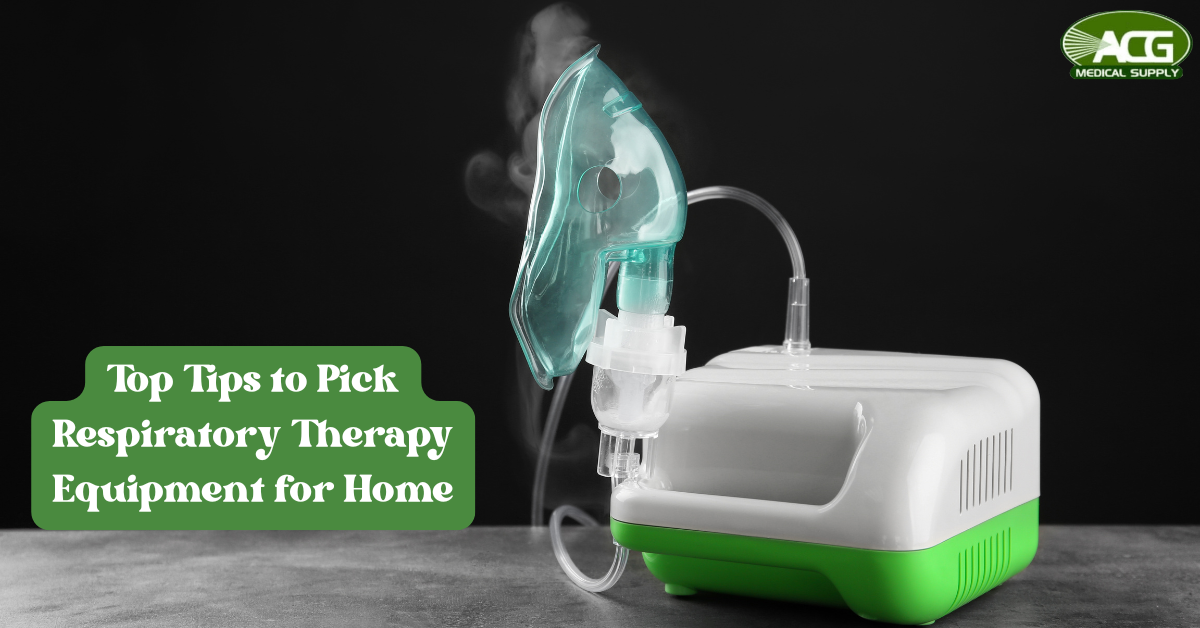
Top Tips to Pick Respiratory Therapy Equipment for Home

Breathing, something we do without thinking, yet it’s the one thing we cannot live without. For those who struggle with respiratory issues, every breath can be a challenge. If you or a loved one need help with breathing, having respiratory therapy equipment at home can feel like a small but powerful step toward comfort and independence. 

But here’s the tricky part: choosing the right equipment for home use can feel like navigating a maze of unfamiliar terms, machines with blinking lights, and way too many options. But, you don’t have to figure it out alone.

If you’re looking for a nebulizer kit for your child, exploring home oxygen therapy for an older family member, or trying to find the right CPAP masks and machines, we’ve broken it all down, simply, honestly, and with heart.

Let’s get you started on the path to breathing easier.

Why Bringing Respiratory Therapy Home Makes Sense

It’s easy to forget how vital breathing is, until it starts to feel like a battle. That’s when tools like a Nebulizer Kit or CPAP masks and machines turn into real game-changers. These devices don’t just help with breathing; they can boost your energy, help you sleep better, and even keep hospital visits to a minimum.

Think about it this way:

  • Better airflow and oxygen means you can do more of what you love.
  • Medications get to your lungs quicker with Aerosol Therapy.
  • You gain control over your health, right in your own living room.

With trusted providers like ACG Medical Supply, quality equipment is just a few clicks away, making home oxygen therapy and other treatments simpler than ever.

What Equipment Does What

Here’s a friendly guide to the main players in home respiratory care:

  • Nebulizer Kits: Turn liquid meds into a gentle mist so they go straight to your lungs. Great for quick relief in asthma or COPD.
  • CPAP Masks and Machines: Keep your airways open while you snooze. If snoring or sleep apnea is your issue, these are lifesavers.
  • Home Oxygen Therapy Devices: For those who need extra oxygen, portable concentrators or tanks can help keep energy up during the day.
  • Suction Therapy Equipment: Helps remove mucus if coughing isn’t enough, making breathing clearer and easier.

Often, people use a combo of these to feel their best.

How to Nail Your Choice: 5 Smart Tips

Choosing Respiratory Therapy Equipment isn’t a one-size-fits-all deal. Here’s how to get it right:

1. Start with Your Doctor’s Advice

Your healthcare provider knows what you need. Maybe it’s a Nebulizer Kit for quick medicine delivery or Suction Therapy equipment if clearing your airway is tough. Getting their input is step one.

2. Comfort Is King

You’ll use some devices daily—like CPAP masks and machines—so make sure they feel good. Look for soft masks, adjustable straps, and quiet motors. A comfy fit means you’ll stick with your therapy longer.

3. Check the Extras

Some machines come with cool features, battery backup for power cuts, compact size for travel, or easy-clean parts. Think about your lifestyle and pick what matches your routine.

4. Go for Reliable Brands and Suppliers

Cheap can sometimes cost more in the long run. ACG Medical Supply stocks devices that meet high standards, so you’re not left with unreliable equipment.

5. Budget with Care

Respiratory equipment isn’t always cheap, but it’s worth it. Look into insurance coverage, compare prices, and don’t hesitate to ask suppliers about payment plans or discounts.

How to Maintain Your Respiratory Therapy Equipment

Proper care keeps your devices working well and safe to use. Here are some simple tips:

  • Clean regularly: Follow manufacturer instructions, especially for masks and tubing.
  • Replace parts as needed: Filters, masks, and tubing often have limited lifespans.
  • Store correctly: Keep equipment in a dry, clean place.
  • Check for damage: Inspect devices routinely and report issues to your supplier or doctor.

Routine maintenance not only ensures better performance but also extends the life of your equipment.

Conclusion

When you’re dealing with a condition that affects your breathing, every inhale becomes a little more precious. And the equipment you choose? It’s not just hardware, it’s your everyday hope in disguise.

Take your time, ask questions, and lean on trustworthy names like ACG Medical Supply. Because better breathing doesn’t start with a machine, it starts with knowing you’re in good hands.

FAQs

What is the difference between a nebulizer and a CPAP machine?

A nebulizer turns liquid medicine into a fine mist for inhalation, mainly for lung conditions. A CPAP machine helps keep airways open during sleep, commonly used for sleep apnea.

How often should I replace CPAP accessories?

Typically, masks should be replaced every 3 months, and tubing every 6 months. Always follow manufacturer guidelines and inspect for wear.

Is suction therapy only for hospital use?

No, suction therapy devices are available for home use, especially for patients who have difficulty clearing their airways.

Can I use my therapy equipment while traveling?

Absolutely. Many devices today are designed for travel. Just check with ACG Medical Supply to find the best portable option for your needs.

Is it difficult to use Respiratory Therapy Equipment at home?

Most Respiratory Therapy Equipment designed for home use is user-friendly. Manufacturers provide detailed instructions, and your healthcare provider can also offer guidance on proper use.

Search Articles

Medical Tips in Your Inbox

Get expert recovery advice, equipment guides, and caregiver tips — delivered weekly. No spam, unsubscribe anytime.

Need equipment today?

Same-day or next-day delivery in the DFW area. Call us now for immediate assistance.