

Personal Care

Anxiety and Stress

All You Need to Know About Stress and Anxiety

Stress can significantly impact a person’s life, sometimes leading to mental health issues like anxiety, which involves persistent worry and unease. ACG Medical Supply recognizes the critical importance of addressing these challenges for overall well-being. The purpose of this discussion regarding stress and anxiety management is to get insight into practical ways of minimizing their effects and promoting a happier, more balanced existence. Stress and anxiety may impact anybody, but with the correct skills and insights, individuals can take control of their mental health, assuring a better and more satisfying future.

Understanding Stress and Anxiety

Stress and anxiety are common feelings people experience. Stress usually happens when we feel pressure from things around us, while anxiety comes from worrying too much about what might happen in the future. Many people in our society feel these emotions. Knowing what stress and anxiety are helps us identify what makes us feel this way, find ways to handle them, and have a healthier life. So, understanding “What is stress and anxiety” is a good start to feeling better.

Recognizing the Signs

Recognizing stress and anxiety symptoms is critical for our mental wellness. Common symptoms include restlessness, racing thoughts, muscular tension, and difficulty concentrating. Self-awareness plays an essential part in spotting these issues early on. By reflecting on our experiences and acknowledging these warning signs, we encourage ourselves to seek help and implement effective coping strategies. So, take a minute to evaluate your emotions and habits; it’s an essential step toward controlling stress and anxiety and living a more fulfilling life.

How to Reduce Stress and Anxiety?

Enhancing your overall well-being and reducing stress is within reach when you apply effective stress relief techniques. It’s important to understand that anxiety often arises as a result of stress, making stress management a crucial aspect of anxiety control. These strategies provide you with the means to confront life’s demands with greater composure and self-assurance. Consider these valuable stress and anxiety management tips:

  • Effective Time Management: Prioritize and set realistic goals.
  • Regular Exercise: Release endorphins and reduce stress hormones.
  • Relaxation Techniques: Try deep breathing, meditation, or yoga.
  • Balanced Diet: Maintain a nutritious eating plan.
  • Adequate Sleep: Ensure you get enough rest for resilience.
  • Seek Support: Reach out to friends, family, or a therapist for emotional relief.

By implementing these stress management tips, you can enhance your ability to handle life’s challenges while fostering a healthier, more peaceful lifestyle.

Benefits of Meditation for Stress and Anxiety

The advantages of meditation in alleviating stress and anxiety are substantial and firmly supported by scientific evidence. Numerous research studies consistently highlight how meditation can markedly diminish stress and anxiety levels. By engaging in mindfulness practices, meditation empowers individuals to better regulate their thoughts and emotions, cultivating a profound sense of inner tranquility and emotional fortitude. Scientific investigations have indicated that regular meditation can lead to reduced production of cortisol, a stress-related hormone, while also enhancing brain function, ultimately facilitating relaxation and mental clarity. Therefore, integrating meditation into daily routines is a judicious decision, providing a natural and effective means of mitigating stress and anxiety, as well as augmenting overall well-being.

ACG Medical Supply’s Contribution

As the challenges of managing stress and anxiety persist in our lives, companies like ACG Medical Supply step up to offer a guiding light. Their mission is to provide comprehensive solutions for mental well-being, with a range of products and resources aimed at reducing stress and anxiety. They are committed to supporting individuals on their journey toward a more peaceful and balanced life.

Conclusion: Taking Steps Toward Wellness

It’s a reminder that taking action and seeking support, when needed, are vital steps towards a healthier and happier life. Managing stress and anxiety isn’t just an individual endeavor; it’s a collective effort towards overall wellness. Let us embark on this path together, striving for a life free from the grip of stress and anxiety.
How to Wash Your Hands Properly

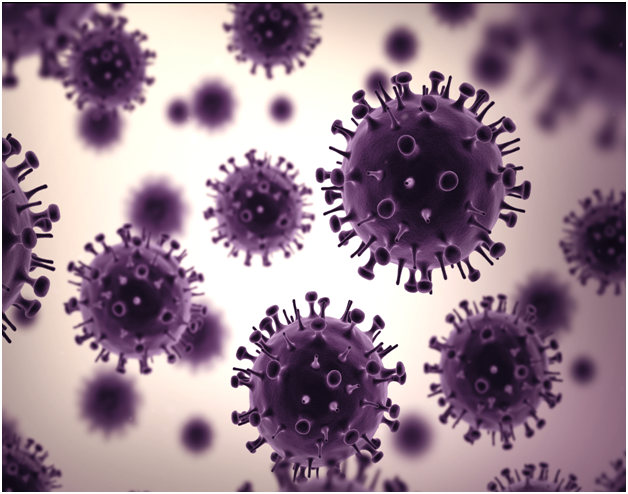
Personal hygiene is an essential part of our lifestyle. It’s important to keep our bodies clean to protect ourselves from illnesses. This has become even more crucial due to the covid-19 pandemic that has adversely affected many countries around the globe. One effective way to slow down, if not prevent, the spread of germs like bacteria and viruses is to properly and frequently wash our hands.

Benefits of Washing Your Hands Properly

Throughout the day, as you do various activities, oil and dirt gather on your hands. Germs are held by these greasy substances and can transfer to other surfaces you may touch. From these surfaces, or by direct contact e.g. handshakes, those germs get transferred to other people. This is why it’s important to frequently clean your hands properly – not only for your safety but for the safety of others as well.

Washing hands is one of the most effective methods to remove germs, protect yourself from illnesses, and stop the spread of germs to others. Soap and warm water are enough to rid yourself of these germs. Proper handwashing can help prevent respiratory infections and diarrhea-related diseases.

Steps for Handwashing

  • Wet your hands with clean, warm water. Warm water works more effectively with soap to remove grease and oil from your hands.
  • Lather your hand with soap. Make sure to lather your hands down till the wrists, the back of your hands and between your fingers.
  • Scrub your hands for at least 20 seconds. Rub firmly and scrub each part of your hand thoroughly –palms, wrists, between your fingers, back of your hands, and under your nails.
  • Rinse thoroughly. Rinse your hands under warm, running water –make sure to scrub as you rinse.
  • Dry your hands. Use a clean cloth towel or paper towel to dry your hands completely. After you’re done, use the towel to turn off the tap. If you’re using a paper towel, discard it properly after use.

Alternatives to Soap

You may use alcohol-based hand sanitizers if soap and water are not available. To ensure that the sanitizer is effective, make sure that it has at least 60 percent alcohol. You can also find such sanitizers in the form of gels and wipes as well.

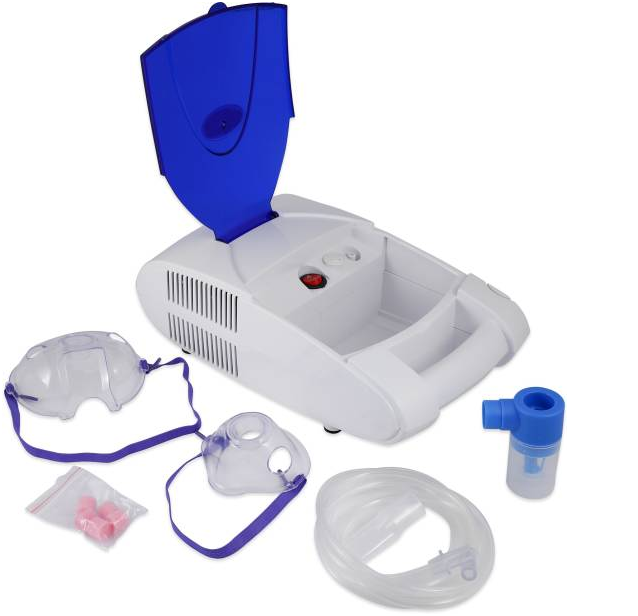
nebulizer parts

How To Wash And Clean Nebulizer Parts

If you own a nebulizer, then you should also be aware of some basic cleaning and maintenance techniques that are necessary. With time, dirt settles in the compressor clogs the channels. Similarly, tubing, masks, and mouthpieces also degrade and it becomes an absolute necessity to clean or sometimes even replace some dysfunctional components. Here are some basics that every nebulizer user must be aware of.

  • Even if the nebulizer seems to be working fine, it is not a good idea to use it longer than recommended. A regular child and adult nebulizer masks should not be used for any longer than6 months. They are made with plastic and hence degrade over time, and not only reduce your treatment benefits but may also be harmful if used for too long.
  • When you buy a new mask, make sure that it is compatible with your nebulizer.
  • You should make sure that you change the nebulizer filter regularly as directed by the manufacturer. Sometimes, it is even better to change it earlier when it turns gray due to impurities.
  • Not changing the filter on time is neither good for your health, nor for the life of your nebulizer because an old and dirty will cause your compressor unit to wear out earlier.
  • Do not forget to clean the outside of the tubing and replace it whenever needed or as recommended.
  • Check and replace any part or accessory appears cracked or worn out.
  • Make sure you have some extra tubing, mouthpieces, and masks at home for emergency situations.

Sterilizing Your Nebulizer Parts And Equipment

Keeping your nebulizer system clean increases safety as well as effectiveness of the treatment. It is necessary to clean and maintain it after every use and hence make sure you dedicate some part of your time for that. Sometimes, the nebulizer stops working because the remaining medication in the cup dies out. Making it a habit to follow the manufacturer’s cleaning instructions every time you nebulize will also prevent this.

It is also necessary to sterilize the nebulizer more thoroughly after every week. Below are some tips that may help, however, you these instructions may vary with the kind of manufacturer. Make sure you refer to the instructions as well.

After each treatment:

  • Thoroughly wash your hands
  • Disassemble the parts from the nebulizer without opening the case.
  • Properly rinse the mask and mouthpiece, as well as reservoir tube and T adapter. Use warm water and continue rinsing for at least half a minute.
  • NEVER wash the nebulizer tubing or compressor.
  • Remove any excess water and leave the parts for some time on a towel to air dry.
  • Finally, connect all the parts again and turn on the compressor for a few seconds to dry.

Once a week:

  • Refer to the owner’s manual to see if there are any specific instructions given.
  • Some nebulizers may require you to soak all nebulizer parts (excluding mask, tubing, and compressor) in a solution of water and distilled white vinegar. Ideally the vinegar and water should be used in the ratio of 1:3.
  • Note that this cleaning solution can never be reused.
  • Remove any excess water and leave the parts for some time on a towel to air dry.
  • Finally, connect all the parts again and turn on the compressor for a few seconds to dry.
  • You may also wipe and clean the parts with a soft, damp cloth moistened with water or a mild soap and water solution.
  • You can also top-rack dishwasher safe some parts of the nebulizer, but a mask can never be put in a dishwasher.
  • After the weekly or daily cleansing, cover the nebulizer and place it in a cool and dry place.

Search Articles

Medical Tips in Your Inbox

Get expert recovery advice, equipment guides, and caregiver tips — delivered weekly. No spam, unsubscribe anytime.

Need equipment today?

Same-day or next-day delivery in the DFW area. Call us now for immediate assistance.