diabetes

Foot Care Products

7 Best Medical Foot Care Products for Diabetics

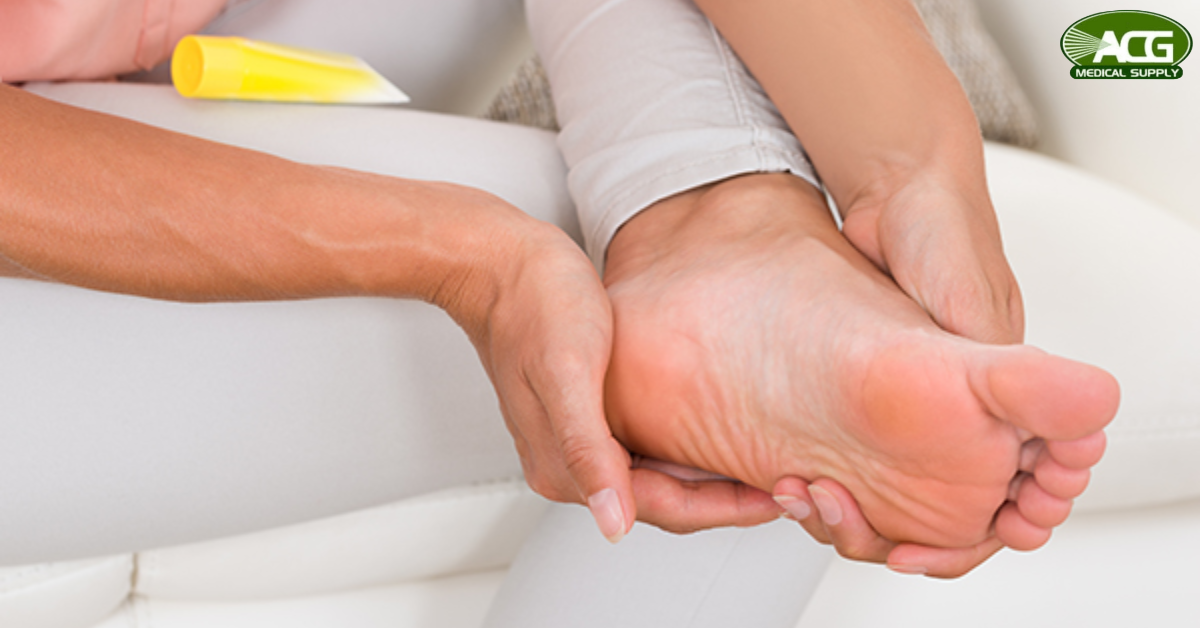
Living with diabetes isn’t exactly a walk in the park. Some days are easy, and others? Not so much. And while there’s a lot to manage (blood sugar, food, meds), foot care often slips through the cracks. But here’s the thing: even something as small as a blister or dry patch can turn into a big deal if you don’t catch and treat it early. That’s why using the right foot care products is essential—they help you stay ahead of problems before they start.

The good news is that ACG Medical Supply has made it a whole lot easier. If you’re dealing with cracked heels, stubborn bunions, or just looking for some solid support to get through the day, we have a lineup of diabetic-friendly tools that are practical, easy to use, and actually make a difference.

1. Gentle Foot Cleansers

A good cleanser doesn’t just wash off the day’s dirt; it protects your skin. If you’ve got diabetes, then harsh soaps, strong fragrances, and drying ingredients are a no-go. They usually end up doing more harm than good. What your feet really need is something that gets the job done but gently, without stripping away your skin’s natural barrier or leaving things feeling tight and dry.

So, you should look for cleansers that are:

  • pH-balanced to keep your feet’s skin calm and does not further irritate it
  • Antibacterial but still gentle, to reduce infection risk
  • Moisturizing, so your feet don’t feel tight and dry afterward

2. Deeply Nourishing Foot Moisturizers

Once your feet are clean, it’s all about locking in that moisture. This is where the PediFix Diabetic Defense Daily Therapy Foot Moisturizer comes in. And trust us—it’s a game-changer.

This stuff is lightweight but super effective. It contains tea tree oil (which helps in fighting bacteria and odor) and ginger (to stimulate circulation). It is also non-greasy, so you won’t be slipping and sliding around after you have applied it.

If you want more out of the moisturizer then slather it on your feet before bed and wear a pair of cotton socks. You’ll wake up with noticeably softer feet.

3. PediFix Visco-GEL Bunion Guard

Bunions are painful, ugly, and stubborn. But instead of jumping straight to surgery, try giving this little gadget a go: the PediFix® Visco-GEL® Bunion Guard. It cushions the bunion area, reduces pressure, and fits easily into your shoes.

It won’t cure the bunion, but it will help you walk without wincing. Which, honestly, is a huge win.

4. Toe Care Products to the Rescue

Let’s be real for a minute, toes get weird. Corns, overlapping toes, blisters, diabetes can turn your toes into little troublemakers. That’s why toe care products are so handy. These small tools can help relieve pressure, straighten toes, and protect against friction.

Toe separators, gel caps, toe sleeve, there’s a lot to love. They’re the unsung heroes of diabetic foot care.

5. Spenco Total Support Insoles

We’ve all been there—those thin, floppy insoles that come with new shoes and feel like, well… nothing. Seriously, who are those even helping? That’s why Spenco Total Support Insoles feel like such a revelation. These aren’t your average shoe insoles, they actually do something, they offer arch support that actually arches and has incredible shock-absorbing layers your joints will absolutely love. 

Seriously, they do wonders to reduce foot fatigue, making you feel more balanced just walking to the fridge. They’re also ideal for anyone who spends a lot of time on their feet, or frankly, just wants significantly better support from their footwear.

6. Heel Cups for Extra Support

Heel pain isn’t fun for anyone, and diabetics often deal with plantar fasciitis or pressure point pain. If you don’t want to go for full insoles, then that’s exactly where Heel Cups become your saviour. They add cushioning under your heels and help take the stress off your feet. It’s easy to use, and slips easily into all types of shoes.

They don’t cost much either, but they do make a big difference by the end of the day when your feet would normally be screaming in pain.

7. Cushion & Protect: PediFix FelTastic Callus Protectors

Calluses and blisters can really mess with your day, especially if you’re already dealing with sensitive feet. That’s why PediFix FelTastic Callus Protectors are such a great little fix. They’re soft, stretchy, and stick right where you need them, on your heel, the ball of your foot, or wherever things start to rub and irritate. They help take the pressure off the calluses and blisters, so you’re not wincing with every step. 

Conclusions

Managing diabetes is a full-time job most days. It’s a lot—meals, meds, numbers… it adds up fast. But here’s the good news: foot care doesn’t have to be another stressor. With the right essentials—like the foot moisturisers and cleansers, and other foot care products we’ve talked about—you’re not just checking a box. You’re giving your feet the support and care they need. 

So don’t wait for a blister or a sore to pop up. Start small. Moisturize. Use the good clippers. Pick the shoe inserts that make walking fun again. Your feet carry you through life—give ‘em something back.

FAQs

Q1. Can I just use regular lotion on my feet?
It is not recommended. Diabetic skin is more prone to cracks and infections. 

Q2. How many times should I apply the foot lotion?
Daily! Make it part of your night time routine. Just skip between the toes (too much moisture there = bad news).

Q3. Can I use regular insoles or do I need diabetic ones?
While any insole is better than none, diabetic insoles like Spenco Total Support Insoles are designed to reduce pressure and risk of injury more effectively.

Q4. Can I wear bunion guards and toe spacers with shoes on?
Yep! Most are designed to be worn inside regular footwear. You might just need a bit of wiggle room.

Q5. Where can I buy all of this stuff easily? You guessed it, ACG Medical Supply.
We carry everything on this list and more. We’ve kind of mastered the art of being useful without being complicated.
TED Anti-Embolism Stockings

Choosing Between TED Anti-Embolism and Compression Stockings

Taking care of your legs is something many of us don’t think about—until we have to. Whether you’ve just had surgery, find yourself on your feet all day, or struggle with swelling, the right support can make a huge difference in how you feel. But with so many options out there, it can be tricky to know which one is best for you. That’s where TED Anti-Embolism Stockings and compression stockings come in. While they both provide support, they do so in very different ways.

In this blog, we’ll help you understand the key differences, so you can choose the right option to keep your legs feeling healthy and strong.

What Are TED Anti-Embolism Stockings?

TED Anti-Embolism Stockings, often called TED stockings, are specifically designed for people who are bedridden or recovering from surgery. Prolonged immobility can slow down blood flow in the legs, increasing the risk of blood clots or deep vein thrombosis (DVT).

TED stockings use gentle, graduated compression, which is tighter at the ankle and eases up the leg. This design keeps blood moving and reduces clotting risks. Doctors commonly recommend these stockings for short-term use during hospital stays or post-surgical recovery.

If you’re someone who is confined to bed for a while, TED stockings are like a safety net for your circulatory system. They’re not meant for everyday use, but they play a crucial role during specific recovery periods.

What Are Compression Stockings?

On the other hand, compression stockings are made for people who are on their feet a lot or dealing with swelling or leg discomfort. Whether you’re dealing with varicose veins, swelling from pregnancy, or just need extra support after a long day of standing or sitting, compression stockings can help improve circulation and reduce swelling.

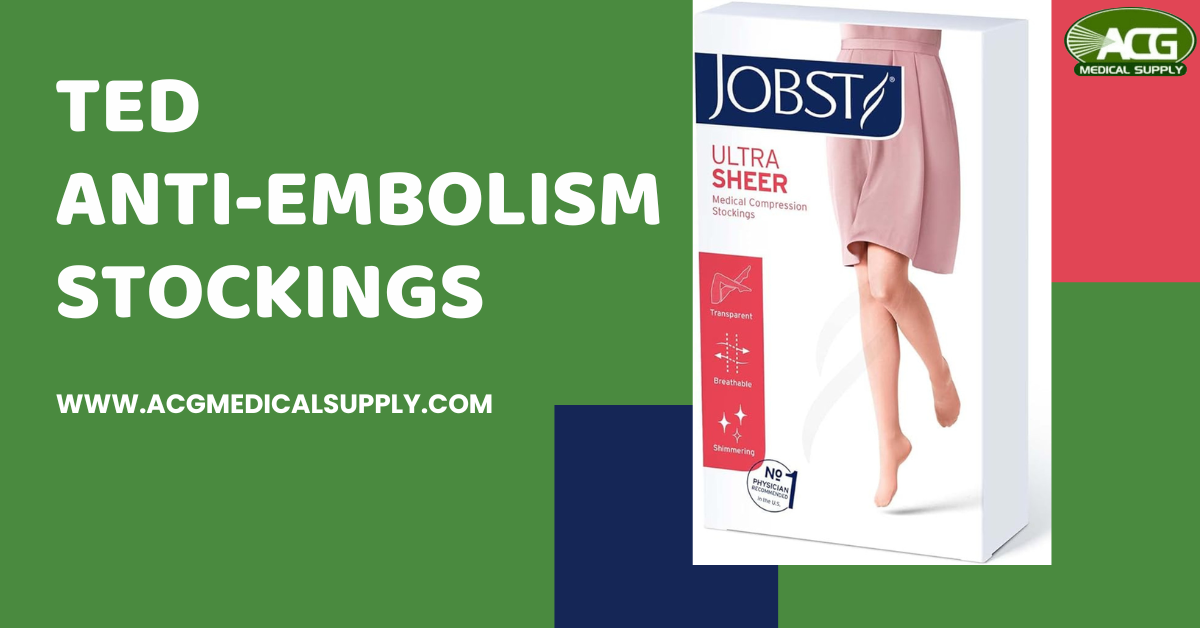
Compression stockings come in all sorts of styles and compression levels. You can find options like thigh-high compression socks for full-leg support or lighter support socks for everyday comfort. There are also medical-grade options like Jobst UltraSheer Stockings, which provide extra compression for people dealing with more serious conditions like chronic venous insufficiency or lymphedema. For those with diabetes, JOBST SensiFoot Diabetic KNEE Socks are a great option, offering gentle support and a soft, breathable fabric that’s kind to sensitive skin.

What’s the Difference Between TED and Compression Stockings?

While both types of stockings serve the purpose of improving circulation, the key differences lie in their intended use and compression levels.

Purpose: TED stockings are specifically designed to prevent DVT during periods of immobility, such as during post-surgery recovery or hospital stays. On the other hand, compression stockings are for individuals who are mobile and looking to relieve symptoms of vein-related conditions like swelling or varicose veins.

Compression Levels: TED Anti-Embolism Stockings generally offer lower compression, while compression stockings can range from light to high compression. This makes compression stockings suitable for a broader range of issues, including managing swelling and improving blood flow in active individuals.

Design: TED stockings are usually knee-length, while compression stockings come in various lengths, such as knee-high, thigh-high, or full-leg options, like thigh-high compression socks. This allows for more versatility depending on your specific needs.

Which One Should You Choose?

Choosing the right medical stockings depends on your situation. If you’ve just had surgery or are going to be in bed for a while, TED Anti-Embolism Stockings are the better option to prevent blood clots. If you’re dealing with swelling, tired legs, or varicose veins, compression stockings are a great choice for extra support and comfort.

If you’re looking for something for everyday wear, you might want to try Jobst UltraSheer Stockings or JOBST SensiFoot Diabetic KNEE Socks. For full-leg support, thigh-high compression socks are a great option. You’ll also find support socks that are perfect for wearing all day, whether you’re working, traveling, or just need a little extra comfort.

Conclusion

Choosing between TED Anti-Embolism Stockings and compression stockings doesn’t have to be confusing. It all comes down to your specific needs. If you’re recovering from surgery or spending a lot of time in bed, TED stockings are your best bet. If you’re dealing with swelling or need some extra support during the day, compression stockings will offer the relief you need. For a wide range of options, from thigh-high compression socks to Jobst UltraSheer Stockings, visit ACG Medical Supply and find the right pair of stockings for you. Taking care of your legs can make a big difference in how you feel every day, so make sure you choose the right support.

Kidneys Health

8 Lifestyle Changes to Keep Your Kidneys Healthy

Like all organs in the human body perform important functions, our kidneys are likewise important organs that filter impurities from the body, manage fluid levels in the body, regulate blood pressure, and keep bones healthy. Not taking proper care of your kidneys might give rise to various chronic kidney diseases. People with diabetes, hypertension, heart disease, kidney stones, obesity, or a family history of kidney failure are most likely to develop acute kidney diseases. However, some good changes in your daily life can help to prevent damage to your kidneys. Here are some lifestyle changes to keep your kidneys healthy:

  1. Regularly Monitor Your Blood Sugar & Blood Pressure

If you have conditions like hypertension, diabetes, or heart problems it is advisable that you regularly check your blood pressure and blood sugar levels. Those suffering from diabetes must maintain a BP level below 140/90 mm Hg. Apart from keeping BP levels in check, one must also take medicines exactly as prescribed by the health care provider. Keeping your cholesterol level in check also becomes an important thing to consider, when you have heart conditions.

  1. Keep Your Body Well-Hydrated

Keeping your body well-hydrated is always good for the skin as well as your health. Drinking water can be quite beneficial for the kidneys as it infuses important nutrients that you’re your kidney function properly. Having at least six to eight glasses of water every day is ideally good for a healthy lifestyle. Lesser intake of water can stop proper filtering inside the kidneys and can also give rise to potential kidney injuries or kidney stones.

  1. Switch to A Healthy & Active Lifestyle

Saying ‘YES’ to a healthy lifestyle is not only good for your kidneys but also improves your overall health. Regular exercise can help in reducing your blood pressure which in turn prevents the risk of heart disease. Those who are suffering from conditions like obesity, especially need to focus on maintaining an active way of living. Exercising doesn’t always have to be doing high-intensity workouts but you can switch to simple ways like running, dancing, biking, aerobics, or early morning jogging.

  1. Follow A Balanced Diet

What you eat is what you become! The type of food a person consumes affects his/her physical well-being. All the food and liquids that you consume are filtered by your kidney. It is therefore important that you consume fruits, vegetables, and whole grains that are high in nutrients and vitamins. Following a balanced and well-proportioned diet will let you control your body’s sugar level and pressure levels, thus reducing the risk of chronic kidney disease.

  1. Quit Smoking and Drinking Alcohol

Out of the various things to avoid for healthy kidney functioning, the most important one is quitting smoking or consuming alcoholic drinks. While your kidneys require utmost hydration, alcoholic beverages may dehydrate the kidneys and make it difficult for your kidneys to regulate the water level in the body. Smoking may similarly leave a damaging effect on your kidneys. It increases the risk of high BP and may also cause kidney failure in the long run.

  1. Avoid Consuming Excessive Supplements or Painkillers

While taking medicines as prescribed by your doctor may help in improving your kidney’s health, taking the wrong medications may worsen the case. Overdoses of health supplements and painkillers can be harmful, especially when you are suffering from kidney disease. It is always recommended that you consult a doctor before taking unprescribed medicines.

  1. Refrain From Having Junk Food & Carbonated Drinks

Besides maintaining a proper diet, it is also quite essential that you avoid consuming food that is high in cholesterol or saturated fats. Junk food and processed food, for instance, are quite unhealthy for your kidneys. Try to avoid fried food like crisps, crackers, cookies, cheese, or other canned/packaged products like noodles and fatty meats. Carbonated drinks are also a big ‘NO’ for those suffering from heart disease or high BP or sugar levels. Carbonated beverages are also a major cause of kidney stone formation.

  1. Consider Early Warning Signs of Kidney Disease

Regular health check-ups are a great way to determine early warning signs of potential kidney diseases. Having poor sleep cycles, muscle cramps, shortness of breath, less appetite, or pale brownish urine are some of these early signs to consider. Avoiding these early signs may further deteriorate your health. If you have any of these symptoms or even have a family history of kidney failure, it is best that you visit a doctor and start the treatment for the same as soon as possible.

In A Nutshell

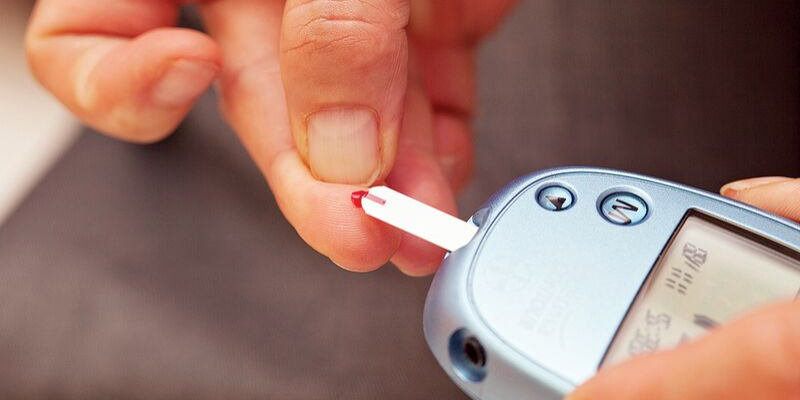
Some of the major kidney disease causes are high sugar levels, high blood pressure, and heart disease. If you need prescribed medications or supplies for the same, you can conveniently shop from popular medical websites like ACG Medical Supply. Shop for the finest-quality Diabetic Supplies or Diagnostic Equipment like BP monitors, oximeters, and blood glucose meters, delivered to your home at ease.

Diabetes

Hidden Effects of Diabetes on Your Well-Being

Diabetes. A word no one likes to hear when reaching a diagnosis, especially when you consider all of the responsibilities that come along with it. Even though diabetes seems like a scary word in the beginning, it is very common and can be managed when you are aware of what you need to do. In honor of National Diabetes Month, we’re here to talk about what diabetes is, how it affects you and what the different types are.

Diabetes Defined

Diabetes is a disease that impacts how the body uses blood glucose (sugar). There are a few main types of this disease for which there is no cure, but many ways to manage. Diabetes affects approximately 30 million people in the United States with nearly 1.5 million more people diagnosed every year. It is a serious disease that requires many changes to your health, diet and lifestyle.

The Effects of Diabetes

Diabetes affects your life in many ways. From the beginning, typically before diagnosis, you can find yourself feeling the following symptoms:

  • Urinating often
  • Feeling very thirsty often
  • Extreme fatigue
  • Blurred vision
  • Bruises that are hard to heal

While this is a short list, the symptoms vary depending on the type of diabetes that you are diagnosed with. After diagnosis, you will be monitoring your blood sugar regularly and will get A1C blood tests regularly each year to keep track of your levels. Many other things are common depending on the type and severity as well such as: weight loss, change in diet/healthy eating, regular exercise, possible insulin therapy, etc.

Types of Diabetes

There are many types of diabetes, but the most common are type 1, type 2 and gestational. While they are all types of diabetes, there are many differences that distinguish them from one another.

Type 1: Also known as insulin-dependent diabetes, type 1 diabetes generally begins in childhood years. It occurs when the body attacks the pancreas resulting in a damaged pancreas that cannot produce insulin. Treatment requires taking insulin, frequent testing of blood sugar levels, careful meal planning and daily exercise.

Type 2: This is by far the most common type of diabetes accounting for nearly 95% of all cases. This is often caused by being overweight, and can include people who do not produce enough insulin or who are insulin resistant. While there is no cure, this can be controlled through weight management, nutrition and exercise.

Gestational: This type is less common and affects 2-10% of pregnant women whose pregnancies can lead them to become slightly insulin resistant. This generally resolves after pregnancy, but can lead to a higher risk of developing type 2 diabetes later down the road. This can be controlled during pregnancy by tracking and planning your meals, daily exercise, controlled pregnancy weight gain, and possibly medication if necessary.

While most people are aware of diabetes, not many are aware of the lifestyle changes and complications that come with it. ACG Medical carries diabetic supplies and equipment that can help you control your diabetes. If you are one of the 10% of the world’s population affected by diabetes, reach out to ACG Medical Supply to see what we have to offer you to help manage and eliminate your pain.

Search Articles

Medical Tips in Your Inbox

Get expert recovery advice, equipment guides, and caregiver tips — delivered weekly. No spam, unsubscribe anytime.

Need equipment today?

Same-day or next-day delivery in the DFW area. Call us now for immediate assistance.