
October 30, 2019

Diabetes

Hidden Effects of Diabetes on Your Well-Being

Diabetes. A word no one likes to hear when reaching a diagnosis, especially when you consider all of the responsibilities that come along with it. Even though diabetes seems like a scary word in the beginning, it is very common and can be managed when you are aware of what you need to do. In honor of National Diabetes Month, we’re here to talk about what diabetes is, how it affects you and what the different types are.

Diabetes Defined

Diabetes is a disease that impacts how the body uses blood glucose (sugar). There are a few main types of this disease for which there is no cure, but many ways to manage. Diabetes affects approximately 30 million people in the United States with nearly 1.5 million more people diagnosed every year. It is a serious disease that requires many changes to your health, diet and lifestyle.

The Effects of Diabetes

Diabetes affects your life in many ways. From the beginning, typically before diagnosis, you can find yourself feeling the following symptoms:

  • Urinating often
  • Feeling very thirsty often
  • Extreme fatigue
  • Blurred vision
  • Bruises that are hard to heal

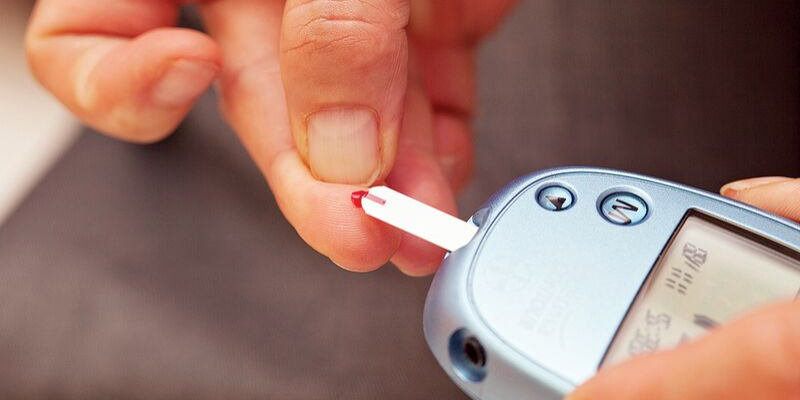
While this is a short list, the symptoms vary depending on the type of diabetes that you are diagnosed with. After diagnosis, you will be monitoring your blood sugar regularly and will get A1C blood tests regularly each year to keep track of your levels. Many other things are common depending on the type and severity as well such as: weight loss, change in diet/healthy eating, regular exercise, possible insulin therapy, etc.

Types of Diabetes

There are many types of diabetes, but the most common are type 1, type 2 and gestational. While they are all types of diabetes, there are many differences that distinguish them from one another.

Type 1: Also known as insulin-dependent diabetes, type 1 diabetes generally begins in childhood years. It occurs when the body attacks the pancreas resulting in a damaged pancreas that cannot produce insulin. Treatment requires taking insulin, frequent testing of blood sugar levels, careful meal planning and daily exercise.

Type 2: This is by far the most common type of diabetes accounting for nearly 95% of all cases. This is often caused by being overweight, and can include people who do not produce enough insulin or who are insulin resistant. While there is no cure, this can be controlled through weight management, nutrition and exercise.

Gestational: This type is less common and affects 2-10% of pregnant women whose pregnancies can lead them to become slightly insulin resistant. This generally resolves after pregnancy, but can lead to a higher risk of developing type 2 diabetes later down the road. This can be controlled during pregnancy by tracking and planning your meals, daily exercise, controlled pregnancy weight gain, and possibly medication if necessary.

While most people are aware of diabetes, not many are aware of the lifestyle changes and complications that come with it. ACG Medical carries diabetic supplies and equipment that can help you control your diabetes. If you are one of the 10% of the world’s population affected by diabetes, reach out to ACG Medical Supply to see what we have to offer you to help manage and eliminate your pain.


Walking

Walk Your Way to a Healthier You

Have you been keeping an eye on your cardio levels? Maybe even thinking you need to get a little more exercise in? If this sounds familiar, you’re in luck and you’re not alone. Nearly 75% of people are not getting the amount of exercise that is recommended for them to keep a healthy lifestyle, but it’s not too late to turn that around! We have just the tips and tricks to get those extra steps in to ensure that you’re getting the exercise you need and will be well on your way to a healthier you in no time.

How much exercise do people need?

We all know that exercise is good for us, but how much should we be fitting into our daily schedule? ChooseMyPlate.gov recommends the following amounts of physical activity for people of all ages below:

Children (2-5): Physical activity is generally safe for everyone, but there is not a set amount for children of this age. They generally have more energy and will have shorter bursts of activity which is normal. If you are concerned with the activity level of your child, contact your doctor today.

Adolescents (6-17): Children and adolescents should get 60 minutes or more of physical activity each day. Many times, this age of people are getting the amount of exercise needed from school programs and sports. It is important to encourage your children or grandchildren to keep involved and active in activities that keep them moving to promote a healthy lifestyle. 

Adults (18-64): Adults should do at least 2 hours and 30 minutes each week of aerobic physical activity at a moderate level OR 1 hour and 15 minutes each week of aerobic physical activity at a vigorous level. A good way to fit this into your week is to exercise for 30 minutes a day, 5 days a week. This allows you a couple of rest days in there for when you need a break or maybe don’t have the time that day.

Elderly Adults (65+): Elderly adults have similar recommendations for exercise, but have more flexibility as they should exercise as able. If you are unsure of what you should do to keep active, check with your doctor and ask for recommendations on what would be best for you.

What can you use to help you get your exercise in?

There are many different things that one can do to get the right amount of exercise daily. Below are some options for people of all ages to utilize.

Apps: There are hundreds of apps that one can download on their phone to help keep them on track while exercising, tracking time and even showing exactly what exercises to do. Whatever you’re looking for, try searching for it on your phone or looking up what apps might be right for you. You’re bound to find something you love and can stick to!

Walking aids: If you have a disability or are getting older, you may want to look into walking aids to ensure you are staying safe while getting your exercise in. ACG Medical offers a variety of walking aids to keep you safe! Check out our walkers and rollators here.

Equipment: There are many different things that you can have in your own home to avoid getting a gym membership or walking outdoors in dangerous conditions. It might be a good idea to look into getting a treadmill for walking or other equipment such as yoga balls, small weights and even bands that can be stretched out to keep from injuring yourself. While these are just a few guidelines and tips to help you live an active life, there is an endless list of things you can be doing to stay active. One simple tip would be, when in doubt, walk it out. Walking is essential in life and is a simple way to get your exercise in! If you’re looking for walking aids or other products to ensure you’re living a healthy lifestyle, check out ACG Medical. We’re here for you every step of the way.

Search Articles

Medical Tips in Your Inbox

Get expert recovery advice, equipment guides, and caregiver tips — delivered weekly. No spam, unsubscribe anytime.

Need equipment today?

Same-day or next-day delivery in the DFW area. Call us now for immediate assistance.