Patient Lifts

Hydraulic vs Electric Patient Lift

What is the Difference Between a Hydraulic Patient Lift and an Electric Patient Lift?

Moving someone who cannot support their own weight is tough. It takes a massive physical toll on the body. A human spine just isn’t built to twist, lift, and shift a full-grown adult multiple times a day. Caregiver burnout is a very real thing, and physical exhaustion plays a huge role in it, so investing in a proper patient transfer lift takes that dangerous strain right out of the equation. These devices turn a stressful, physically demanding process into a safe, calm routine.

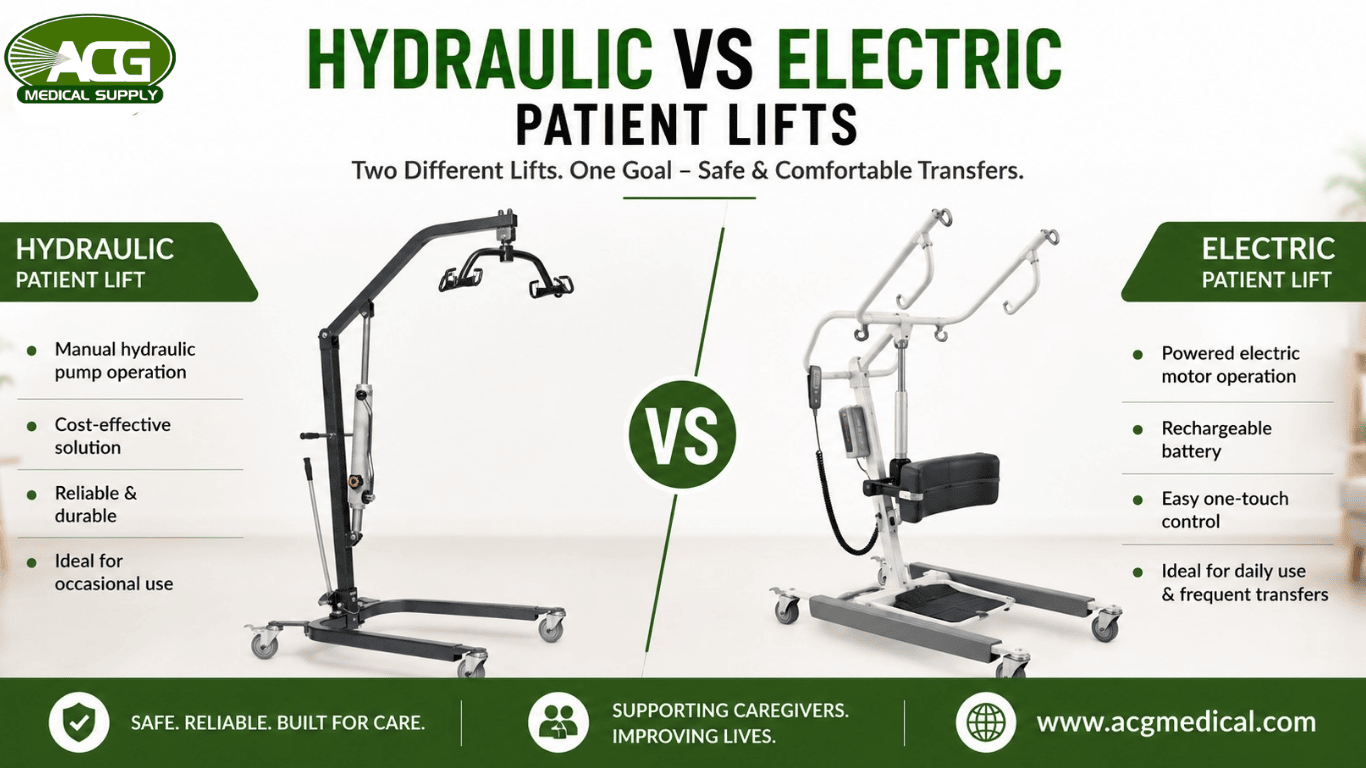
People hit a wall pretty quickly when trying to figure out the technical differences. The biggest choice always comes down to the power source. The whole debate of a hydraulic patient lift vs electric patient lift pops up immediately on every medical supply forum. The thing is, both machines do the same core job: they lift heavy weight so humans don’t have to. But how they actually go about that job is totally different.

What a Patient Transfer Lift Actually Does

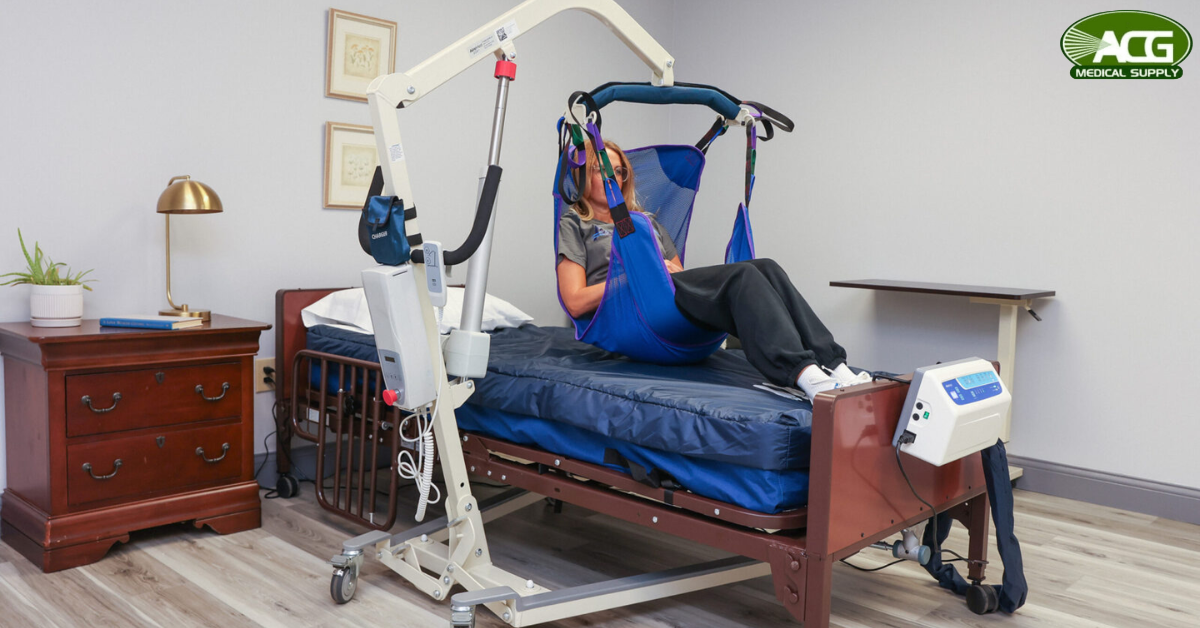
A medical patient lift moves someone who can’t stand or walk unassisted between two points: bed to chair, chair to toilet, wheelchair to car seat. A sling wraps around the patient’s body and hooks onto the lift’s frame. The frame does the lifting. Nobody’s spine gets thrown out trying to half-carry an adult across a bedroom.

Every model on the market falls into one of two camps: pump-powered or battery-powered. That split is basically the whole conversation.

These lifts show up most in homes dealing with stroke recovery, advanced arthritis, ALS, or the general frailty that comes with age. Hospitals have used similar equipment for decades. Home caregivers are just catching up to the same idea, usually after one too many close calls trying to lift someone alone. Learning how to safely use patient lifts ensures those close calls don’t happen in the first place.

Hydraulic Patient Lift: The Pump-and-Lever Workhorse

A hydraulic patient lift runs on a manual hand pump that pressurizes fluid inside a cylinder, and that pressure pushes the lift arm upward. No batteries. No motor. Just a lever and some hydraulic fluid doing the heavy lifting.

The Lumex 1031fp, sold through ACG Medical, is a good example of what this category looks like in practice. It’s built from heavy-gauge steel, uses a six-point spreader bar with 360-degree rotation, and the base adjusts with a foot pedal so a caregiver doesn’t have to bend awkwardly. 

Hydraulic Patient Lift Advantage

Cost is one of the biggest reasons people choose a hydraulic patient lift. Manual models are generally more affordable than electric alternatives, often costing hundreds of dollars less. Hydraulic lifts also don’t rely on batteries or charging, so they’re always ready to use. With fewer moving parts and a pretty simple hydraulic system, maintenance and repairs are also easier when servicing is required.

Hydraulic Patient Lift Disadvantages

The main drawback is the physical effort involved. Every lift requires the caregiver to pump the handle repeatedly, which can become tiring when several transfers are needed throughout the day. The lifting motion is also less continuous than that of an electric model, as the arm rises in small increments rather than in one smooth movement. When a hydraulic patient lift is used for multiple daily transfers, the repeated pumping can quickly lead to caregiver fatigue.

Electric Patient Lift: Push a Button, Let the Motor Work

An electric patient lift swaps the hand pump for a rechargeable battery and a small motor. All you have to do is press a button on a handheld remote, and the lift arm rises or lowers on its own. No pumping is required; therefore, there’s no arm fatigue by dinnertime.

The Raizer II by Liftup, also carried by ACG Medical, is one example of this type of lift. It is designed to help lift a person safely from the floor after a fall. The lifting process can be operated using either the handheld remote or the control panel built into the seat. 

Electric Patient Lift Advantages

Smoothness is the headline feature. The lift moves in one continuous motion, which feels less jarring for the patient and takes the physical strain off the caregiver almost entirely. That matters a great deal for caregivers managing solo transfers, dealing with their own joint pain, or simply working without backup most days. One button, and the machine does the rest.

Electric Patient Lift Disadvantages

Cost is the first hurdle, often two to four times the price of a comparable hydraulic model. They also rely on a rechargeable battery, so regular charging is essential to ensure the lift is ready when needed. In addition, some electric models are heavier because of the motor and battery system, making them a little less convenient to move between rooms.

Hydraulic Patient Lift vs Electric Patient Lift: A Side-by-Side Look

FeatureHydraulic Patient LiftElectric Patient Lift
Power sourceManual hand pumpBudget-conscious homes, backup lifts
Typical price range$800–$1,500$2,000–$5,500+
Physical effort requiredModerate to highMinimal
Motion smoothnessStepped, slightly jerkyContinuous, steady
Charging neededNoneYes, regularly
Weight and portabilityUsually lighterOften heavier
Best suited forBudget-conscious homes, backup liftsFrequent transfers, solo caregiver

Best Hydraulic Patient Lift and Best Electric Patient Lift Picks

Budget usually settles this dilemma fast. The Lumex 1031fp tops most best hydraulic patient lift lists for one simple reason: it costs a few hundred dollars against a few thousand. Steel frame, foot-pedal base, nothing to charge. It won’t win any awards for a gentle ride, but it holds up.

The Raizer II costs a lot more, and it earns that price in one specific situation: someone’s just fallen and can’t get up on their own. One button, off the floor, no caregiver straining a back trying to help. That’s the whole argument for calling it one of the best electric patient lift picks ACG carries, even at nearly five times the price of the Lumex.

One More Thing: Slings Aren’t One-Size-Fits-All

People buy the lift and forget the sling matters just as much. It’s the part that actually touches the patient, and it has to match the spreader bar and the person’s own size and weight. ACG Medical carries full-body mesh slings rated up to 600 pounds, including a commode-cutout version for bathroom transfers, built to work with both hydraulic and electric lifts. Order the wrong size, and it’s going back in a box, assuming nobody tries to use it anyway.

Conclusion

Budget is important, so is the patient’s weight, how many transfers happen a day, and how much energy a caregiver actually has left by evening. This patient lift comparison doesn’t have one right answer, whatever a neighbor swears by.

Three or four transfers a day wears a caregiver down fast if pumping’s the only option, especially with a heavier patient. Electric usually wins there. Comfortable with the handle and watching the budget closely, hydraulic does the job just fine, no complaints. A decent patient lift for home use turns a risky, two-person transfer into a one-person job. That part isn’t up for debate. ACG Medical stocks both categories, along with the slings and spreader bars that go with them.

FAQs

Do electric patient lifts need to be plugged in constantly? 

No, they run on rechargeable batteries that need periodic charging.

Can one caregiver operate a hydraulic lift alone? 

Yes, though it takes more physical effort than an electric model.

What weight capacity do most patient lifts handle? 

Standard models typically support 400 to 600 pounds; bariatric versions handle more.

Can the same sling work with both hydraulic and electric lifts? 

Often yes, as long as the spreader bar and weight rating match.

Patient Transfer Lifts

How to Safely Use Patient Transfer Lifts: A Guide for Caregivers

Caring for a loved one who has limited mobility is a big act of love, but it can take a toll on shoulders, backs, and peace of mind. ACG Medical Supply stocks an entire lineup of patient transfer lifts that lower the physical strain on caregivers while keeping transfers secure and dignified for the person in the sling. This guide breaks down what today’s lifts can do, types of lifts available, and—most importantly—how to use a patient lift the safe, confidence-building way.

Why a Patient Lift Belongs in Every Home-Care Toolbox

Lifting an adult isn’t just heavy; it’s downright awkward. Twisting while supporting weight places up to 1,200lbs of force on a caregiver’s spine.

Here’s why every home-care setup benefits from a lift:

  • Saves your back (and shoulders). Lifts take the heavy strain off, so you’re not twisting or overexerting yourself every time you help someone move.
  • Ensures patients are transferred from one to another comfortably without feeling pulled or dragged.
  • Creates safer environments by lowering the chance of falls or skin tears.
  • Saves time and energy, leaving more room for quality interactions instead of stressful lifting.

And it’s not just about muscles and joints. Safe transfers mean fewer skin tears, less chance of falls, and none of that unsettling “being manhandled” feeling. In short, a lift protects bodies and relationships.

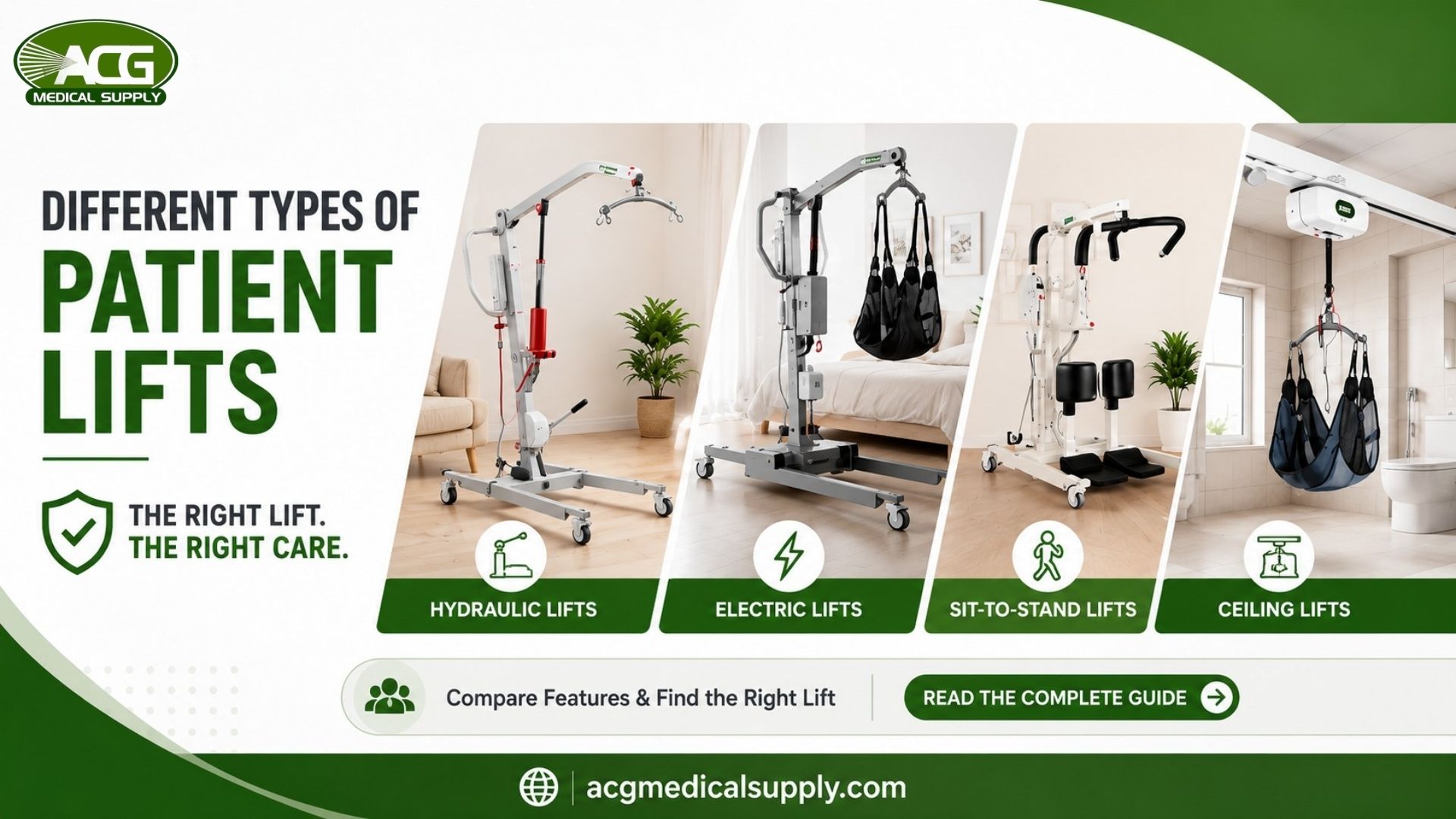
Types of Patient Transfer Lifts

Different households and care needs call for different styles of lifts. Here’s a breakdown of common types:

Lift StyleBest ForKey Benefits
Manual Hydraulic LiftBudget-conscious homes or occasional transfersNo batteries required, simple to use, reliable
Electric Sit-To-Stand Patient Lift ChairUsers who can bear some weight and follow cuesEncourages leg strength, supports quick bathroom trips
Full-Body Electric (Hoyer-style)Individuals with no weight-bearing abilityQuiet motor, smooth and steady lifting
Bariatric ModelsPatients over 400 lbsReinforced frames, wider booms for added stability

Each type of lift has its place. Some families go with a manual patient lift because it’s budget-friendly and dependable. Others lean toward using a Hoyer Lift at home when patient transfers are more frequent and comfort is the utmost priority.

How to Use a Patient Lift: Step-by-Step Guide

Using a lift isn’t that difficult, but like most new things, using the lift feels easier after a little practice. The trick is to take it slow and follow the same pattern each time. Here’s a step-by-step patient lift guide:

1. Prep the Lift and Sling

Before anything else, give the lift a once-over. Are the wheels rolling smoothly? Brakes locking in place? If it’s electric, check that the battery isn’t on its last leg because you don’t want it dying halfway through. Lay the sling out flat and untangled; a twisted sling is a headache you don’t want mid-transfer.

2. Position the Sling

This part feels tricky at first, but gets easier. Gently roll your loved one onto their side, slide the sling under them, then roll them back. Smooth it out under the shoulders and thighs so there’s no bunching or pinching; comfort matters more than speed here.

3. Attach and Begin the Lift

Clip the sling straps into the hooks, then pause and double-check every single one. Nothing’s worse than realizing a strap isn’t secure once you’re mid-air. When you start lifting, go really slow. If the person looks anxious, take a minute and reassure them.

4. Move with Care

Don’t unlock the brakes until you are actually ready to move, and when you do, take it easy around rugs, furniture, or whatever clutter’s in the way. Always keep an eye on how the person in the lift is feeling, and talk to them through it. Saying simple things like “We’re moving now” or “almost there” can make them feel safer and more involved.

5. Lower and Settle

Lock those brakes again before lowering the patient. Guide them gently into the chair, bed, or wherever they’re headed. Only unclip the sling once they’re sitting safely and securely.

Patient Lift Safety Tips for Every Caregiver 

A patient lift certainly makes things a lot easier, but safety still comes first. A few golden rules:

  • Read the manual. Is it boring? Yes. But is it necessary? Also yes.
  • Take your time. This isn’t a race. Rushing usually ends in mistakes.
  • Double-check every strap and clip before lifting.
  • Clear the floor. Even a stray sock can turn into a hazard.
  • Keep talking. Let the patient know what’s happening so there are no surprises.
  • Stick to the weight limits. No exceptions.
  • Practice first. Run through it with a friend, a pillow, or even just on your own before trying it with the patient.

Conclusion

Patient transfer lifts really are lifesavers, for both the person doing the lifting and the one being lifted. They take away so much of the stress and strain that usually comes with patient transfers. Instead of worrying about your back giving out or whether you’ll lose balance and fall, you can actually relax. And honestly, once you’ve practiced a few times, using a lift feels easier than ever. It just becomes part of the routine, like second nature.

FAQs:

Q1: Manual vs. electric—what’s the difference?
Manual lifts use a pump handle and they are more affordable. Electric lifts run on a motor, less effort, smoother motion.

Q2: Sit-to-Stand or full-body?
If the person can bear some weight, go Sit-to-Stand. If not, a full-body (Hoyer) is safer.

Q3: How do I transfer safely at home?
Take it slow, check straps and brakes, and walk them through each step.

Q4: Do lifts need maintenance?
Yes, you should check brakes, wheels, and slings regularly. If you using an electric one, then recharge or replace batteries when needed.

Q5: Are they hard to learn?
Not really. The first time might feel a little awkward and tricky, but after a couple of times you’ll get the hang of it.

patient transfer lifts

Why Patient Transfer Lifts Are a Must-Have in Care

In the world of caregiving, comfort, safety, and ease of movement are essential. Assisting individuals with limited mobility or supporting people in regaining some independence in their daily lives, patient transfer lifts play a pivotal role. These devices ensure smoother and safer transfers while also protecting caregivers from potential strain or injury. Thanks to technological advancements, today’s electric patient lifts, portable patient lifts, and models made specifically for home use are more efficient and user-friendly than ever.

This guide explores why patient transfer lifts are important in care settings, highlighting their unique benefits and features.

What Are Patient Transfer Lifts?

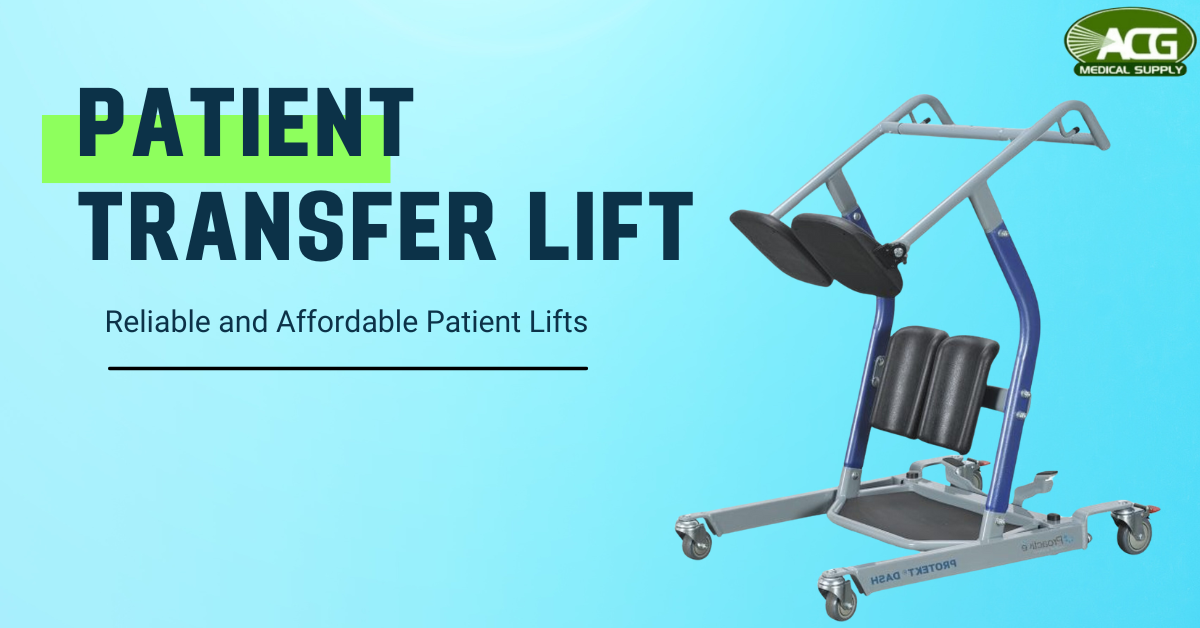
Simply put, patient transfer lifts are devices that help caregivers move individuals with limited mobility from one position to another. These lifts come in various types, from stand lifts that assist with standing and sitting to EZ LIFT ASSIST devices that enable smoother bed-to-chair transitions. Some popular models include the Protekt® Dash Standing Transfer Aid and STAND LIFT WITH STS SLING, each catering to specific needs. With an emphasis on durability, comfort, and safety, these lifts are designed to handle different weight capacities and are highly adaptable for home use.

Why Are Patient Transfer Lifts So Important?

Caregiving is challenging, and one of the most demanding aspects is helping individuals move from place to place without risking injury. For both professional caregivers and family members caring for loved ones at home, patient transfer lifts for home use are invaluable. 

Here’s why these lifts are essential:

1. Enhanced Safety for Patients and Caregivers

Patient transfer lifts greatly reduce the risk of injury. Moving someone who can’t fully support their weight can strain a caregiver’s back, shoulders, and arms. A lift takes on this weight, ensuring both the caregiver and the patient are protected.

Plus, many electric patient lifts come with safety features like:

  • Sturdy slings
  • Locking mechanisms
  • Adjustable heights

These features make transfers smoother and safer, giving both parties peace of mind.

2. Increased Mobility and Independence

For individuals with limited mobility, portable patient lifts offer a sense of independence. Being able to transfer from bed to a wheelchair or stand with assistance can boost morale, reduce feelings of dependence, and improve mental well-being.

The Protekt® Dash Standing Transfer Aid is a great example. Designed for those who can bear some weight, it offers support to stand, giving users a higher degree of freedom.

3. Convenience and Ease of Use

Modern lifts are designed with ease in mind. Many models are operated with simple controls, and some are battery-powered, making them even more convenient. This can make a world of difference for caregivers managing multiple tasks.

For home use, patient transfer lifts often feature:

  • Compact designs
  • Foldable frames

These options make the lifts easy to store and set up whenever needed, adding to their practicality.

4. Versatile Options to Suit Different Needs

Not all patients require the same type of lift. Depending on the level of support needed, there are stand lifts, sit-to-stand lifts, and EZ LIFT ASSIST models, each designed for specific levels of mobility. This versatility ensures that caregivers can find the right solution for their patient’s unique needs.

For example, STAND LIFT WITH STS SLING is ideal for patients who can bear some weight but need extra support to stand safely.

5. Improved Quality of Life

A lift’s ability to facilitate safe and dignified transfers can greatly improve a patient’s quality of life. These devices enable individuals to experience smoother transitions and less discomfort during transfers, making everyday activities more manageable.

Whether it’s moving from bed to chair or accessing the restroom, patient transfer lifts for home use can be life-changing, enhancing the patient’s comfort and helping to restore a sense of normalcy.

Conclusion

In caregiving, nothing is more valuable than tools that support safe, comfortable, and dignified care. Patient transfer lifts are more than mobility aids—they empower patients, protect caregivers, and improve the caregiving experience. With options ranging from electric patient lifts to portable patient lifts designed for home use, there’s a model suited to nearly every need. Choosing a reliable patient transfer lift from a trusted provider like ACG Medical Supply is a step toward better, safer care for everyone involved. For caregivers at home or in professional settings, these devices make everyday tasks easier, safer, and more compassionate.

Search Articles

Medical Tips in Your Inbox

Get expert recovery advice, equipment guides, and caregiver tips — delivered weekly. No spam, unsubscribe anytime.

Need equipment today?

Same-day or next-day delivery in the DFW area. Call us now for immediate assistance.