

Walker

ACG - recovery

10 Products for Post-Surgery Recovery

Have you or a loved one recently had surgery or are you planning to have surgery? Make recovery easier by having the tools you need to lessen pain and continue on with your activities of daily living. These ten products have helped many during their rehabilitation. 

1. Hip Replacement Kit

Hip replacement is major surgery. Make the recovery process easier on yourself by purchasing our hip replacement kit. It has everything you will need for dressing and bathing. Buying the kit will help to save you time and money.

2. Rolling Walkers

We have all kinds of rolling walkers to choose from. Some of our walkers have baskets, fold small and are even able to be used while standing upright. Rolling walkers help you to regain balance and independence as you recover. 

3. Commodes

It’s sometimes very difficult to get out of bed while you are recovering. It may make your recovery time take even longer if you are moving around too much. A bedside commode, like this 3-in-1, is easy to use and can be modified for other uses later on. 

4. Pill Organizers

Sometimes, it’s hard enough to remember to take your vitamins. It can be even more challenging to remember medications after surgery. This top-of-the-line pill organizer comes with a daily alarm and will help you to manage your health more effectively. 

5. Body Wedges

As you rehabilitate, you will want to find a different position to lay in. You won’t be able to put pressure on the area in the same way you did before. These wedges are great for elevating yourself to a comfortable state. 

6. Ice Packs

Ice packs will help with swelling and help you to sleep. These packs also can be heated if what you need is heat therapy. 

7. Braces

We have a variety of braces that can help give you support as you recover from surgery and as you go through physical therapy. 

8. Bandages

We offer a wide range of wound dressings. Wounds typically need to be cleaned twice daily. You won’t want to have a shortage of clean bandages. There are self-adhering bandages, bandages with ionic silver and more for every need. 

9. Walking Canes

The type of cane one wants after surgery may vary, but many people like the offset aluminum cane because of the variety of colors and the comfortable latex-free design. 

10. Reacher 

You may not want to ask someone to hand you everything you need. Overexerting yourself may set you back in recovery. You can use this to pick up items off the floor or from a high shelf without having to bend or stretch. This is a safe alternative that fosters independence. 

If you started off the new year in recovery from a procedure, don’t forget to get the supplies to help speed that process up! We have a vast selection of products to help you recover. If you have questions, don’t hesitate to reach out for help. 
Walking

Walk Your Way to a Healthier You

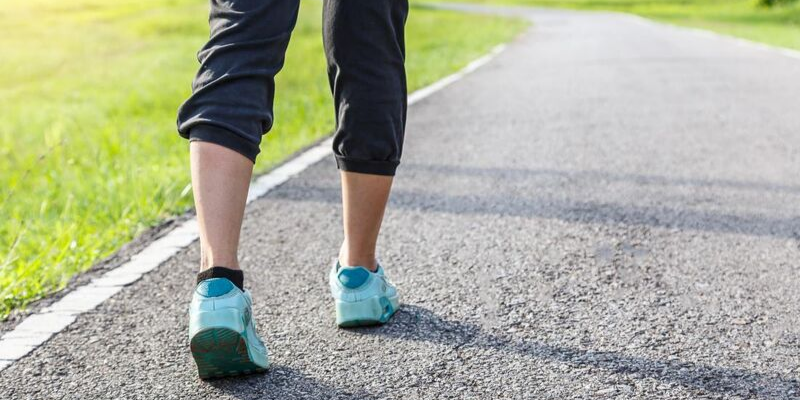
Have you been keeping an eye on your cardio levels? Maybe even thinking you need to get a little more exercise in? If this sounds familiar, you’re in luck and you’re not alone. Nearly 75% of people are not getting the amount of exercise that is recommended for them to keep a healthy lifestyle, but it’s not too late to turn that around! We have just the tips and tricks to get those extra steps in to ensure that you’re getting the exercise you need and will be well on your way to a healthier you in no time.

How much exercise do people need?

We all know that exercise is good for us, but how much should we be fitting into our daily schedule? ChooseMyPlate.gov recommends the following amounts of physical activity for people of all ages below:

Children (2-5): Physical activity is generally safe for everyone, but there is not a set amount for children of this age. They generally have more energy and will have shorter bursts of activity which is normal. If you are concerned with the activity level of your child, contact your doctor today.

Adolescents (6-17): Children and adolescents should get 60 minutes or more of physical activity each day. Many times, this age of people are getting the amount of exercise needed from school programs and sports. It is important to encourage your children or grandchildren to keep involved and active in activities that keep them moving to promote a healthy lifestyle. 

Adults (18-64): Adults should do at least 2 hours and 30 minutes each week of aerobic physical activity at a moderate level OR 1 hour and 15 minutes each week of aerobic physical activity at a vigorous level. A good way to fit this into your week is to exercise for 30 minutes a day, 5 days a week. This allows you a couple of rest days in there for when you need a break or maybe don’t have the time that day.

Elderly Adults (65+): Elderly adults have similar recommendations for exercise, but have more flexibility as they should exercise as able. If you are unsure of what you should do to keep active, check with your doctor and ask for recommendations on what would be best for you.

What can you use to help you get your exercise in?

There are many different things that one can do to get the right amount of exercise daily. Below are some options for people of all ages to utilize.

Apps: There are hundreds of apps that one can download on their phone to help keep them on track while exercising, tracking time and even showing exactly what exercises to do. Whatever you’re looking for, try searching for it on your phone or looking up what apps might be right for you. You’re bound to find something you love and can stick to!

Walking aids: If you have a disability or are getting older, you may want to look into walking aids to ensure you are staying safe while getting your exercise in. ACG Medical offers a variety of walking aids to keep you safe! Check out our walkers and rollators here.

Equipment: There are many different things that you can have in your own home to avoid getting a gym membership or walking outdoors in dangerous conditions. It might be a good idea to look into getting a treadmill for walking or other equipment such as yoga balls, small weights and even bands that can be stretched out to keep from injuring yourself. While these are just a few guidelines and tips to help you live an active life, there is an endless list of things you can be doing to stay active. One simple tip would be, when in doubt, walk it out. Walking is essential in life and is a simple way to get your exercise in! If you’re looking for walking aids or other products to ensure you’re living a healthy lifestyle, check out ACG Medical. We’re here for you every step of the way.

mobility

How to Find the Right Mobility Solution

Nobody likes to be constricted to one space. If you’re feeling too restricted on movement, it’s important that you find the right mobility solution for you to complete daily living activities. There are benefits to each one depending on what kind of mobility you need and the lifestyle you lead. While some of you may be familiar, there are perks to each one that you may have not previously considered.

Wheelchairs

Who?

There are currently 3.6 million people over the age of 15 who use a wheelchair daily. They are intended for individuals who cannot walk or put full weight on their legs. These are great for long distances and for those with severe impairments.

Types:

There are two distinct categories of wheelchairs. Manual and motorized are the two avenues of choice for users. There are many different types of manual wheelchairs to meet a variety of peoples’ needs. Motorized wheelchairs are a wise option for those who do not have the strength to push themselves independently. If you don’t have upper body strength, a motorized wheelchair (or scooter) will be the best choice for you.

Canes

Who?

Canes help those who are unable to put full weight on their legs but are still able to walk if they have assistance. They provide stability and aid in balance. Many older Americans use these every day. In fact, 16.3 percent of older Americans use these. While these help with balance, they can also put stress on the wrist and hands.

Types:

There are so many different types of walking canes that vary from style, and color to actual medical need. The most common kinds of canes are the “C Cane” and “Quad Cane.” The C Cane is very simple in that it is straight with a simple curve at the top. The Quad Cane provides more stability as it has a four-pronged base and a graspable handle.

Walkers

Who?

Walkers are a stable option for those with little strength to walk independently, but still have the use of their legs. There are 11.6 million older Americans who use walkers. They are easy to push forward but are stable enough to not slip.

Types:

There are a few different types of walkers and they often come with accessories, like a basket, to hold items. The two most common types are knee walkers and rollators. Rollators are very common and have a three-piece frame, grip handlebars and a seat if needed. Knee walkers have a rest for the knee that is often used post-surgery or for amputees.

As we age, we find ourselves becoming less and less mobile, and finding it more difficult to get around. If you are looking for a mobility device, take a look at our gallery and give us a call!

Search Articles

Medical Tips in Your Inbox

Get expert recovery advice, equipment guides, and caregiver tips — delivered weekly. No spam, unsubscribe anytime.

Need equipment today?

Same-day or next-day delivery in the DFW area. Call us now for immediate assistance.