
Walker

mobility aid

Your One-Stop Guide to Selecting the Ultimate Mobility Aid

Life as we know it is unpredictable. No one is immune to accidents and injuries. That certainly doesn’t mean that we have to give up on our normal way of living. The elderly, differently abled, and injured can still enjoy the ease of moving around freely with a mobility aid. Modern mobility equipment is not difficult to find with the likes of ACG Medical Supply. However, selecting the suitable one can often seem to be challenging. To begin with, let us know what exactly these modern marvels are. A mobility aid is a device designed with advanced technology to assist older, disabled, and injured individuals, get around on their own without being dependent on others. Scooters, wheelchairs, canes, and walkers are all types of mobility aids. While a few of them might be built for aiding short-term injuries other mobility aids are developed to assist people for longer durations. Choosing between two mobility devices, for instance, walking canes and Rollator walkers for seniors can frequently confuse you unless you research and plan your budget before buying. This guide will help you in choosing the appropriate mobility equipment based on your needs.

Though every individual has unique needs, mobility devices can often be customized to meet those. Regardless of customizations, all mobility equipment can be classified into:

• Minimal mobility aids for individuals with slight walking instability
• Moderate mobility aids for individuals needing support to walk.
• Maximum mobility aids for individuals who cannot walk.

Minimal mobility aids include walking canes. Canes are designed to assist in maintaining your balance or support an injured leg. A lot of canes come with flexible heights to meet the user’s needs. Individuals prone to falling can make use of a cane to deal with foot imbalance. The main objective of walking canes is to decrease effort and make walking less tiresome. You can also steer clear in congested places with the help of a cane. A good choice for arthritis patients is often offset walking canes as they provide more comfort and a better hand-grasp. A range of compact and travel-friendly folding canes are also available in the market. The specialty of these canes is that they can be fitted into bags or beneath seats. If you are someone looking for a cane with slightly increased stability than regular canes, go for a 4 feet-ended quad cane. The most popular choice in canes is still a single rubber-tipped one which can be easily obtained through ACG Medical Supply.

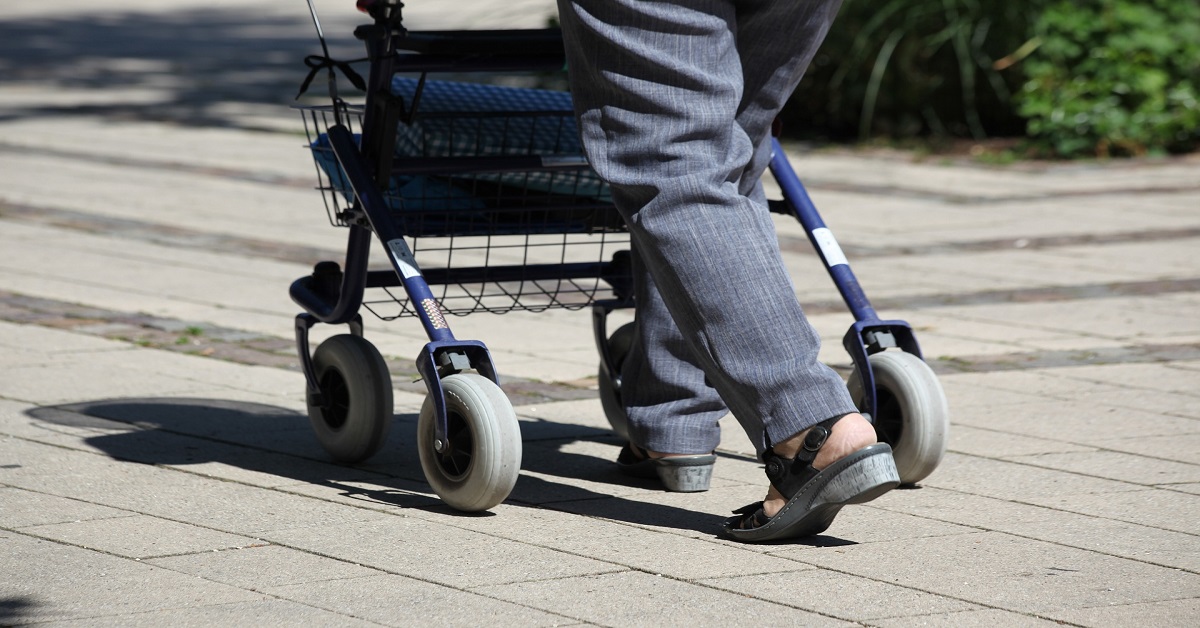
Moderate mobility aids are halfway between minimal and maximum mobility aids and can be of help to people who need a little more support than canes but a little less support than wheelchairs. Rollator walkers for seniors are one of the more popular medium assistance mobility equipment. With age, people tend to need support for walking and a rollator walker which has an inbuilt seat and 3 to 4 swiveling wheels is ideal for most senior citizens. These ensure maximum support and come with handle brakes. You would have to maneuver these brakes to control them from rolling around freely so it is not recommended for individuals who might forget how and when to use the brakes. Rollators and walkers are good for people with balance issues and weaker legs. Choosing the right walker is essential to avoid falling and getting hurt. All walkers including ones available at ACG Medical Supply aid in supporting a part of bodyweight while you are standing or walking. Some other types of moderate mobility aids include Standard walkers and Power scooters, which assist people in traveling long distances without walking. Power scooters are the way to go when you are shopping as they are equipped with a front section to carry storage baskets.

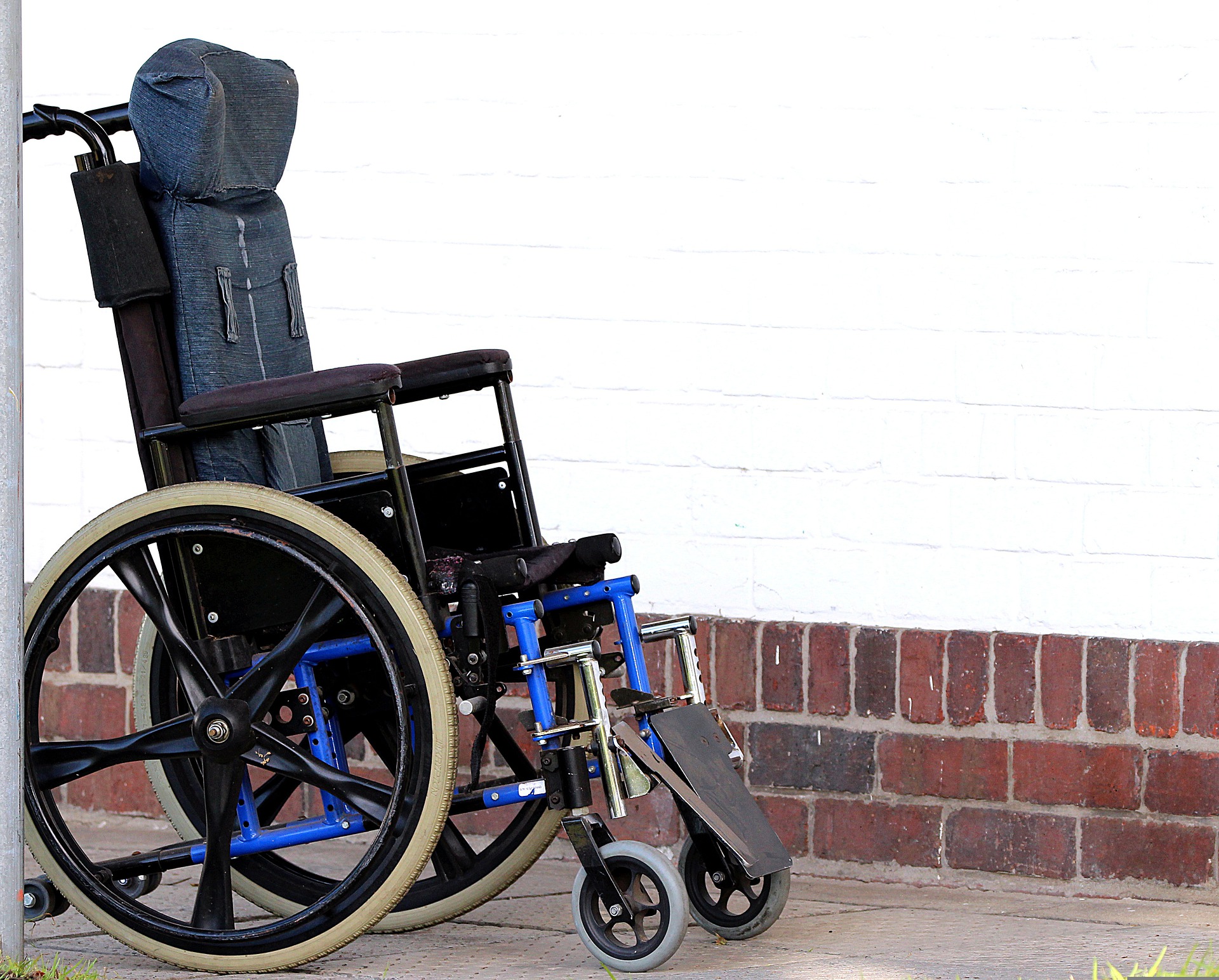
Maximum mobility aids like wheelchairs assist individuals who face challenges while walking great distances or can barely walk a few steps in one go. Wheelchairs that need to be operated by the user or moved around by people accompanying them are called Manual wheelchairs. Some other types of wheelchairs are Standard, Transport, and Power wheelchairs. The primary difference between Manual wheelchairs and Power wheelchairs is that while the former is self-operated or needs another person’s assistance to be moved around, the latter is battery-operated and doesn’t require to be pushed around by someone.

Sometimes moving around is not the only time an individual needs support. When you have undergone an injury or are a person who needs stability and aid to stand while bathing. There is help available in the form of bariatric bath chairs. These chairs are best for people whose safety and comfort need to be ensured while showering. An individual doesn’t have to worry about maintaining their balance or falling while bathing and can sit relaxed on these heavy-duty chairs which are designed to endure their weight. Most bariatric bath chairs are also apt for overweight people who are susceptible to falls.

Now that you know all about the various types of mobility aid and their uses you can easily select one that fits your needs but always remember to check out the warranty on offer and any maintenance requirements for the device while researching. If you’re still unable to decide, try ACG Medical Supply for browsing the latest mobility equipment with great deals.


Adults Knee Walker

Injured – Go for a Knee Walker Scooter to Heal Faster

It can be tough to get around when you have a knee or lower leg ailment. Although crutches or a cane can be useful for support, these devices have limits. While your injury heals, a knee walker or knee scooter is a more convenient, safer, and faster method to get around.

You do not need difficult-to-use crutches or a cane for easy mobility. Buying or Renting knee scooters from ACG Medical Supply can be an excellent choice to explore because you need them until you have fully recovered from your injury. Knowing more about knee walkers might help you comprehend how they provide dependable mobility aid.

Knee Walker for All…

Knee walkers are types of mobility aid that allows you to move around safely while recovering from a lower leg or knee injury. When suffering from such injuries, you should avoid putting weight on the injured limb, which makes it tough to move around both inside and outside. Crutches, for example, have limitations in terms of how much weight-bearing assistance they can provide. Knee walkers provide superior weight-bearing support as well as other features that make getting around while wounded easier and more convenient.

A knee walker scooter can help people with many ailments get around. Achilles injuries, foot injuries, ankle injuries, and knee injuries are just a few examples. These knee walkers are especially useful following surgery, such as foot or ankle surgery. Knee scooters allow you to move around easily indoors and outdoors, allowing you to complete your normal activities. They are made to spin effortlessly, even in tight quarters. These devices assist you in remaining mobile while safeguarding your injuries as it heals.

Pediatric knee scooters

Pediatric knee walkers provide a secure and stable way for youngsters with lower leg injuries to move around indoors or outdoors. These scooters are perfect for youngsters with injuries below the knee who need to keep their weight off the damaged side. Using crutches can be difficult for youngsters, especially if they have difficulty in balancing.

A pediatric knee walker has four wheels, a hand brake, and steering capability. The four-wheel design provides increased stability on floors or some outdoor surfaces, and a hand brake provides children with an easy method to stop when necessary, these steerable scooters are simple for youngsters to maneuver while resting their wounded limb thereby allowing them to get around at home, school, or wherever they need to go.

Indoor Knee Scooter

When you are unable to put weight on your leg due to injury or sickness, such as ulcers, indoor knee scooters provide a sturdy and safe way to move around. These knee scooters are designed to be used indoors, such as at home or work, so you can easily move from one room or area to another. Some, however, can be utilized outside on specific sorts of terrain.

Indoor knee scooters are intended for use in tight or small locations. You can use these scooters to travel around corners, turn around, and move in other directions as needed without putting weight on your wounded leg.

Buy or Rent a Knee Walker Scooter

You have injured your leg or ankle and are recovering at home; lying in bed for the duration of your recovery isn’t an option, after all, everyone needs to get around. But now you do not have to rely on wheelchairs or deal with the agony of crutches because ACG Medical Supply provides knee walker rental but, now the question is whether to buy or rent a knee scooter for adults.

Rent it out for minor injuries

Renting knee walkers makes more financial sense if you only require one for a short period. For example, you may only need to utilize a knee scooter for a few weeks while recovering from a broken foot or an ankle surgery. Buying a knee walker is more expensive up front, especially if you buy a new one rather than a used one. Renting a knee scooter instead is affordable. You pay a set fee for the time you require the knee walker. When you are finished with it, you may return it rather than having to find a place to store it at home.

Buy it for a long-term use

You receive safety, security, and choice when you buy a Knee Scooter. While people expect temporary obstacles, catastrophic injuries can take months or years to heal. By purchasing a knee walker scooter, you can ensure that you get a model that meets your demands, whether you are an active walker seeking something all-terrain or simply looking for some assistance with your daily run errands. 

ACG Medical provides a wide range of knee walkers, Buy or Rent Knee walkers online to recover soon.

mobility scooter

All You Need to Know Before Choosing the Right Mobility Scooter

What are they?

An electric convenience vehicle specially designed for the elderly and folks with limited motility is also known as a mobility scooter. It is an electric scooter driven by a motor and usually two-wheeled. However, with advanced technology options are plenty when buying a mobility scooter. You can always opt in for a three-wheel scooter or a four-wheel scooter according to your budget and convenience.

Confused with multiple options?

ACG Medical Supply is your one stop solution while looking to purchase the best mobility scooter in the market. Committing to provide an exceptional experience ACG Medical Supply promises to give you a comfortable ride with varied options to choose from.

Now that you know what mobility scooters are and where to look for them-let’s get you started with the types.

Heavy Duty Mobility Scooter

As the name suggests this one comes with a powerful engine to endure rough usage. Capable of carrying up to 550 pounds this scooter is the right choice for people with larger frames. Features include a broad base and extensive tires suitable for riding on grass or any other terrain, you name.

Portable Travel Scooters

These babies are travel-friendly and also go easy on the pocket. Light as a feather and compact, they are apt for active individuals. Foldable and easily manageable are some of the pros of this vehicle however, they are not the right choice for daily use.

Three-wheel scooter

Go for this if riding indoors is your primary need. Suitable for limited and compact spaces, it can be ridden either at home or office. Specifications include a slim base and a compact turning radius which make it unsuitable for riding on rough terrain but an excellent choice for indoor usage.

Four-Wheel Scooter

The uniqueness of this scooter is that it has two choices available specifically for both indoor and outdoor usage. Comfort comes first for this specific type of mobility scooters as it has ample space for accommodating both legs and seat. Steering might not be as easy in a four-wheel Scooter as in its three-wheel counterpart but it is a more stable, durable and comfortable choice. No need to worry if you are the kind of person who wants to spend their money buying a scooter which can be ridden outside because the outdoor model of a four-wheel Scooter is designed with a powerful engine and durable tires to be ridden on unpaved terrain. Backlit screens and headlights make it all the more desirable.

Research is key while making the purchase

To begin with, keep in mind

  1. Place of usage- Indoors or Outdoors?
  2. Where to store the vehicle?
  3. Overall expenditure?
  4. Importance of seat comfortability?
  5. What areas will I navigate the most?
  6. Home or workplace limitations?
  7. What is the weight capacity I require?
    Make sure that you do some research to find out which model meets your criteria.

Some of the best models available in the market to aid your purchase

Pride Go Go Folding Scooter

Available in three and four wheeled models. This scooter can be folded in three easy steps to be carried on boats, planes and trains. However, this also claims to be your best companion while taking a trip to the supermarket or a stroll in the park.

Golden Companion 3 Wheeled Scooter

Riding will never feel mundane with this stylish companion with ample legroom and foot room. An easy disassembly and optional power-elevating seat; an adjustable LED headlight; an ergonomic control panel design with a backlit battery gauge display; a wraparound Delta tiller for easy steering; make this riding companion stand out from the rest.

To conclude, a mobility scooter can make a significant difference in the life of someone with a disability. Moving around with comfort and convenience is no longer a hassle with the invention of mobility scooters. Once familiar with the specifications and essentials to keep in mind while purchasing one, it is extremely important to research before making the final choice. Sure, it can be a toughie with all the mind-boggling information and options available, where one might seem better than the other and leave you with the fear of missing out but with assured quality products ACG Medical Supply will help you make the perfect choice.

Acg Medical Supply

How To Make A Home More Accessible For Handicapped People?

It is one of the nicest presents you can offer a person who is living with a handicap if you provide them with a living place that is secure, easily accessible, and comfortable. ACG Medical Equipment is the best present you can give to a handicapped person. They should feel comfortable expecting that their unique requirements will be met at home because it is the only location they have any real control over.

To build a house suitable for handicapped people to live in that is both pleasant and easy to access, however, requires a significant amount of work to be done.

The Department of Housing and Urban Development and the Fair Housing Act provide some accessibility criteria, but you will need to go beyond the fundamentals to build the secure and pleasant living area that you desire for your loved one following those standards.

Caregivers and the individuals who are closest to the handicapped person are typically the ones who are in the greatest position to determine what the disabled person’s most urgent needs are in terms of making their house pleasant for them.

However, those who are knowledgeable in the field of renovation will also have some useful suggestions for the things that need to be done.

The following is a list of some of the factors that you should take into account.

● Making doorways and hallways accessible for those using wheelchairs.
● Eliminating potential trip risks.
● The stairwells will have railings installed on them.
● Putting shelves and storage cabinets at a height that a wheelchair user may easily access.
● Putting light switches within easy reach or installing voice-activated technology in both lighting and home appliances.

The following are some of the most frequent remodelling alternatives that are available for people who live with disabilities; however, the sorts of alterations and the amount of modification required will vary from person to person. In addition, this book provides rough cost estimates to assist with financial planning.

Making Landscaping, Entrances, and Walkways Accessible to People with Disabilities

Along the path that leads to the front door—whether it be the driveway or a walkway—there should not be any obstructions, and the surface should be free of cracks. You can also insert patient lifts for home use for disabled patients.

It should also have a rough surface so that those using walkers, wheelchairs, and shoes have a solid grip on the ground while also reducing the buildup of water and snow.

At least one of the entrances should be made accessible by having a low threshold, a wheelchair ramp, and railings as necessary to ensure that people can go in and out without any problems.

For the sake of both safety and security, it is a smart idea to equip each of these locations with lighting equipped with motion sensors. You must get rid of any carpets, doormats, and runners that can create a tripping hazard or get in the way of a wheelchair ramp.

Every entrance and exit should be spacious enough for wheelchairs to pass through without difficulty. In a perfect world, they should be at least 36 inches wide; nevertheless, an entry measuring 32 inches and outfitted with broad throw hinges or swing-clear hinges would be sufficient.

If certain internal doors aren’t required for reasons of privacy or safety, it’s possible that removing them entirely would be the best course of action. You can do so by installing screens, curtains, or sliding doors in their place.

The placement of door knobs and peepholes that are easily accessible is a further feature that is simple to overlook. To improve the level of safety in a building, the peepholes might need to be moved to a more convenient height or replaced with an intercom system. Automatic doors or doors equipped with levers rather than knobs may be required for those who have difficulties with their movement.

Adaptations to Improve Bathroom Safety for People Who Are Disabled

The adjustments needed in the bathroom are among the most significant that are necessary for disabled living. This is because of the risk they provide since about 230,000 individuals go to emergency rooms each year owing to injuries sustained in the restroom.

Bathrooms have a tendency to be obstacles to movement, which is why the following variety of adaptations could be required.

Raise sinks to a higher level so that individuals who are confined to the wheelchair ramp
may roll up without having to stretch their arms over the edge. Knobs on faucets are more difficult to turn than those with lever handles or touch controls.

Toilet seats are frequently positioned at heights that make it difficult to get in and out of a wheelchair ramp. It’s possible that they need to be raised to make the transfer process simpler and more secure.

Conclusion
There are several products available in the market for disabled patients like Mobility Equipment, patient transfer boards, and patient lifting equipment. It is a significant endeavour, but doing work out of love to make modifications to your house that will make it possible for a disabled family member or friend to live there in safety and comfort is rewarding. Home is the one place where handicapped people should feel safe and cared for, and it should be that place for them. These alterations will assist in delivering that sense and will make the house genuinely seem like it is theirs.

4 WHEEL WALKERS

All you Need to Know About 4 Wheel Walkers/Rollators

While struggling with an injury or recovering from different health issues, it is quite common to face mobility issues that may take time to subside. In this scenario, switching to a mobility device or four wheel walkers is the best decision to set yourself free and feel confident while moving around easily. Often called the rollators, these four-wheeler walkers have gradually become the first choice of healthcare professionals in terms of comfort, functionality, and mobility. Let’s dive deep into the various facets and benefits of these walkers.

What is a Rollator?

Conceptualized and designed by the Swede Aina Wifalk, a polio patient, in 1978, the rollator has a foldable frame with a seat to sit and rest; it has three or four wheels that aids in mobility. It can be considered an upgrade of the traditional walkers that needed to be lifted and put down at every step while walking. It was a cumbersome and tiring process for an already exhausted patient who needs to balance the walker while moving. However, rollators are a great option if the patient requires balance or support and has weak arms and body to support while walking through the traditional walkers.

What are the Benefits of Using Rollators?

For patients with critical health issues such as heart failure, COPD, and those recovering from surgeries, a 4 wheel walker would be an easier option over the traditional walkers that require great arm strength and perfect grip. The seating option is another USP of these rollators as it allows the person to sit whenever they feel tired.  The wheels help in mobility without tiring one’s arms and allow you to turn 360 degrees without putting any strain on the back and neck. There are a wide array of advanced rollators that come with the option of foot support, cup or cane holders that add to the convenience. Patients struggling with low abdominal strength, fractures, and leg injuries can opt for a rollator with automatic press-button options that can set the height, speed, and direction of movement.

How to Choose the Best Rollator?

Depending upon the patient’s requirement, you can choose from a wide range of four-wheel walkers with advanced options that allow you to adjust the height to support the neck, and position you in the right posture. You can also choose from rollators with an attached basket with a stable and sporty design or with a contoured backrest with brake cables and a cross-brace design. While some walkers have a caster fork design, some may have a removable basket for carrying items. With professional help and guidance from your medical practitioners, you can select the perfect 4 wheel walker.

To simplify things, here’s a checklist that would help you select the best rollator that suits your needs.

  • Focus on dimensions: While buying a rollator, pay attention to the length and width of the walker so that you can move around freely inside your home without facing any obstacles.
  • Indoor Vs Outdoor: Ask yourself where would you use these walkers frequently? Inside the home or outdoors? Depending upon the usage, select the one that fulfills all your needs.
  • Maintenance & Storage: Make sure that the rollators are easy to use and maintain and that there is enough space for storage. Choose compact foldable walkers that can also be carried on long journeys.
  • Material & Quality: Quality comes first when it comes to rollators. The type of material used would also decide the weight and design of the chair. Select the one that suits your pocket.
  • Additional Features: Invest in a walker that offers you maximum features at competitive prices!

Apart from being an essential mobility device for patients, the 4 wheel walkers are a great tool to imbibe a feeling of independence among patients that rely on their caretakers. ACG Medical provides you the high comfort and easy-to-use features that imbibe confidence in the users, which goes a long way in helping them recover faster.

Walking

Walk Your Way to a Healthier You

Have you been keeping an eye on your cardio levels? Maybe even thinking you need to get a little more exercise in? If this sounds familiar, you’re in luck and you’re not alone. Nearly 75% of people are not getting the amount of exercise that is recommended for them to keep a healthy lifestyle, but it’s not too late to turn that around! We have just the tips and tricks to get those extra steps in to ensure that you’re getting the exercise you need and will be well on your way to a healthier you in no time.

How much exercise do people need?

We all know that exercise is good for us, but how much should we be fitting into our daily schedule? ChooseMyPlate.gov recommends the following amounts of physical activity for people of all ages below:

Children (2-5): Physical activity is generally safe for everyone, but there is not a set amount for children of this age. They generally have more energy and will have shorter bursts of activity which is normal. If you are concerned with the activity level of your child, contact your doctor today.

Adolescents (6-17): Children and adolescents should get 60 minutes or more of physical activity each day. Many times, this age of people are getting the amount of exercise needed from school programs and sports. It is important to encourage your children or grandchildren to keep involved and active in activities that keep them moving to promote a healthy lifestyle. 

Adults (18-64): Adults should do at least 2 hours and 30 minutes each week of aerobic physical activity at a moderate level OR 1 hour and 15 minutes each week of aerobic physical activity at a vigorous level. A good way to fit this into your week is to exercise for 30 minutes a day, 5 days a week. This allows you a couple of rest days in there for when you need a break or maybe don’t have the time that day.

Elderly Adults (65+): Elderly adults have similar recommendations for exercise, but have more flexibility as they should exercise as able. If you are unsure of what you should do to keep active, check with your doctor and ask for recommendations on what would be best for you.

What can you use to help you get your exercise in?

There are many different things that one can do to get the right amount of exercise daily. Below are some options for people of all ages to utilize.

Apps: There are hundreds of apps that one can download on their phone to help keep them on track while exercising, tracking time and even showing exactly what exercises to do. Whatever you’re looking for, try searching for it on your phone or looking up what apps might be right for you. You’re bound to find something you love and can stick to!

Walking aids: If you have a disability or are getting older, you may want to look into walking aids to ensure you are staying safe while getting your exercise in. ACG Medical offers a variety of walking aids to keep you safe! Check out our walkers and rollators here.

Equipment: There are many different things that you can have in your own home to avoid getting a gym membership or walking outdoors in dangerous conditions. It might be a good idea to look into getting a treadmill for walking or other equipment such as yoga balls, small weights and even bands that can be stretched out to keep from injuring yourself. While these are just a few guidelines and tips to help you live an active life, there is an endless list of things you can be doing to stay active. One simple tip would be, when in doubt, walk it out. Walking is essential in life and is a simple way to get your exercise in! If you’re looking for walking aids or other products to ensure you’re living a healthy lifestyle, check out ACG Medical. We’re here for you every step of the way.

mobility

How to Find the Right Mobility Solution

Nobody likes to be constricted to one space. If you’re feeling too restricted on movement, it’s important that you find the right mobility solution for you to complete daily living activities. There are benefits to each one depending on what kind of mobility you need and the lifestyle you lead. While some of you may be familiar, there are perks to each one that you may have not previously considered.

Wheelchairs

Who?

There are currently 3.6 million people over the age of 15 who use a wheelchair daily. They are intended for individuals who cannot walk or put full weight on their legs. These are great for long distances and for those with severe impairments.

Types:

There are two distinct categories of wheelchairs. Manual and motorized are the two avenues of choice for users. There are many different types of manual wheelchairs to meet a variety of peoples’ needs. Motorized wheelchairs are a wise option for those who do not have the strength to push themselves independently. If you don’t have upper body strength, a motorized wheelchair (or scooter) will be the best choice for you.

Canes

Who?

Canes help those who are unable to put full weight on their legs but are still able to walk if they have assistance. They provide stability and aid in balance. Many older Americans use these every day. In fact, 16.3 percent of older Americans use these. While these help with balance, they can also put stress on the wrist and hands.

Types:

There are so many different types of walking canes that vary from style, and color to actual medical need. The most common kinds of canes are the “C Cane” and “Quad Cane.” The C Cane is very simple in that it is straight with a simple curve at the top. The Quad Cane provides more stability as it has a four-pronged base and a graspable handle.

Walkers

Who?

Walkers are a stable option for those with little strength to walk independently, but still have the use of their legs. There are 11.6 million older Americans who use walkers. They are easy to push forward but are stable enough to not slip.

Types:

There are a few different types of walkers and they often come with accessories, like a basket, to hold items. The two most common types are knee walkers and rollators. Rollators are very common and have a three-piece frame, grip handlebars and a seat if needed. Knee walkers have a rest for the knee that is often used post-surgery or for amputees.

As we age, we find ourselves becoming less and less mobile, and finding it more difficult to get around. If you are looking for a mobility device, take a look at our gallery and give us a call!

Search Articles

Medical Tips in Your Inbox

Get expert recovery advice, equipment guides, and caregiver tips — delivered weekly. No spam, unsubscribe anytime.

Need equipment today?

Same-day or next-day delivery in the DFW area. Call us now for immediate assistance.